
Food debates between Canada and the United States rarely stay polite for long, especially when national favorites are involved. Some dishes are shared, some were adapted, and some feel so distinctly Canadian that the internet shows up ready to defend them on sight. These are the foods Canadians are widely seen as doing better, whether the argument is about ingredients, texture, tradition, or pure late-night craving power.
Poutine
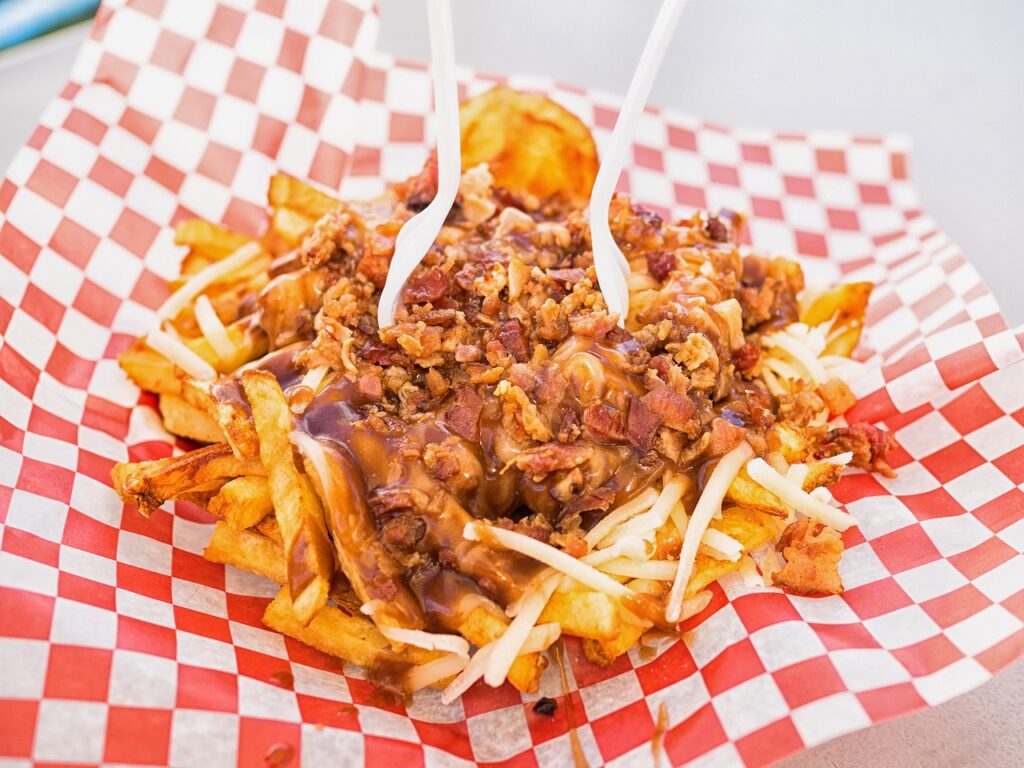
This is usually where the argument starts and where Americans quickly realize fries, gravy, and cheese curds are not as simple as they sound. In Canada, especially in Quebec, poutine is treated less like a novelty and more like a standard with rules. The fries need structure, the gravy needs depth, and the curds need that fresh squeak that tells you they were never meant to be replaced by shredded cheese.
American versions often drift into loaded-fry territory, piling on pulled pork, fancy aioli, or whatever is trending that week. That can be tasty, but it misses the point. Good poutine is about balance, not clutter, and Canadians have spent decades getting that balance exactly right.
Ketchup Chips

Nothing exposes a cross-border snack gap faster than handing an American a bag of ketchup chips and watching them try to process the idea. In Canada, they are not a gimmick flavor. They are a deeply familiar part of the chip aisle, known for that sharp tomato-vinegar tang, a little sweetness, and the bright red dust that stains your fingers and somehow improves the whole experience.
American chip brands have experimented with ketchup flavor before, but it has never settled into everyday snack culture the same way. In Canada, the flavor has staying power because it hits a very specific sweet-salty-acidic balance. It tastes bold without being complicated, which is exactly why people stay loyal to it.
All-Dressed Chips
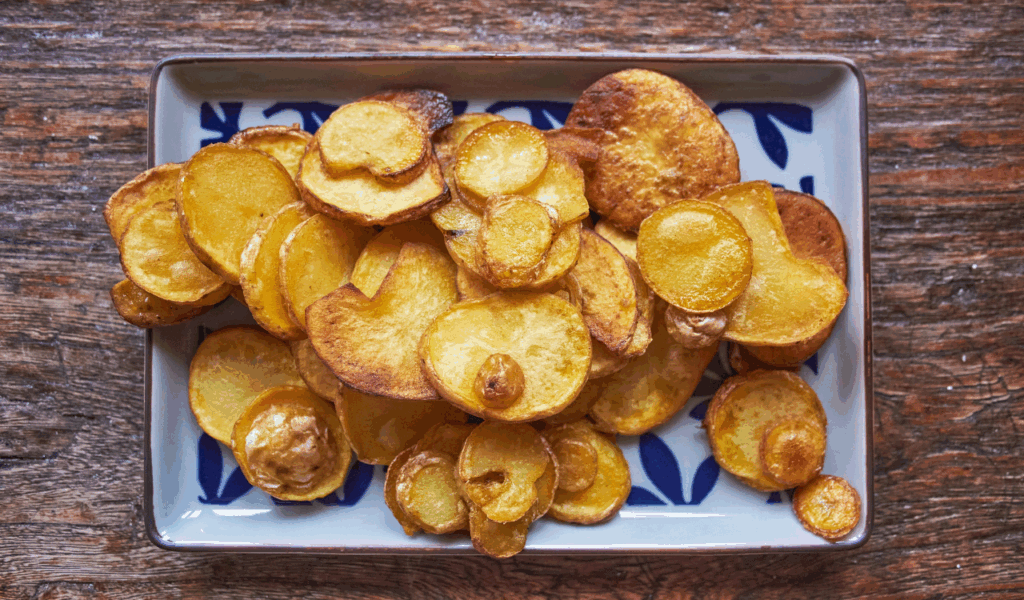
If ketchup chips are the gateway, all-dressed chips are the flavor that makes visitors wonder why they ever settled for plain barbecue. The Canadian version layers salt, vinegar, sweetness, onion, garlic, and barbecue-style seasoning into something that sounds chaotic on paper but works brilliantly in practice. It is a full chip aisle packed into one bag, and somehow none of the flavors get lost.
In the United States, all-dressed has appeared in limited runs and specialty shelves, but it still feels like a guest star. In Canada, it is part of the main cast. That familiarity matters because the seasoning profile is dialed in for repeat eating, not just a one-time curiosity purchase.
Butter Tarts

Butter tarts look humble, which is part of their power. At their best, they deliver a flaky shell and a filling that lands somewhere between caramel, brown sugar, butter, and custard. It should be rich but not heavy, sweet but not flat, and just runny enough to spark a lifelong argument over the proper texture. Raisins or no raisins is still a fight, but the tart itself is not up for debate.
The United States has pecan pie and chess pie, both excellent in their own right, yet butter tarts occupy a different lane. They are smaller, more direct, and less dependent on extras. Canada has kept them rooted in home baking and bakery culture, which is why the best ones still taste personal.
Peameal Bacon Sandwiches

This is one of those foods that confuses Americans because it does not match what they expect from the word bacon. Peameal bacon is wet-cured pork loin rolled in cornmeal, sliced thick, and griddled until the edges pick up color while the center stays juicy. On a soft bun, often with mustard, it becomes a sandwich that is simple, meaty, and far less greasy than standard breakfast bacon stacks.
American bacon culture leans hard into smoke, crunch, and excess, and there is room for that. But the Canadian version offers something more restrained and arguably more satisfying as an actual sandwich. It tastes like pork first, not just salt and smoke, which is why Toronto still defends it so fiercely.
Nanaimo Bars
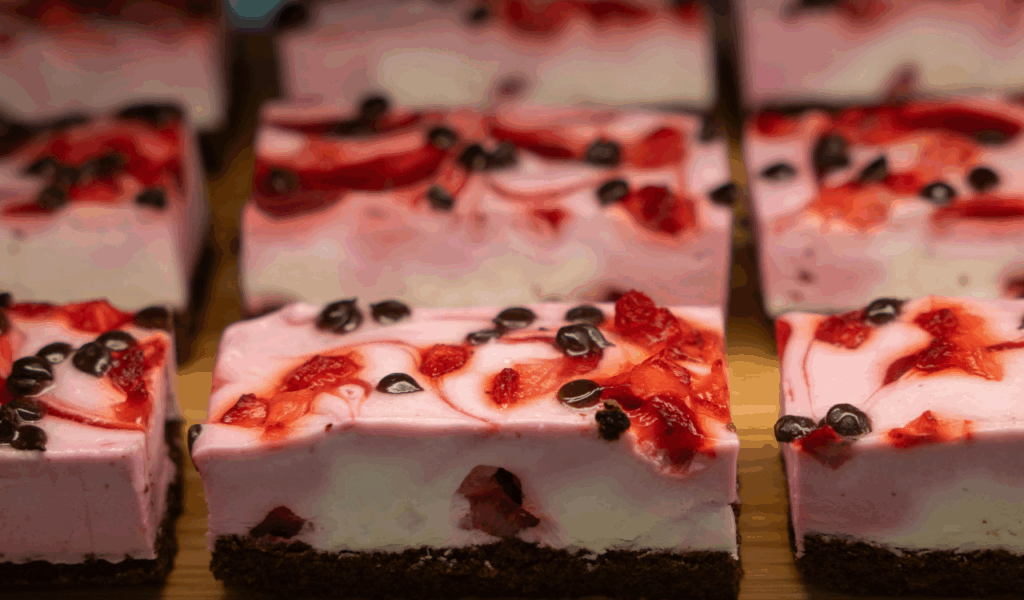
Desserts do not need to be delicate to be good, and Nanaimo bars are proof. This no-bake Canadian classic stacks a crumbly chocolate-coconut base, a thick custard-flavored middle, and a glossy chocolate top into a square that is unapologetically rich. It is sweet, yes, but it is also structured, textural, and instantly recognizable in a way many dessert bars only hope to be.
The United States has countless layered bar desserts, from brownies to seven-layer bars, but Nanaimo bars have a more defined identity. They are not just a bake-sale catchall. Canada has preserved them as a specific classic, and that consistency matters. When you bite into one, you know exactly what it is supposed to be.
Caesar Cocktails

The Caesar is one of those drinks that makes Americans ask why they have been settling for Bloody Marys that feel flatter by comparison. Built with vodka, hot sauce, Worcestershire, and most importantly clam-infused tomato juice, the Caesar has more savory depth and more personality right from the first sip. It is briny, spicy, and surprisingly balanced when made properly.
In Canada, the Caesar is not a quirky regional oddity. It is a brunch staple, a patio order, and a national habit. American drinkers often hesitate at the clam component until they taste how much it adds. Once they do, the conversation shifts from skepticism to annoyance that it never became standard south of the border.
Montreal-Style Bagels

Montreal-style bagels are smaller, denser, sweeter, and wood-fired, which already gives them a head start in any serious bagel argument. The dough is boiled in honey-sweetened water before baking, creating a crust that is shiny, chewy, and slightly smoky from the oven. Sesame and poppy seed versions dominate for a reason. They let the bagel itself do the talking.
American bagel culture, especially in New York, has its own loyal defenders and a different ideal in mind. But Canadians point out that Montreal bagels are often eaten fresh and warm, sometimes barely making it out of the paper bag before the first bite. That immediacy, plus the distinctive texture, is what turns casual fans into evangelists.
Split Pea Soup

Split pea soup may not dominate internet food discourse, but it quietly shows how Canada turns cold-weather cooking into an art form. French Canadian versions often build flavor with yellow split peas, herbs, and salted pork or ham, creating a soup that is thick, earthy, and deeply comforting without needing flashy ingredients. It tastes like something designed to get people through winter because, historically, it was.
American split pea soup can be excellent, but it often feels like a diner side note rather than a cultural staple. In Canada, especially in Quebec, it carries more tradition. That sense of inheritance matters. The best bowls are not just hearty. They feel connected to place, season, and a long habit of practical, flavorful cooking.


Leave a Reply