
Moving to Canada often means learning new weather, new routines, and, very quickly, new ways of eating. Beyond the famous stereotypes, many immigrants say the food traditions they picked up fastest were the practical, social, and deeply seasonal ones that show up in daily life. These habits are less about novelty and more about comfort, convenience, and joining in.
Stopping for double-double coffee runs

One of the quickest habits to stick is the casual coffee run, especially when someone asks if you want a double-double and expects you to know exactly what that means. In Canada, coffee is not just a drink order. It is part of commuting, chatting, warming up, and taking a short break in the day.
Chains like Tim Hortons helped turn coffee into a shared national routine, especially because locations are easy to find and the menu feels approachable. Newcomers often pick it up through work, school, or simply by joining colleagues on a mid-morning run.
The appeal is not complicated. It is cheap, familiar, and easy to customize, and it quickly becomes part of everyday belonging.
Pairing coffee with a box of Timbits

Timbits are one of those foods that explain Canadian social life in miniature. They are small, easy to share, inexpensive, and constantly present at offices, classrooms, youth sports, and family gatherings, which means immigrants often encounter them before they even know their cultural weight.
What makes the tradition so adoptable is the way it lowers the pressure around hospitality. Bringing a box feels generous without being formal, and offering one around is an instant conversation starter in places where people may still be learning names.
There is also the practical side. Bite-sized sweets travel well, suit many tastes, and turn an ordinary coffee break into something communal. That ease is exactly why the habit catches on so fast.
Eating maple syrup on more than just pancakes

Maple syrup often starts as a breakfast topping and quickly becomes much more. Newcomers discover that in Canada it shows up in glazes, baked goods, candies, marinades, oatmeal, yogurt, and seasonal desserts, giving it a wider role than many expected.
Part of its appeal is that it feels both distinctly Canadian and genuinely useful in the kitchen. Real maple syrup has a layered sweetness that works in savory dishes as well as sweet ones, which makes it easy for immigrants to fold it into recipes from their own cultures.
Seasonality helps too. Sugar shack traditions, spring menus, and maple products in stores reinforce the idea that this is not just a souvenir ingredient. It is a pantry staple with cultural meaning.
Treating brunch like a weekend ritual

Brunch in Canada is more than a late breakfast. For many immigrants, it becomes one of the first social eating traditions they adopt because it fits weekend schedules, welcomes groups, and feels relaxed rather than ceremonial.
The menu helps. Eggs, toast, potatoes, bacon, fruit, and coffee are familiar enough to be accessible, while extras like peameal bacon sandwiches, smoked salmon, or pancakes keep things distinctly local. It is an easy format for mixed-age families, new friends, and coworkers meeting outside the office.
There is also a cultural rhythm to it. In many cities, especially on cold weekends, brunch doubles as an outing, a catch-up session, and a small reward after a long week. That makes it easy to embrace quickly.
Getting hooked on ketchup chips
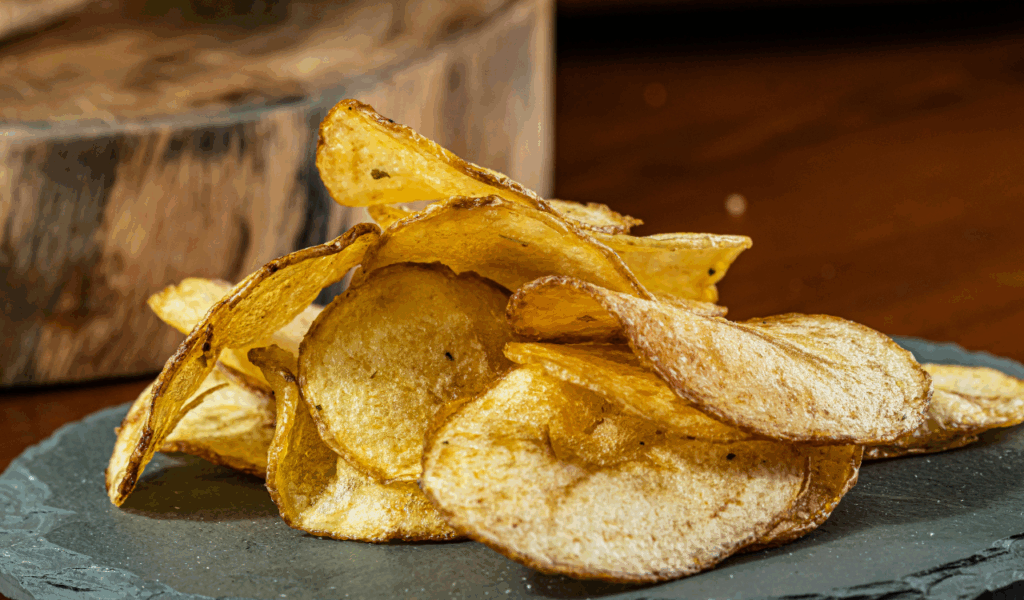
Ketchup chips tend to produce the same reaction again and again: surprise first, then a second handful. For immigrants, they often become an instant marker of Canadian snack culture because the flavor sounds odd on paper but lands as tangy, salty, sweet, and oddly addictive in real life.
Their popularity says a lot about how regional food identity works. Canada has long embraced snack flavors that feel playful and specific, and ketchup chips sit high on that list alongside all-dressed chips. They show up at parties, road trips, school lunches, and convenience stores, so people keep encountering them.
What makes them stick is that they are low-stakes and memorable. A single bag can turn into a favorite almost by accident.
Ordering all-dressed chips without hesitation
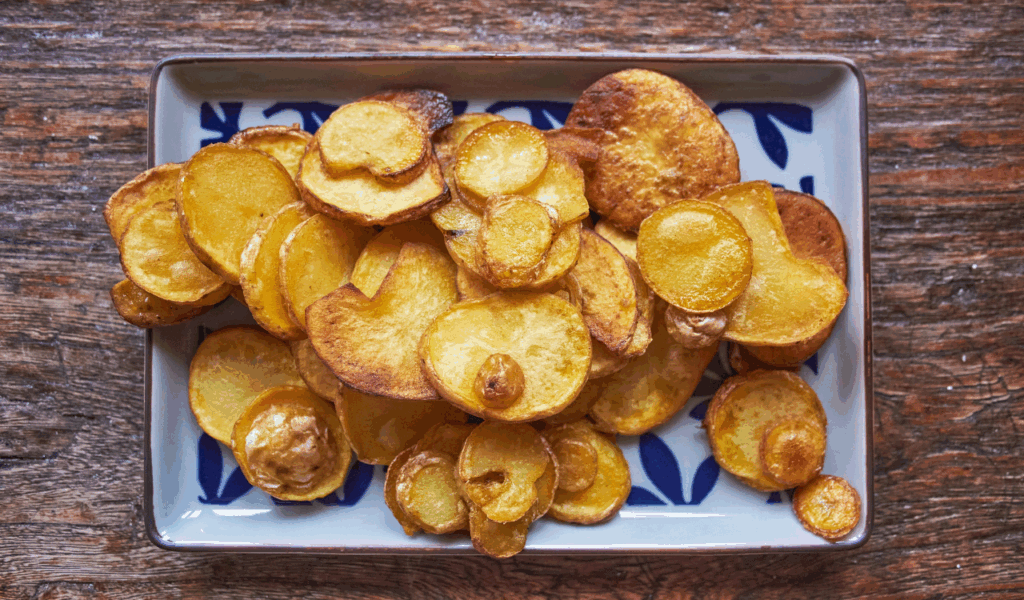
If ketchup chips are the gateway, all-dressed chips are often the graduate course. The flavor blends the sweet, salty, tangy, and smoky notes associated with several classic seasonings, and many immigrants say they become fans once they stop trying to decode it and simply enjoy it.
All-dressed feels very Canadian because it rewards openness rather than strict expectations. The seasoning profile is layered and a little hard to pin down, which makes it appealing to people who already come from food cultures where contrast and complexity are part of the pleasure.
It also helps that these chips are woven into ordinary life. They appear at backyard gatherings, hockey nights, and road stops, so ordering them soon feels completely natural.
Making soup season a serious part of winter
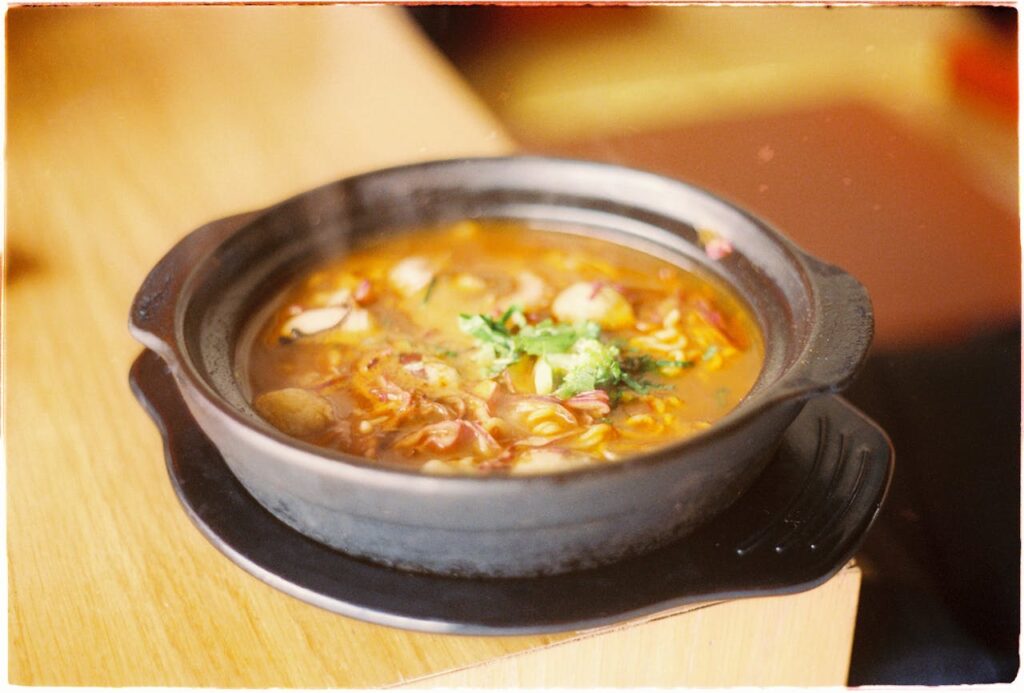
Cold weather changes eating habits fast, and immigrants often say one of the easiest Canadian traditions to absorb is treating soup as a real meal all winter long. In a country where long, freezing stretches shape daily life, hot bowls of soup become practical as much as comforting.
The custom cuts across backgrounds. Whether it is split pea, chicken noodle, French onion, seafood chowder, or a home recipe adapted from another country, soup fits Canadian winter habits because it is affordable, filling, and easy to batch cook. It also travels well in lunch containers.
That everyday usefulness matters. When temperatures drop and daylight shortens, warm food stops being a preference and starts feeling like part of the survival toolkit.
Learning that Caesar cocktails belong at gatherings

The Caesar is one of those Canadian traditions many immigrants do not expect to adopt, then suddenly find themselves ordering at brunches, barbecues, and cottage weekends. Made with vodka, Clamato, hot sauce, Worcestershire, and a seasoned rim, it is bold, savory, and unmistakably social.
Its rise in Canada is well documented, and over time it became less of a niche cocktail and more of a hosting ritual. Restaurants lean into elaborate garnishes, but even the simpler versions carry a sense of occasion and local identity.
For newcomers, the appeal often lies in the way it opens conversation. Everyone has an opinion on the right spice level, garnish, or rim, and that makes the drink easy to bond over.
Ending summer with corn boils and backyard barbecues
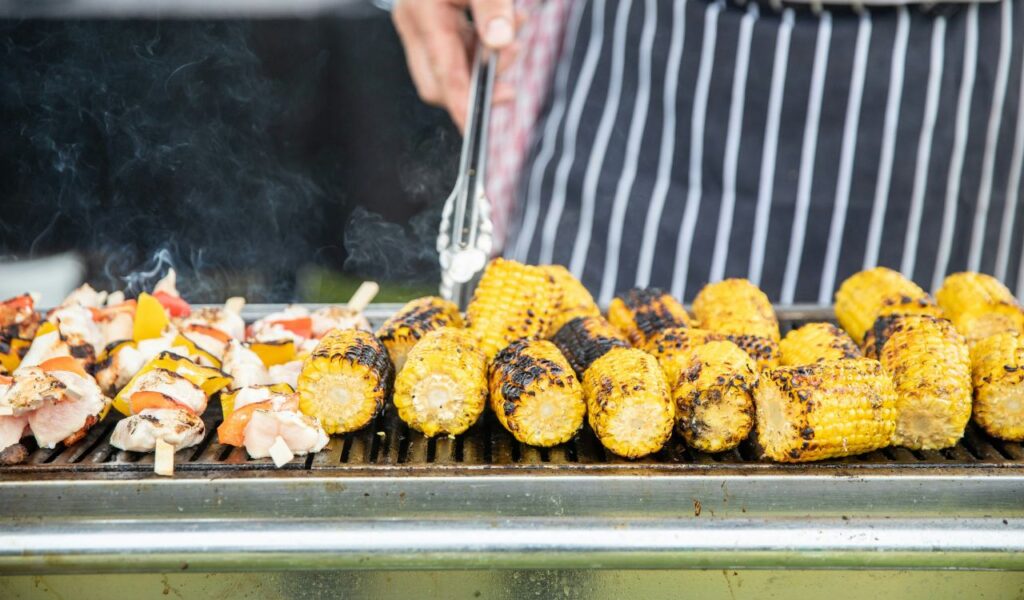
Some food traditions are adopted quickly because they come with an invitation. Backyard barbecues, grilled sausages, burgers, and seasonal corn are central to Canadian warm-weather social life, and immigrants often say these gatherings helped them feel included faster than almost anything else.
The food itself is straightforward, which is part of the point. Corn in peak season is sweet and abundant, and barbecue menus are easy to scale for neighbors, relatives, and friends. There is room for potluck dishes and cultural crossover, so people can bring something of their own while joining a familiar format.
That blend of openness and seasonality is powerful. After a long winter, outdoor eating feels celebratory, and newcomers often adopt the tradition because it carries such an easy sense of welcome.



Leave a Reply