Bulk buying is not the bargain it once was across every aisle, but some foods still reward smart shoppers. The trick is knowing which staples have a long shelf life, freeze well, or get used so often that a bigger package genuinely pays off. These eight foods continue to make sense in bulk for households that want value without ending up with waste.
Rice

Rice remains one of the clearest bulk-buy wins because it is inexpensive, versatile, and remarkably shelf-stable when stored well. White rice can last for years in a cool, dry pantry, especially when transferred to airtight containers that keep out moisture and pests.
It also stretches meals without much effort. A large bag can turn into quick fried rice, soups, grain bowls, casseroles, and side dishes for weeks. For families that cook at home regularly, the cost per serving usually drops meaningfully compared with smaller boxes or pouches.
Brown rice is a little different because its natural oils shorten shelf life, so it is smartest in smaller bulk quantities or freezer storage. But for households that eat rice often, stocking up still makes practical sense.
Dried Beans

Dried beans are the quiet heroes of the budget kitchen. They cost far less per serving than canned beans, keep for a long time, and deliver protein, fiber, and staying power that make simple meals feel substantial.
Buying them in bulk pays off most for people who actually cook them. A pound expands dramatically after soaking and simmering, which means chili, soups, stews, salads, and burrito fillings can be made in big batches for very little money.
Storage matters here too. Kept dry and sealed, beans can last a very long time, though older beans may take longer to soften. If you use black beans, chickpeas, lentils, or pintos regularly, a larger bag is still one of the smartest grocery purchases around.
Pasta

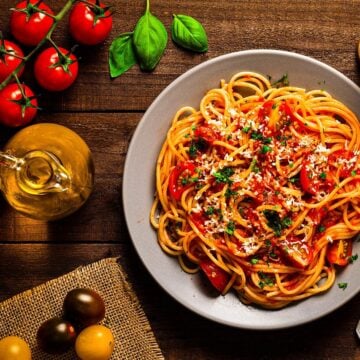
Pasta earns its place on this list because it is dependable in every sense. It stores easily, cooks quickly, and usually costs less per pound in larger packages or multi-packs than in single boxes bought one at a time.
For busy households, that convenience counts almost as much as the savings. Pasta can become a weeknight dinner, a cold salad for lunch, or a baked dish that feeds a crowd with very little planning. It is one of those foods that gets used before it has the chance to sit forgotten.
The smartest move is to buy shapes you already know your household likes. A giant bargain is only a bargain if it gets eaten, and pasta usually does.
Oats
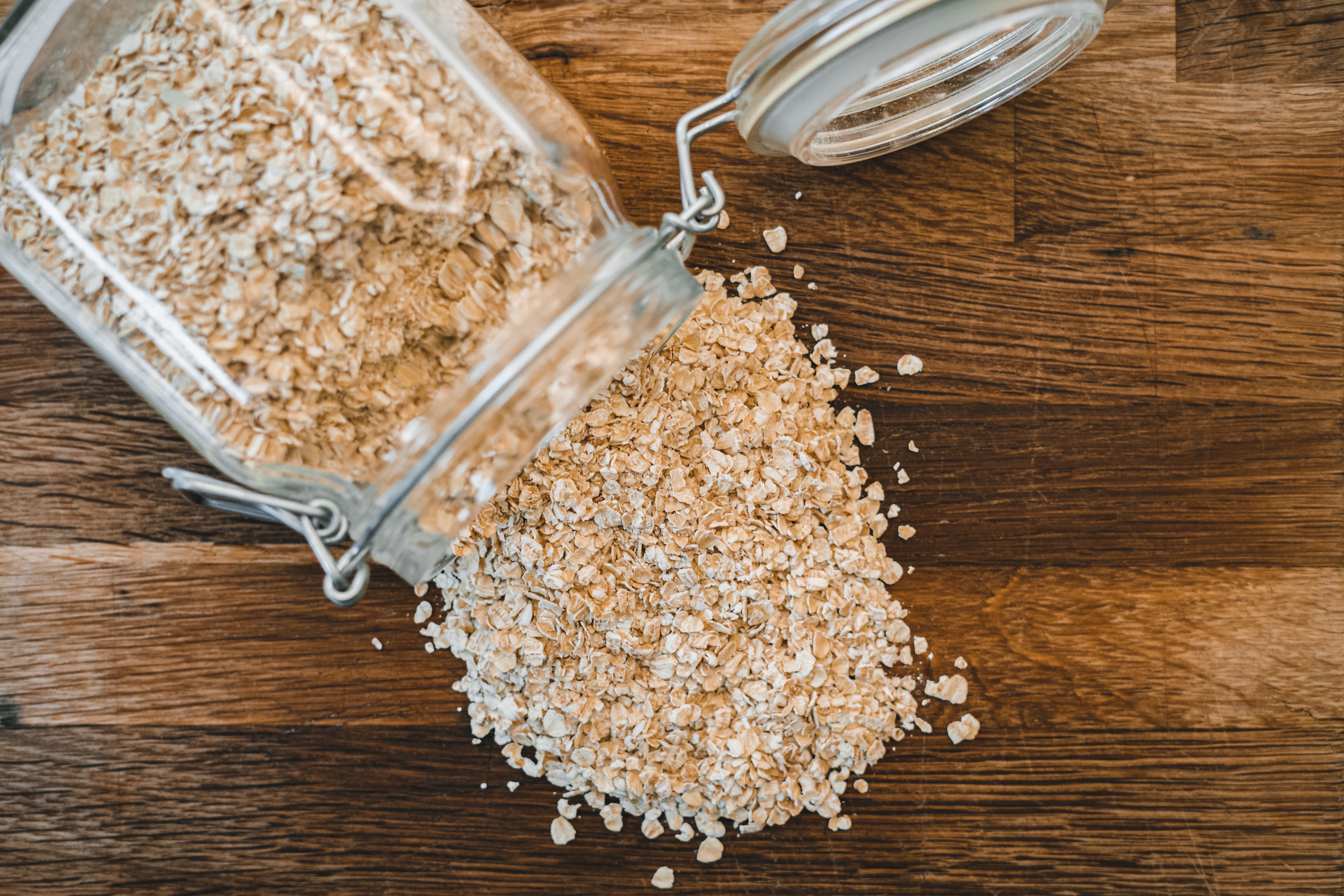
Oats are one of the few breakfast staples that still feel like a genuinely sensible bulk purchase. They are affordable, naturally filling, and useful far beyond a morning bowl of oatmeal. Rolled oats can show up in muffins, cookies, granola, smoothies, and meatloaf just as easily.
Because they have a good shelf life, a large container rarely feels risky for people who cook at home. The bigger formats often offer a better unit price than the smaller flavored packets, which also tend to cost more for added sugar and packaging.
The key is simple storage. Keep oats sealed and dry, and they stay fresh long enough to make bulk buying practical, especially for families that rely on quick, low-cost breakfasts.
Frozen Vegetables

Frozen vegetables prove that bulk buying does not have to mean pantry food only. Larger bags of peas, broccoli, corn, green beans, or mixed vegetables often give shoppers a better price per ounce, and they solve a problem fresh produce sometimes cannot: spoilage.
Because vegetables are typically frozen soon after harvest, they retain much of their nutritional value while staying ready for weeks or months. That makes them especially useful for people who want produce on hand without making multiple grocery trips.
The value is not just in the sticker price. It is also in the waste you avoid. When a freezer bag gets used a cup at a time for stir-fries, soups, casseroles, and side dishes, bulk buying feels both practical and efficient.
Chicken
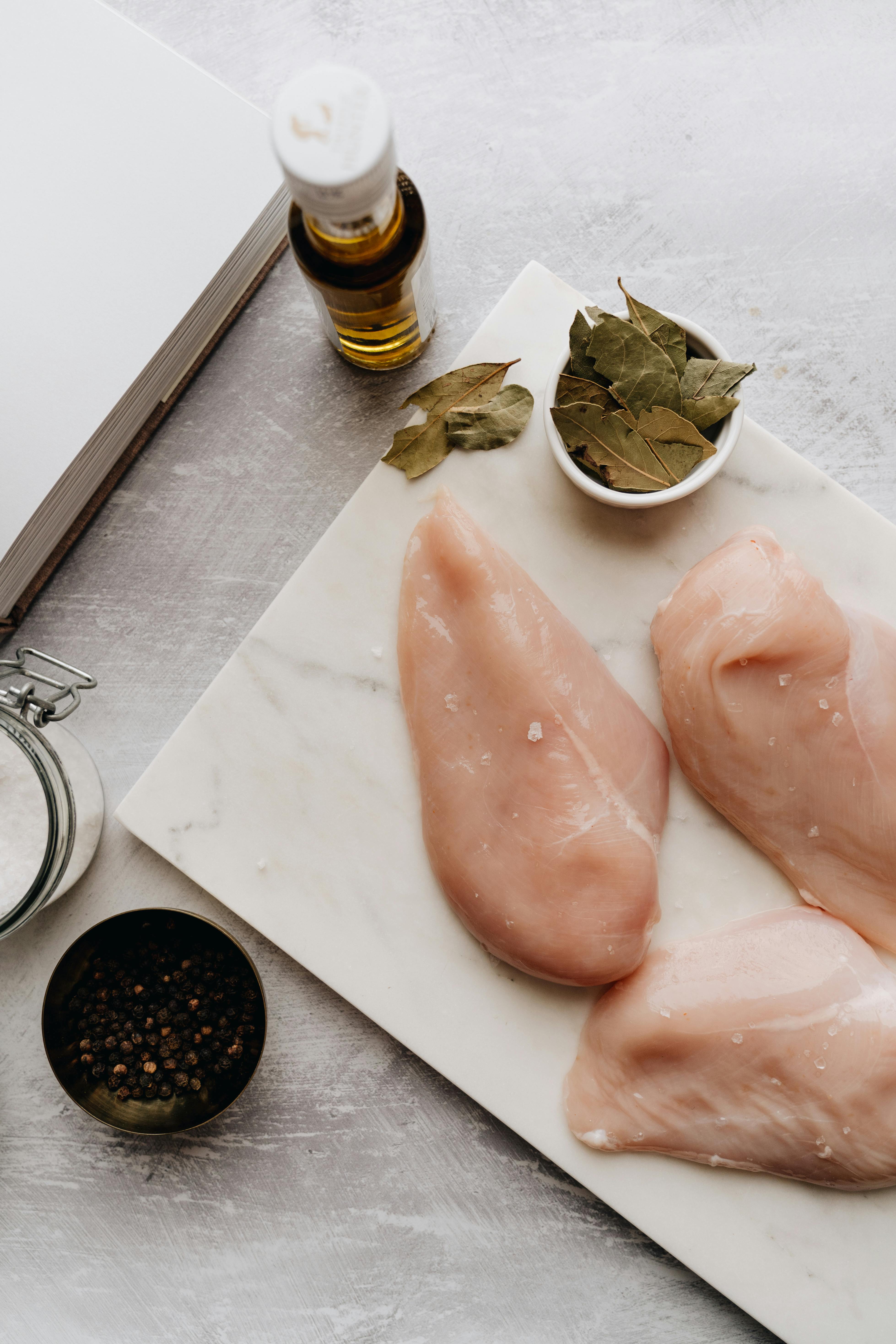
Chicken is one of the few proteins that can still make strong financial sense in bulk, especially when bought on sale in family packs. The savings show up most clearly when shoppers portion it at home and freeze what will not be used within a day or two.
That extra step matters. Separating breasts, thighs, or ground chicken into meal-sized packages prevents waste and makes future dinners easier. Instead of defrosting more than you need, you can pull exactly the right amount for soup, tacos, stir-fry, or roasting.
This only works if the freezer space and planning are there. But for households that cook chicken regularly, buying more at the right price is often still a smart move.
Cheese

Cheese may not seem like an obvious bulk item, but certain kinds are surprisingly practical to buy in larger blocks. Cheddar, mozzarella, Monterey Jack, and similar firm cheeses often cost less per pound whole than pre-shredded or smaller packaged portions.
There is another advantage too. Block cheese usually keeps a solid amount of time in the refrigerator when wrapped properly, and much of it can be shredded and frozen for later use in cooked dishes. That makes it easier to stock up when prices are favorable.
The best candidates are cheeses your household uses constantly for sandwiches, eggs, pasta bakes, tacos, and salads. If it disappears steadily, buying a bigger piece can still be a very sensible grocery decision.
Nuts

Nuts are expensive enough that the unit-price difference between small and large packages can be worth paying attention to. Almonds, walnuts, pistachios, peanuts, and cashews often cost less per ounce in bulk, especially at warehouse stores or in large resealable bags.
They also pull double duty as snack and ingredient. A single bulk purchase can cover lunch boxes, yogurt toppings, baking, salads, stir-fries, and homemade trail mix. That broad usefulness is part of why bigger quantities can make real sense.
The catch is freshness. Nuts contain natural oils and can go rancid if left too long in a warm pantry. The smartest approach is to keep a working amount handy and store the rest in the refrigerator or freezer.