
Air fryers earned their place on kitchen counters by making crispy food fast, but that is only part of the story. The same fan driven heat that browns wings and fries can also bake, roast, reheat, and even help revive leftovers in a way a microwave usually cannot.
Reheat pizza without turning it rubbery
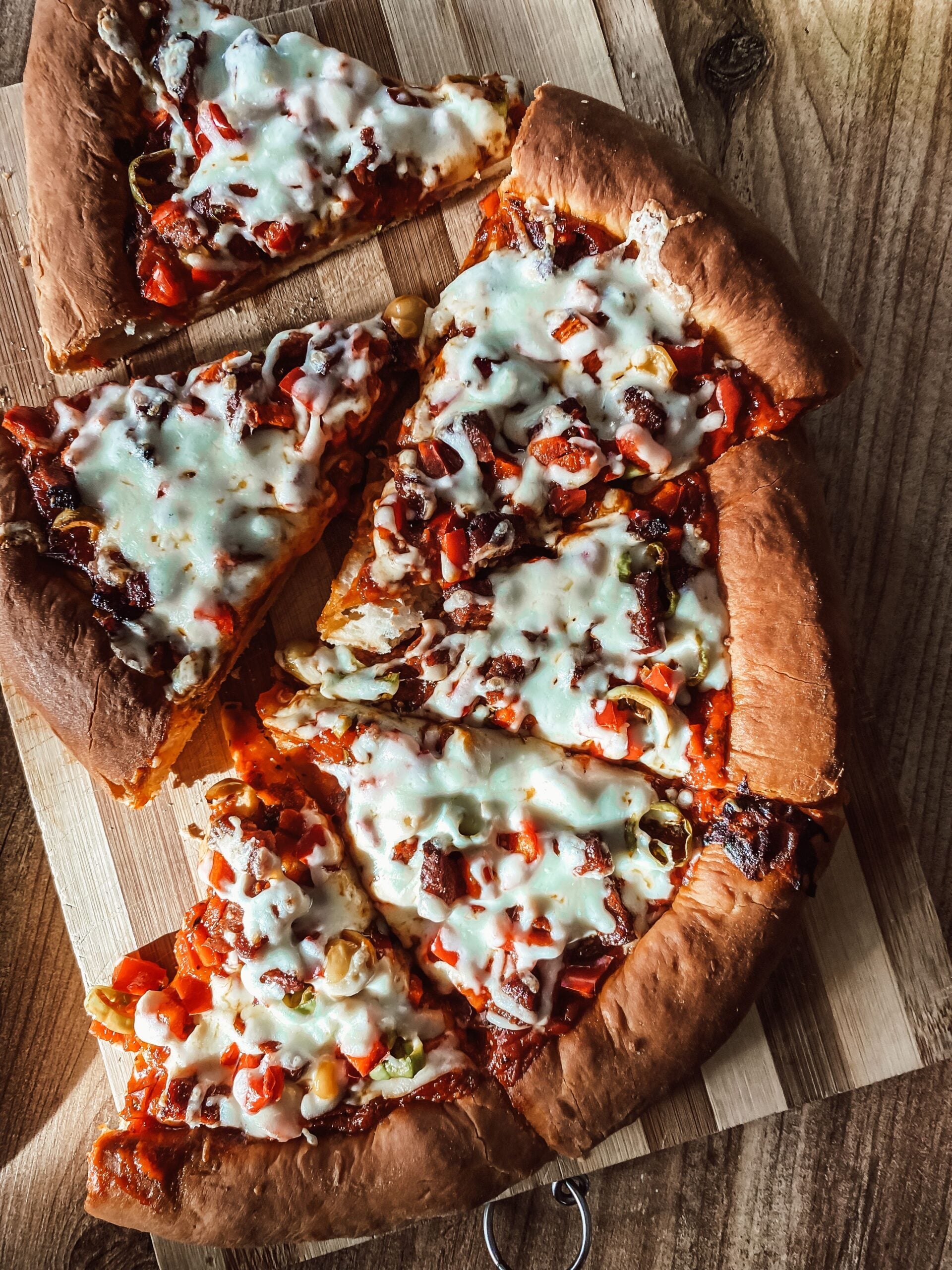
Cold pizza is one of the clearest examples of what an air fryer does well. A microwave heats the slice quickly, but it often leaves the crust soft and the cheese uneven. In an air fryer, the moving hot air helps the crust regain some of its original texture while warming the toppings at the same time.
A practical method is to place slices in a single layer so air can circulate. Many home cooks use a temperature around 350 degrees Fahrenheit for just a few minutes, which is usually enough for a standard slice. The result is not exactly fresh from the pizzeria, but it is often much closer than what you get from a microwave or a low oven.
This same approach works for other leftovers that should stay crisp, including fried chicken, roasted vegetables, and quesadillas. The key idea is simple: foods that suffer from trapped steam usually reheat better in an air fryer.
Roast vegetables with browned edges
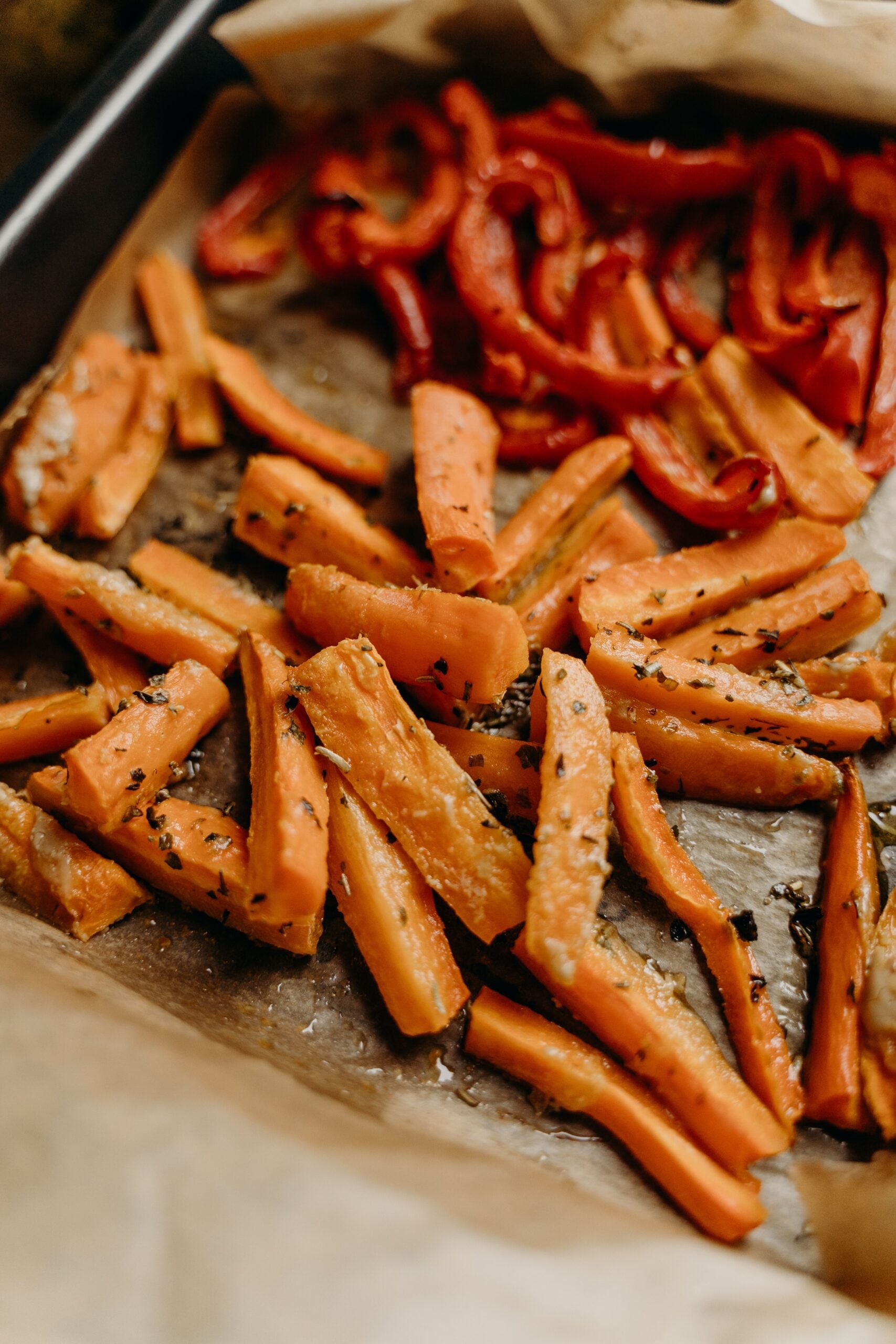
An air fryer is essentially a compact convection oven, which means it is very good at roasting vegetables. Brussels sprouts, broccoli, cauliflower, carrots, and green beans all benefit from hot circulating air that promotes browning on the outside while keeping the inside tender.
Because the cooking chamber is small, preheating is usually quick and the vegetables can start browning faster than they would on a large sheet pan in a standard oven. A light coating of oil helps, and crowding the basket too much can block airflow, so smaller batches often cook more evenly.
This is especially useful on busy weeknights. You can make a side dish in well under 20 minutes, and many vegetables need only a shake halfway through to expose more surface area to the heat. That browned, slightly crisp exterior is where much of the flavor develops.
Cook salmon with a crisp top and tender center
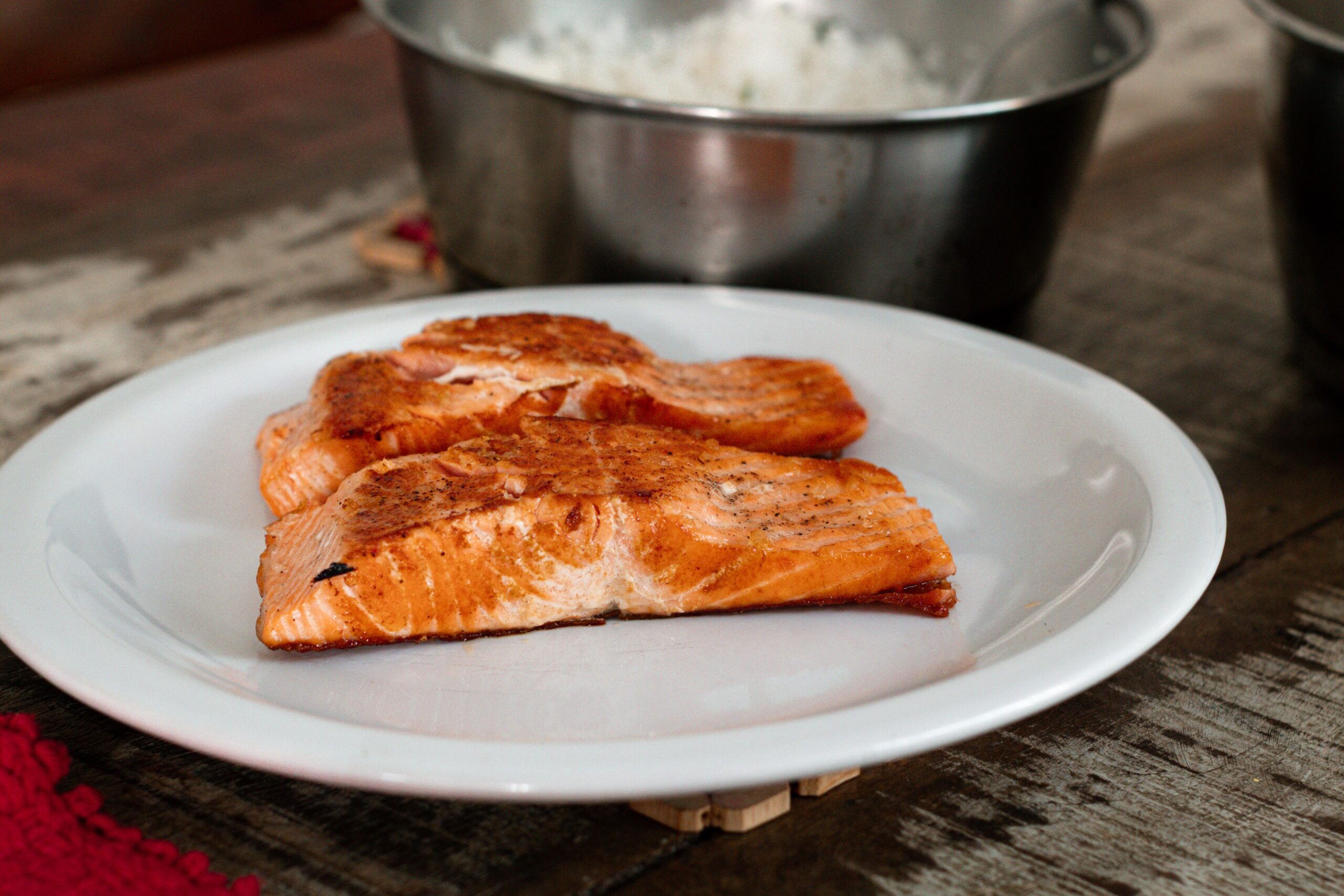
Fish can seem delicate, but salmon is particularly well suited to air frying. Its natural fat helps protect it from drying out, and the concentrated heat can give the surface light browning while the interior stays moist. That combination is harder to achieve in a pan without watching it closely.
Thickness matters more than the clock. A fillet that is about 1 inch thick will cook differently from a thin tail piece, so visual cues help. The flesh should flake easily with a fork, and food safety guidance from the USDA says fish should reach 145 degrees Fahrenheit.
Air frying also reduces cleanup compared with stovetop cooking. Lining the basket with a perforated parchment liner made for air fryers can help with sticking, as long as airflow is not blocked. A simple glaze, such as mustard or miso, can caramelize nicely in the last minutes.
Bake small batch desserts
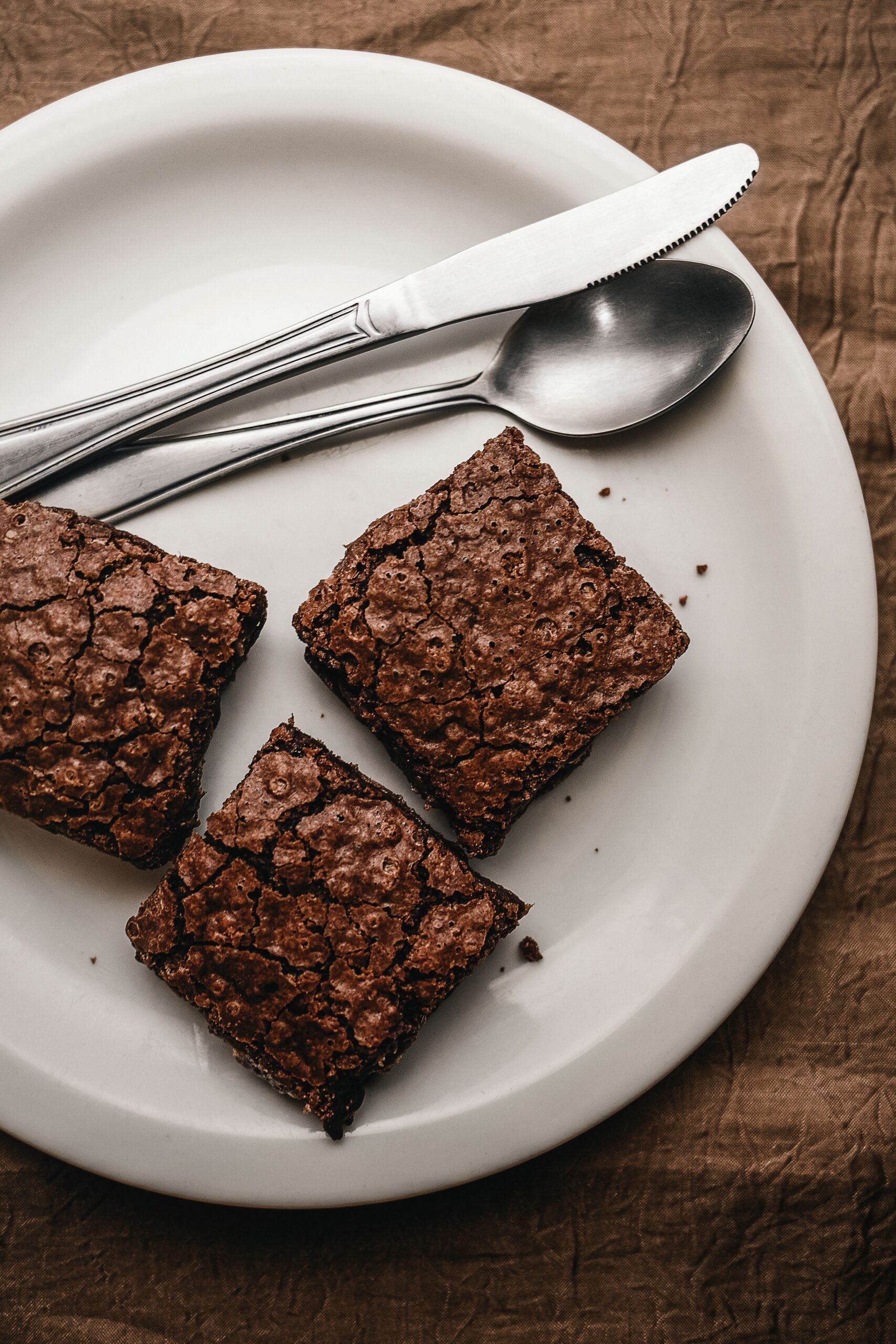
One overlooked strength of an air fryer is baking in compact portions. Because it heats quickly and uses a small cavity, it can handle cookies, brownies, hand pies, and individual cakes without warming the whole kitchen. That makes it especially appealing in hot weather or for small households.
The main adjustment is pan size. Recipes need ramekins, small cake pans, or other bakeware that fits the basket safely. Air fryers also tend to brown the top quickly, so a slightly lower temperature than a conventional oven recipe often helps keep desserts from overbaking before the center is done.
This is where the machine feels surprisingly versatile. A single baked apple or two chocolate chip cookies may not justify preheating a full oven, but an air fryer can make that sort of small treat practical.
Toast nuts and seeds fast
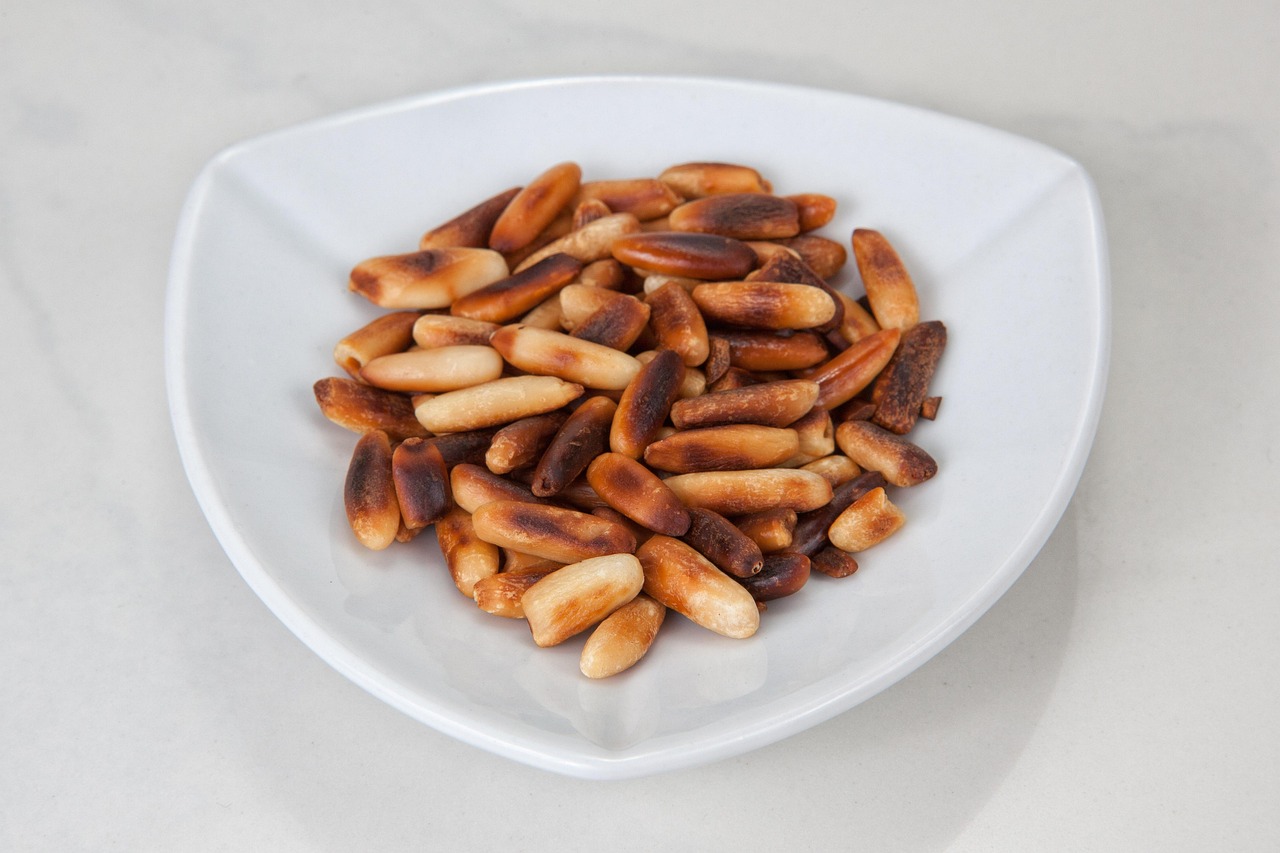
Nuts and seeds can go from pale to fragrant in a short window, which is why the air fryer suits them well. Almonds, pecans, walnuts, pumpkin seeds, and sunflower seeds all toast quickly thanks to the constant circulation of heat around their surfaces.
This speed is useful, but it also means attention matters. Smaller items can brown unevenly or even scorch if left too long, so short cooking bursts and frequent stirring are smart. A light seasoning of salt, cinnamon, or a touch of sugar can be added before or right after toasting, depending on the recipe.
Once cooled, toasted nuts and seeds add more than crunch. They bring stronger aroma and deeper flavor to salads, yogurt, oatmeal, and baked goods, making a quick air fryer step pay off across several meals.
Revive stale bread and pastries

Not every loaf or croissant needs to be written off after a day on the counter. The dry heat and airflow inside an air fryer can help restore some life to bread products by warming them through and crisping the outer layer without making them soggy.
This works best as a short refresh, not a full rescue for bread that is truly old or dried out. A baguette, dinner roll, or croissant can often benefit from just a few minutes. For very dry bread, a tiny bit of moisture on the surface before heating can help create a better balance between crust and interior.
Pastries also benefit. Day old danishes and turnovers often lose their contrast between flaky exterior and soft filling, and the air fryer can bring some of that contrast back better than a microwave can.
Hard cook eggs with no pot of water
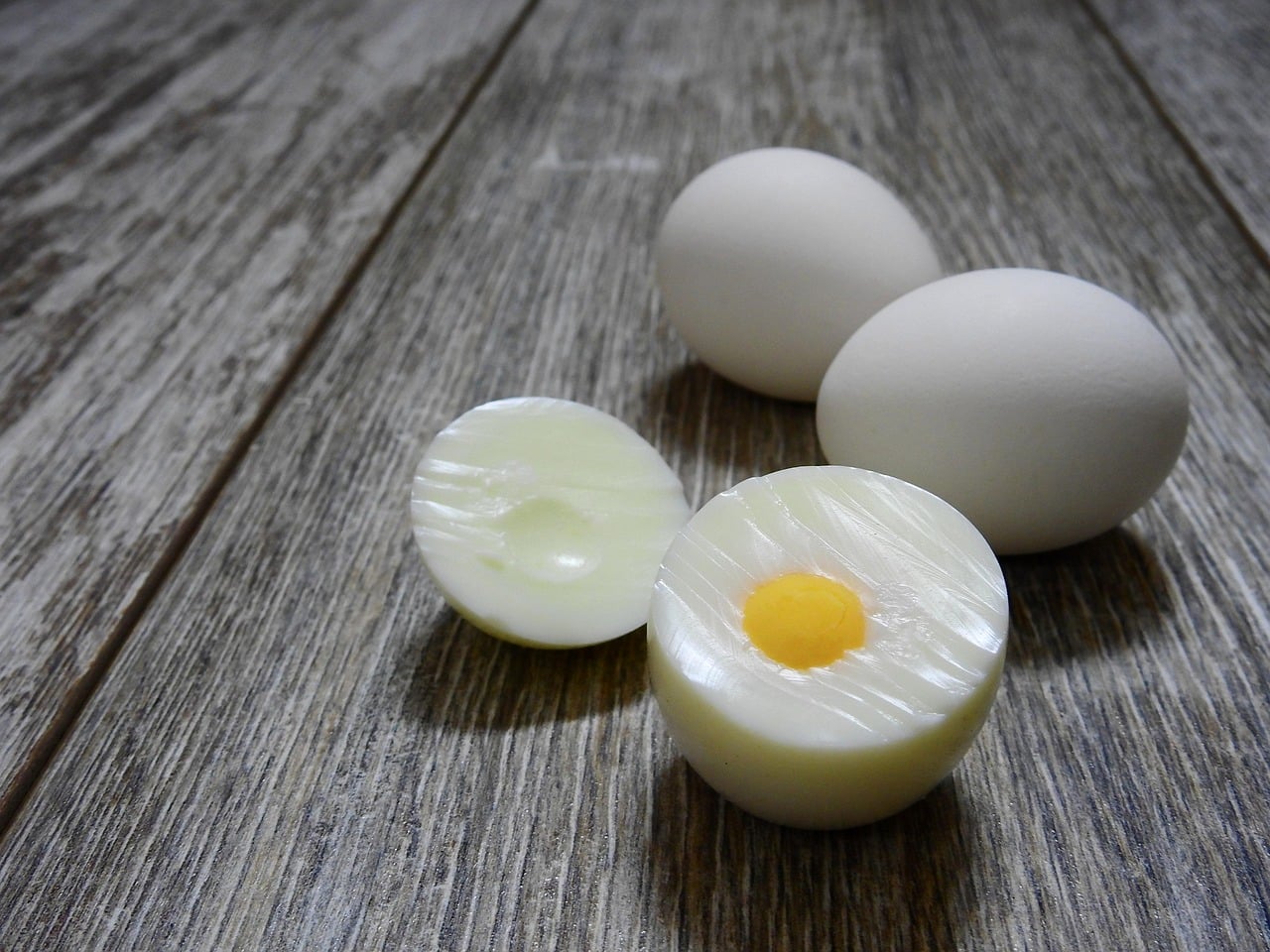
One of the more surprising air fryer uses is cooking eggs in the shell. Instead of boiling water, you place the eggs in the basket and let the hot air do the work. Results can vary by model, but many cooks use this method successfully for hard cooked eggs.
Because air fryers differ in fan strength and temperature accuracy, timing is less universal here than with something like frozen fries. It helps to test a small batch first and move the eggs to an ice bath after cooking to make peeling easier and to slow carryover cooking.
The payoff is convenience. When the stovetop is busy or you simply do not want to monitor a pot, the air fryer offers another route to egg salad, sliced eggs for grain bowls, or a quick protein to keep in the fridge.

Leave a Reply