
A good chef is rarely just cooking one dish. In real kitchens, the same meal often gets reshaped again and again to fit the person at the table, from a picky child to an athlete with recovery goals. These smart adjustments are not random tweaks. They reflect nutrition, texture, appetite, safety, culture, and the simple fact that food feels best when it meets people where they are.
For a Young Child

For a child, the chef usually begins with familiarity. The same meal is often broken into simple, easy-to-recognize parts, with milder seasoning, softer textures, and a presentation that feels approachable rather than busy. A composed plate for adults might become neatly separated bites for a younger eater.
Portion size matters just as much as flavor. Chefs know children can be overwhelmed by large servings, strong aromas, or mixed textures, so they scale down and keep the plate visually calm. Crunchy garnishes may disappear, sauces may be served on the side, and spicy heat is usually removed. The goal is not to "dumb down" the food. It is to make the same meal feel safe, manageable, and enjoyable.
For an Athlete
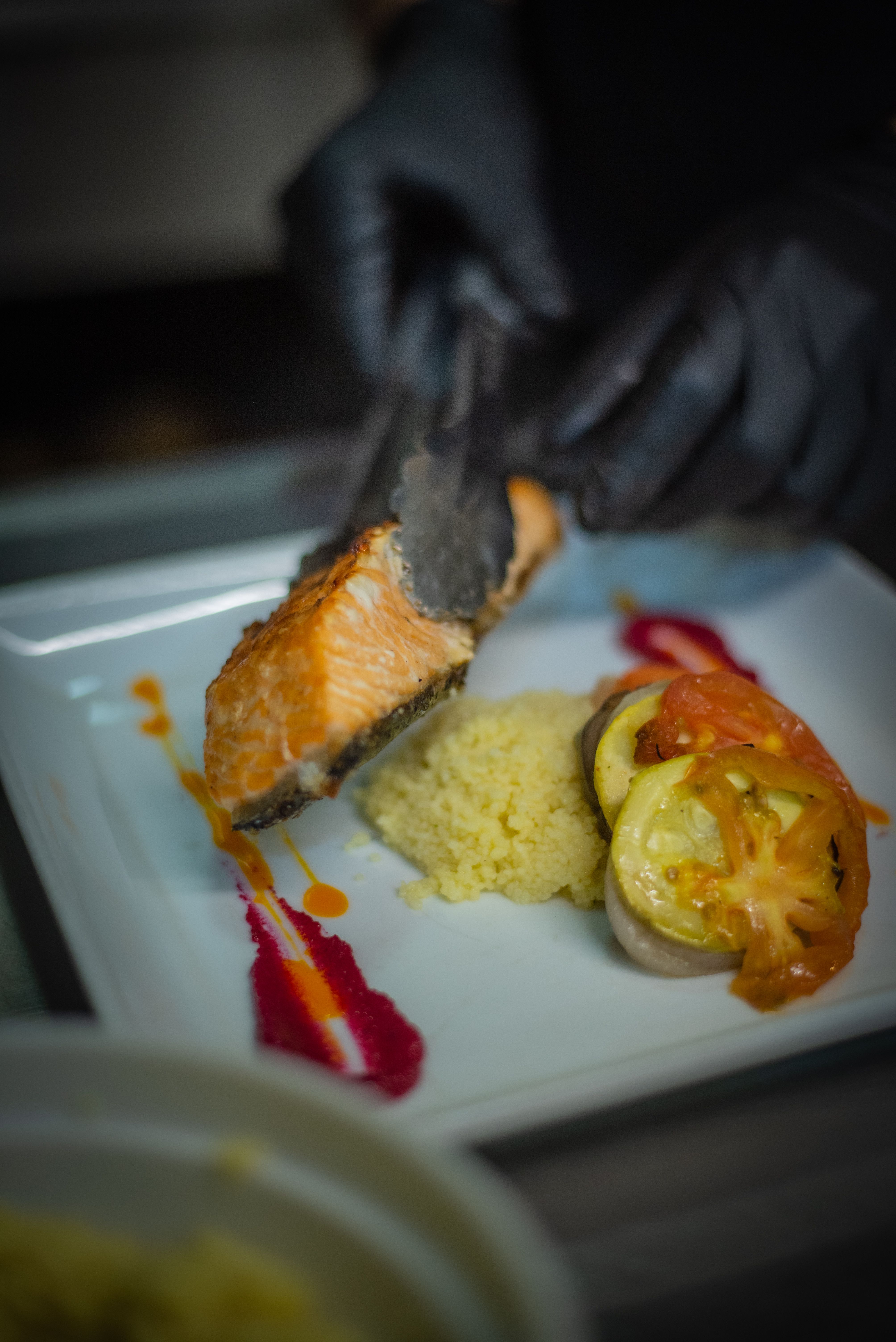
When the diner is an athlete, the same meal gets built around function. Chefs often increase lean protein, adjust carbohydrate levels, and keep the cooking method clean, using grilling, roasting, steaming, or light sautéing to support energy and recovery without making the dish feel heavy.
Timing can shape the plate too. A pre-event meal may lean toward easy-to-digest starches and moderate seasoning, while a post-workout version often brings more protein, hydration-friendly produce, and enough salt to replace what was lost in sweat. Rich creams and excess fat are usually reduced because they can slow digestion. The plate still needs to taste great, but every choice is working harder behind the scenes.
For an Older Adult

Cooking for an older adult often means paying close attention to comfort and ease. The same meal may be softened, cut into smaller pieces, or cooked a little longer so it is easier to chew, while still keeping its shape and dignity on the plate. Good chefs know that texture can decide whether a meal is satisfying or frustrating.
Flavor also gets thoughtful adjustment. As taste and smell can change with age, chefs may brighten dishes with herbs, citrus, or a little extra seasoning instead of relying only on salt. They also watch portion size, since appetite can be smaller, and make sure the meal is nutrient-dense rather than bulky. The result is a plate that feels generous without being exhausting to finish.
For Someone With Food Allergies
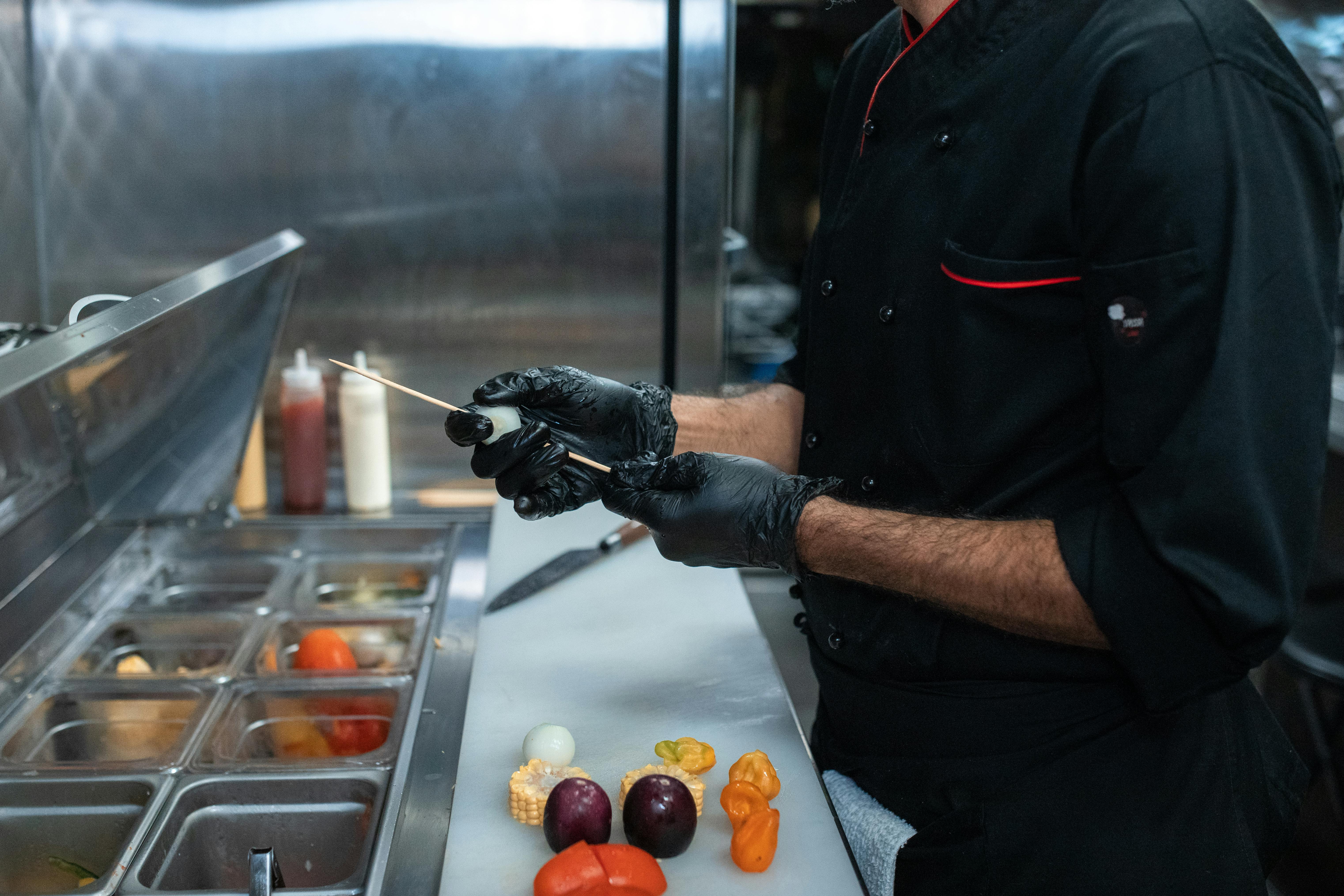
For a guest with food allergies, the biggest shift is not just ingredients but process. The same meal may look similar on the plate, yet it often requires separate tools, clean surfaces, fresh gloves, and carefully verified components to avoid cross-contact. In a professional kitchen, that level of control is as important as the recipe itself.
Chefs often swap ingredients with close attention to structure and taste. Butter may become olive oil, wheat-based elements may be replaced with gluten-free alternatives, and nuts or dairy may be omitted without making the dish feel like an afterthought. Done well, the meal still feels complete and intentional. Safety comes first, but flavor cannot disappear if the chef wants the guest to feel fully included.
For a Vegetarian or Vegan Diner
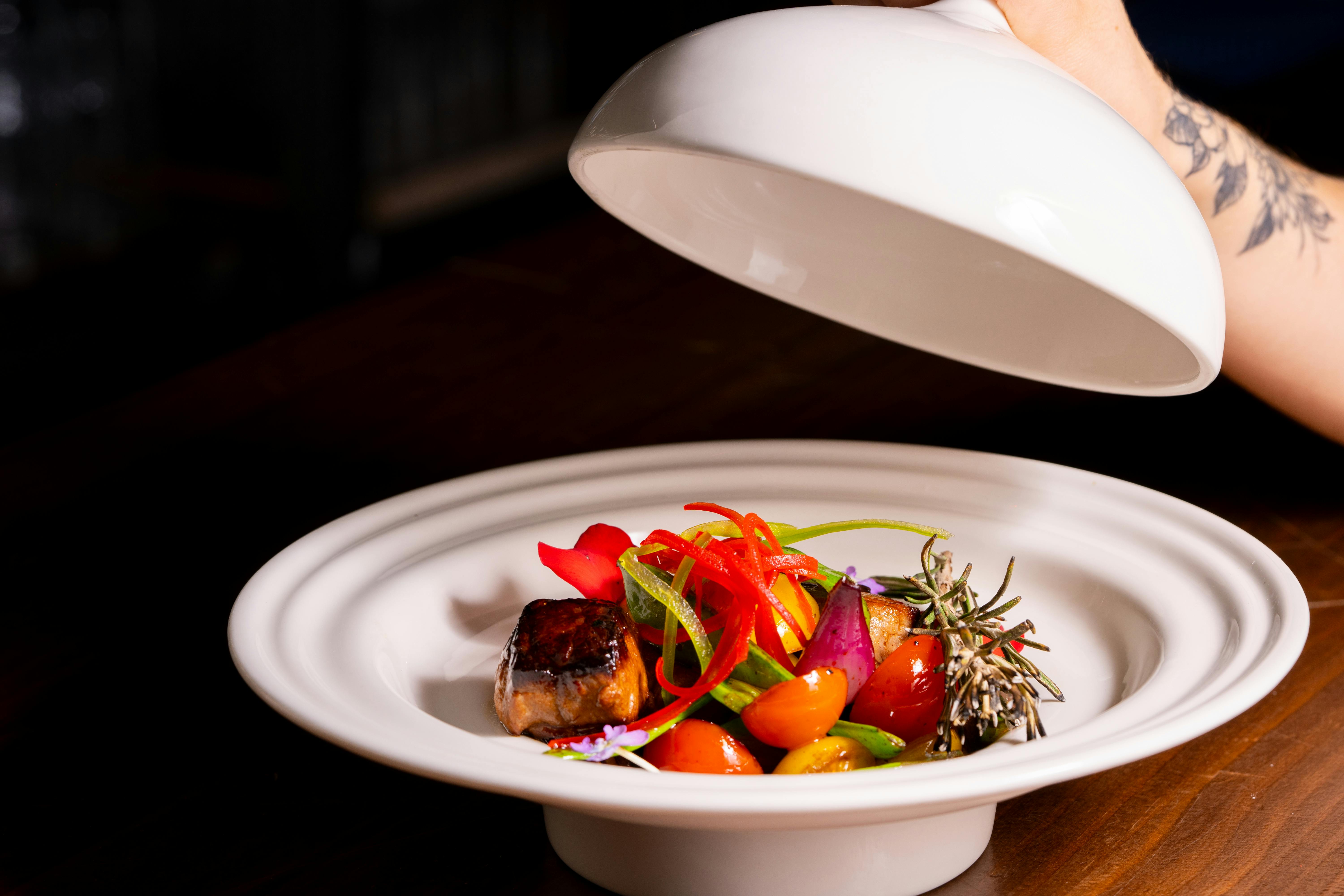
When the diner skips meat or all animal products, chefs have to rethink the center of the plate. The same meal is not simply stripped down. It is rebuilt so that protein, richness, and satisfaction come from beans, lentils, tofu, mushrooms, grains, nuts, seeds, or well-developed vegetable components.
The smartest versions focus on depth, not imitation. Stocks may change, dairy-based sauces may be replaced, and umami often comes from roasted vegetables, tomato, miso, or caramelization instead of meat. Texture is especially important because a vegan or vegetarian plate should still feel substantial. A chef who understands that can make the same meal feel every bit as complete, layered, and restaurant-worthy as the original version.
For a Person Watching Sodium or Sugar
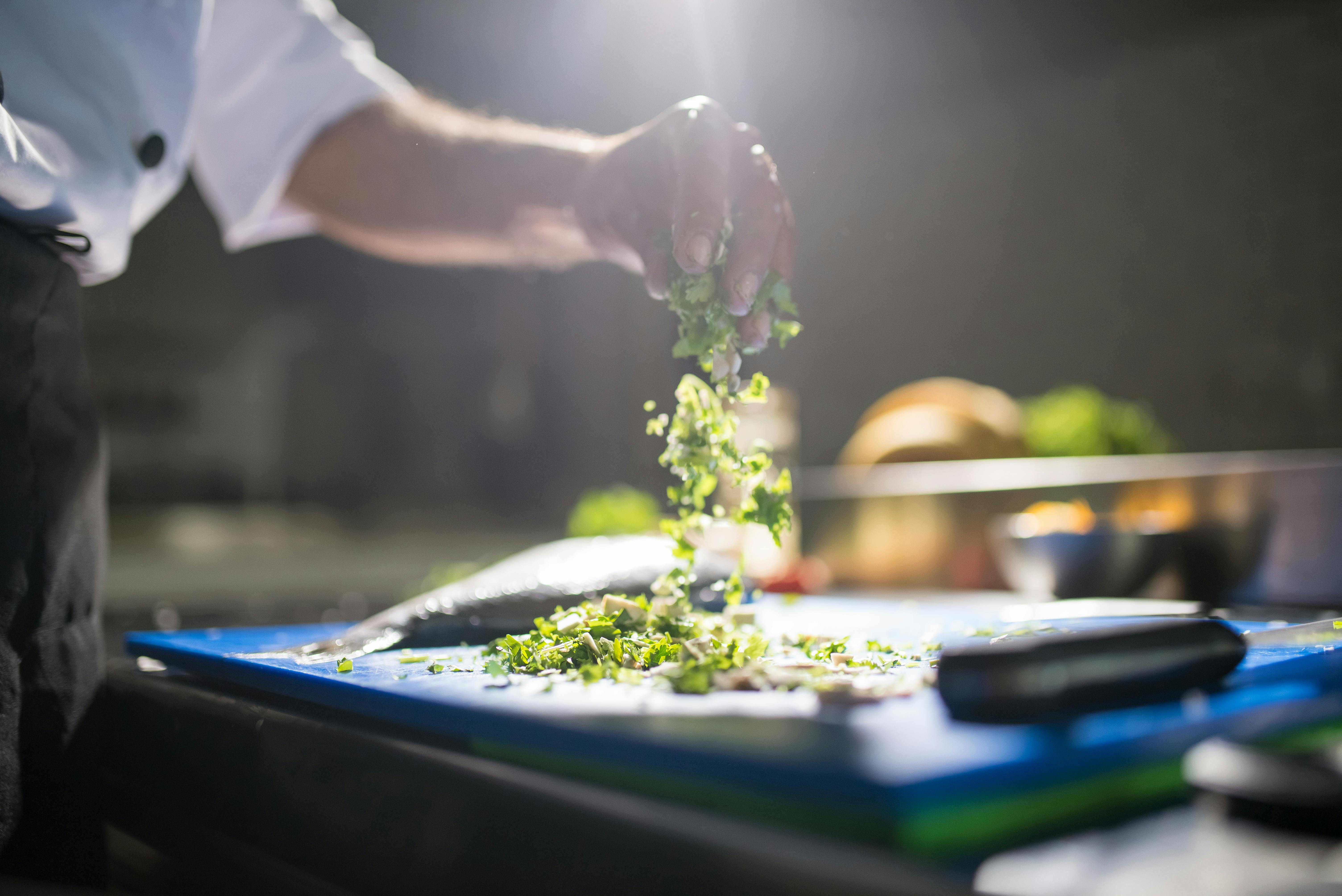
For diners managing blood pressure, diabetes, or other health concerns, chefs often make careful, quiet changes. The same meal may be prepared with less added salt or sugar, but that does not mean it has to taste flat. Acid, herbs, spices, aromatics, and roasting can all build flavor without leaning so hard on the usual shortcuts.
Balance becomes the main strategy. Sauces may be reduced differently, sweet glazes may be replaced with savory ones, and refined starches may give way to vegetables, legumes, or whole grains depending on the dish. Portion control also plays a role, especially with calorie-dense sides. The best chefs understand that these adjustments are not about deprivation. They are about keeping the meal enjoyable while supporting a real health goal.
For a Luxury-Seeking Guest
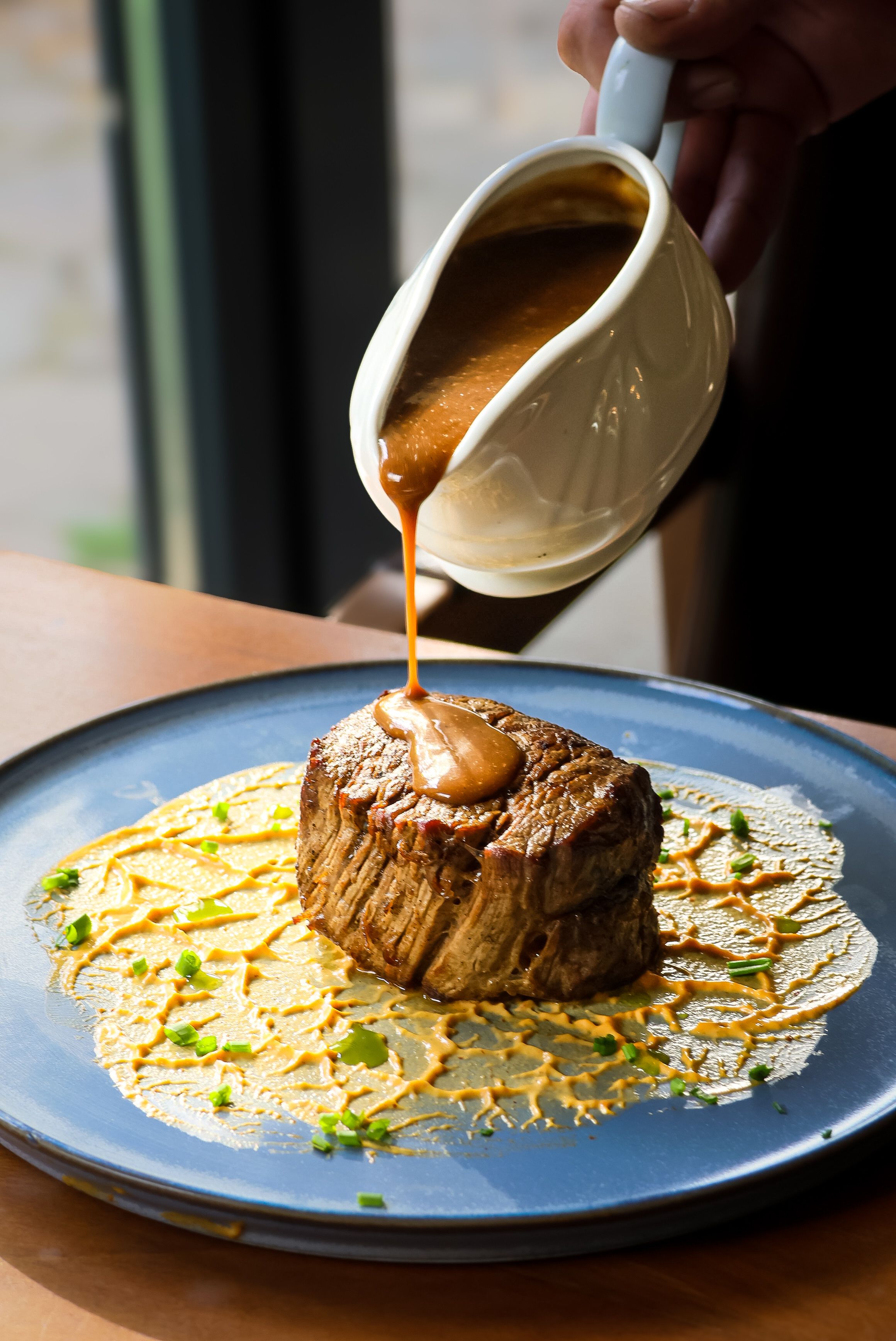
Some diners want the meal to feel indulgent, and chefs know exactly how to turn the same dish in that direction. They may use higher-grade cuts, richer sauces, extra butter, more precise garnish work, or premium additions like truffles, caviar, shellfish, or aged cheese to create a sense of occasion.
This version is often about detail as much as ingredients. Portions may be smaller but more refined, with tighter plating, stronger contrast, and a finish that feels polished from first glance to last bite. Texture gets amplified through crisp toppings, silky purées, or glossy reductions. It is still the same core meal, but the chef is dialing up rarity, craftsmanship, and visual drama because for this guest, pleasure is part of the purpose.




Leave a Reply