
Creme brulee has a reputation for being restaurant-only dessert, but its structure is surprisingly straightforward: a rich custard base and a thin layer of caramelized sugar. These six versions show how a familiar dessert can shift from classic to seasonal with just one or two thoughtful changes.
Classic vanilla creme brulee
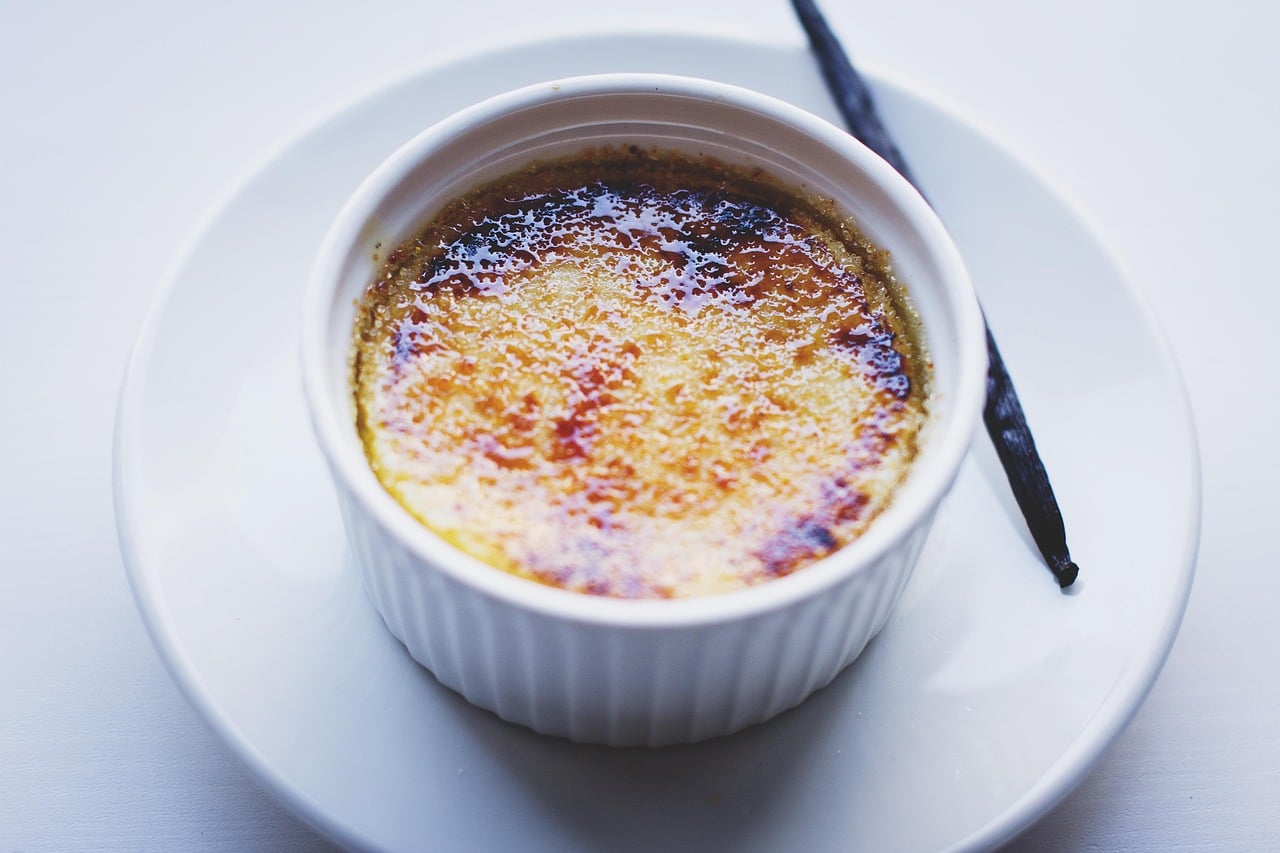
The standard version earns its place first because it shows exactly why this dessert has lasted. Heavy cream, egg yolks, sugar, and vanilla create a custard that tastes rich without feeling overly busy.
Most recipes rely on baking the ramekins in a water bath, which simply means placing them in a larger pan with hot water around them. That gentle heat helps the custard cook evenly and keeps the texture smooth instead of curdled.
The finish is the whole point. A thin layer of sugar on top, melted until amber and glassy, gives creme brulee its contrast. When the spoon breaks through, the crisp shell meets cool custard underneath, and that texture is what makes the classic version so satisfying.
Chocolate creme brulee
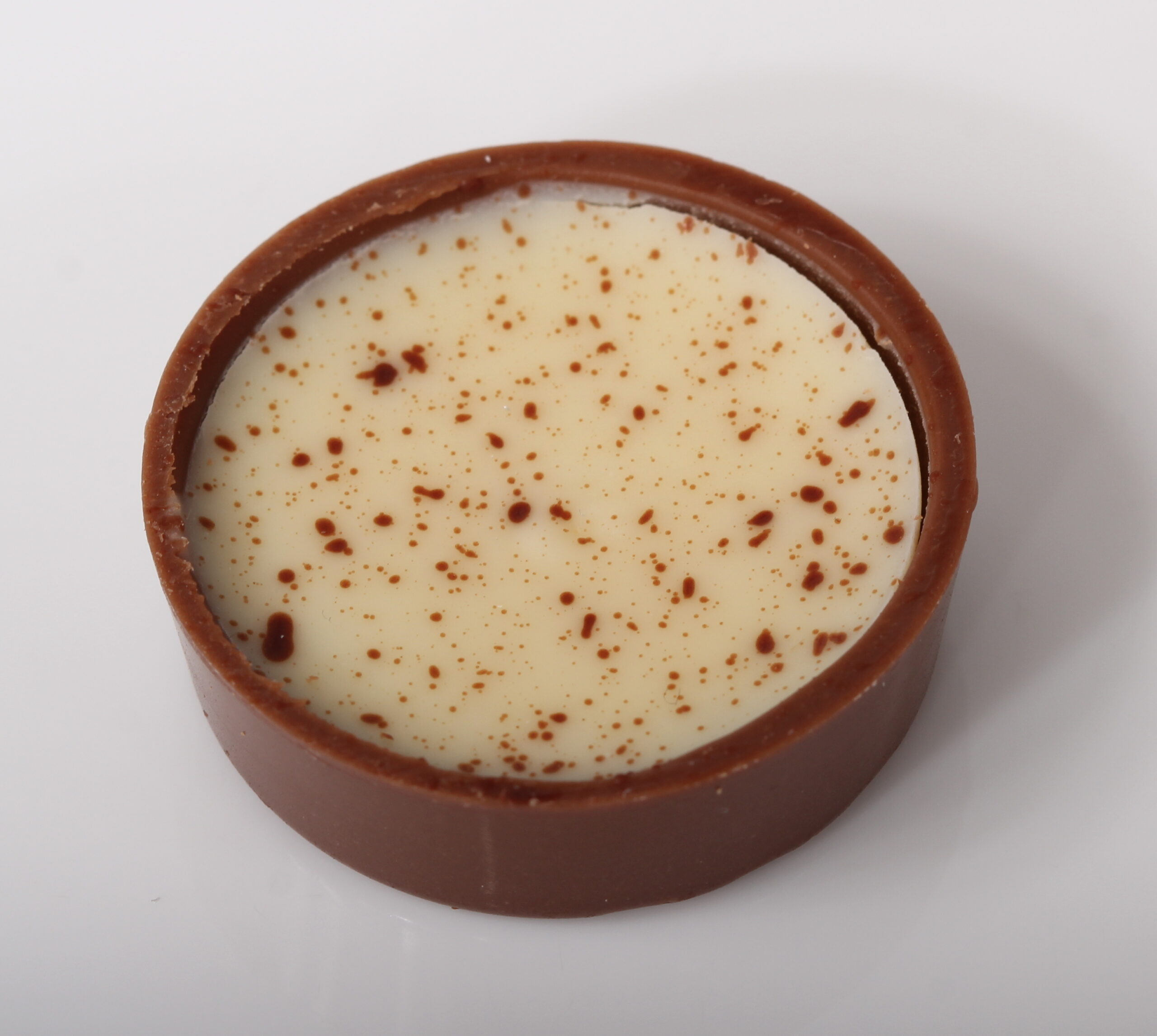
Chocolate creme brulee keeps the same custard structure but adds melted chocolate or cocoa for a deeper, more bittersweet flavor. It feels denser than the vanilla version, though the best recipes still keep the center soft and silky.
Dark chocolate usually works better than very sweet milk chocolate because the custard already contains cream and sugar. That balance matters, especially once the brûléed topping adds another hit of sweetness.
This is also one of the easiest versions to pair with toppings that make visual sense in a photo. A few chocolate curls, a dusting of cocoa, or a small pinch of flaky salt can sharpen the flavor without changing the dessert's essential identity.
Orange creme brulee
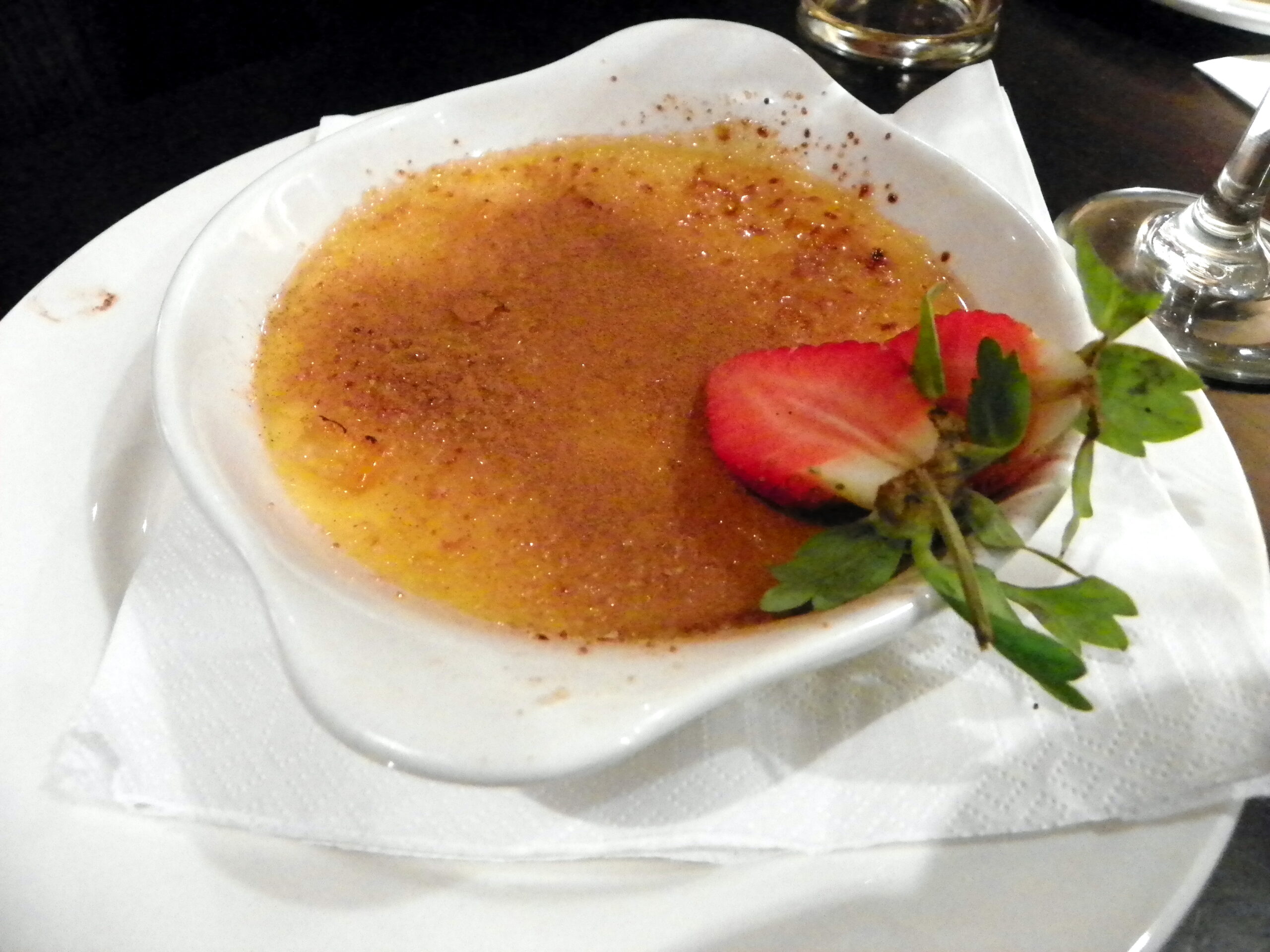
Citrus changes creme brulee in a subtle but useful way. Orange zest adds fragrance more than sharpness, so the custard still tastes rich, but it feels brighter and less heavy on the palate.
Many recipes infuse the cream with strips of orange peel before baking. That technique pulls aromatic oils into the base and spreads the flavor more evenly than juice alone, which can thin the custard if too much is added.
The result is a dessert that feels especially good after a full meal. The caramelized top still provides the familiar crack, but the orange notes give the spoonful a cleaner finish. It is a small adjustment that makes a familiar dessert feel more polished.
Espresso creme brulee
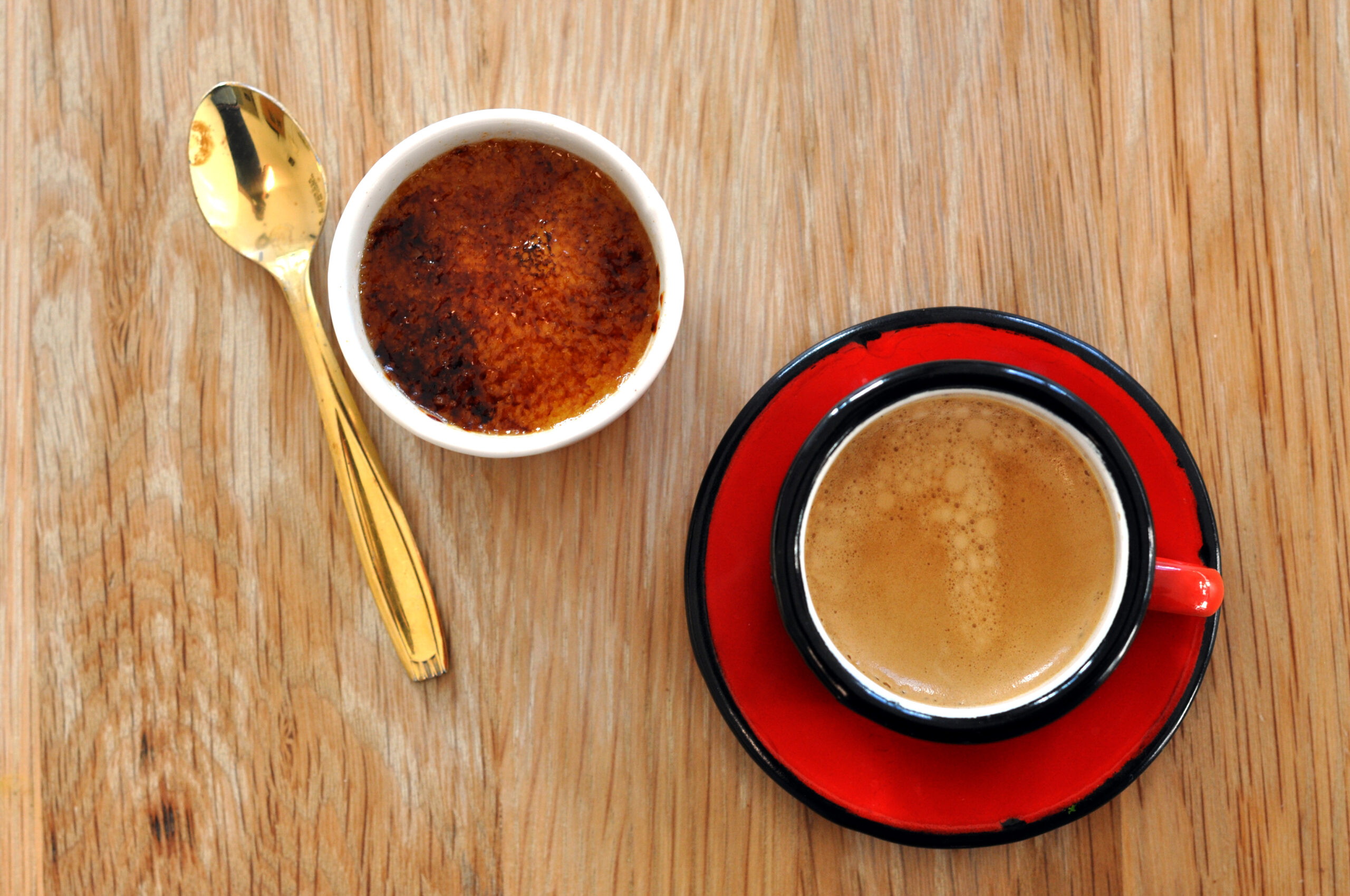
Coffee and custard are a natural match because both benefit from bitterness used in moderation. Espresso creme brulee brings in roasted flavor that cuts through the cream and gives the dessert a more grown-up profile.
Some recipes use instant espresso powder, while others steep whole beans or add brewed espresso. Powder often gives the strongest flavor without adding extra liquid, which helps preserve the custard's texture.
This version also works well as a dinner-party dessert because it feels distinct without requiring extra garnish. The glossy sugar top and pale mocha custard already tell the story. For people who find standard creme brulee a little too sweet, coffee often solves that problem neatly.
Raspberry creme brulee
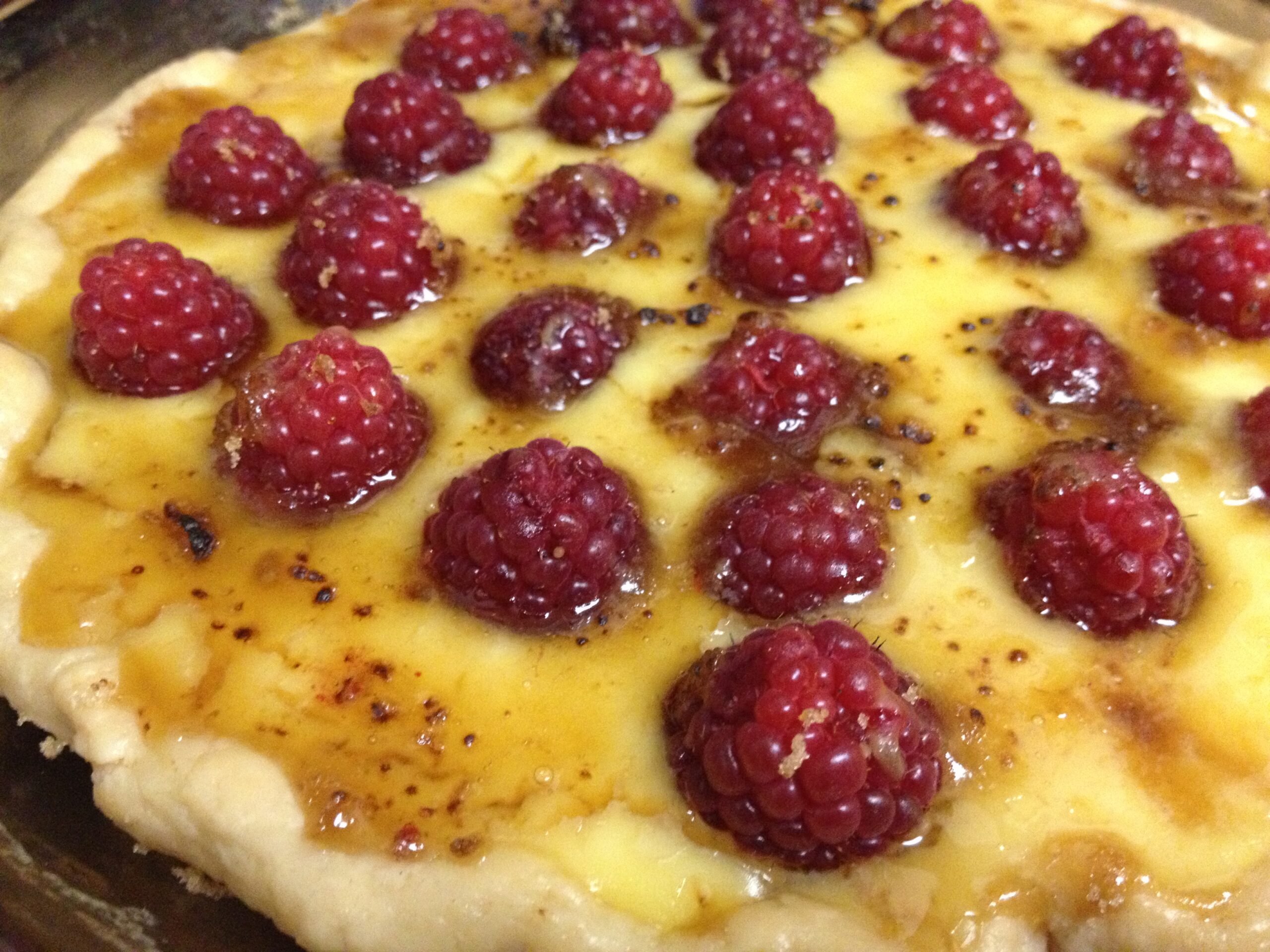
Berry-based creme brulee adds color and contrast that the classic lacks. Raspberries bring tartness, which helps balance the richness and gives each bite a fresher edge.
Some recipes spoon raspberry puree into the base, while others place a small layer of fruit at the bottom of the ramekin. Either approach can work, but the fruit should be controlled carefully so the custard still sets properly.
It is also one of the most photographable versions because the red fruit stands out against the pale custard and burnished sugar top. That visual payoff is not just decorative. The tart berry flavor makes the dessert taste lighter than its cream content would suggest.
Pumpkin creme brulee
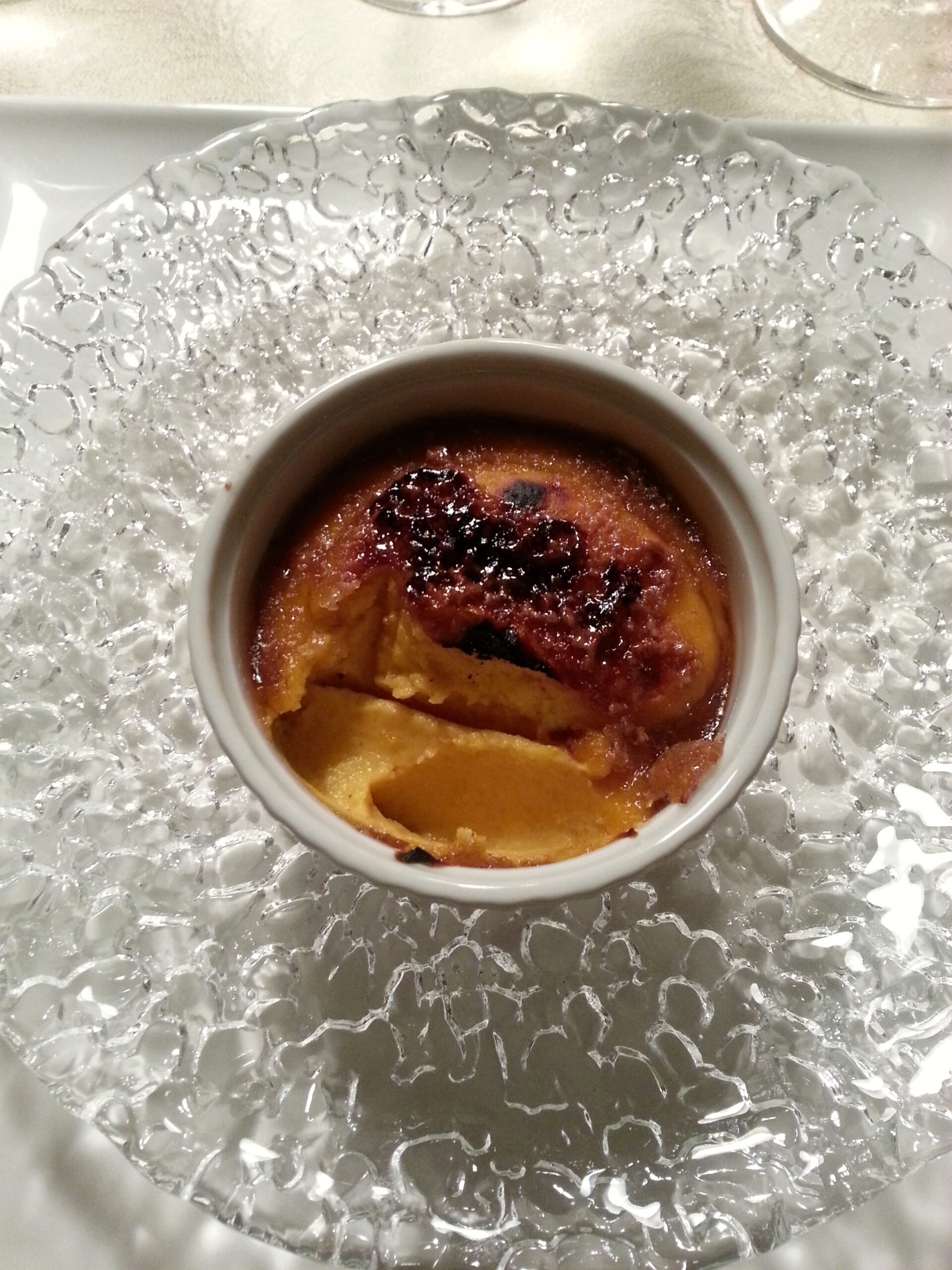
Pumpkin creme brulee lands well in colder months, but its appeal goes beyond seasonality. Pumpkin puree adds body, while spices such as cinnamon, nutmeg, or ginger can make the custard feel warmer and more aromatic.
The main challenge is restraint. Too much puree can make the texture heavy, and too much spice can push the dessert into pie filling territory instead of keeping the refined character creme brulee is known for.
When balanced carefully, this version delivers a satisfying close to the lineup. It keeps the crisp sugar crust that defines the dessert, but adds a softly earthy flavor underneath. That combination feels familiar, comforting, and just different enough to be memorable.


Leave a Reply