
When a Timbit run is not happening, the easiest substitute is a small-batch doughnut hole you can finish in familiar flavors at home. These five Timbit-inspired recipes focus on recognizable styles and practical techniques, so each one feels doable and photo-ready in a regular kitchen.
Classic glazed doughnut holes

The closest homemade stand-in for a plain glazed Timbit is a yeast or baking powder doughnut hole finished with a simple sugar glaze. The visual cue matters here: a smooth, lightly shiny coating gives that coffee-shop look people expect from a classic bite-size doughnut.
For a home version, many cooks use a soft enriched dough or a quick batter, then fry small portions until golden. Frying creates the most familiar texture, with a thin outer shell and tender center. If you want less mess, baked doughnut holes can still work, though they will be slightly more cakey.
A basic glaze usually combines icing sugar, milk and vanilla. The trick is dipping while the doughnut holes are still a little warm, which helps the coating set into a thin, even layer instead of a heavy crust.
Chocolate cake bites
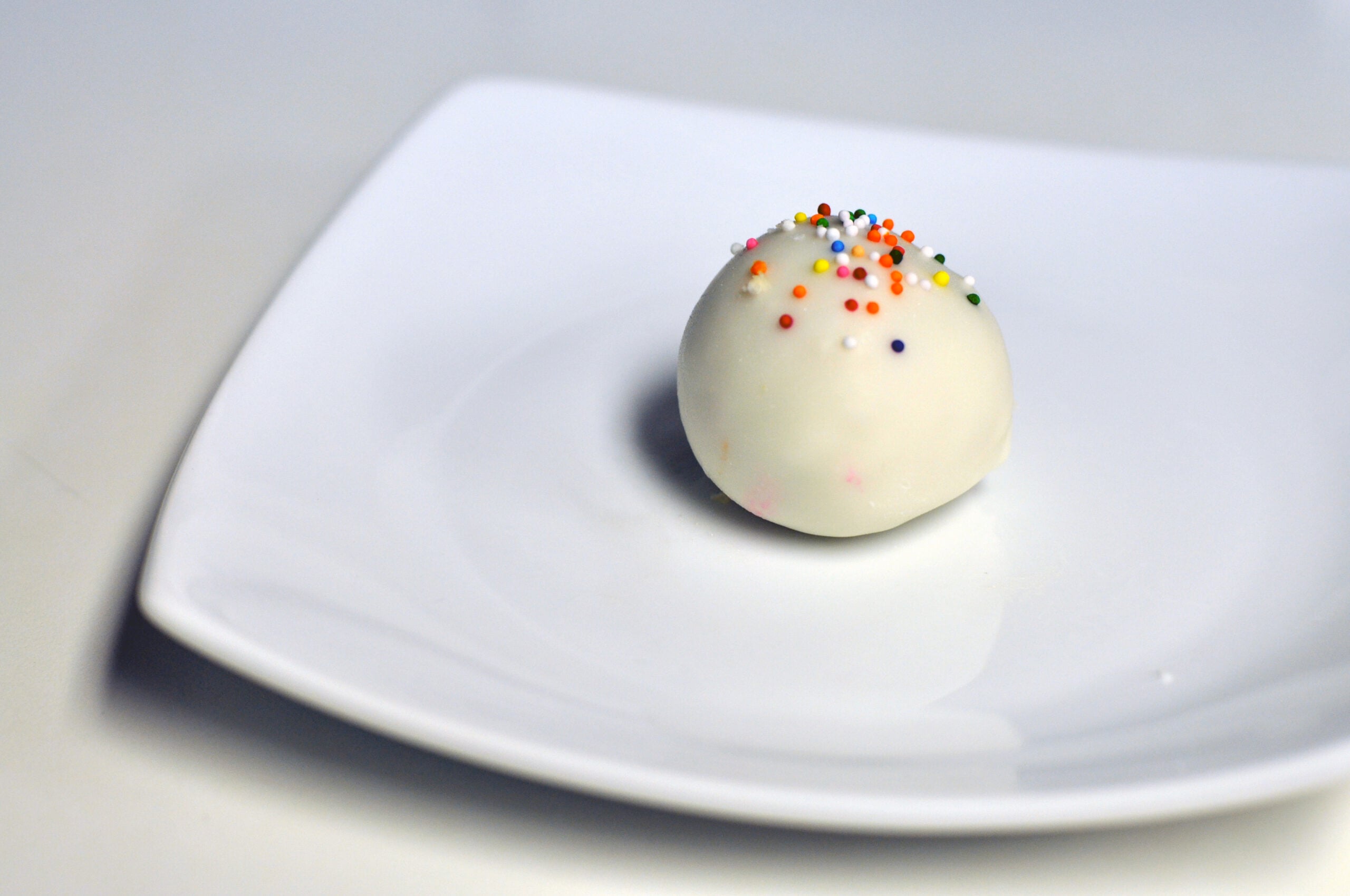
Chocolate Timbits are usually remembered for their denser crumb and deeper cocoa flavor, so a cake-style doughnut hole is the best match. This style relies on flour, cocoa powder, sugar, eggs and a leavening agent, creating a texture that holds together well and photographs beautifully once split open.
Baking is especially useful here because chocolate batter can be softer and stickier than plain dough. A mini muffin pan often gives the neatest results at home. Once baked, the bites can be left plain or finished with a chocolate glaze made from cocoa, icing sugar and a small amount of milk.
A pinch of salt and a little vanilla help round out the chocolate flavor. If you want a finish that reads more like a bakery treat, add sprinkles or a light dusting of icing sugar after the glaze sets.
Birthday cake sprinkle bites

The birthday cake version leans into color and sweetness more than doughnut-shop tradition. These are usually vanilla-forward, soft in the middle and covered or topped with rainbow sprinkles, which makes them one of the easiest Timbit-inspired options to style for a party tray or weekend dessert.
A simple vanilla cake dough works well, especially if you fold sprinkles into the batter near the end so the colors do not bleed too much. Baked versions are common for this style because they keep the crumb light and make portioning easy.
For the finish, a vanilla glaze is enough, but a thicker icing gives the sprinkles more grip. The result is less about perfect authenticity and more about capturing the fun, familiar look and flavor people associate with celebratory doughnut bites.
Apple cinnamon fritter bites
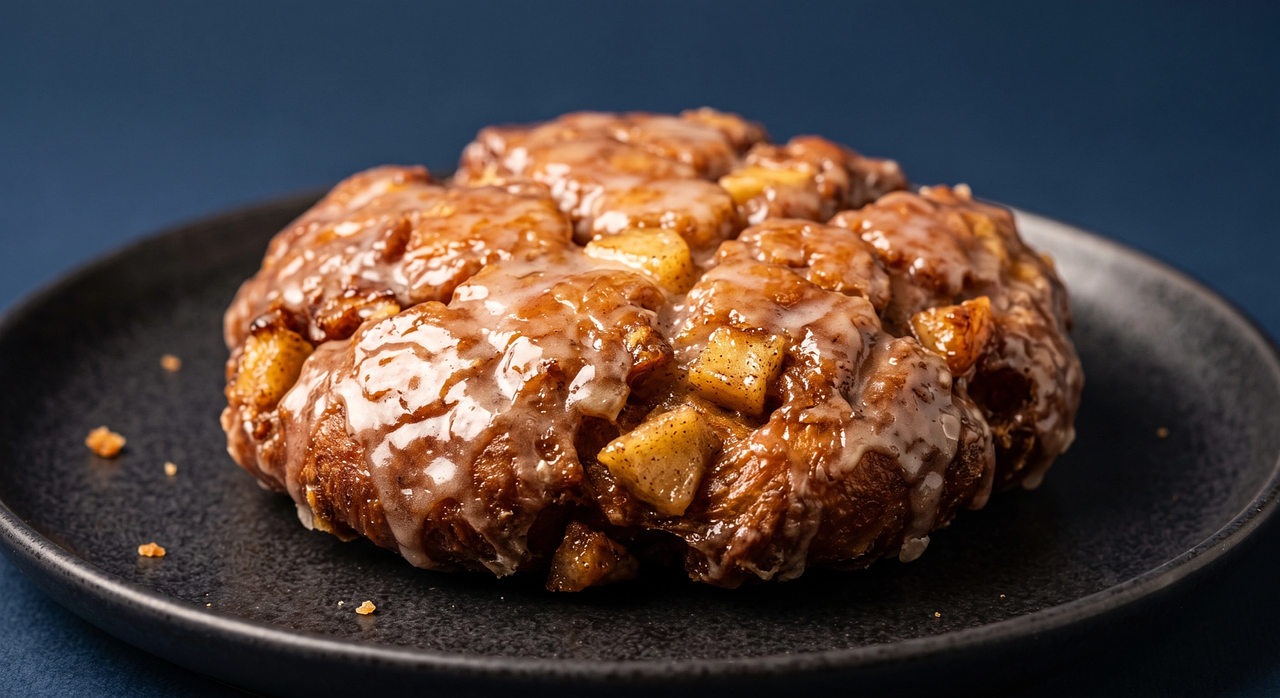
Apple fritter flavors translate well to a Timbit-inspired recipe because the format is already small and snackable. Instead of aiming for a perfect round shape, this version benefits from a more rustic look, with visible apple pieces and craggy edges that catch glaze and cinnamon sugar.
Most home recipes use chopped apple folded into a spiced batter with cinnamon and sometimes nutmeg. Frying gives the best fritter-like finish, especially when small spoonfuls of batter create uneven ridges and crisp bits around the outside.
A glaze adds the bakery-style shine, but cinnamon sugar can also work if you want a slightly drier coating. The balance to watch is moisture: apples release liquid as they cook, so small pieces help the centers cook through without turning soggy.
Sour cream old-fashioned style
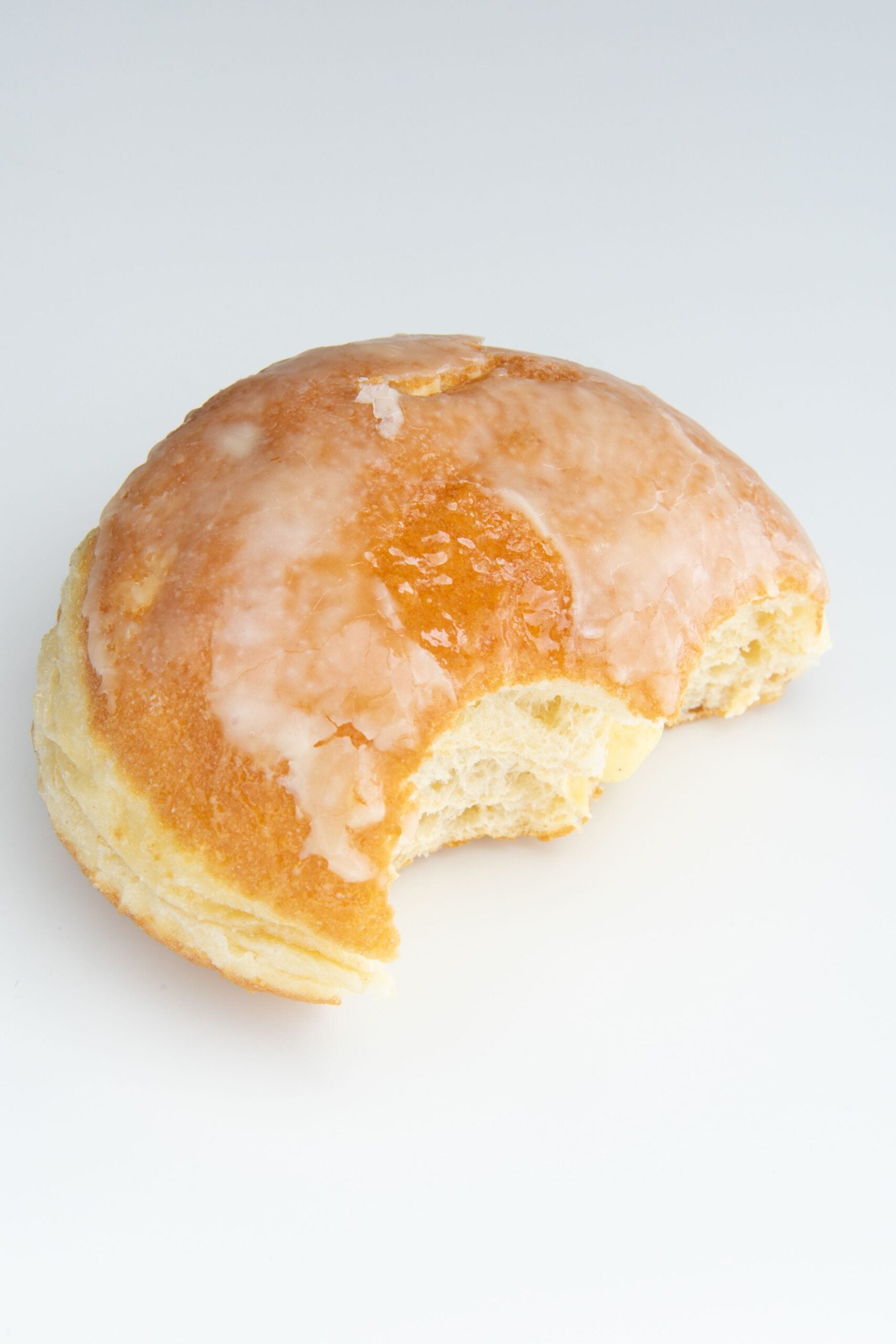
Old-fashioned doughnut holes have a subtle tang and a more structured crumb, which makes sour cream an effective shortcut for a Timbit-inspired version. That dairy tang is what sets this style apart from sweeter cake bites, and it gives the finished batch a flavor that feels a little more grown-up.
The dough or batter is usually thicker than a standard cake mix, helping the rounds hold their shape during frying or baking. Nutmeg is a common addition because it brings the warm, classic doughnut-shop note many people recognize right away.
A thin glaze works best here because it highlights the craggy surface instead of burying it. When done well, these bites feel closest to the old-school coffee-and-doughnut counter tradition that made doughnut holes a lasting favorite in the first place.



Leave a Reply