
Migraines are personal, messy, and often misunderstood. The biggest mistake is treating every suspected trigger as universal when migraine biology rarely works that neatly.
Chocolate May Be More Scapegoat Than Cause
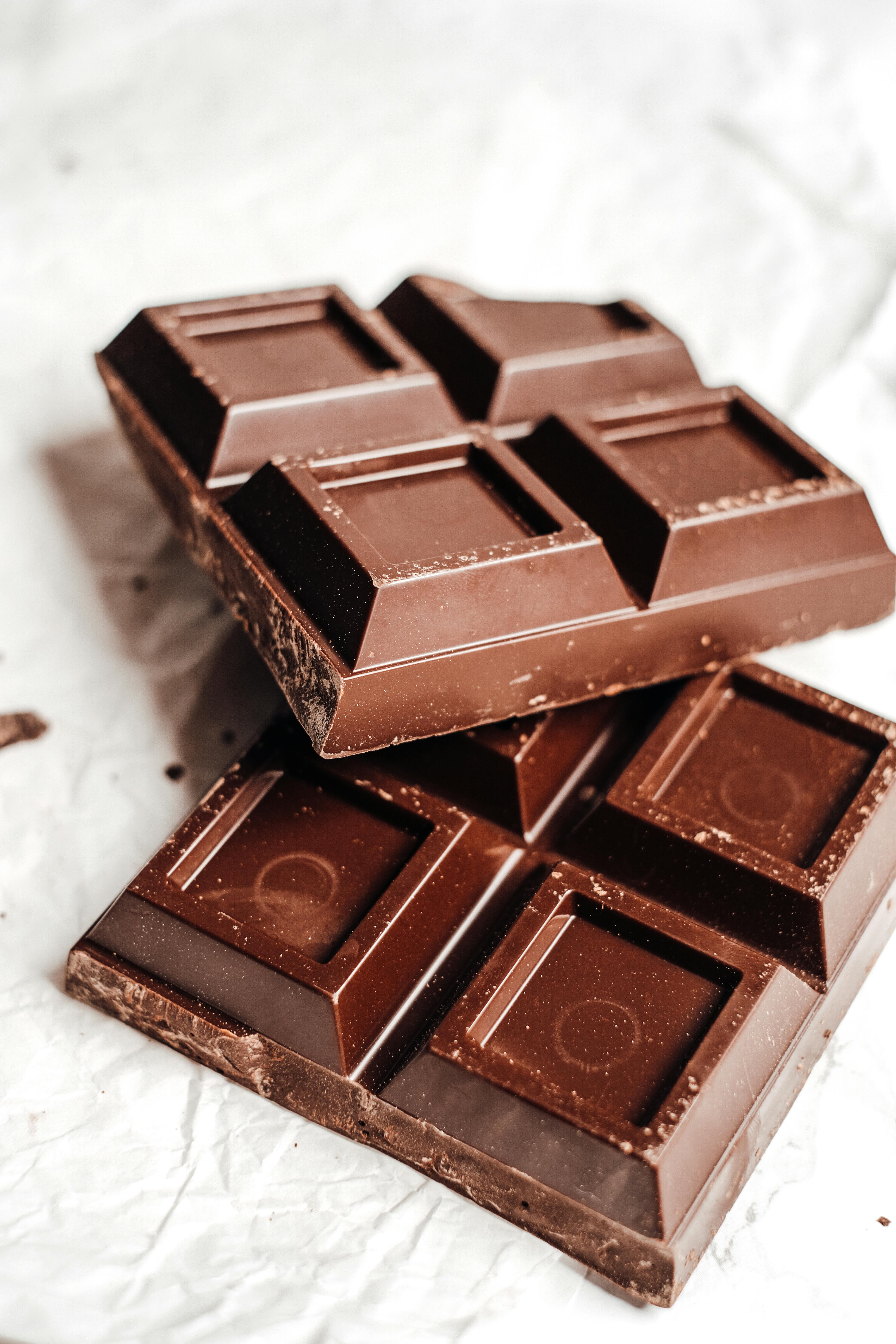
Chocolate has been blamed for migraines for decades, but the evidence is far less convincing than popular advice suggests. Many patients report a link, yet controlled studies have often failed to show chocolate consistently triggering attacks more than placebo. Headache specialists frequently point out that craving sweet foods can happen during the early, premonitory phase of a migraine. In other words, the chocolate may arrive because the migraine is already starting.
That distinction matters because it changes how people interpret their own patterns. If someone eats chocolate, then develops head pain hours later, it is easy to assume cause and effect. But migraine can begin subtly with fatigue, yawning, mood changes, neck stiffness, or food cravings well before pain appears. A 2020 review in the journal Nutrients noted that self-reported food triggers are common, but proving direct causation is difficult.
This does not mean chocolate never plays a role. For a small group of people, specific ingredients such as caffeine, sugar load, or additives in certain chocolate products may be relevant. Still, broad avoidance can become unnecessarily restrictive. Many clinicians now encourage patients to test patterns carefully rather than ban chocolate automatically.
Aged Cheese Gets Too Much Blanket Blame

Aged cheese is another classic suspect, largely because it contains tyramine, a compound once thought to be a major migraine trigger. The theory is biologically plausible, and some individuals do seem sensitive to tyramine-rich foods. Yet the leap from plausible to universally important has never been fully supported by strong real-world evidence. Many people with migraine eat cheddar, parmesan, or blue cheese without any predictable consequence.
Part of the confusion comes from older dietary advice that treated migraine triggers as fixed rules. More recent thinking is more selective. According to several headache clinics, tyramine sensitivity likely exists, but in only a subset of patients. Even then, a trigger may only matter when paired with other factors such as poor sleep, hormonal shifts, stress letdown, or dehydration.
There is also a practical issue. Meals that include aged cheese may also include wine, skipped eating earlier in the day, restaurant noise, and late nights. All of those can complicate the picture. When patients remove cheese but ignore the surrounding context, they may draw the wrong conclusion and miss what is actually driving the attack.
Bright Screens Are Often Overstated as a Primary Trigger

Screens are frequently blamed in modern life, and there is a reason they feel suspicious. During a migraine attack, many people become sensitive to light, movement, and visual clutter. But that does not automatically mean screens are a primary trigger. For many patients, screens are more likely to aggravate an already vulnerable brain than to independently cause an attack from scratch.
Research on digital eye strain shows screens can produce discomfort, dry eyes, and fatigue, especially with poor ergonomics or long uninterrupted use. Those symptoms can overlap with migraine and make it feel as if the screen itself is the root problem. In reality, contributing factors may include missed meals, neck tension, poor posture, lack of blinking, and prolonged concentration. The screen becomes the visible villain because it is the most obvious part of the experience.
That does not make screen management unimportant. Reduced glare, frequent breaks, proper font size, and adjusted brightness can help significantly. But if someone gets migraines regularly, blaming the laptop alone may delay a fuller assessment. Sleep quality, attack timing, stress cycles, and sensory sensitivity often explain much more than screen exposure by itself.
Red Wine Is Not the Universal Culprit It Is Made Out to Be

Red wine has one of the strongest reputations in migraine culture, yet the story is surprisingly inconsistent. Some people clearly report attacks after even small amounts, but studies have not identified one single ingredient that explains every case. Histamine, tannins, sulfites, alcohol itself, and even expectation effects have all been discussed. That complexity is a clue that red wine is not a simple universal trigger.
Alcohol also changes physiology in ways that can interact with migraine susceptibility. It can disrupt sleep, widen blood vessels, increase urination, and contribute to dehydration. A person having wine at a loud social event after a stressful week and a delayed dinner is not testing wine in isolation. They are experiencing a pileup of potential triggers. That is why one evening may lead to a migraine while another does not.
For patients, the key is specificity. If red wine is a consistent trigger across different settings, that matters. But many people do better with a more nuanced approach than a blanket ban. Type of alcohol, amount consumed, timing, food intake, and hydration often tell a clearer story than the category of red wine alone.
Weather Changes Are Real but Often Treated Too Broadly

Weather is a genuine issue for some people with migraine, but it is often discussed in ways that are too vague to be useful. Many patients say, "weather triggers me," yet weather includes barometric pressure shifts, humidity, heat, glare, air quality, storms, and rapid temperature changes. Lumping all of that together can make the trigger feel mysterious when it may actually be more specific.
Studies on barometric pressure and migraine have produced mixed results. Some patients are highly convinced by their experiences, while population-level findings are less uniform. That gap suggests weather sensitivity is probably real for some, but not universal or identical. It also suggests that people may overattribute attacks to weather simply because storms are memorable, while more routine contributors get overlooked.
The practical value lies in precision, not panic. If heat plus dehydration is the recurring pattern, prevention looks different than if falling pressure before storms is the main issue. Tracking exact conditions can help separate a broad belief from a usable pattern. Without that detail, weather can become an all-purpose explanation that hides more actionable causes.
Irregular Sleep Deserves Far More Attention
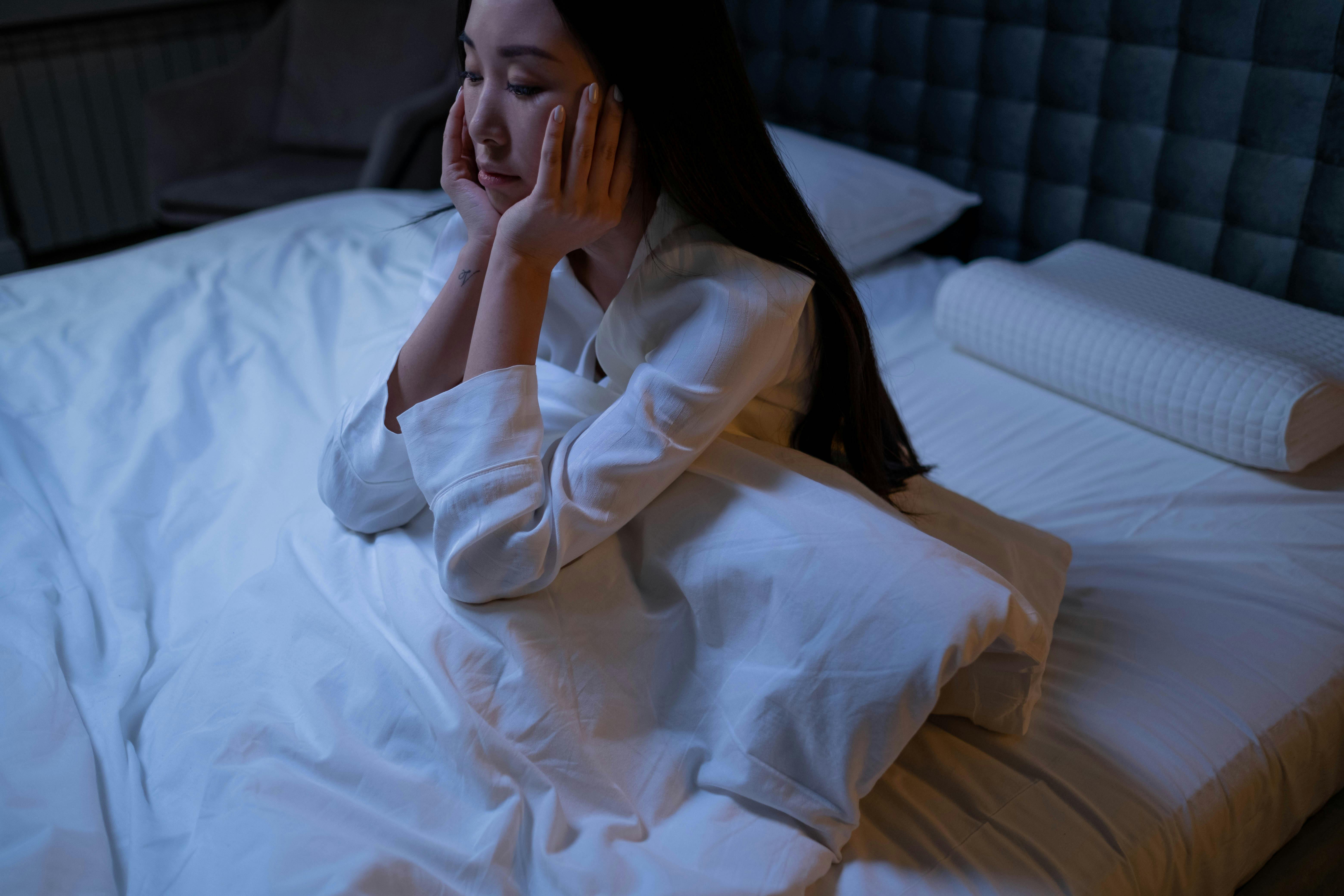
If one trigger deserves a top spot, it is sleep disruption. Too little sleep, too much sleep, inconsistent bedtimes, shift work, and poor sleep quality can all destabilize the migraine-prone brain. Neurologists regularly see patients whose attacks cluster after weekends, travel, overnight caregiving, or changing work schedules. Sleep is not just rest. It is a core regulator of pain processing, hormones, and nervous system balance.
A common pattern is the "weekend migraine," where people sleep in after a stressful week and wake with head pain. This is not simply about extra sleep being bad. It is about abrupt changes in routine, altered caffeine timing, and shifts in circadian rhythm. People with migraine tend to do better with regularity than extremes. That makes consistency more valuable than chasing perfect sleep numbers.
Sleep disorders matter too. Obstructive sleep apnea, insomnia, restless legs syndrome, and chronic snoring can worsen headache burden. Someone who thinks food is the problem may actually be waking repeatedly all night. When migraine frequency rises, asking about sleep habits and sleep quality should be standard, not secondary.
Skipped Meals and Blood Sugar Swings Are Underrated

Hunger is not just uncomfortable for people with migraine. It can be a powerful biological stressor. Long gaps between meals, crash dieting, intense fasting, and highly erratic eating patterns can all increase vulnerability to attacks. The brain relies on a steady energy supply, and migraine seems especially sensitive to metabolic disruption. Many specialists now emphasize regular meals more than long lists of forbidden foods.
Blood sugar swings do not affect everyone the same way, but patterns matter. Someone may tolerate a missed lunch on a calm day and develop a migraine on a stressful day with poor sleep. That is one reason triggers can seem inconsistent. They are often additive rather than independent. What looks like randomness may be a threshold problem, where one extra stressor pushes the nervous system over the edge.
This is especially relevant for people trying weight-loss plans or intermittent fasting without medical guidance. A routine that works for the general public may not suit a migraine-prone person. Balanced meals with protein, fiber, and hydration often do more for prevention than highly restrictive eating rules. Stability, again, tends to matter more than dietary perfection.
Hormonal Fluctuations Need Center Stage

Hormones are one of the most evidence-backed migraine influences, especially for women, yet they are still underappreciated in everyday discussions. Estrogen changes can affect brain excitability and pain pathways, which is why migraine often clusters around menstruation, ovulation, postpartum shifts, perimenopause, or starting and stopping hormonal contraception. For many patients, this is not a minor factor. It is the main pattern.
Menstrual migraine is particularly important because it can be more severe, longer-lasting, and harder to treat. Some women experience attacks predictably in the two days before bleeding or during the first few days of the cycle. Others notice migraines when estrogen drops during pill-free intervals. Tracking these windows can lead to more tailored treatment, including short-term preventive strategies that are timed to the cycle.
Hormonal effects are not limited to women with regular periods. Perimenopause can bring chaotic estrogen swings that increase headache frequency before things improve later. Postpartum sleep disruption can compound the hormonal drop after delivery. When migraine history changes suddenly, hormone shifts deserve serious attention rather than being treated as background noise.
Dehydration Is Simple, Common, and Frequently Missed
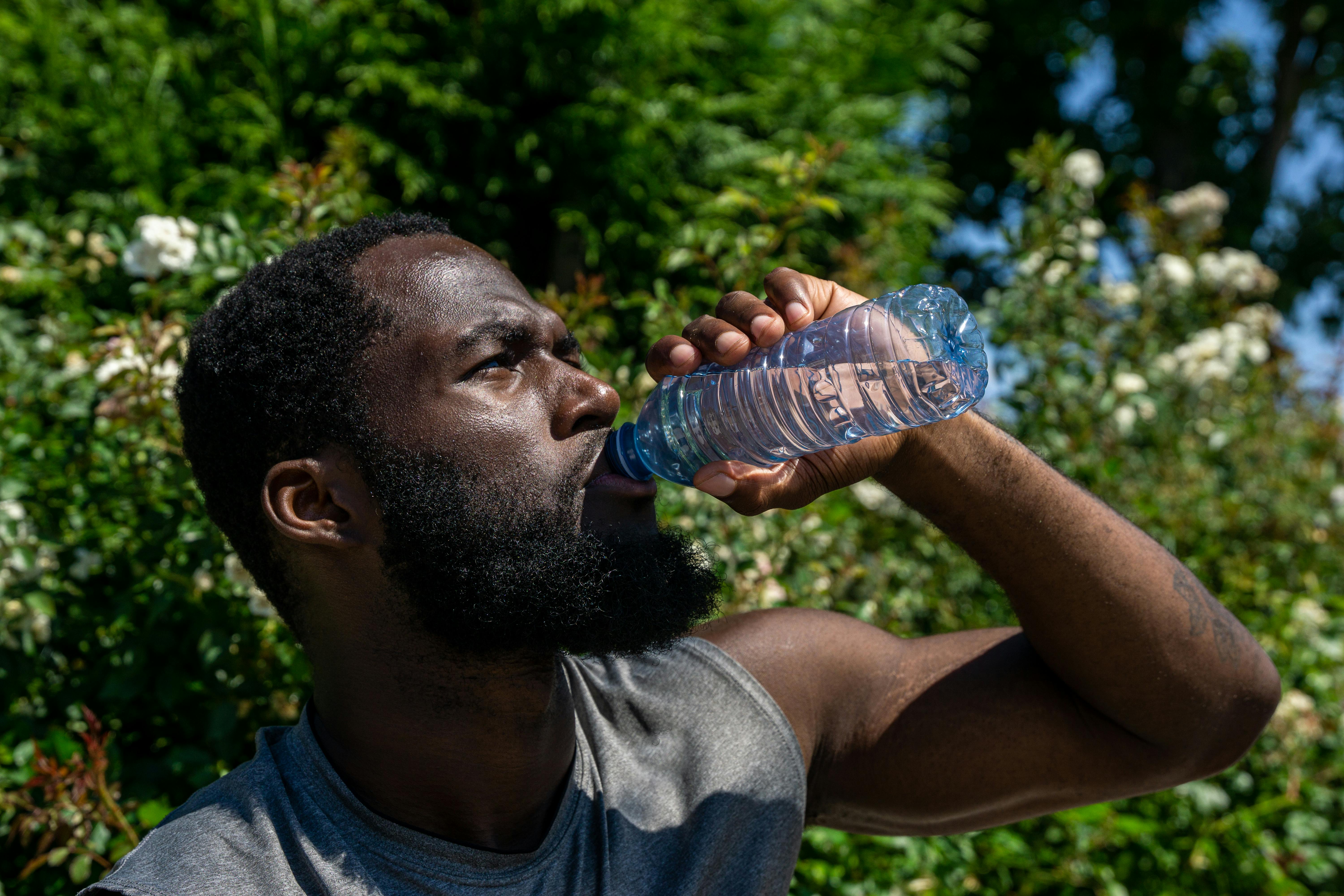
Dehydration sounds almost too obvious, which may be why people underestimate it. Yet even mild fluid loss can contribute to headache and make the nervous system less resilient. In migraine-prone people, that can lower the threshold for an attack, especially in hot weather, during exercise, while traveling, or after alcohol. What makes dehydration tricky is that people often notice it only after symptoms begin.
The issue is not just total water intake. Salt balance, sweating, illness, caffeine habits, and medications also matter. A person can drink fluids and still end up relatively depleted if they are sweating heavily or using diuretics. Morning migraines are a common example, especially if someone sleeps in a warm room, snores, or had alcohol the night before. Overnight fluid loss can be enough to matter.
Good prevention is practical rather than extreme. Regular fluid intake, attention during exercise, and replacing losses during heat or illness can reduce risk. There is no universal magic number of glasses per day. What matters is matching hydration to the body, the environment, and the person's known migraine pattern.
Stress Letdown May Be More Important Than Stress Itself

People often say stress causes migraines, but the more revealing trigger is frequently stress letdown. Many attacks do not happen during the busiest moment. They arrive afterward, when the deadline passes, the exam ends, or the holiday finally begins. This pattern is well recognized in headache medicine. The nervous system seems to react not just to pressure, but to the abrupt shift after sustained arousal.
Biologically, that makes sense. Stress affects cortisol, sleep, muscle tension, inflammation, and behavior. When stress suddenly eases, those systems do not reset smoothly in everyone. Some people skip meals all week, drink extra caffeine, sleep poorly, then crash on Saturday and wake with a migraine. The attack looks like it came from relaxation, but the real issue is the accumulated load plus the sudden drop.
This is why migraine prevention is about regulation, not just stress elimination. Small buffers help: regular meals, wind-down routines, steady caffeine habits, movement, and avoiding dramatic schedule swings. The goal is not to live a stress-free life, which is impossible. It is to keep the brain from being whipped between extremes.




Leave a Reply