
Some foods do more than fill a plate. They tell the story of how Americans cooked, gathered, and ate across generations. This gallery looks at five classic dishes that once felt ordinary but are now fading from menus and family tables, pushed aside by changing tastes, convenience culture, and the loss of old-fashioned home cooking.
Chicken Fried Steak
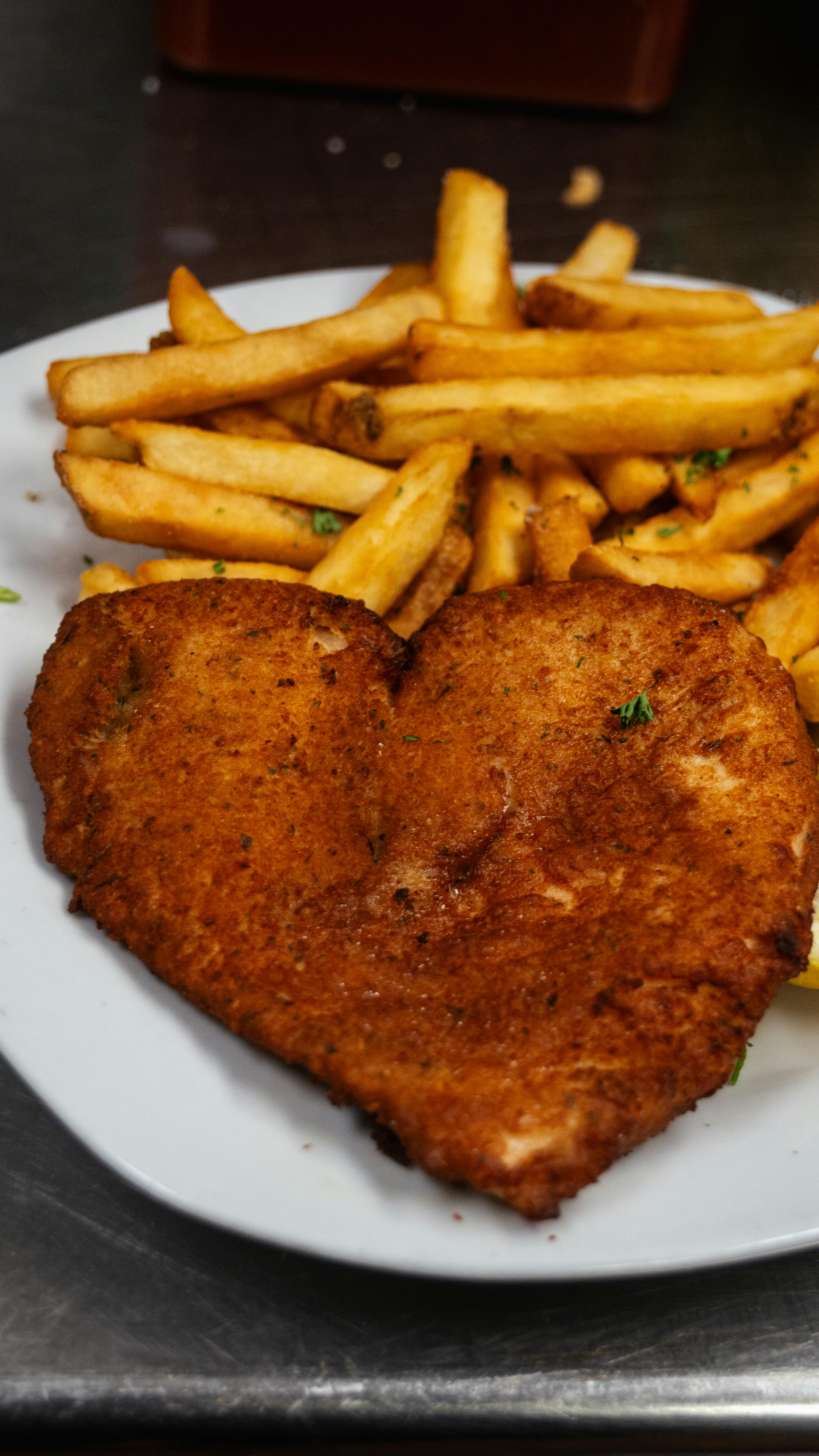
Few dishes say small-town America quite like chicken fried steak. The name is a little misleading since there is no chicken involved, just a tenderized beef cutlet coated, fried, and covered in peppery cream gravy. For decades, it was a staple in Southern kitchens, roadside diners, and family-style restaurants where hearty portions mattered.
Today, it is showing up less often. Rising beef prices, changing health habits, and the decline of independent diners have all chipped away at its place on the menu. It also takes real hands-on work to pound, bread, fry, and sauce it properly, which makes it less appealing in a food culture built around speed and lighter fare.
Liver and Onions
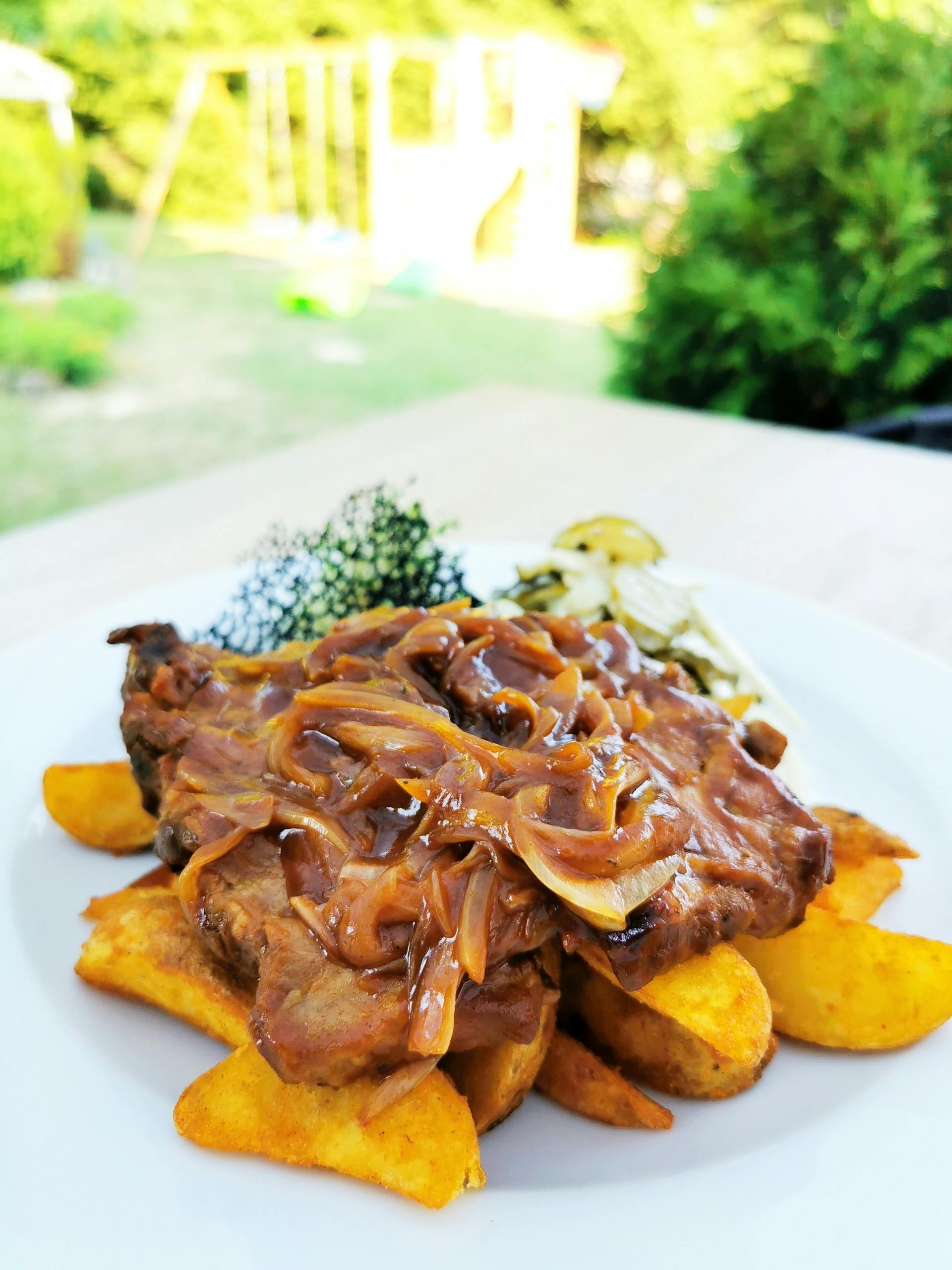
Liver and onions was once the kind of dinner that needed no explanation. It was practical, affordable, and deeply tied to an older generation that believed in using the whole animal. In many American homes, especially during the mid-20th century, it was valued for being filling and rich in iron and other nutrients.
Now it is one of the most avoided dishes in the country. Its strong flavor, distinctive texture, and old-fashioned reputation have made it a hard sell to younger eaters. As organ meats disappeared from mainstream cooking and supermarkets shifted toward more familiar cuts, liver and onions went from weekly meal to culinary relic.
Succotash

Succotash carries a much older American story than many people realize. Rooted in Indigenous food traditions, the dish traditionally combines corn and beans, with later versions often adding lima beans, butter, peppers, or salt pork. It was simple, adaptable, and once common enough to appear on home tables across New England, the South, and the Mid-Atlantic.
Its decline says a lot about how modern eating has changed. Lima beans are unpopular with many diners, and succotash often gets dismissed as a plain side dish from another era. Yet when made well, it is colorful, seasonal, and deeply tied to regional history, which is why chefs and food historians still argue it deserves far more respect.
Jell-O Salads

There was a time when a shimmering Jell-O salad signaled celebration. These molded creations, often packed with fruit, marshmallows, cottage cheese, or whipped topping, were stars at church suppers, holiday buffets, and suburban potlucks. They reflected a very specific American moment when convenience foods felt modern, cheerful, and even a little glamorous.
That appeal has faded fast. Many people now see Jell-O salads as overly sweet, artificial, or visually strange compared with fresher desserts and sides. As fewer families pass down those recipes and fewer gatherings revolve around potluck traditions, this once-iconic dish has become more of a memory than a regular feature on the table.
Chipped Beef on Toast
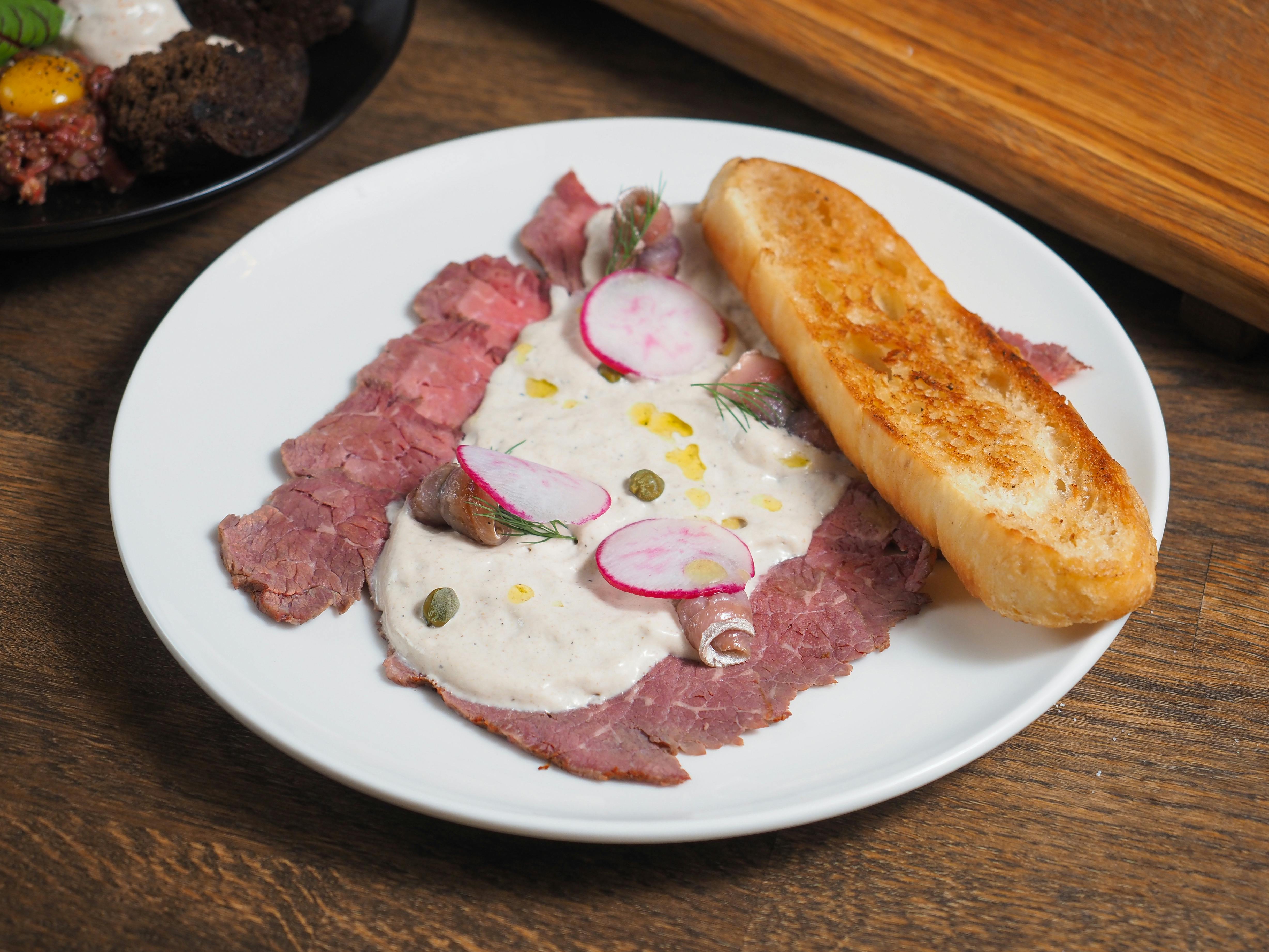
Chipped beef on toast, often nicknamed a less printable name by generations of service members, was built for thrift and simplicity. Made with dried beef in a creamy white sauce poured over toast, it was a standard in military mess halls and an economical home meal for years. It filled people up with pantry basics and became part of the shared memory of wartime and postwar America.
Its disappearance is tied to both taste and image. The dish is salty, heavy, and visually plain, which makes it a tough fit for modern menus shaped by freshness and presentation. Dried beef is also less common than it once was, leaving this humble classic to survive mostly in nostalgia, veterans' stories, and a few regional diners.




Leave a Reply