
Food traditions in Canada often say as much about migration, climate, and local harvests as they do about taste. These five family customs return year after year, linking holiday tables and seasonal gatherings to older regional habits.
Tourtière at Christmas
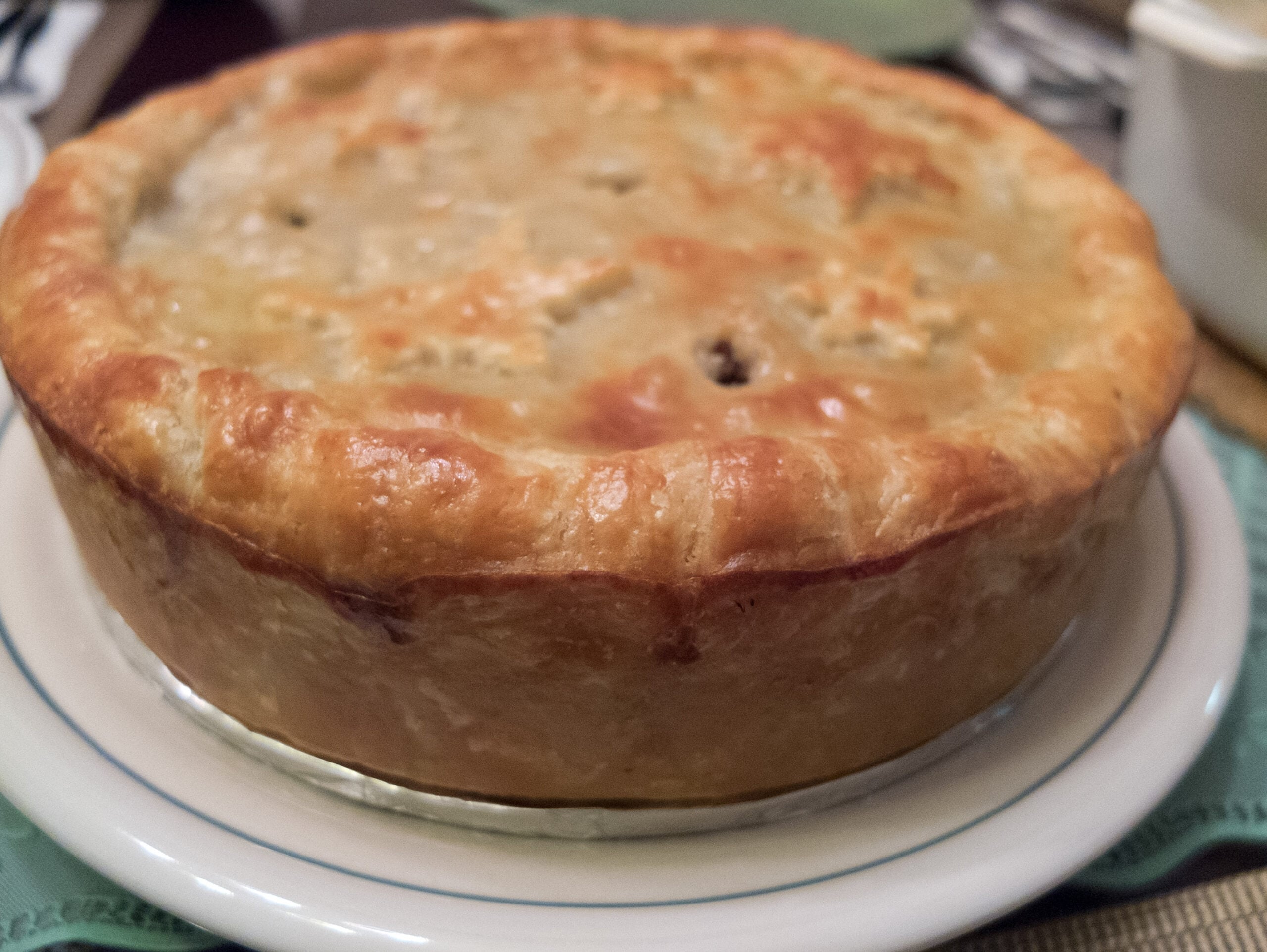
In many French Canadian families, tourtière is part of Christmas Eve or New Year's meals, especially in Quebec. The dish is a savory meat pie, often made with pork, beef, veal, or game, and seasoned with warming spices that can include cinnamon, cloves, and allspice.
There is no single national recipe, which is part of why families guard their own versions so closely. In the Saguenay Lac-Saint-Jean region, a deeper pie called tourtière du Lac-Saint-Jean is made with cubed meat and potatoes and cooks slowly for hours. In other homes, the filling is finer and the pie is sliced like a standard holiday main.
The tradition has roots in French settlement, but it has evolved in distinctly Canadian ways. Passed down recipes often come with rules that never make it into writing, from which cut of pork to use, to how thick the crust should be, to whether the pie belongs on the réveillon table after Midnight Mass.
Butter tarts for holiday baking
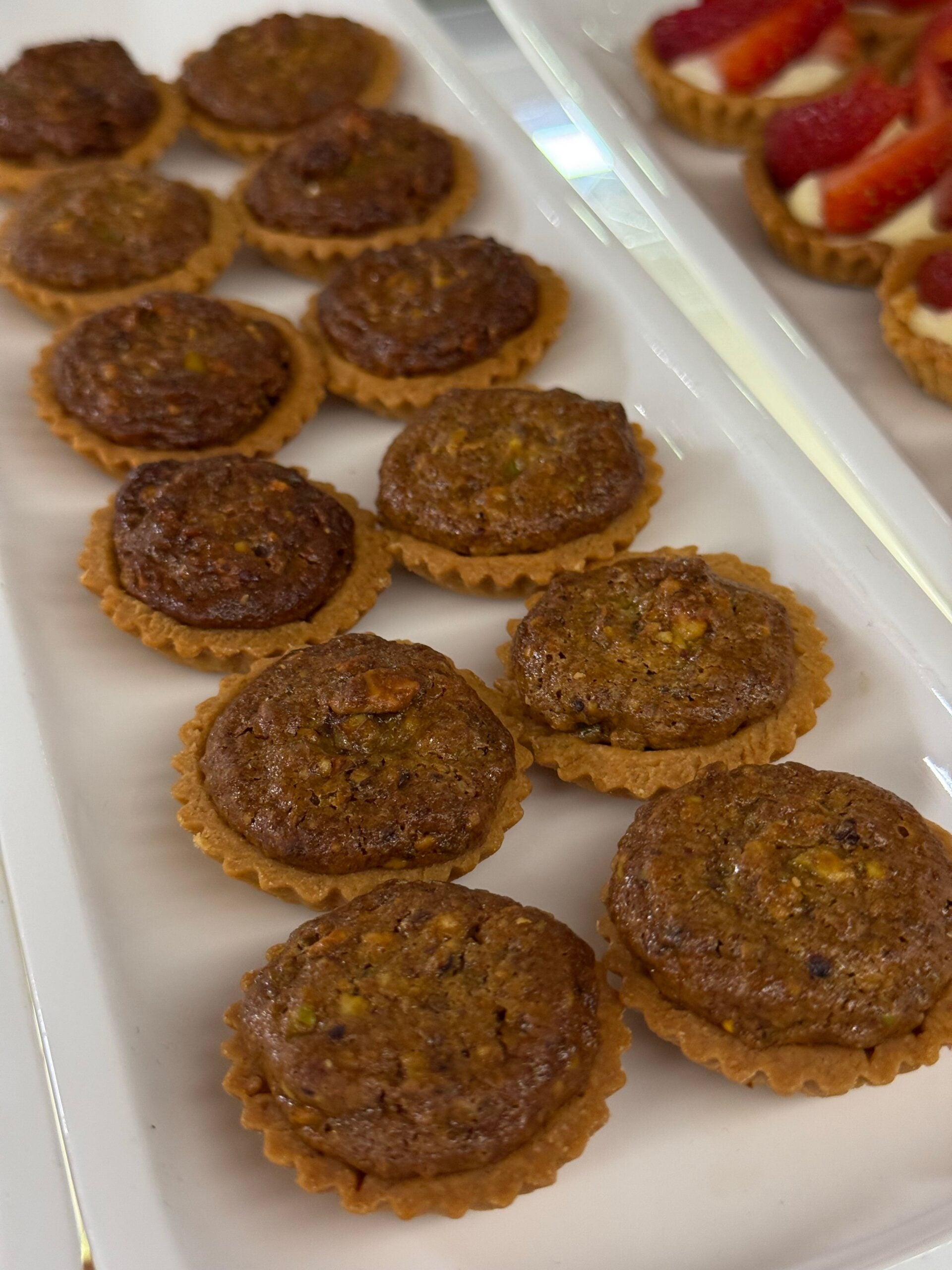
Few Canadian desserts inspire as much family debate as the butter tart. For some bakers, the filling should be runny. For others, it should be firm enough to hold its shape. Raisins, currants, or chopped pecans can be welcome additions, or signs that the recipe has strayed.
Food historians often trace the tart to English Canadian kitchens, with printed recipes appearing in Ontario in the early 20th century. What keeps it alive now is not just nostalgia, but repetition. Families make dozens at a time during Christmas baking season, often using tins, pastry cutters, and recipe cards that have been in the kitchen for decades.
Its staying power comes from simplicity as much as sentiment. Butter, sugar, eggs, and pastry turn pantry basics into a dessert people strongly identify as Canadian. At cookie exchanges and holiday visits, butter tarts still signal home baking in a way store-bought sweets rarely do.
Maple syrup season in early spring
For many families in Quebec, Ontario, New Brunswick, and Nova Scotia, the end of winter is marked by the sugar shack. As daytime temperatures rise above freezing and nights stay cold, maple sap begins to run, creating the short season that anchors one of Canada's most recognizable food rituals.
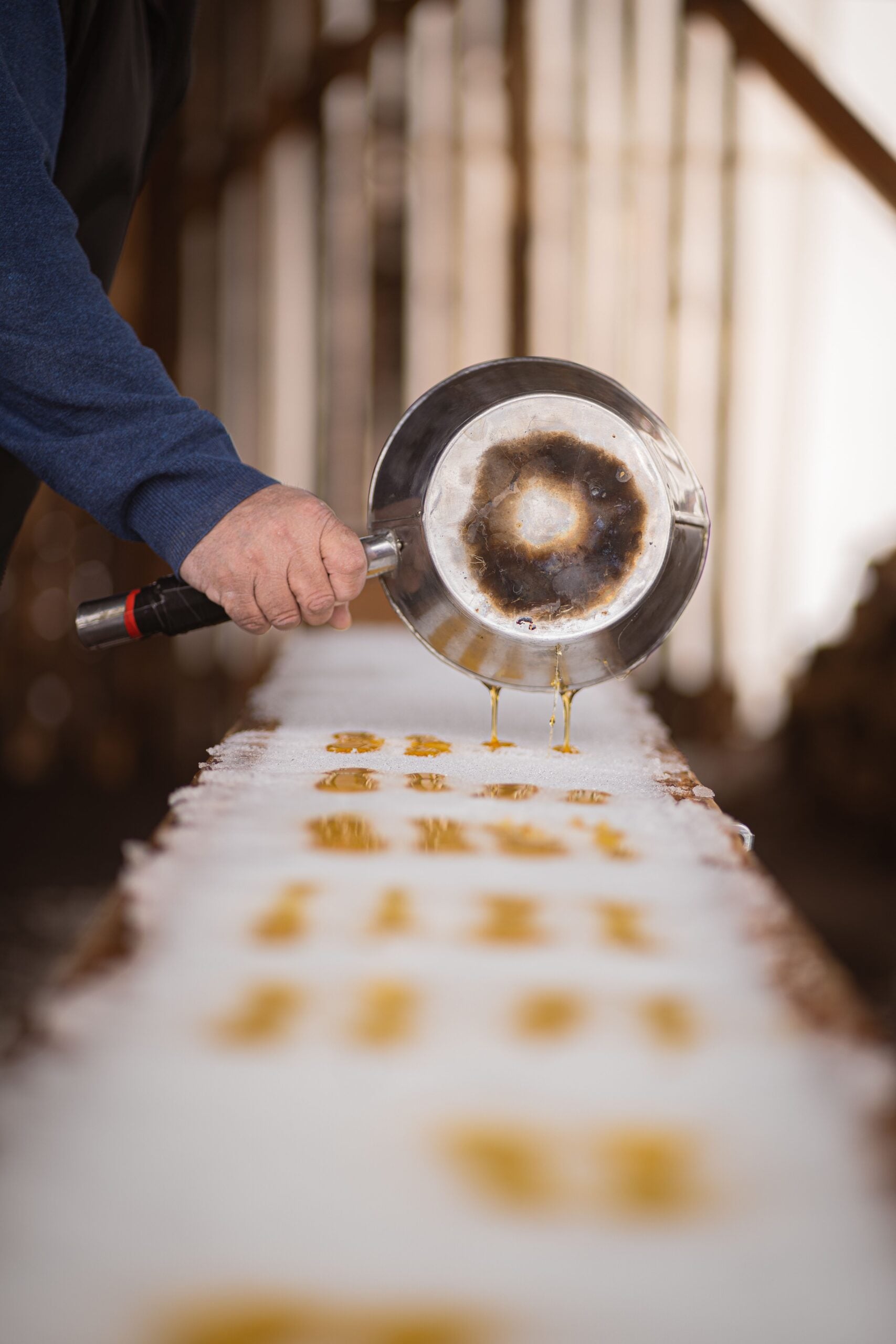
A visit to a cabane à sucre often includes more than syrup. Traditional meals can feature baked beans, ham, sausages, pancakes, and crisp pork rinds, followed by maple taffy poured on snow. Even families who do not produce syrup themselves often return to the same sugar bush each year, treating the outing as a seasonal reunion.
Maple production is also central to Canada's food identity. Quebec produces the vast majority of the country's maple syrup, and Canada supplies most of the world's maple syrup exports. In family memory, though, the tradition is usually less about export numbers than about muddy boots, steam rising from the evaporator, and the first sweet taste of spring.
Nanaimo bars for gatherings and potlucks
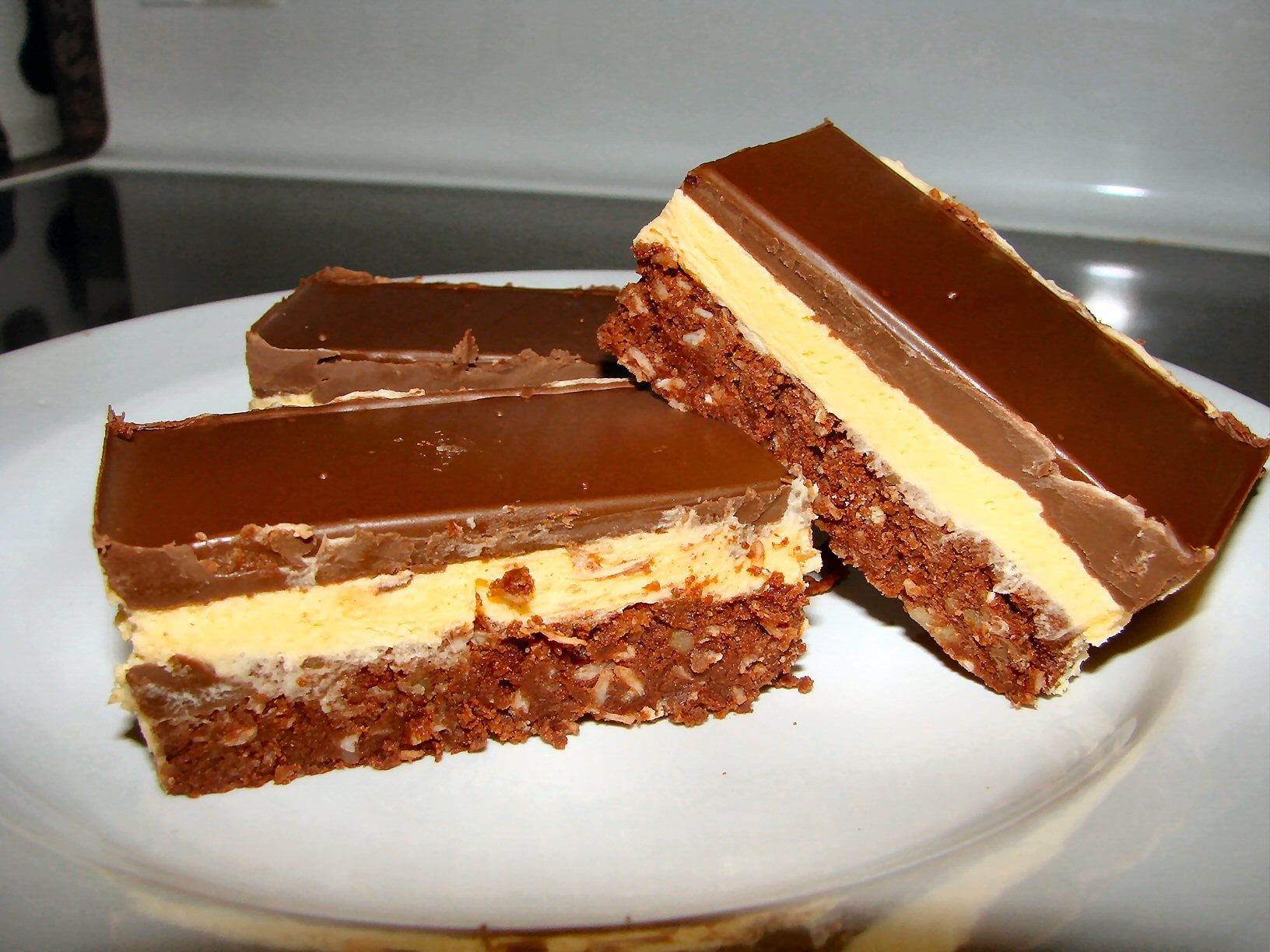
Some traditions spread because they travel well, and Nanaimo bars are a good example. Named after Nanaimo, British Columbia, this no bake bar usually has three layers: a crumb base, a custard flavored middle, and a chocolate top. It is easy to portion, easy to transport, and familiar at school events, church suppers, and family celebrations.
The sweet became nationally recognized over time, but its strongest association remains with the West Coast city that gave it a name. Variations exist, yet most families stick to the structure that makes the bar instantly recognizable. That consistency is part of the hand-me-down appeal, since children can learn the assembly without needing advanced baking skills.
Unlike desserts tied to a single holiday, Nanaimo bars show up all year. They suit community life as much as family life, which helps explain their staying power. A tray brought by a parent or grandparent often becomes the version younger relatives expect to see at every reunion.
Thanksgiving dishes built around local harvests
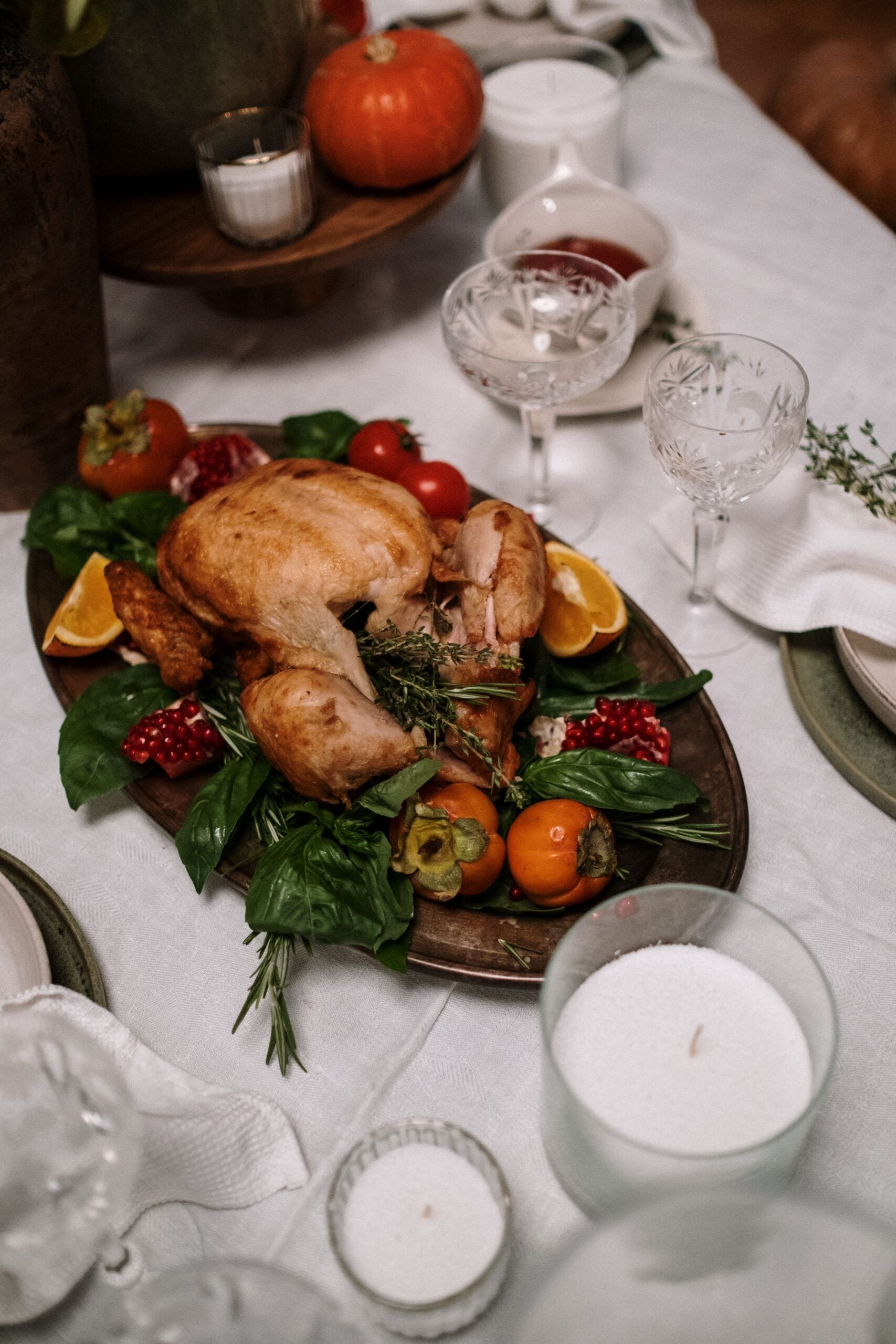
Canadian Thanksgiving falls in October, earlier than the U.S. holiday, and family menus often reflect that timing. Across much of the country, harvest ingredients like squash, potatoes, apples, carrots, and cranberries are in season, so the meal naturally leans toward foods that store well and suit cooler weather.
Turkey is common, but side dishes often reveal regional and family identity more clearly than the main roast. In Atlantic Canada, root vegetables and homemade pickles may share the table. In Prairie homes, buns, perogies, or cabbage rolls can reflect Ukrainian and other Eastern European heritage. In Indigenous households, local game, corn, or squash may connect the meal to older foodways that long predate Confederation.
What gets passed down each year is not one standard menu, but the pattern of gathering around autumn food. The recipes may shift as families move across provinces or marry into other traditions. The habit of marking the season with a specific shared meal remains one of the strongest food customs many Canadian families keep.
Leave a Reply