
Pork chops are one of the easiest ways to make dinner feel polished without spending like you are cooking for a holiday table. These 15 recipes show how a good sear, a quick pan sauce, and a few well-chosen ingredients can make an everyday chop taste surprisingly high end.
Garlic butter pork chops
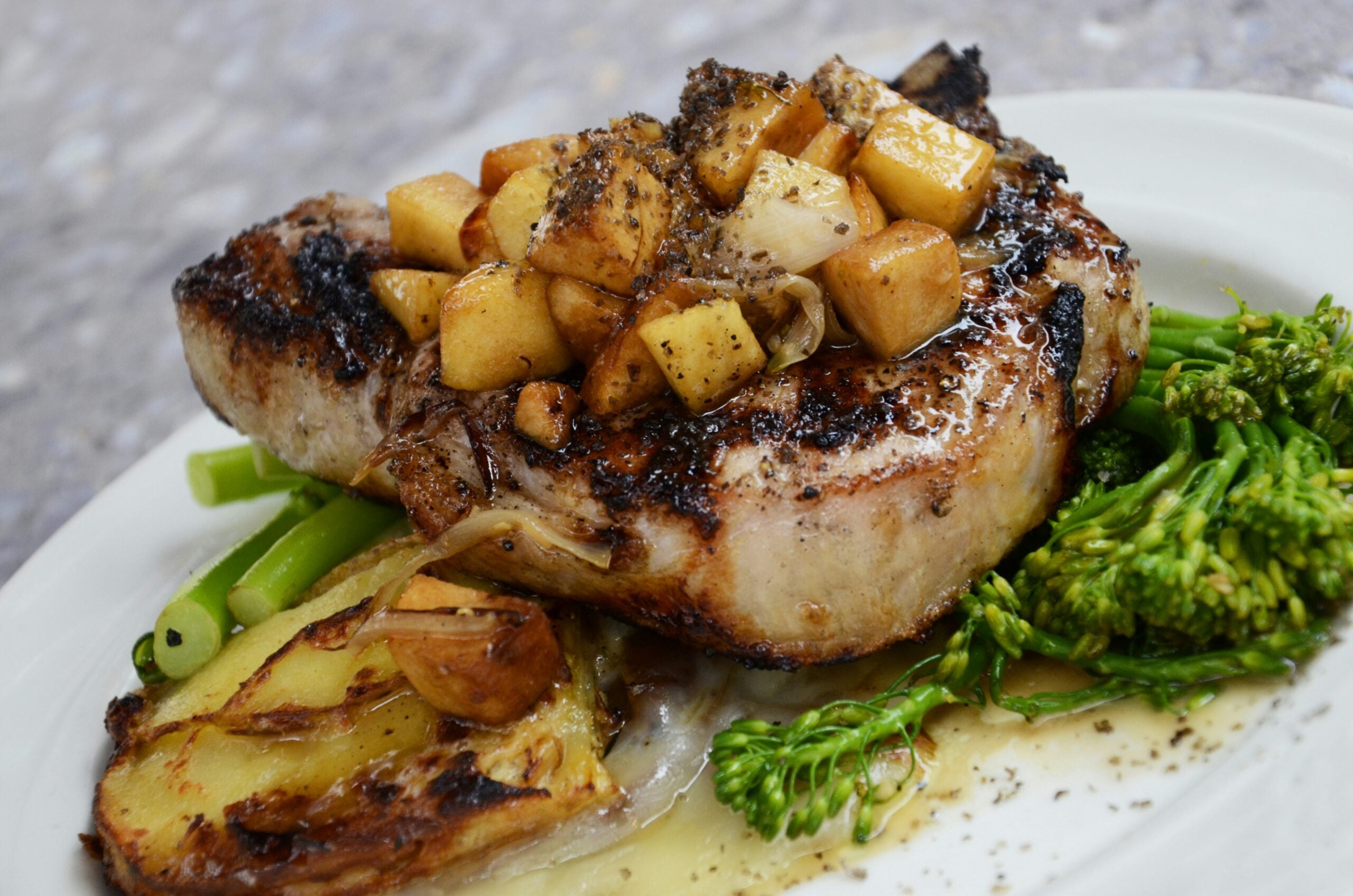
A hot skillet and a spoonful of butter do a lot of heavy lifting here. Garlic butter pork chops taste expensive because they borrow a steakhouse trick: build flavor in the pan, then baste the meat so every bite picks up browned butter and savory drippings.
Bone-in chops work especially well because they stay juicy and look more substantial on the plate. Once the chops are browned, butter, smashed garlic, and a few sprigs of thyme or rosemary turn the skillet into a quick sauce. The garlic softens instead of burning, and the herbs perfume the butter.
The payoff is contrast. You get a deeply seared crust outside, tender meat inside, and enough glossy sauce to spoon over mashed potatoes, rice, or green beans. It is a short ingredient list, but the result feels restaurant-level because the flavor is concentrated and the finish looks elegant.
Creamy Dijon pork chops
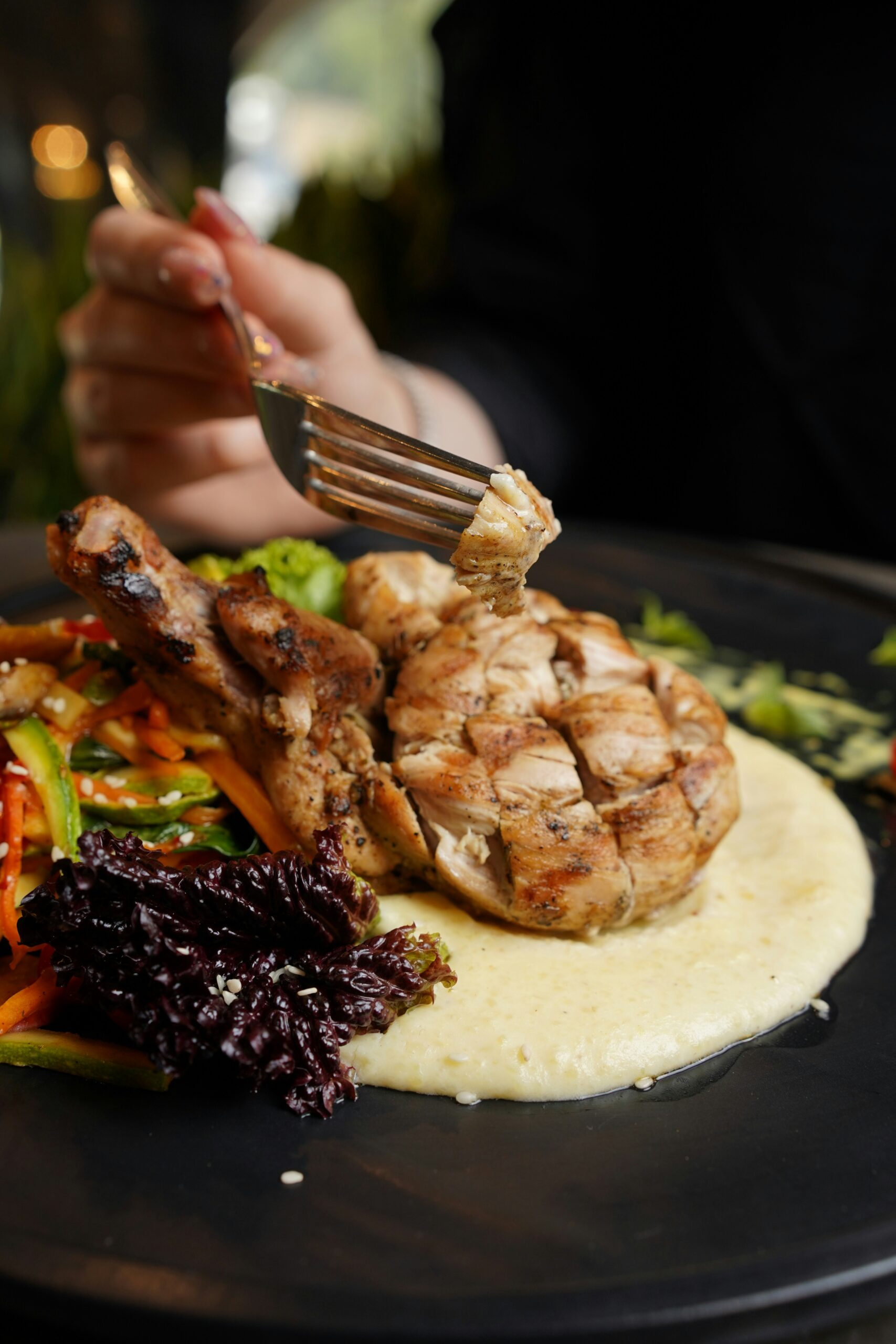
This is the kind of recipe that tastes like it came from a bistro menu. Dijon mustard brings sharpness and depth, while cream rounds it out into a sauce that feels rich without requiring many ingredients or much time.
After searing the chops, the browned bits left in the pan become the foundation for the sauce. A splash of broth loosens them, Dijon gets whisked in, and cream turns everything silky. That pan sauce matters because it captures the pork's flavor and folds it back into the final dish.
The best version keeps the mustard noticeable, not overpowering. A little garlic or shallot helps, and black pepper gives it structure. Served with egg noodles, roasted potatoes, or simple spinach, these chops feel polished because the sauce tastes layered, not heavy.
Pork chops with apple pan sauce
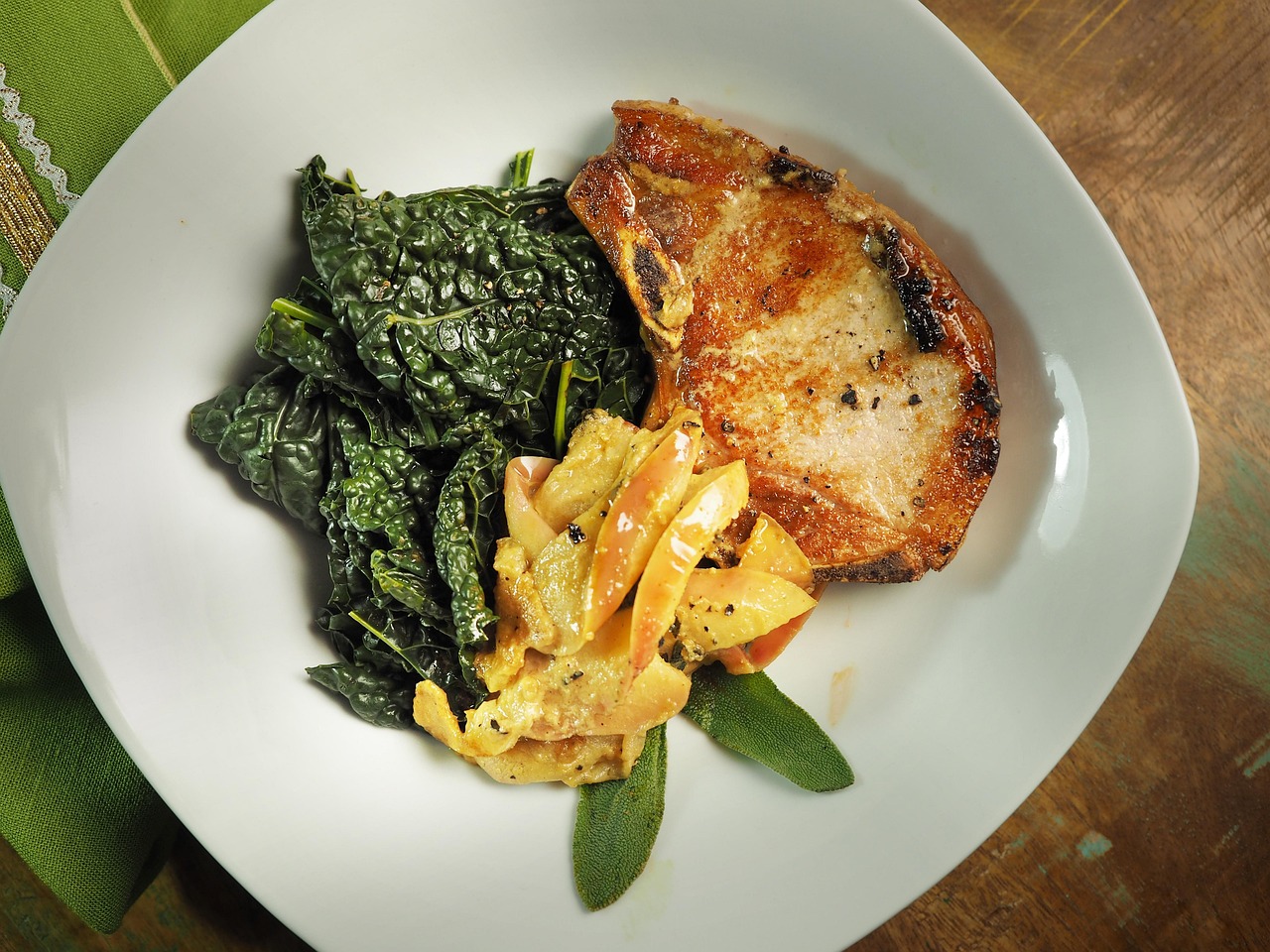
Pork and apples work together for a reason. The fruit's sweetness balances the savory richness of the meat, and when apples soften in a skillet with pan juices, they create a sauce that tastes thoughtful rather than fussy.
This recipe often starts by browning the chops, then cooking sliced apples with butter and sometimes onion until they turn tender at the edges. A small amount of broth or cider helps deglaze the pan. The liquid reduces, the apples absorb flavor, and the whole mixture becomes glossy.
Choose apples that hold their shape, such as Honeycrisp or Granny Smith, so the sauce does not turn mushy. The finished dish feels more expensive because it hits several notes at once: sweet, savory, browned, and fresh. It is a familiar pairing, but done in a way that feels carefully composed.
Mushroom cream pork chops
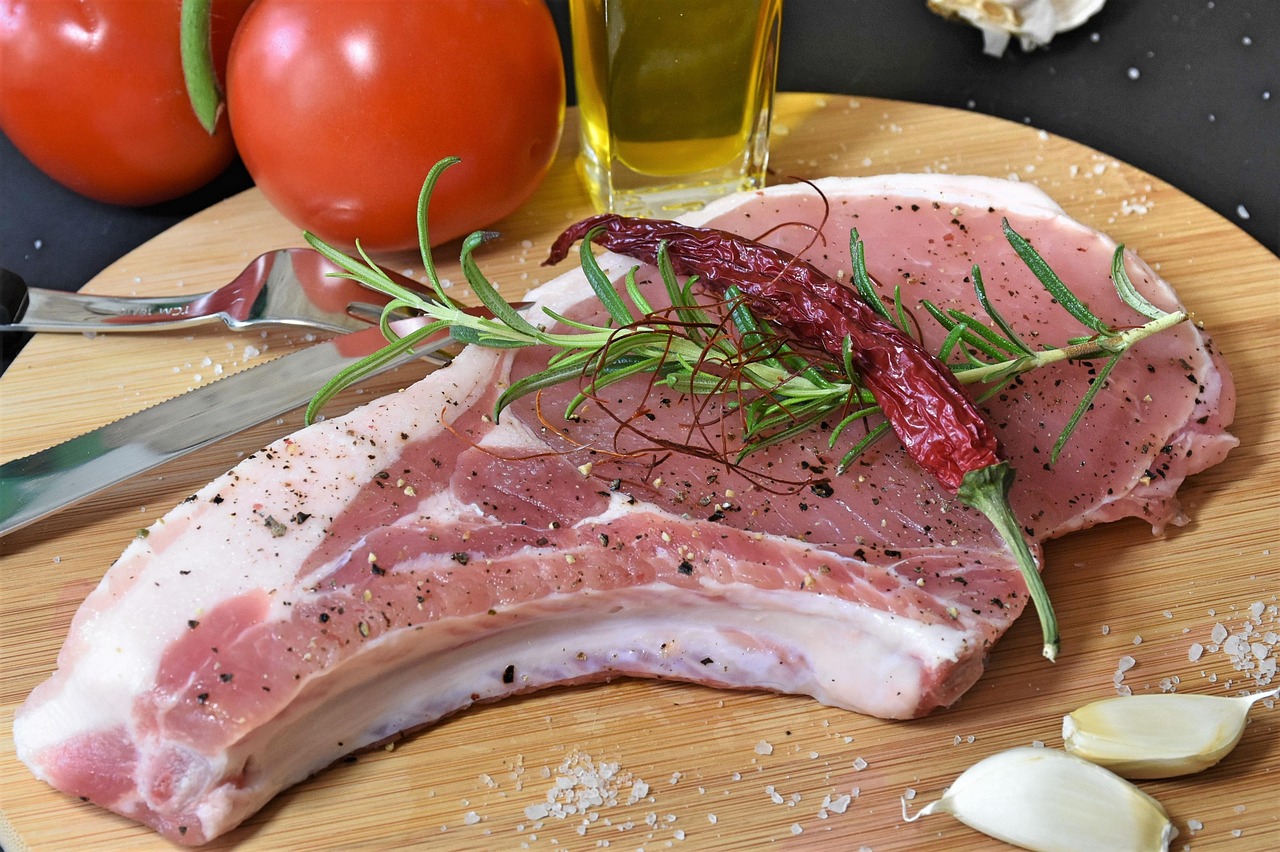
Mushrooms are one of the fastest ways to make a simple dinner feel deeper and more refined. When they brown properly, they add an earthy, almost meaty flavor that makes pork chops taste like the centerpiece of a much more elaborate meal.
The key is giving the mushrooms enough space in the pan so they actually brown instead of steam. Once they release moisture and pick up color, garlic, broth, and cream transform them into a sauce with body. The mushrooms soak up the drippings from the pork, which ties everything together.
Cremini mushrooms are a strong choice because they have more flavor than basic white button mushrooms but remain affordable. Spoon the finished sauce generously over the chops and serve with polenta, rice, or crusty bread. The dish feels luxurious because the sauce tastes slow-cooked, even though it is not.
Honey soy glazed pork chops
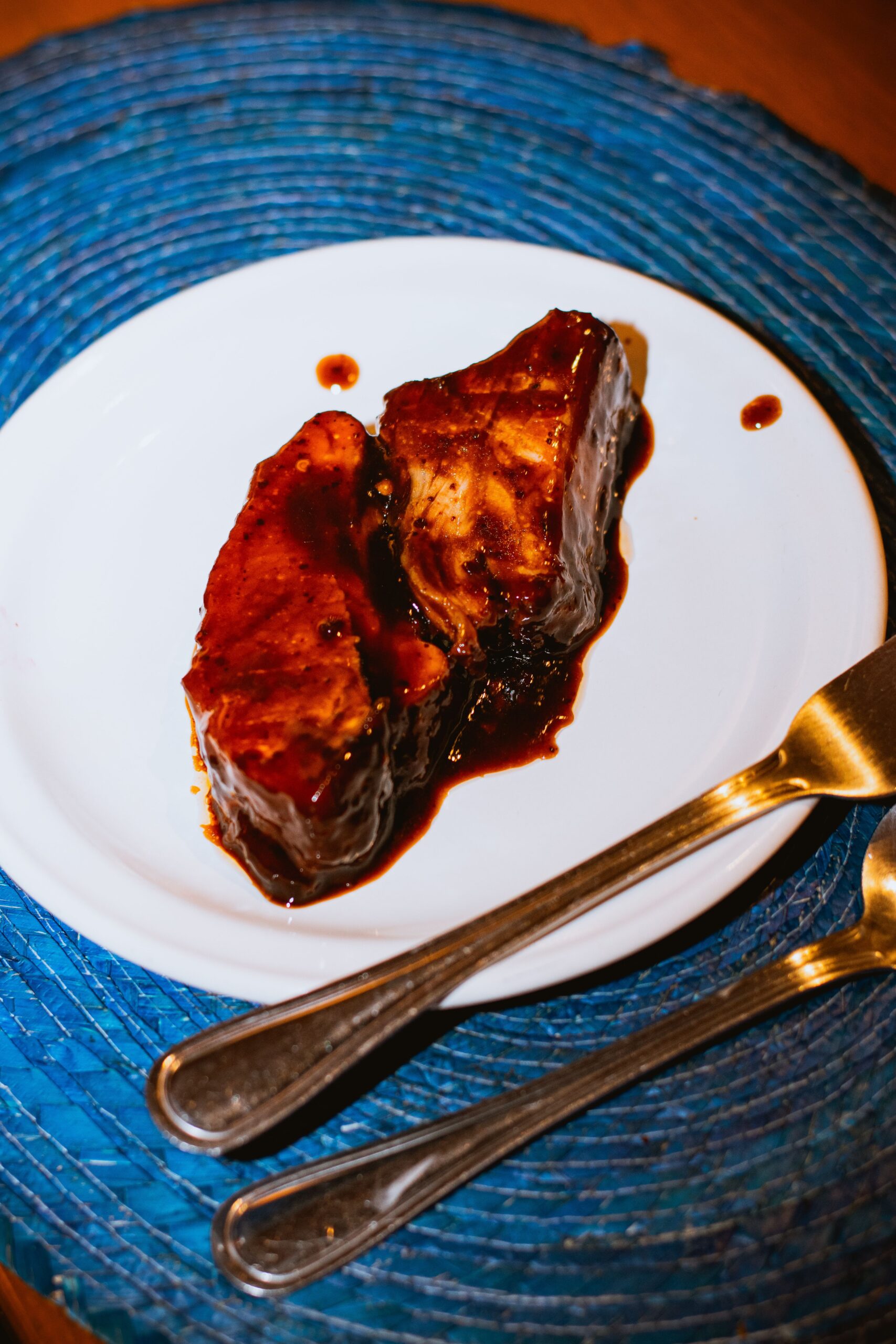
Sweet and salty glazes have a way of making inexpensive proteins shine. Honey soy pork chops taste special because the glaze clings to the seared surface, creating a lacquered finish that looks glossy and tastes balanced.
Soy sauce brings savoriness, honey adds shine and sweetness, and garlic or ginger can sharpen the edges. As the glaze simmers, it thickens enough to coat the chops instead of running off. That sticky finish gives the dish a takeout-style polish, but with fresher flavor and better texture.
A little acidity helps keep the glaze from feeling flat, so recipes often benefit from rice vinegar or a squeeze of lime. Pair these chops with rice and a crisp vegetable for contrast. The overall effect feels upscale because the flavor is bold, clean, and visually striking on the plate.
Smothered onion pork chops
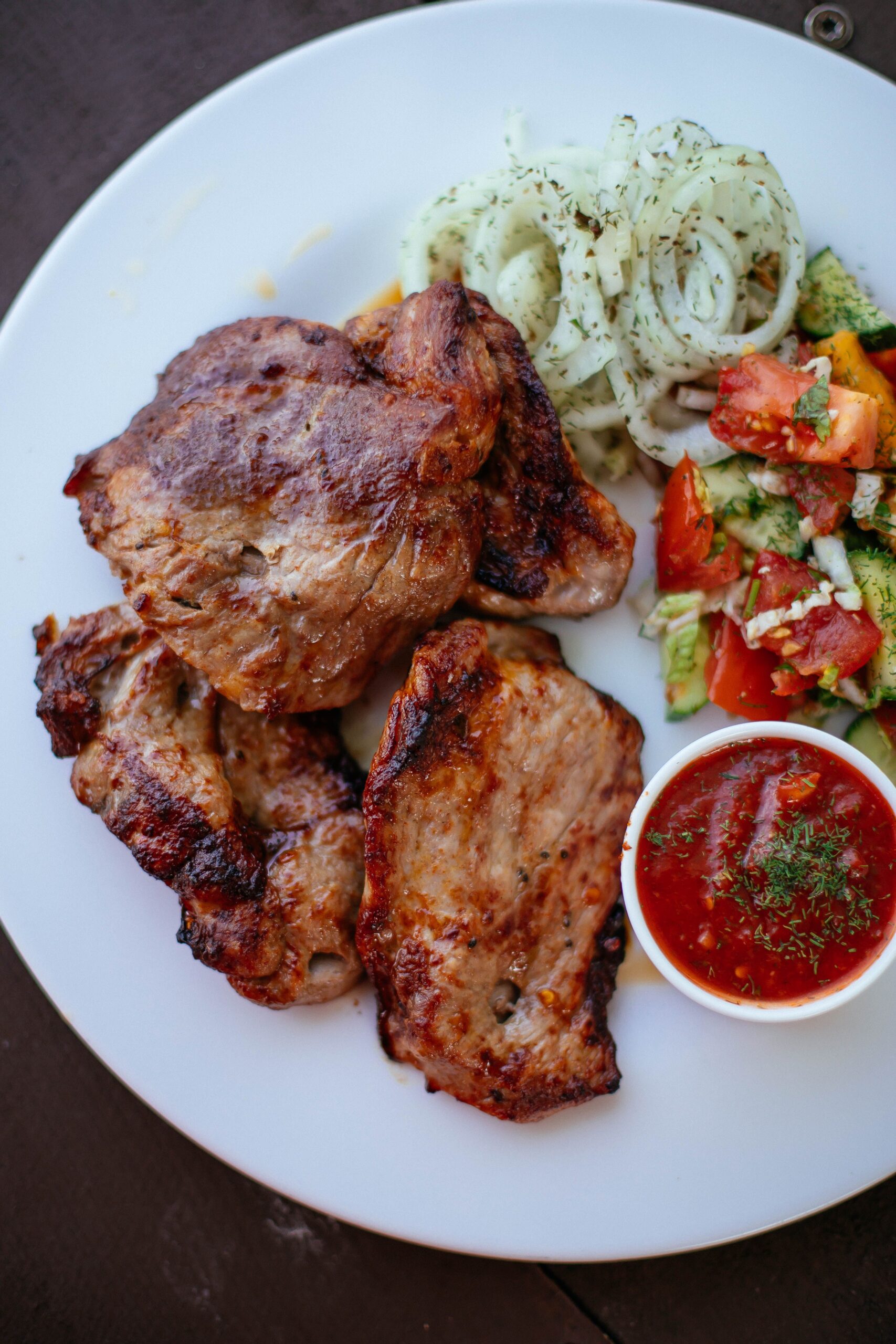
Onions can turn humble food into comfort with real depth. Smothered pork chops get their richness from patience: the onions need time to soften, sweeten, and brown, creating a savory topping that feels far more substantial than its cost suggests.
The chops are usually seared first, then set aside while onions cook down in the same pan. As they caramelize, they absorb every bit of flavor left behind. A little broth or cream can be added to create a spoonable sauce, and the chops finish gently so they stay tender.
What makes this dish feel expensive is how complete it tastes. The onions provide sweetness, savoriness, and texture all at once. Instead of relying on a long ingredient list, it lets one inexpensive staple do serious work, which is often the mark of smart, confident cooking.
Parmesan crusted pork chops
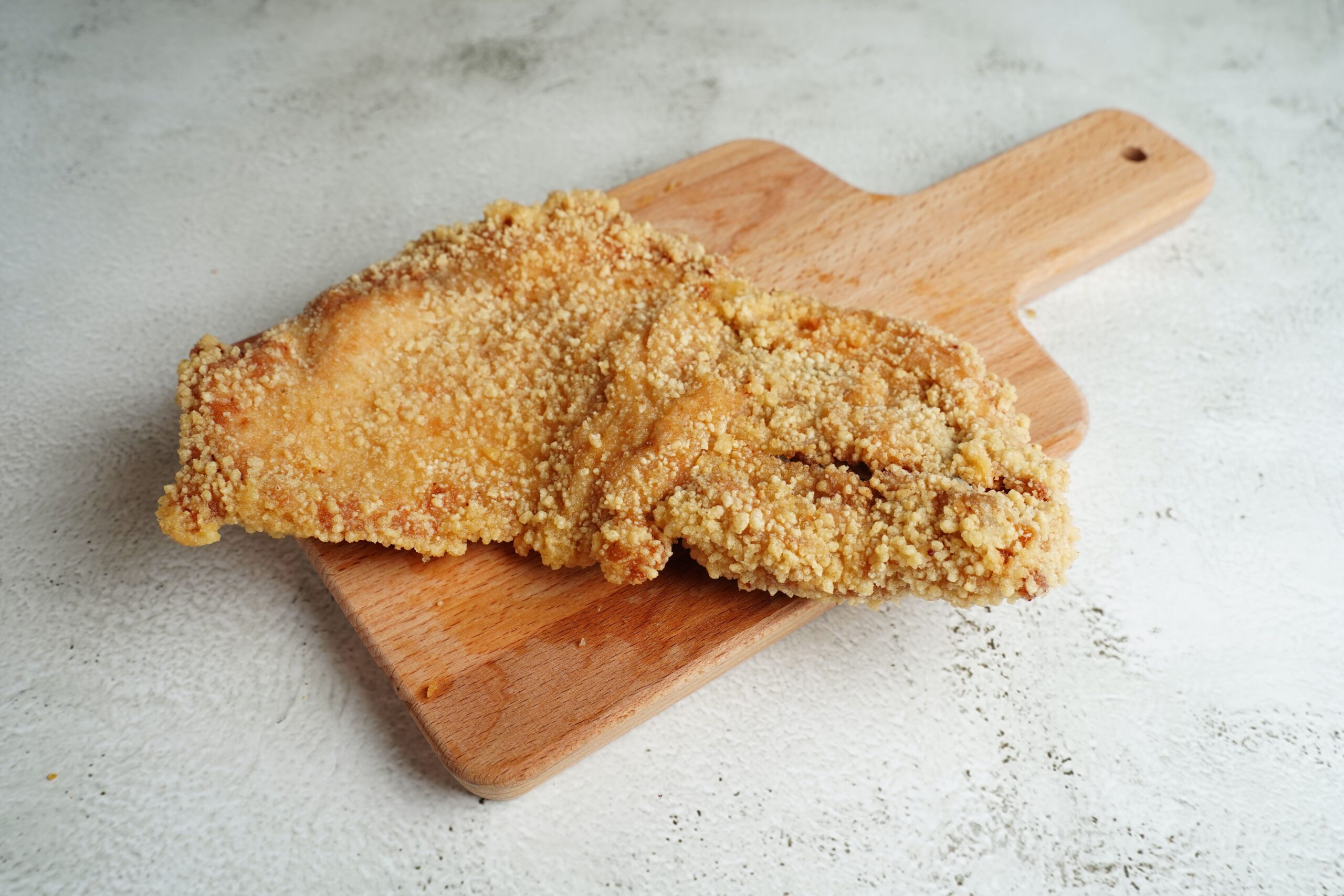
A crisp coating instantly changes the mood of a pork chop. Parmesan crusted versions feel elevated because the cheese adds salt, nuttiness, and a golden exterior that makes the plate look more deliberate than a plain pan-fried chop.
The crust usually comes from a mix of grated Parmesan and breadcrumbs, sometimes with herbs or black pepper mixed in. Parmesan helps the coating brown beautifully and creates a more complex flavor than breadcrumbs alone. That extra savoriness is what makes the dish taste more expensive than the ingredients really are.
These chops work best when the crust stays crisp, so they pair naturally with lighter sides like a salad or lemony green beans. A small squeeze of lemon over the top sharpens everything. The result is simple, but it delivers the kind of crunchy-creamy contrast people usually associate with restaurant entrées.
Maple mustard pork chops
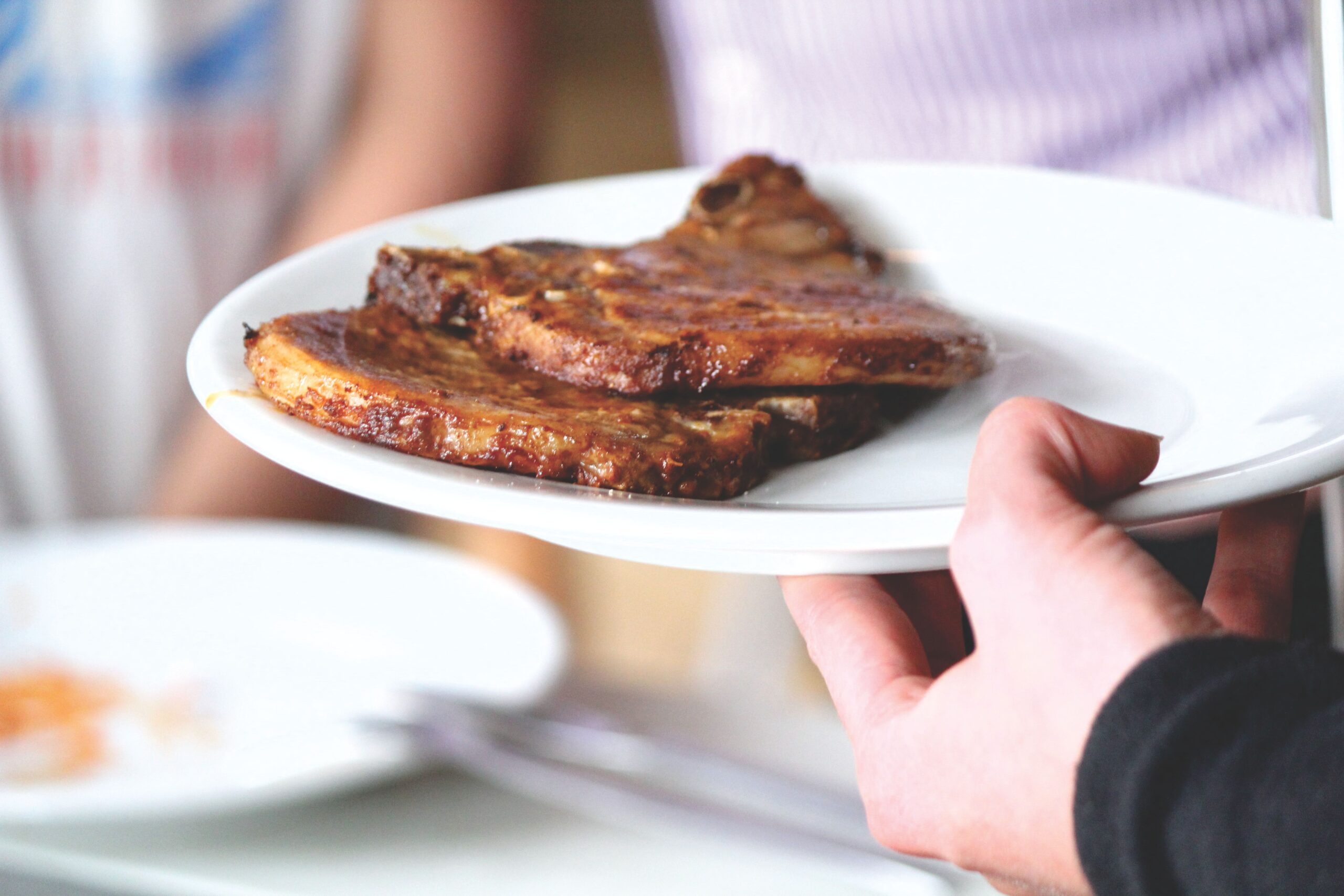
Maple and mustard create one of the best sweet-savory balances for pork. Maple contributes warmth and a subtle caramel note, while mustard adds acidity and structure, keeping the sauce from turning sugary.
This recipe often shines in cooler months, but it is not heavy. The sauce can be brushed on while the chops cook or simmered briefly in the pan until it becomes glossy. Whole grain mustard adds texture, while Dijon makes the finish smoother and more unified.
Because maple syrup is concentrated, a small amount goes a long way. That helps the dish feel special without pushing up the cost too much. Paired with roasted carrots, sweet potatoes, or Brussels sprouts, the chops taste thoughtful and seasonal, like something built around flavor instead of a big grocery bill.
Balsamic glazed pork chops
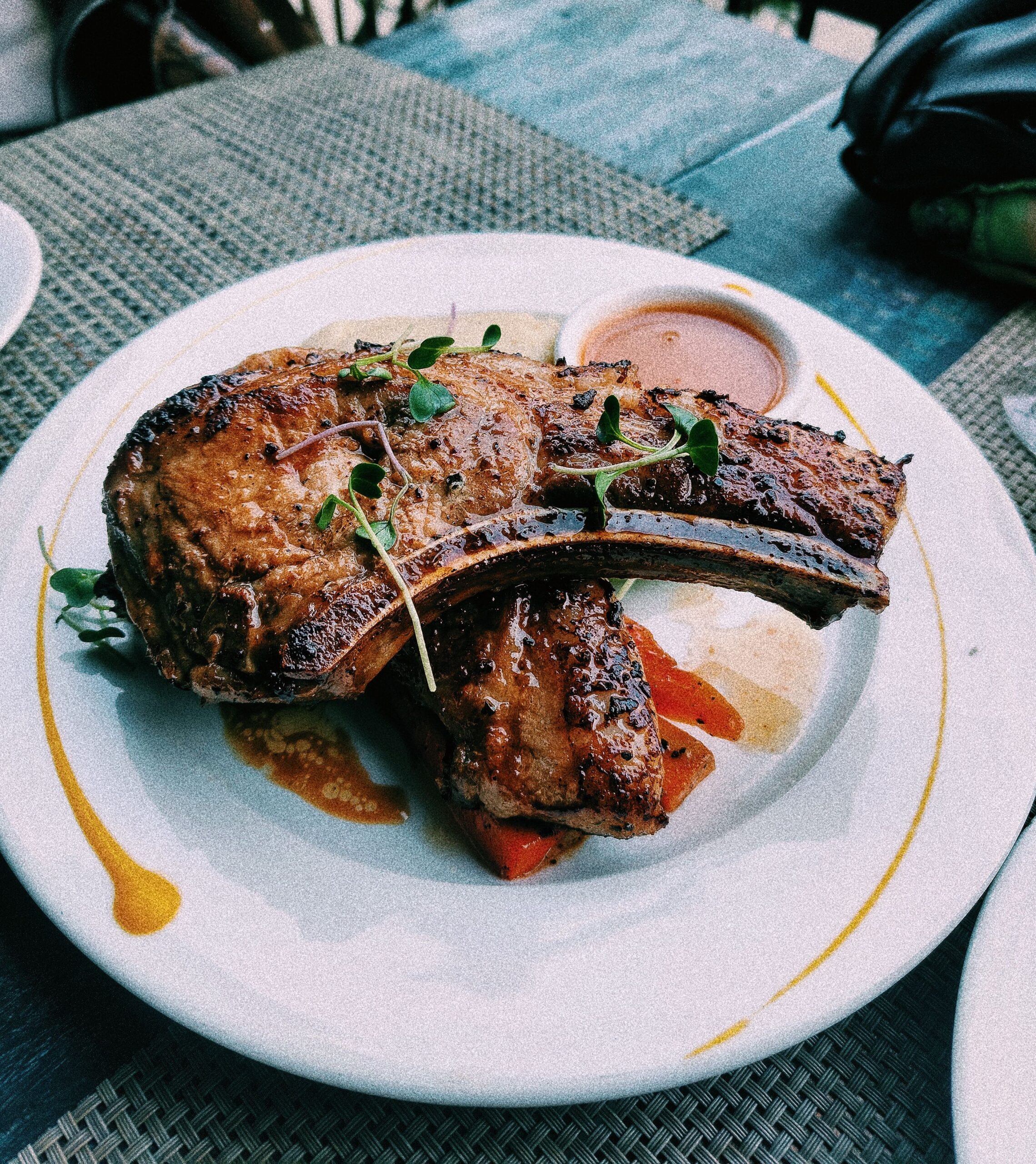
Balsamic vinegar has a built-in sense of drama. Reduced in a hot pan, it becomes dark, shiny, and intensely flavored, which gives pork chops a restaurant-style finish without requiring many ingredients.
The trick is balance. Balsamic is naturally sweet and acidic, so it often works best with garlic, a little stock, and maybe a touch of honey if the vinegar is especially sharp. As it reduces, it coats the meat in a glaze that highlights the pork rather than hiding it.
Visually, this dish does a lot. The deep color looks elegant against pale chops and simple sides like mashed potatoes or roasted cauliflower. Flavor-wise, it feels polished because the glaze tastes concentrated and deliberate, the kind of finishing touch that makes a budget-friendly main seem much more costly.
Herb roasted pork chops
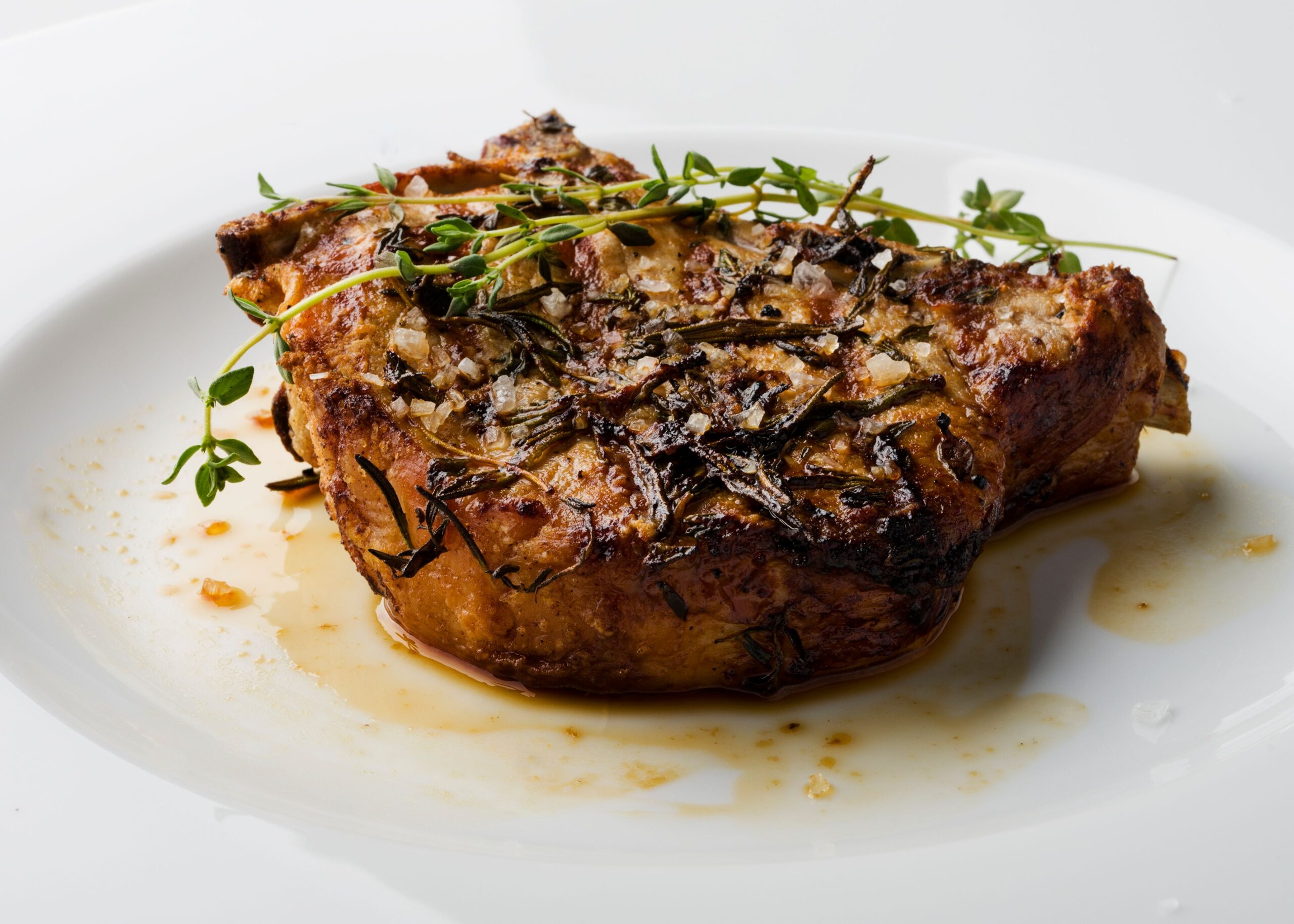
Some recipes feel expensive because they are not overloaded. Herb roasted pork chops rely on clean flavor, a good cut, and careful cooking, which gives them the calm confidence of a classic dinner party main course.
Rosemary, thyme, sage, and parsley all work well with pork, especially when mixed with olive oil, garlic, salt, and pepper. Roasting lets the chops cook evenly and gives the herbs time to scent the meat. If the chops are thick, the oven can be especially useful for keeping them juicy.
This style succeeds when the pork is not overcooked. Resting the chops before serving helps keep the juices in place. With roasted potatoes or a simple vegetable gratin, the dish feels refined because it tastes balanced and composed rather than aggressively seasoned.
Pork chops with peaches
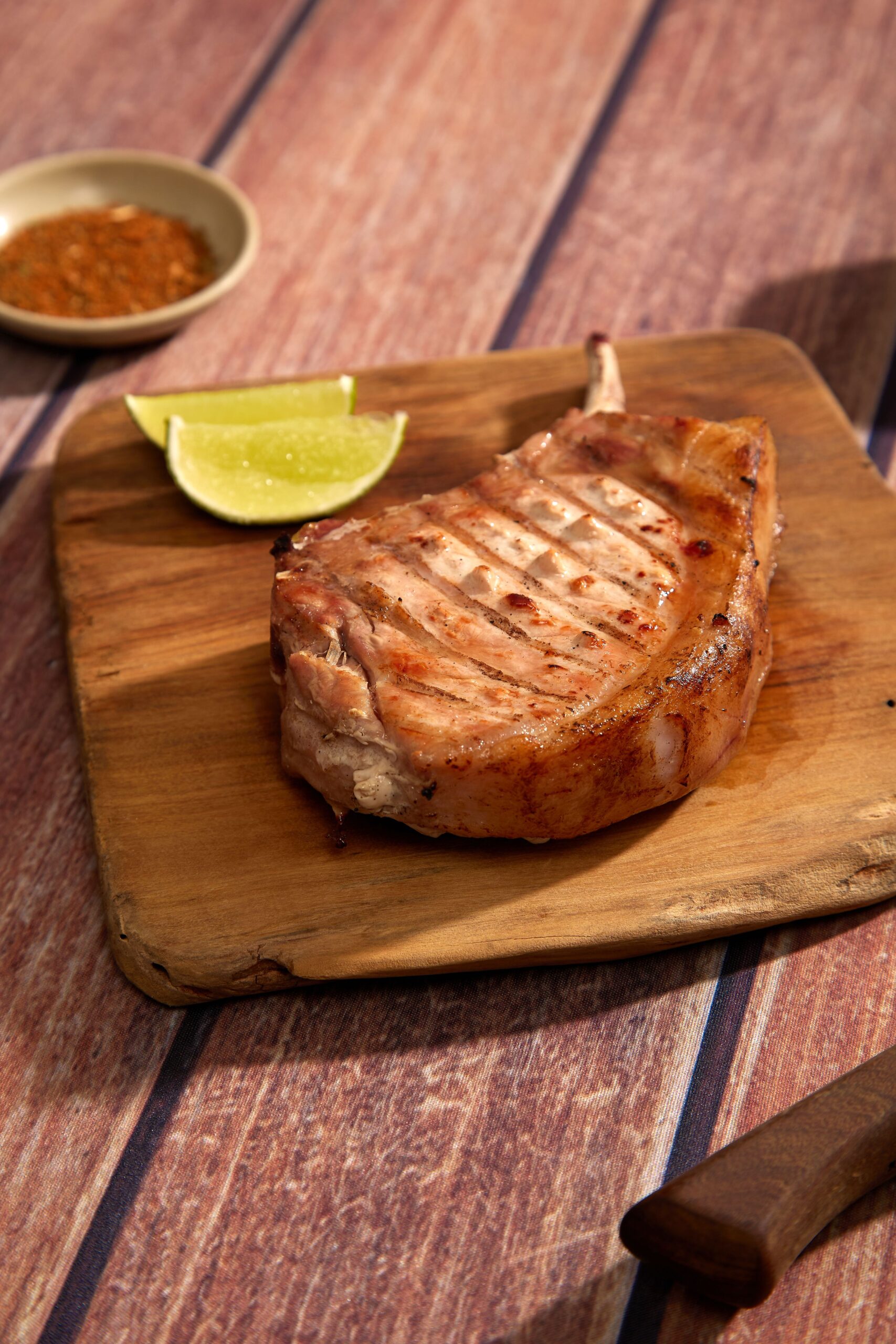
Peaches bring brightness and softness that make pork taste richer by contrast. When cooked just enough to warm through and lightly caramelize, they become a sauce-like topping that feels summery, elegant, and unexpectedly affordable when fruit is in season.
The best versions keep the peaches intact instead of turning them into jam. A skillet with butter, a little onion or shallot, and a splash of vinegar or broth helps create balance. The fruit should stay vibrant, adding sweetness without overwhelming the savory side of the dish.
This recipe looks especially impressive because the color contrast is so appealing. Golden peaches against browned chops create a plate that feels carefully styled. It tastes expensive for the same reason many strong dishes do: it combines richness, acidity, and natural sweetness in one clean bite.
Paprika cream pork chops
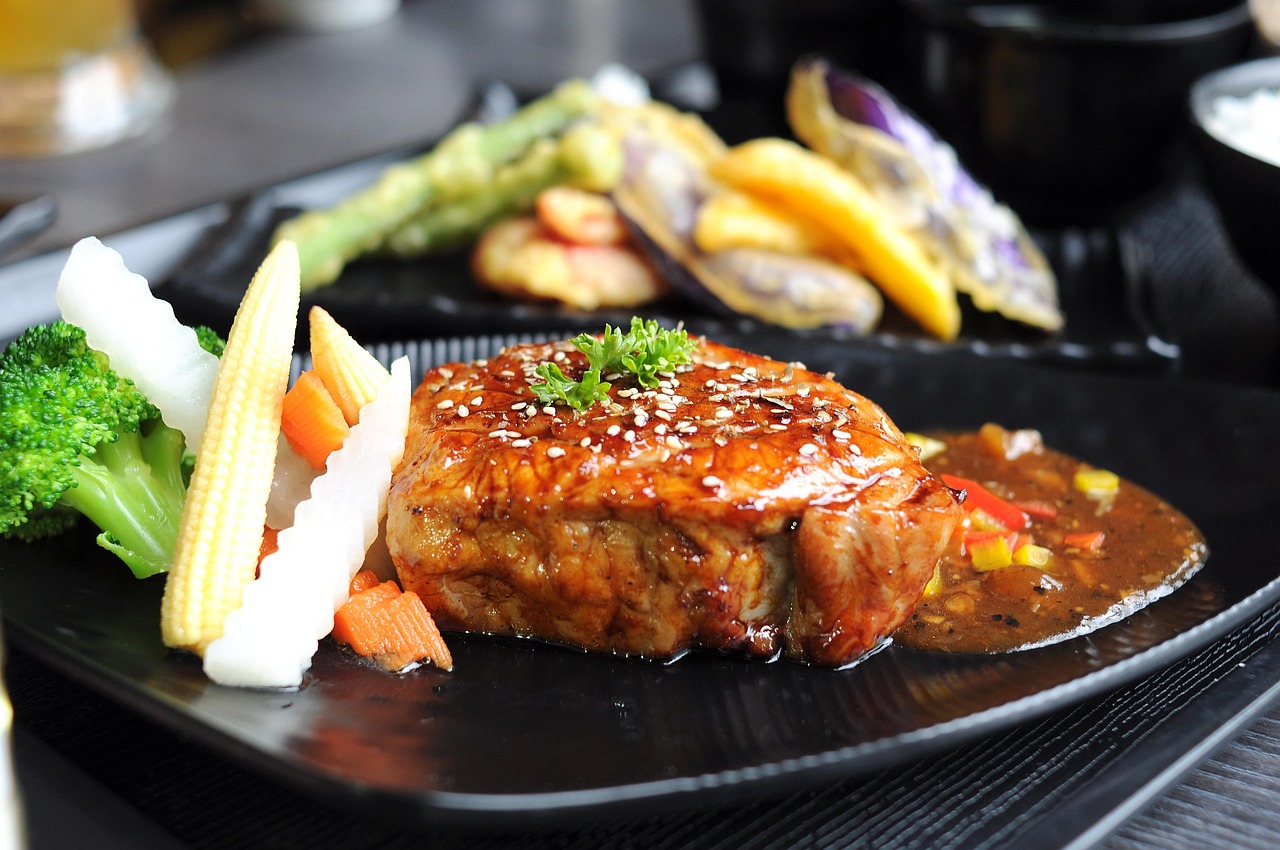
Paprika can make a familiar dish feel more layered almost instantly. In a cream sauce, it adds color, gentle warmth, and a subtle smoky note that gives pork chops a richer, more developed flavor than the short cooking time would suggest.
The recipe usually starts with a good sear, followed by onion or garlic, broth, paprika, and cream. Sweet paprika creates a mellow sauce, while smoked paprika pushes the dish in a more robust direction. Either way, the spice blooms in the fat and helps the whole pan smell inviting.
Because the sauce has both warmth and richness, it pairs well with noodles, mashed potatoes, or buttered cabbage. The chop itself stays the center of the plate, but the paprika changes the personality of the dish. It feels more expensive because the flavor has depth without needing specialty ingredients.
Lemon caper pork chops
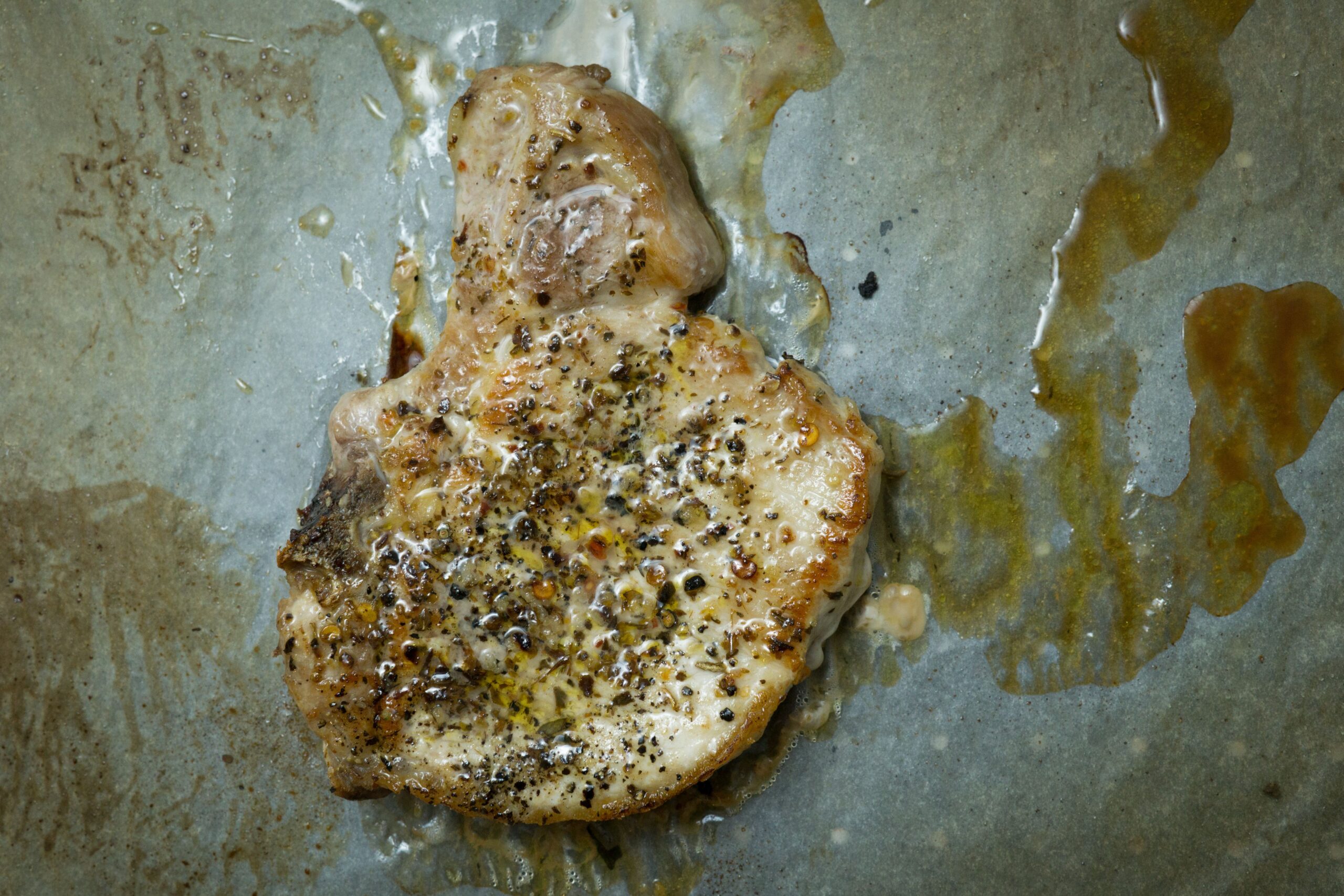
Acid can make a rich cut taste sharper, cleaner, and more refined. Lemon caper pork chops use that principle beautifully, turning a straightforward pan-seared chop into something bright and briny that feels closer to a restaurant supper than a routine weeknight meal.
Capers bring salinity and punch, while lemon adds freshness that cuts through the pork's richness. A quick pan sauce with butter, broth, and lemon juice pulls those elements together. The result is not heavy, but it still tastes complete because the sauce has real contrast built in.
This is a strong choice when you want a dish that feels elegant but not creamy. The flavors are direct, and the sauce is thin enough to keep the meat in focus. With roasted asparagus or a simple pasta, the meal lands with a crisp, confident finish.
Stuffed pork chops
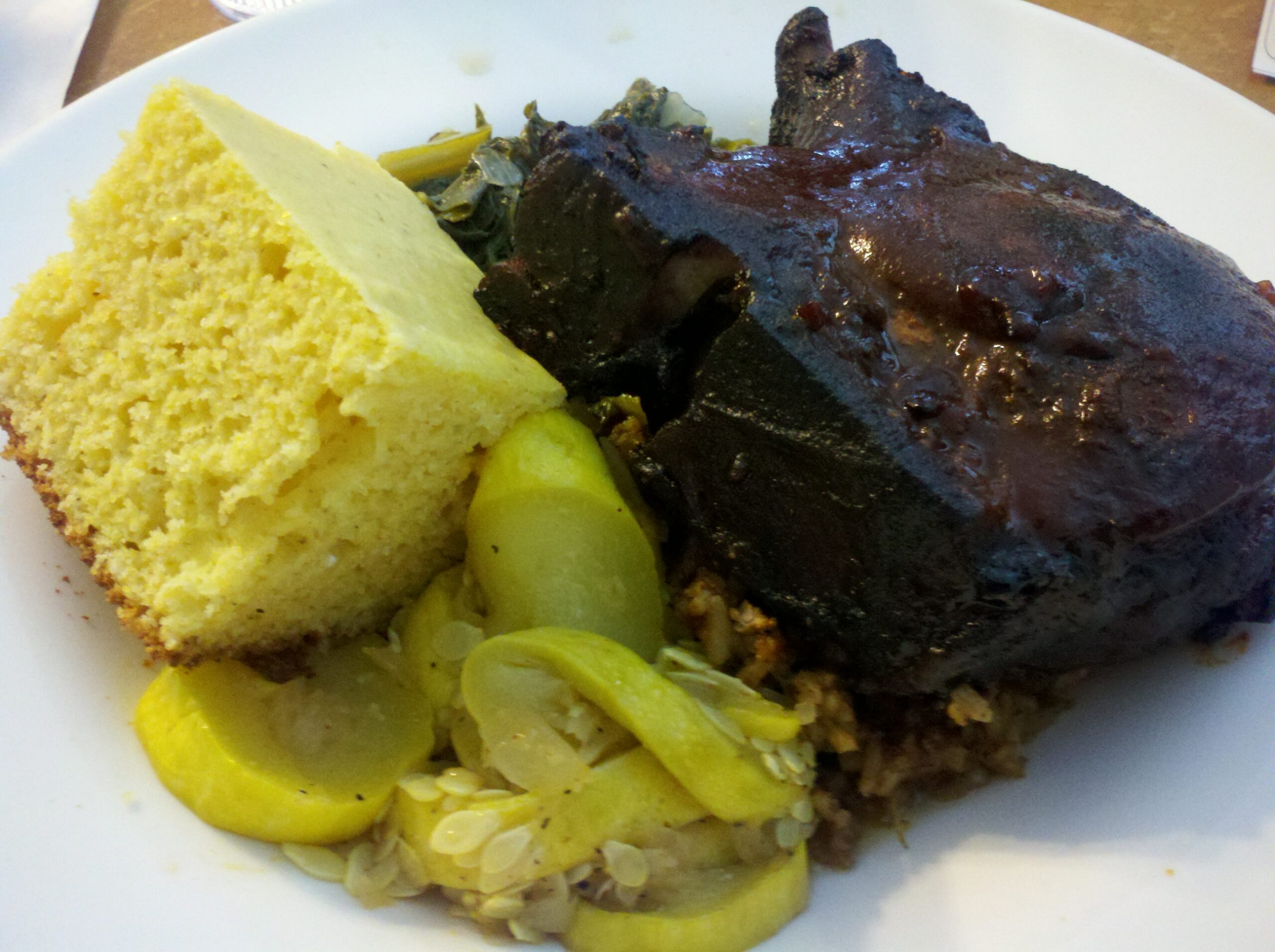
Stuffed pork chops look ambitious, which is exactly why they feel expensive. Cutting a pocket into a thick chop and filling it with a savory mixture creates instant visual impact, even when the filling itself is made from practical ingredients like breadcrumbs, herbs, cheese, or sautéed vegetables.
Because the filling adds moisture and flavor, this style works well for thicker chops that can handle a slightly longer cooking time. Apple and herb stuffing is classic, but spinach and cheese, mushroom mixtures, or garlicky breadcrumbs also work. Each version turns one chop into something that feels more complete.
The value here is not just taste, but presentation. A sliced stuffed chop shows off layers, which makes the plate look far more involved than it really is. That combination of strong appearance and familiar ingredients is exactly what makes this recipe feel like a splurge.
Cider glazed pork chops
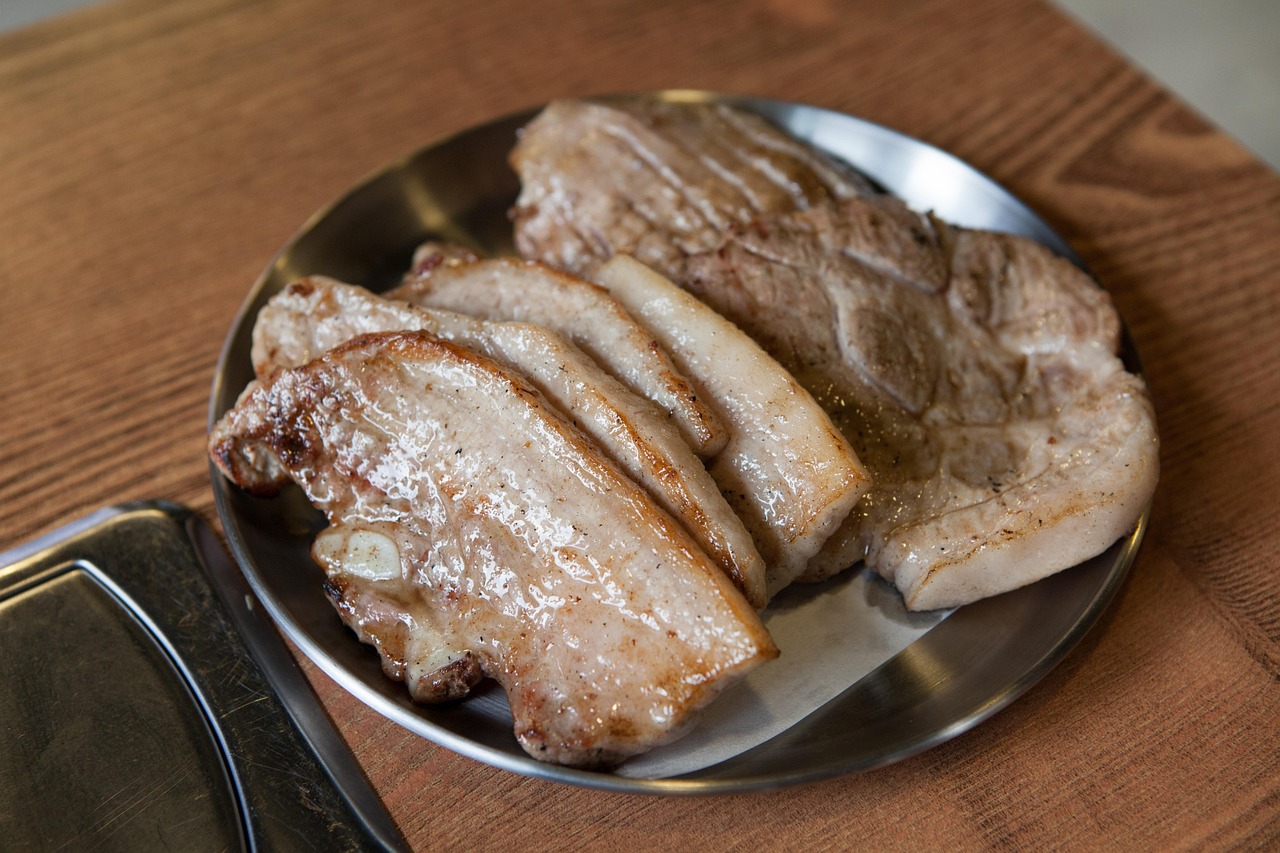
A good cider glaze gives pork chops a finish that feels seasonal and polished. Apple cider brings sweetness and acidity at the same time, and when reduced in the pan, it becomes concentrated enough to taste almost luxurious.
The glaze often starts after the chops are browned, using cider to loosen the flavorful bits stuck to the skillet. As it simmers, it reduces into a sauce with natural fruit depth. Mustard, shallot, or a little butter can make it rounder, but the cider should remain the main note.
This recipe is a satisfying closer because it captures what makes pork chops such a smart buy. They pair easily with ingredients that feel classic and comforting, yet the final plate can still look and taste dinner-party worthy. That is the sweet spot: affordable cooking with a genuinely elevated result.




Leave a Reply