
A trip to the grocery store can feel routine, but it quietly reveals how a country eats, budgets, and plans daily life. In Canada and the United States, many supermarket habits look similar at first glance, yet the details often split in surprising ways. From milk packaging to loyalty culture, these small choices add up to two distinct shopping mindsets.
Bagged Milk vs. Jug Milk
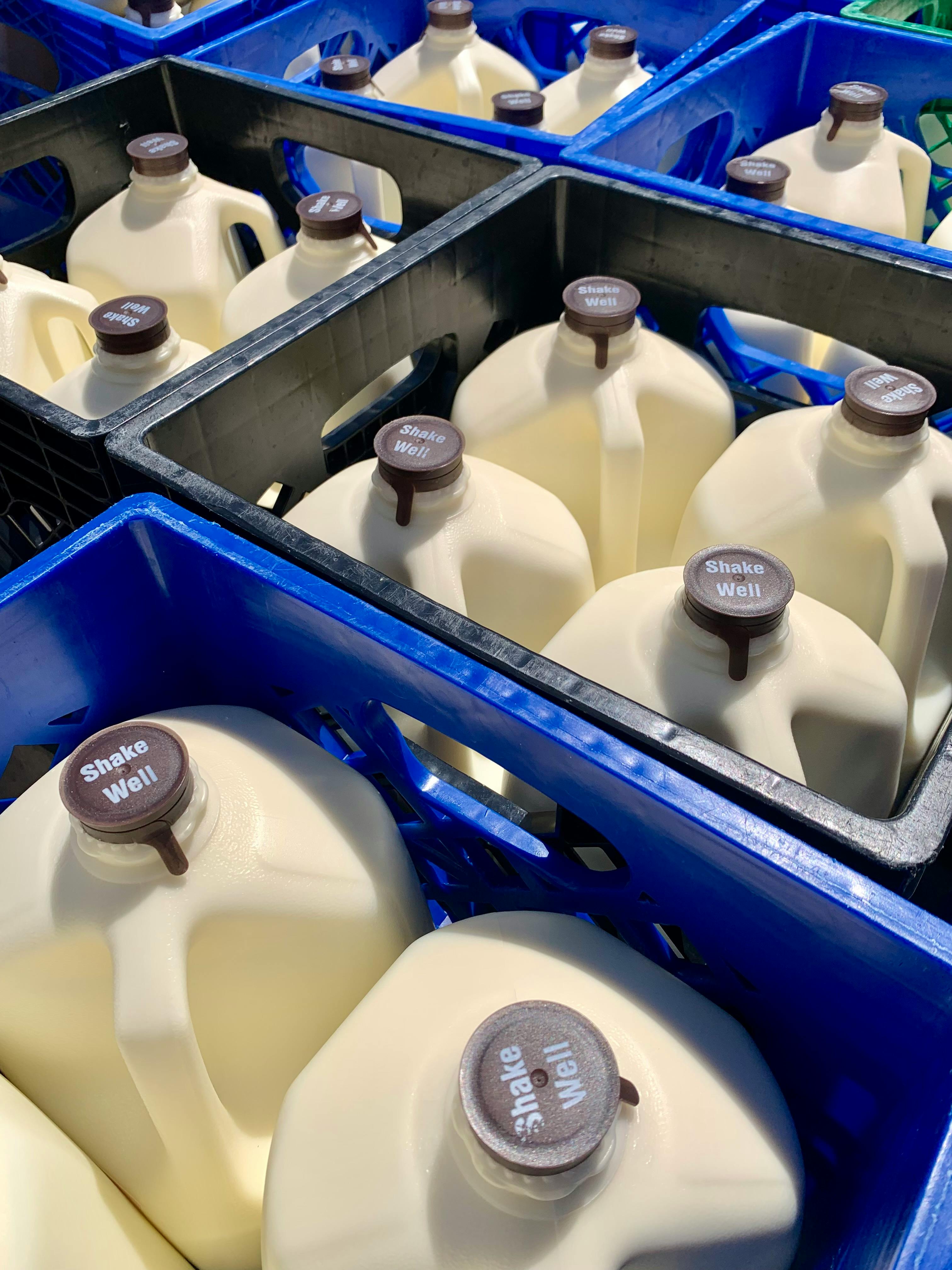
Nothing says grocery culture shock quite like the milk aisle. In parts of Canada, especially Ontario, shoppers commonly buy milk in plastic bags that are placed into a reusable pitcher at home. In the United States, gallon jugs and paper cartons are the familiar standard, and many shoppers find bagged milk unusual at first glance.
The difference is partly regional and partly historical. Bagged milk became popular in Canada when metric packaging changes made flexible formats more practical and often cheaper to produce and transport. American shoppers, meanwhile, stayed loyal to rigid containers that are easy to stack, pour, and recognize instantly.
That one product tells a larger story about habit. Canadians in bagged-milk regions often see it as normal and efficient, while many Americans view the jug as the more convenient, no-fuss option.
Supply-Managed Dairy and Egg Prices
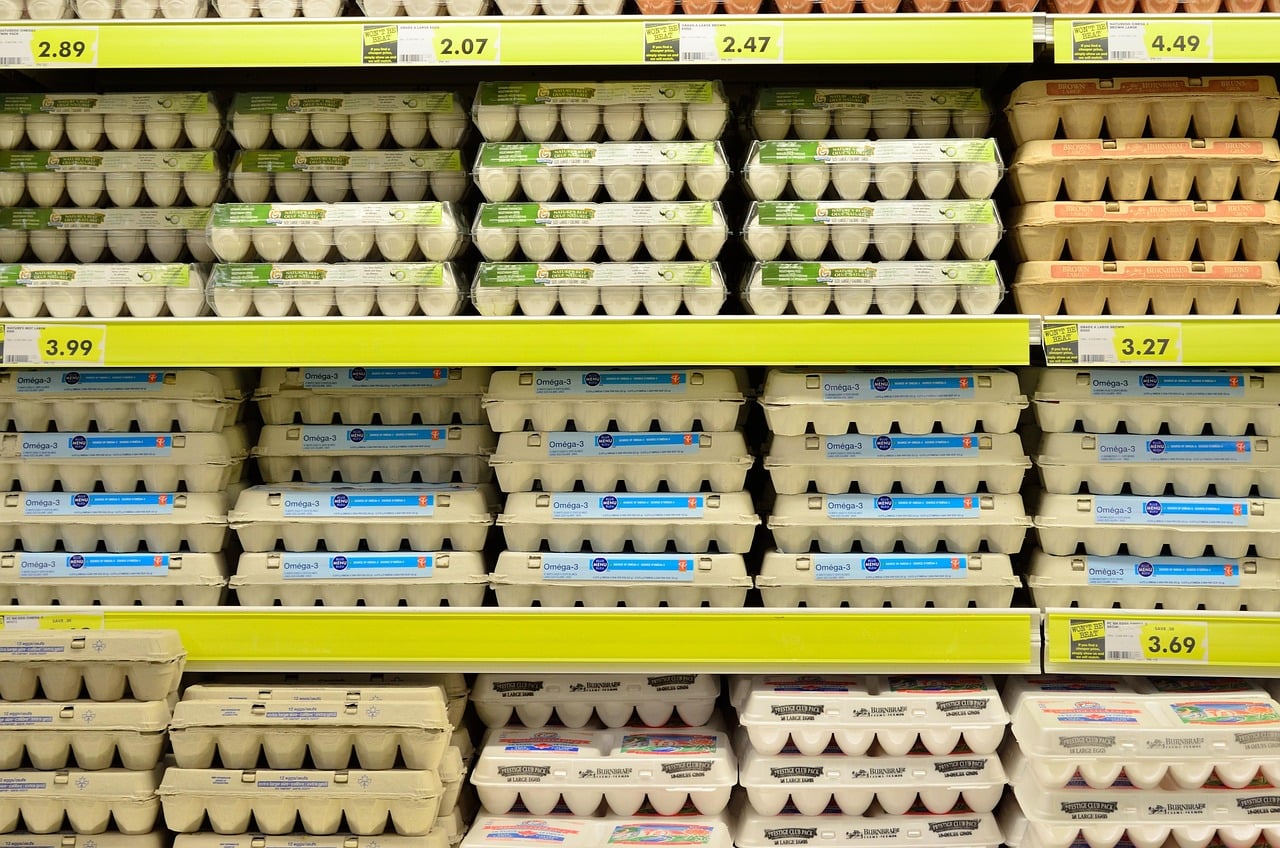
Price tags can reveal national policy in a heartbeat. Canadian shoppers often pay more for dairy, eggs, and poultry because the country uses a supply management system that controls production and limits imports. The goal is to support farm stability and reduce dramatic swings in prices and supply.
American shoppers usually see a more open market, which can mean lower shelf prices but also sharper changes tied to feed costs, demand, weather, and trade pressures. In the U.S., promotions can be aggressive, especially on staple items that retailers use to draw people into the store.
That creates a real divide in shopping behavior. Canadians may expect steadier pricing and fewer deep discounts in these categories, while Americans are more accustomed to hunting for deals and timing purchases around sales cycles.
Smaller Weekly Shops vs. Bulk Stock-Ups

The size of a grocery trip often reflects the size of the lifestyle around it. Many Canadians, especially in dense urban areas, are more likely to make smaller weekly or midweek grocery runs. Shorter storage space, colder city commutes on foot, and proximity to neighborhood stores can all shape that rhythm.
In the United States, bulk buying is more deeply woven into shopping culture. Large homes, bigger refrigerators, and a strong warehouse-club tradition encourage shoppers to stock up on pantry staples, frozen foods, and oversized household goods in fewer trips.
Neither style is universal, but the contrast is noticeable. Canadians often shop with a fresher, refill-as-needed mindset, while Americans are more likely to treat grocery shopping as a major haul that prepares the household for days or even weeks.
French Labels and Bilingual Packaging

Packaging can change how a store feels before a shopper even checks the price. In Canada, many grocery items carry bilingual English and French labels, reflecting federal language requirements and the country's national identity. For shoppers, it is a routine part of the retail landscape, especially on packaged goods sold nationwide.
American grocery shelves are typically designed for a primarily English-speaking market, though Spanish appears widely in many regions and product categories. The U.S. approach is more market-driven and less nationally standardized when it comes to multilingual packaging.
That difference shapes the visual experience of shopping. Canadian aisles often feel more uniform across provinces in labeling rules, while American shelves can vary more by neighborhood, retailer, and local demographics.
Store Brands and National Trust
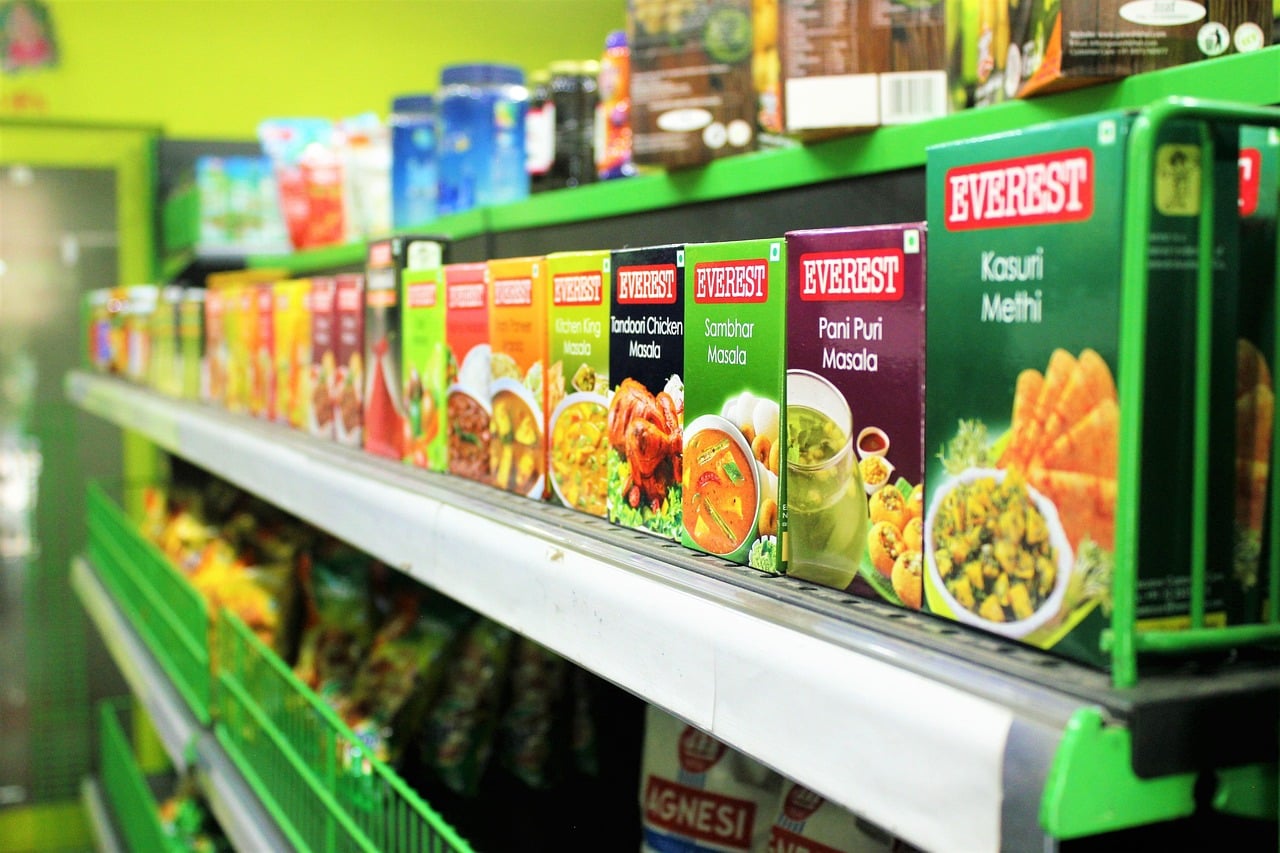
Private labels tell you a lot about what shoppers are willing to trust. In both countries, store brands have grown far beyond bargain basics, but Canadian consumers often show especially strong loyalty to chains with recognizable in-house lines. Labels tied to Loblaw, Sobeys, Metro, and Costco can carry real credibility, particularly when national options are fewer.
American shoppers also buy store brands in huge numbers, yet the market is more fragmented. With more chains, more regional competitors, and a wider spread of premium national brands, shoppers often move between generic savings, premium private labels, and heavily promoted name brands.
The result is subtle but meaningful. Canadians may treat some store brands almost like household institutions, while Americans more often compare them against an endless rotation of deals, coupons, and brand-specific promotions.
Coupon Culture and Digital Deal Hunting
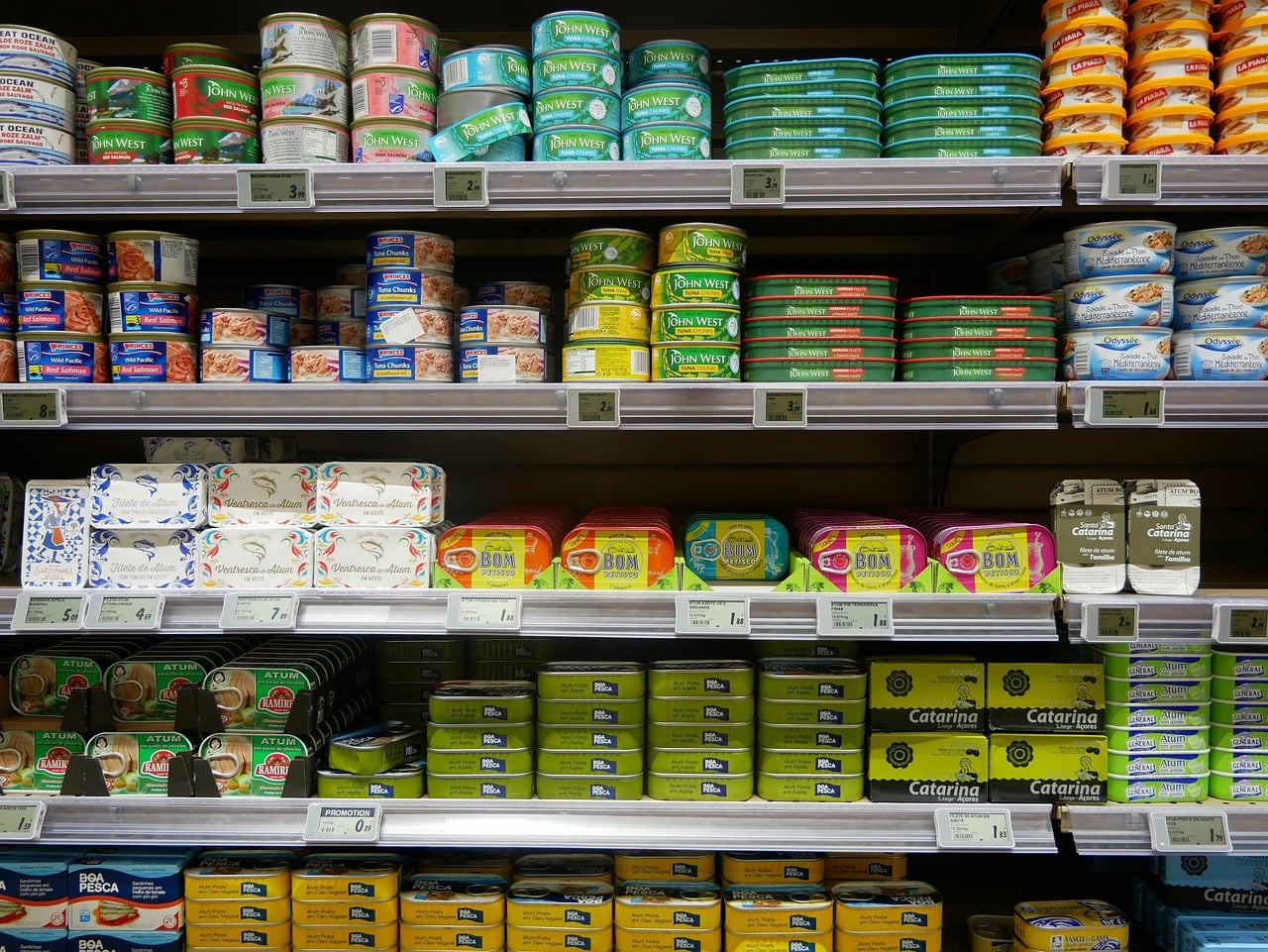
Savings mean something different on each side of the border. In the United States, coupon culture has long been part of grocery life, from Sunday inserts to app-based promotions and loyalty-linked discounts. Many shoppers build lists around deals, stack offers when allowed, and treat sale timing as a strategy, not an afterthought.
Canadians use coupons too, but the culture is generally less intense. There are fewer extreme discount opportunities, and some stores rely more on straightforward weekly specials or loyalty points than on the kind of layered couponing common in the U.S.
That changes how shoppers prepare. Americans are more likely to compare apps and chase limited promotions, while Canadians often shop with a simpler expectation that savings will come from flyers, house brands, and a few dependable rewards programs.
Loyalty Points as a Shopping Ritual

In Canada, loyalty points are often more than a nice extra. Programs tied to major grocery and pharmacy chains have become a routine part of how many households shop, save, and even decide where to fill a basket. Points can feel tangible because they are redeemed often on everyday items, not just occasional perks.
American shoppers use loyalty programs widely too, but many systems focus more directly on instant discounts, member pricing, or retailer-specific apps. The savings are real, yet the emotional attachment to points as a kind of household currency can be less pronounced depending on the chain.
This creates a different shopping mindset. Canadians may plan purchases around maximizing points value over time, while Americans are often more interested in the immediate markdown visible at checkout.
Prepared Foods and Rotisserie Convenience
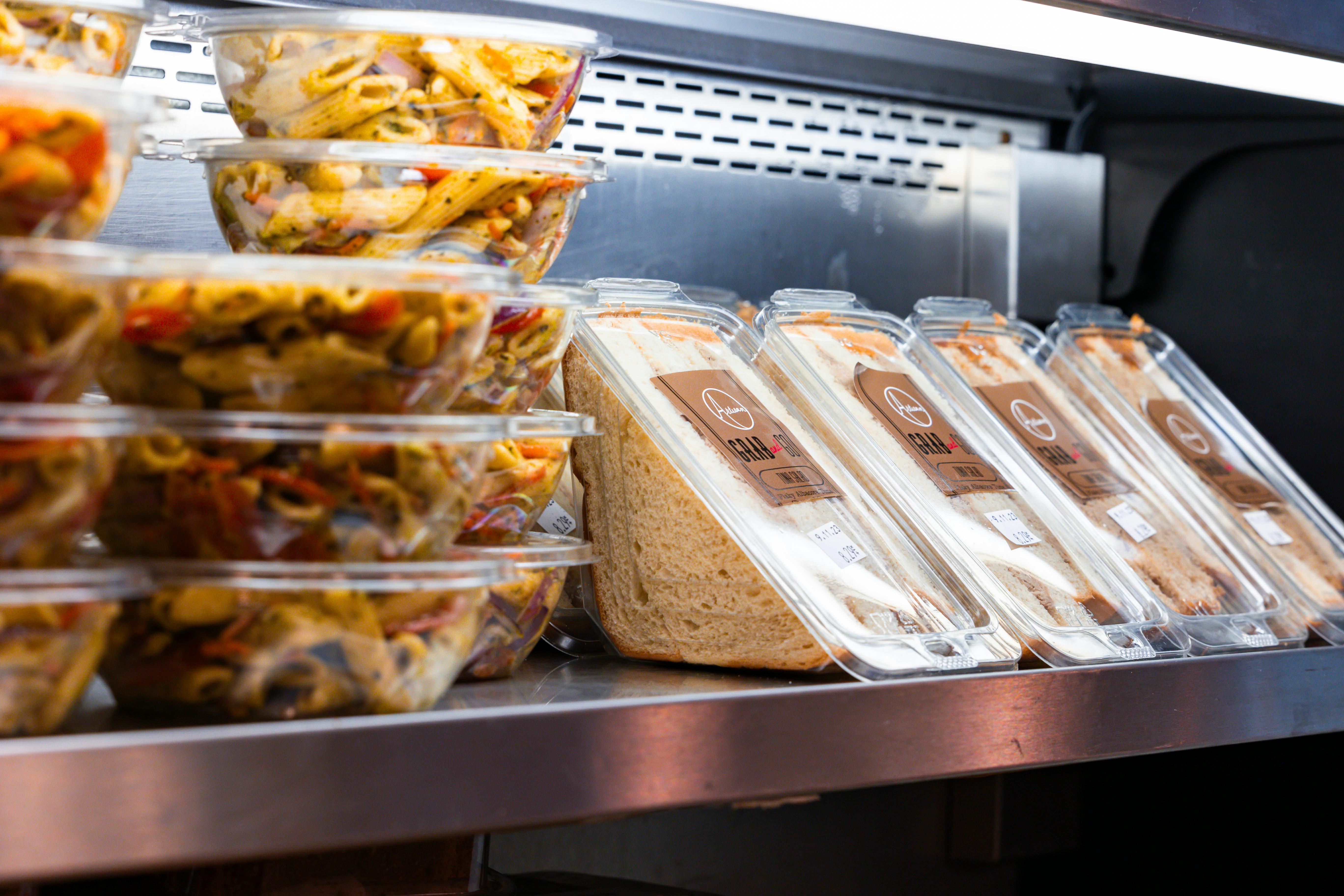
The modern grocery store is also a kitchen, but not always in the same way. American supermarkets often lean heavily into prepared foods, deli bars, take-home meals, and giant rotisserie chicken displays that turn grocery shopping into dinner planning. For many busy families, the supermarket competes directly with fast casual restaurants.
Canadian stores offer prepared foods too, especially in large cities, but the mix can be a bit more restrained depending on region and chain. Fresh counters matter, yet many shoppers still build meals from ingredients rather than treating the store as a ready-made dinner hub.
That distinction influences what goes in the cart. Americans may expect hot food and meal bundles as part of the trip, while Canadians are somewhat more likely to see those options as helpful extras rather than the main event.
Cross-Border Brand Familiarity
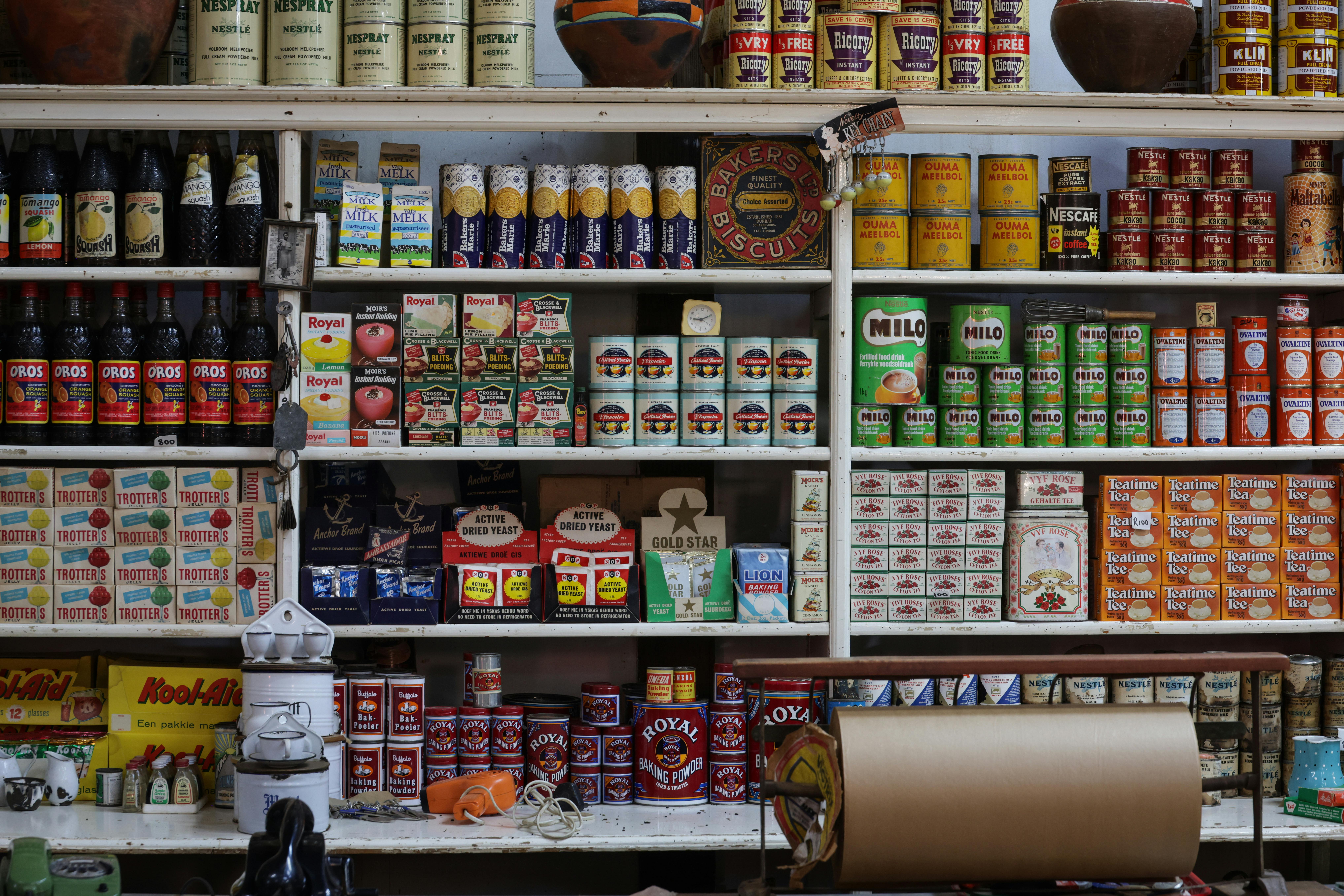
Brand loyalty gets complicated fast when two neighboring countries stock different versions of everyday products. Canadians often grow up with labels, flavors, and package sizes that look familiar at home but differ from what Americans expect, even within the same multinational companies. Recipes, regulations, and market preferences all help shape those differences.
American shoppers are used to a larger volume of national brands and more aggressive product variation across snacks, cereals, frozen meals, and beverages. Canadians may have fewer total choices in some categories, but often stronger attachment to a core set of trusted names.
That means grocery shopping can feel oddly personal across the border. A favorite yogurt, chip flavor, or chocolate bar may be ordinary in one country and missing or reformulated in the other.
Alcohol Sales in Grocery Stores
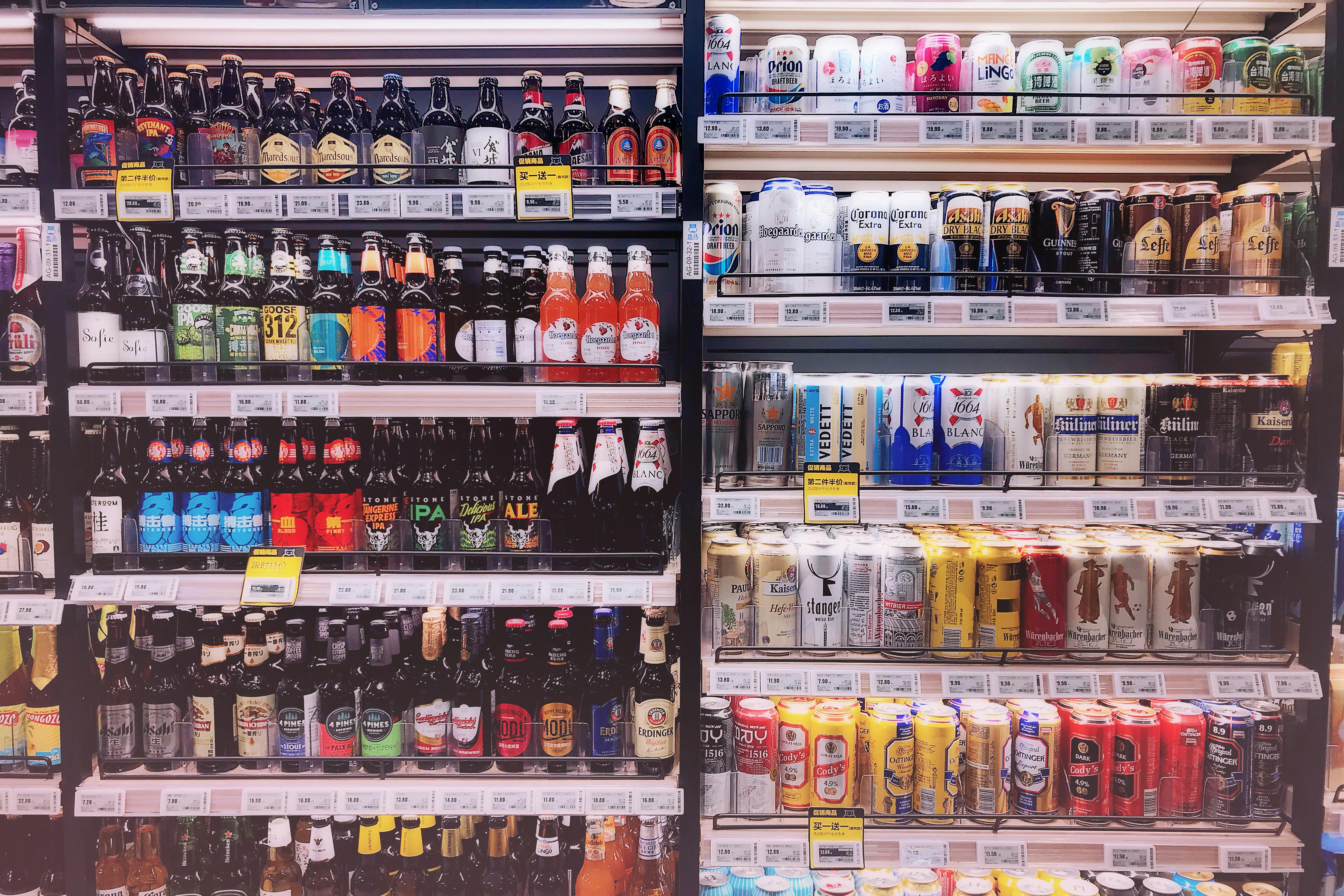
One of the clearest shopping divides sits nowhere near produce. In much of the United States, buying beer or wine at the grocery store is common, though rules vary sharply by state and county. For many Americans, adding a bottle of wine to the cart feels like a normal part of the weekly food run.
Canada has historically had tighter provincial control over alcohol sales. Some provinces now allow beer, wine, or cider in grocery stores, but availability remains more regulated and less consistent than many Americans expect. Dedicated liquor stores still play a major role.
That changes the shape of the errand itself. Americans may combine food and alcohol shopping in one stop, while Canadians are more used to planning around separate retail systems and province-specific rules.
Sales Tax at Checkout

Nothing disrupts a mental grocery budget like the total changing at the register. In Canada, many basic groceries are zero-rated for GST or HST, but some snack foods, prepared items, and beverages may be taxed depending on how they are classified. Shoppers often know that not everything in the cart is treated equally.
In the United States, sales tax rules on groceries vary by state, and some states fully exempt food while others tax certain grocery items or prepared foods differently. That patchwork means shoppers can have very different expectations depending on where they live.
The habit this creates is subtle. Canadians may be more used to category-based tax distinctions within a grocery run, while Americans often think in local terms, shaped by state law rather than one broadly shared national approach.
Seasonal Produce Expectations
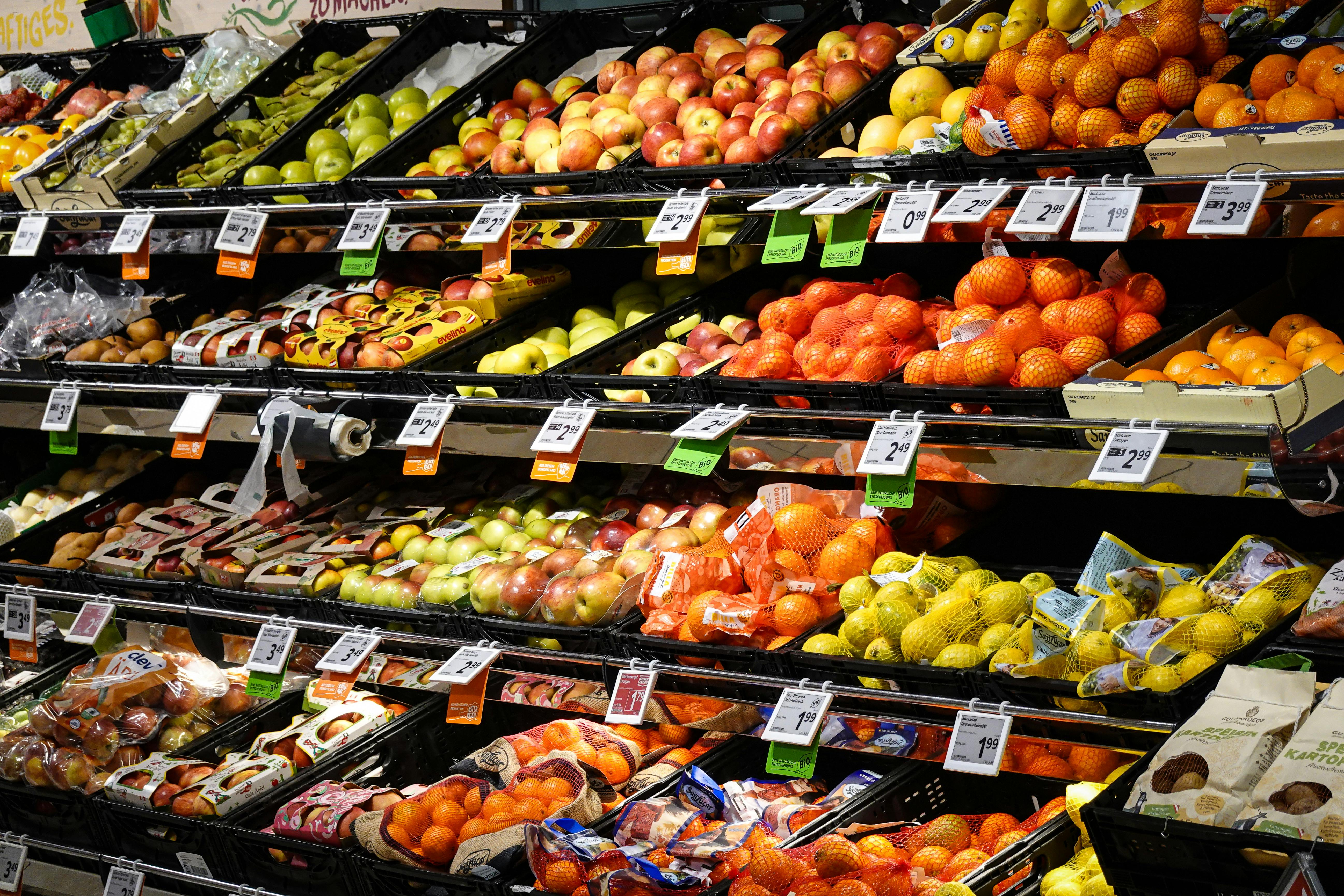
Fresh produce can reveal climate, logistics, and consumer patience all at once. Canadians, facing longer winters and greater reliance on imported fruits and vegetables for much of the year, are often more accustomed to seasonal limits, higher off-season prices, and the reality that some produce simply tastes better in summer.
American shoppers, especially in warmer regions, often have broader year-round access to fresh produce and may expect a wider range of items in good condition every month. Large domestic growing regions in states like California, Florida, and Arizona help support that expectation.
This shapes how people shop and cook. Canadians may pivot more readily to root vegetables, frozen produce, and seasonal planning, while Americans can be more likely to expect strawberries, lettuce, and herbs as standard staples all year long.




Leave a Reply