
A good chicken casserole does two jobs at once: it feeds people well and makes leftovers worth saving. These 12 recipes show how flexible the format can be, from old-school noodle bakes to Tex-Mex trays with crisp edges and plenty of flavor.
Chicken noodle casserole
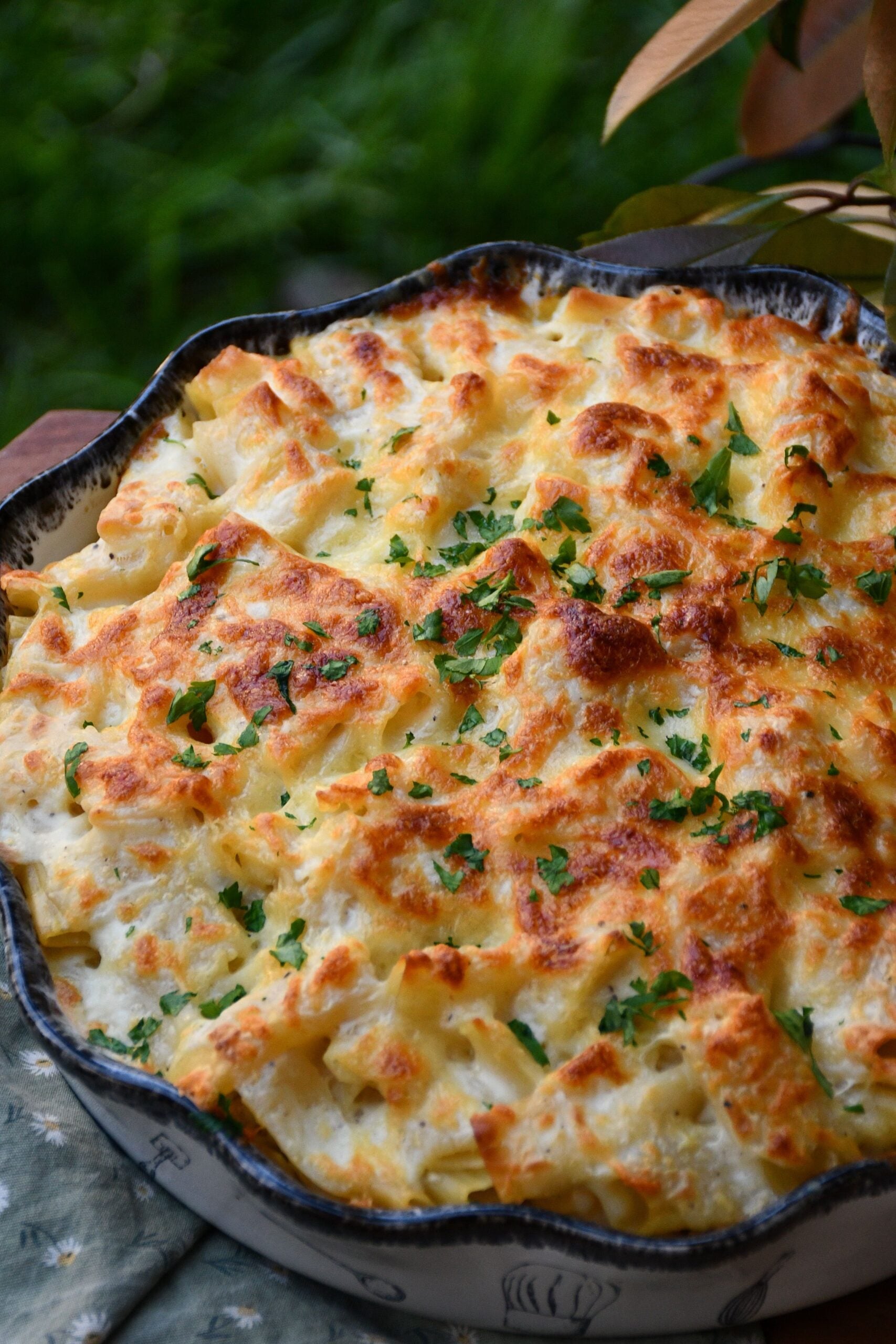
This is the casserole many home cooks picture first, and for good reason. It borrows the comfort of chicken noodle soup but turns it into a baked dinner with more body and texture. Egg noodles hold up especially well here because they stay tender without turning mushy.
Most versions start with cooked chicken, a creamy binder, and vegetables like peas, carrots, or celery. A topping of buttered breadcrumbs or crushed crackers adds contrast, which matters in a casserole that is otherwise soft and rich. That crisp layer is not decoration, it is part of what makes each bite feel complete.
Rotisserie chicken is a practical choice because it brings seasoned meat and saves time on a weeknight. If you make this ahead, keeping the topping separate until baking helps preserve crunch. It is a strong opener for any comfort food spread because it tastes familiar, reheats well, and suits almost any season.
Chicken and rice casserole
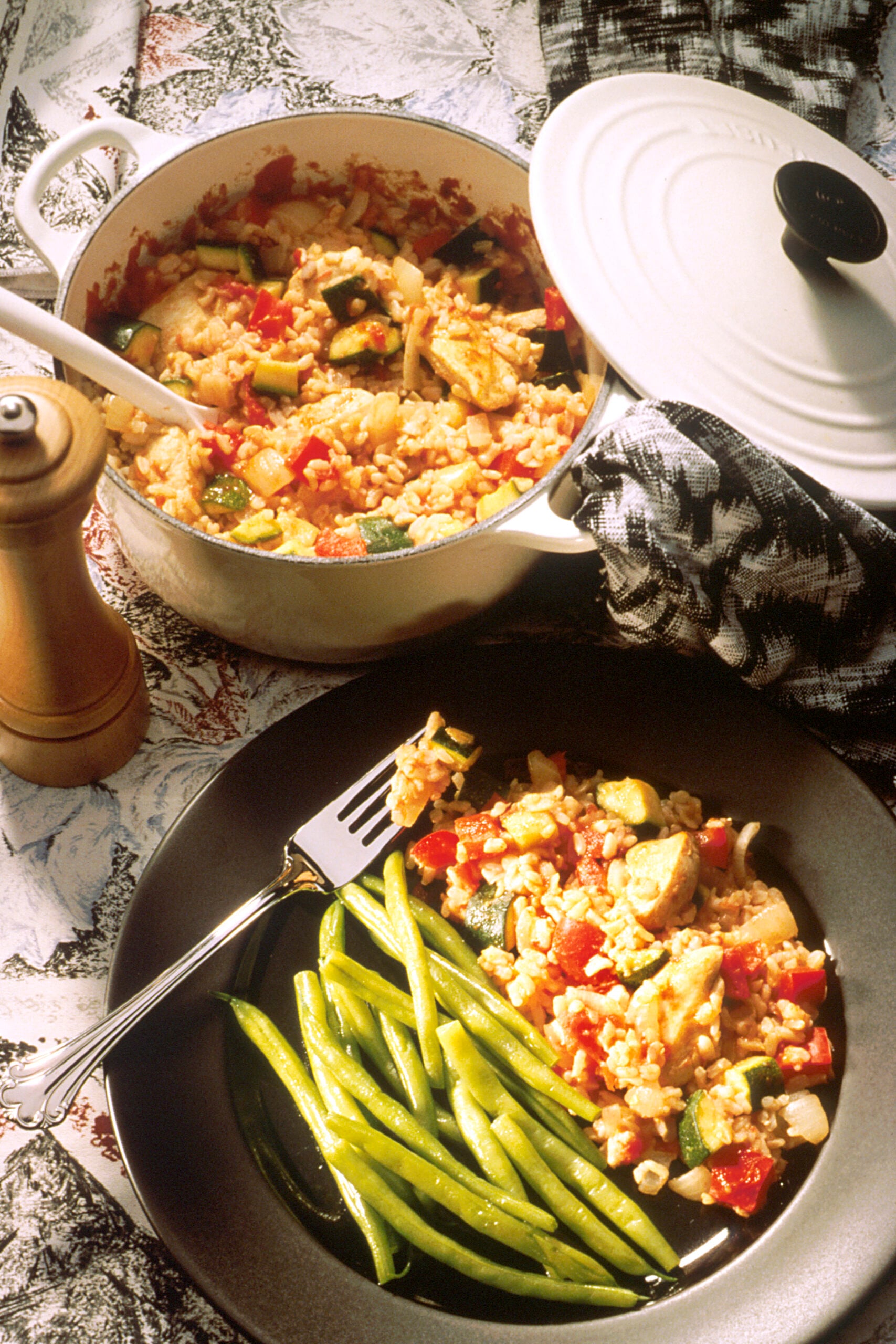
Few casseroles feel more rooted in home cooking than chicken and rice. Rice absorbs stock and cream as it bakes, which gives the dish flavor from the inside rather than leaving sauce pooled around the edges. The result is filling, steady, and easy to portion.
Long grain white rice is common because it cooks evenly and stays distinct, while brown rice usually needs extra liquid and time. Many cooks build the base with onion, garlic, and broth before adding cream soup or sour cream for richness. That layering matters because plain rice can mute seasoning if the mixture is not assertive enough.
This is also one of the easiest casseroles to adapt. Broccoli, mushrooms, or cheddar fit naturally, and cooked wild rice can add a nuttier flavor for a more rustic feel. It is the sort of dish people return to because it uses pantry staples and still feels like a complete dinner.
Chicken broccoli casserole
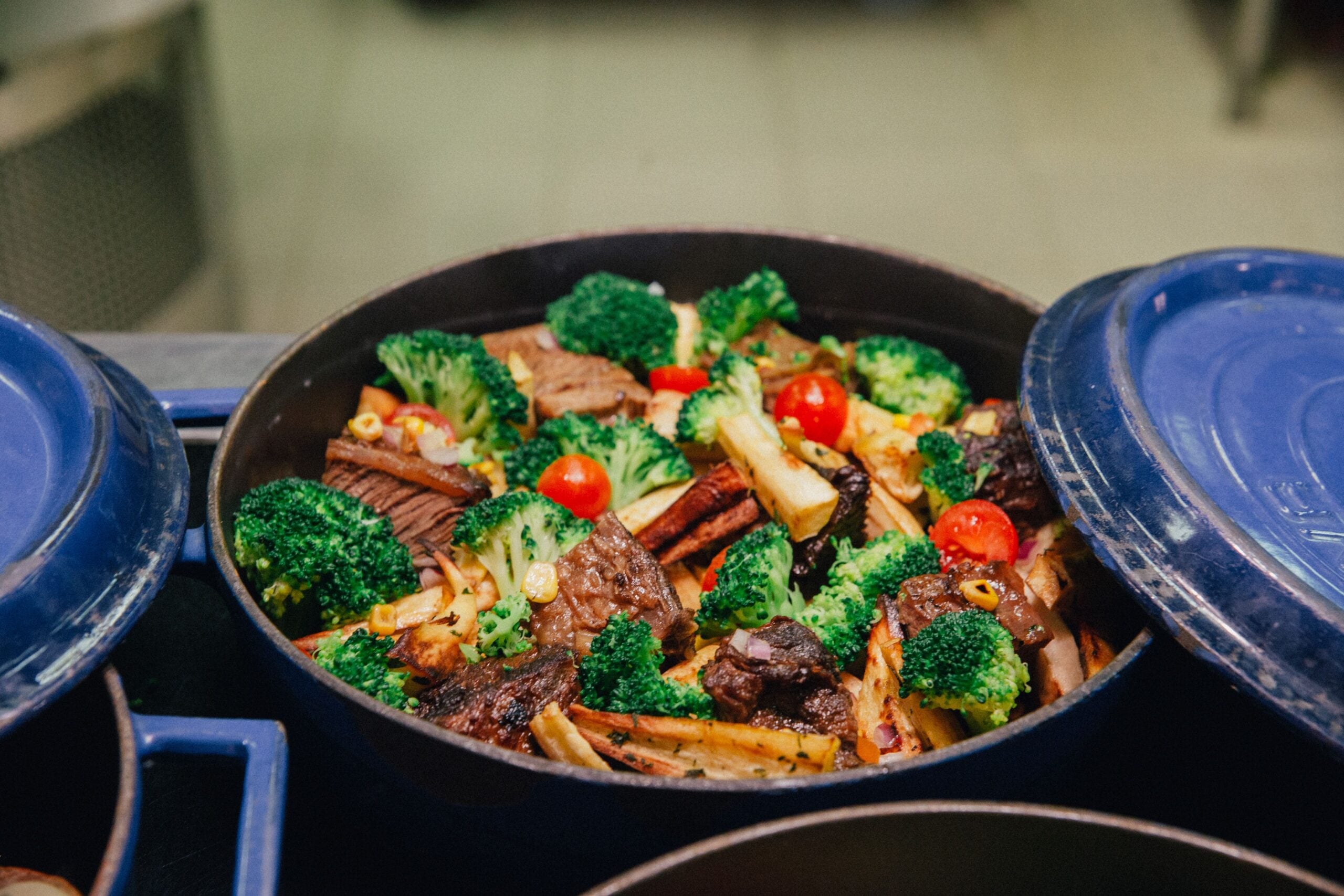
This version works because it balances richness with a vegetable that can stand up to it. Broccoli keeps its identity in the oven, especially when it is blanched briefly first, so the casserole tastes fresh rather than heavy from start to finish. That balance is why it remains a dependable potluck and family dinner choice.
The classic combination includes cooked chicken, broccoli florets, cheese, and a creamy sauce. Cheddar is common, but a mix with Parmesan can sharpen the flavor and keep the dish from tasting flat. Rice often appears underneath, turning the casserole into a one-pan meal rather than a side-forward bake.
One practical detail makes a big difference: draining the broccoli well. Excess water can thin the sauce and leave the center loose. When made carefully, this casserole offers exactly what many people want from comfort food, warmth and fullness, with enough green on the plate to feel grounded.
Chicken pot pie casserole
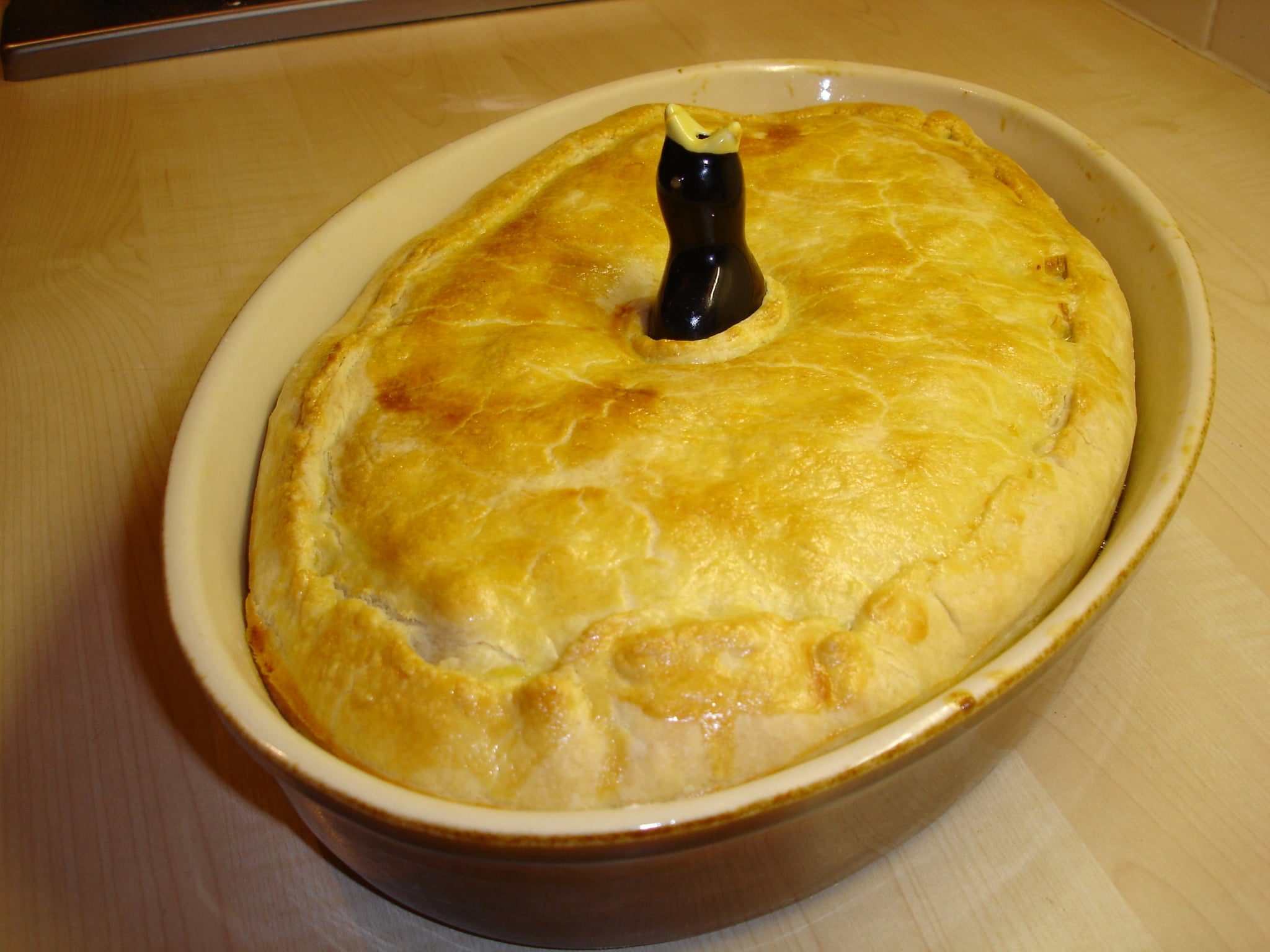
This casserole captures the flavor of chicken pot pie without requiring a traditional pie crust. Instead of rolling dough, cooks often use biscuits, puff pastry, or a baked topping that delivers the same golden finish with less effort. That swap is part of why the dish is so popular with busy households.
The filling usually centers on chicken, carrots, peas, celery, onion, and a thick gravy-style sauce. Texture matters here more than in many casseroles because the contrast between the creamy base and the crisp top is the point. If the sauce is too thin, the topping can sink or soften before it browns properly.
Using leftover roast chicken gives the dish a deeper flavor than plain poached meat. Fresh thyme or black pepper can push it closer to a true pot pie profile without adding complexity. It is a smart middle-of-the-week dinner because it feels generous and familiar, yet it comes together faster than a classic pie.
Buffalo chicken casserole
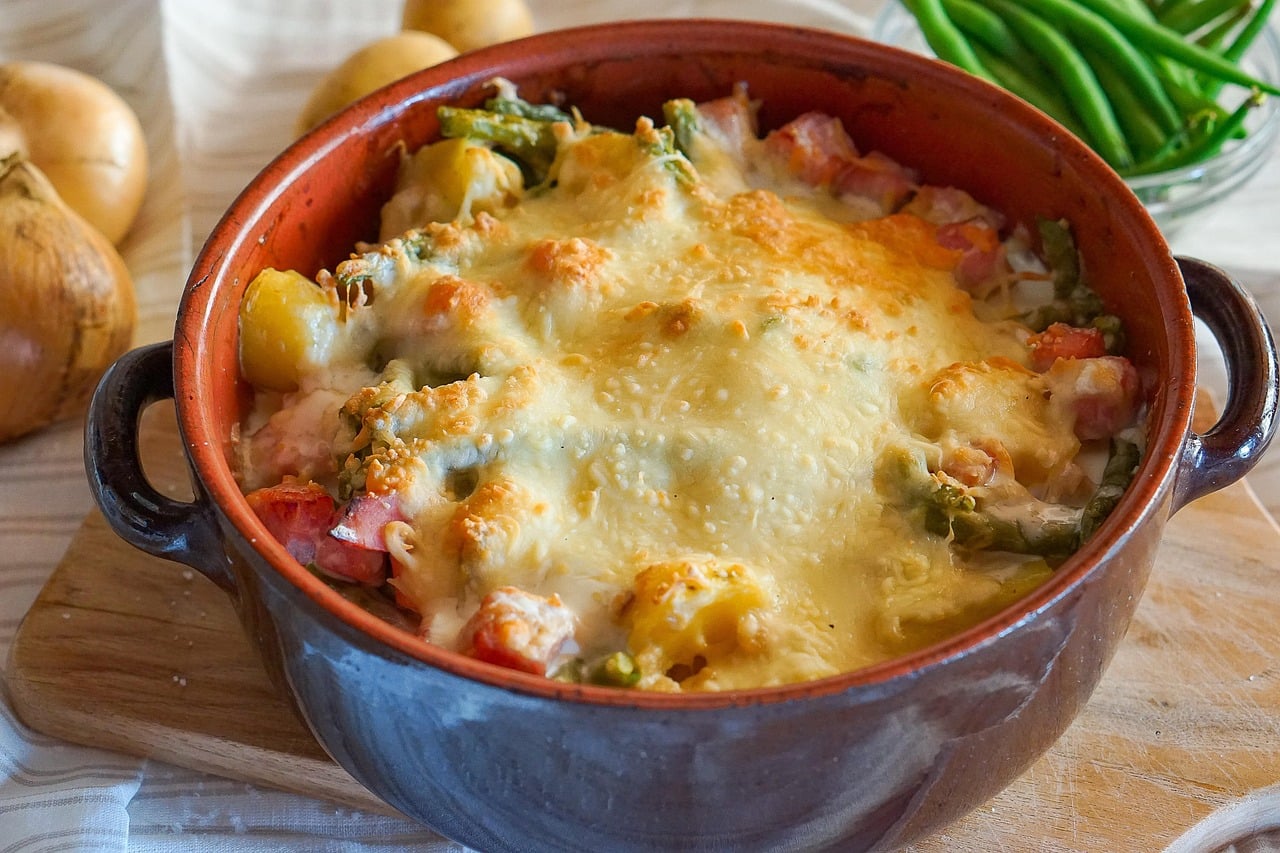
Some casseroles lean gentle, but this one arrives with heat and tang. Buffalo chicken casserole takes the flavor profile of bar food and reshapes it into a baked main dish that feeds a crowd. It is especially effective for casual gatherings because the taste is instantly recognizable.
Shredded chicken is usually mixed with hot sauce, a creamy element such as cream cheese or ranch, and a starch like pasta, potatoes, or rice. Cheese helps smooth the sharper edges of the sauce, while scallions or celery can add the cooling crunch associated with Buffalo wings. That combination keeps the dish from becoming one-note.
The key is balance, not maximum spice. Too much hot sauce can dominate the casserole and bury the chicken. Done well, this bake offers a strong contrast to milder classics and brings energy to a comfort food lineup without asking cooks to learn a complicated technique.
Chicken enchilada casserole
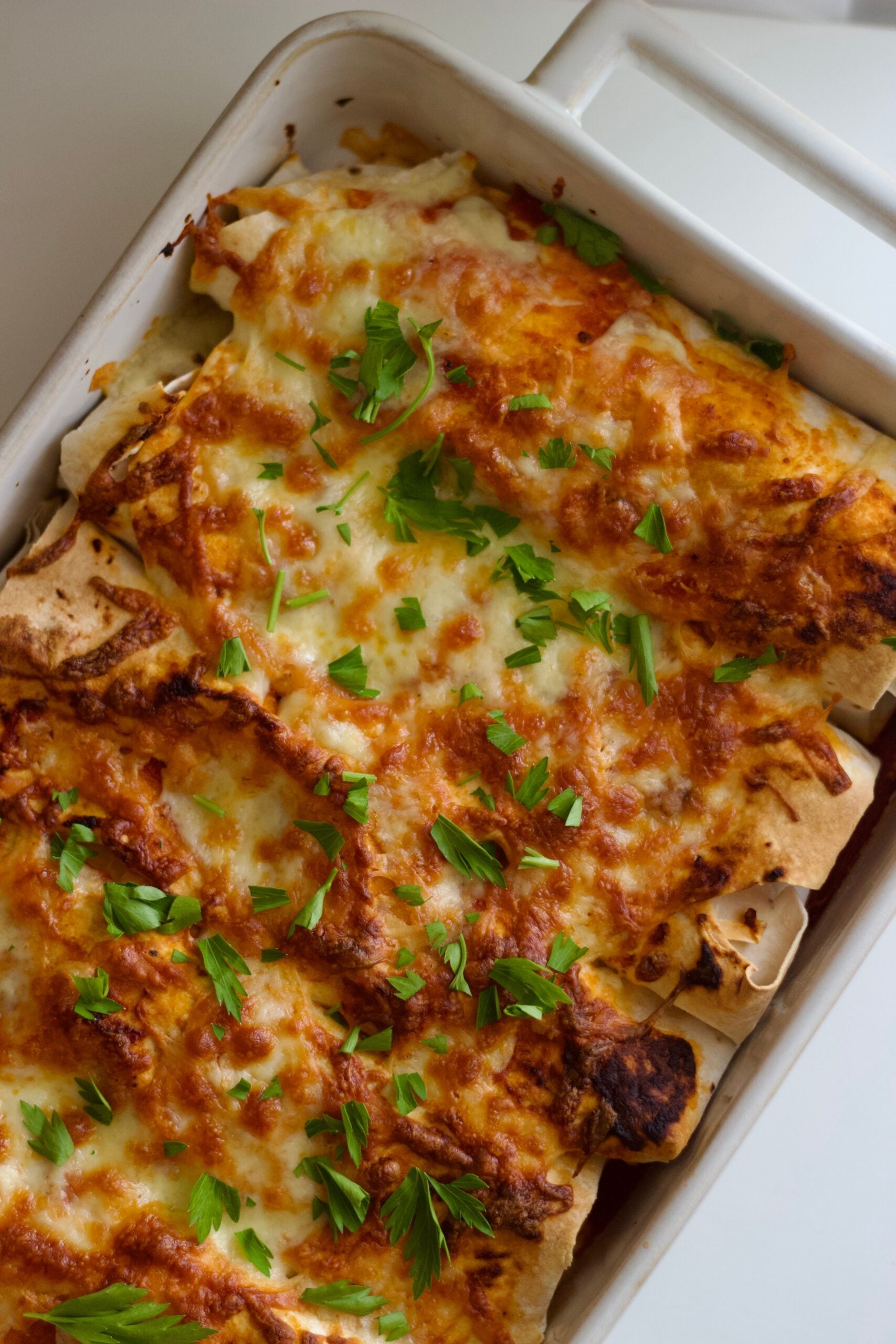
This casserole keeps the spirit of enchiladas while skipping the step of filling and rolling tortillas one by one. Layers of tortillas, chicken, sauce, and cheese create the same flavors in a more weeknight-friendly form. It is one of the clearest examples of how casseroles can simplify a beloved dish without losing its character.
Red enchilada sauce is the usual base, though green sauce gives a brighter, tangier result. Corn tortillas are traditional in flavor and texture, and lightly warming them first can make layering easier. Beans, chiles, onions, and cilantro often join the mix, turning the bake into a full meal with little else needed.
Because tortillas absorb liquid as they sit, this is a casserole that benefits from measured sauce rather than guesswork. Too little leaves dry corners, while too much can blur the layers. When the ratio is right, the slices hold together cleanly and deliver the familiar comfort of enchiladas in every forkful.
Chicken tetrazzini
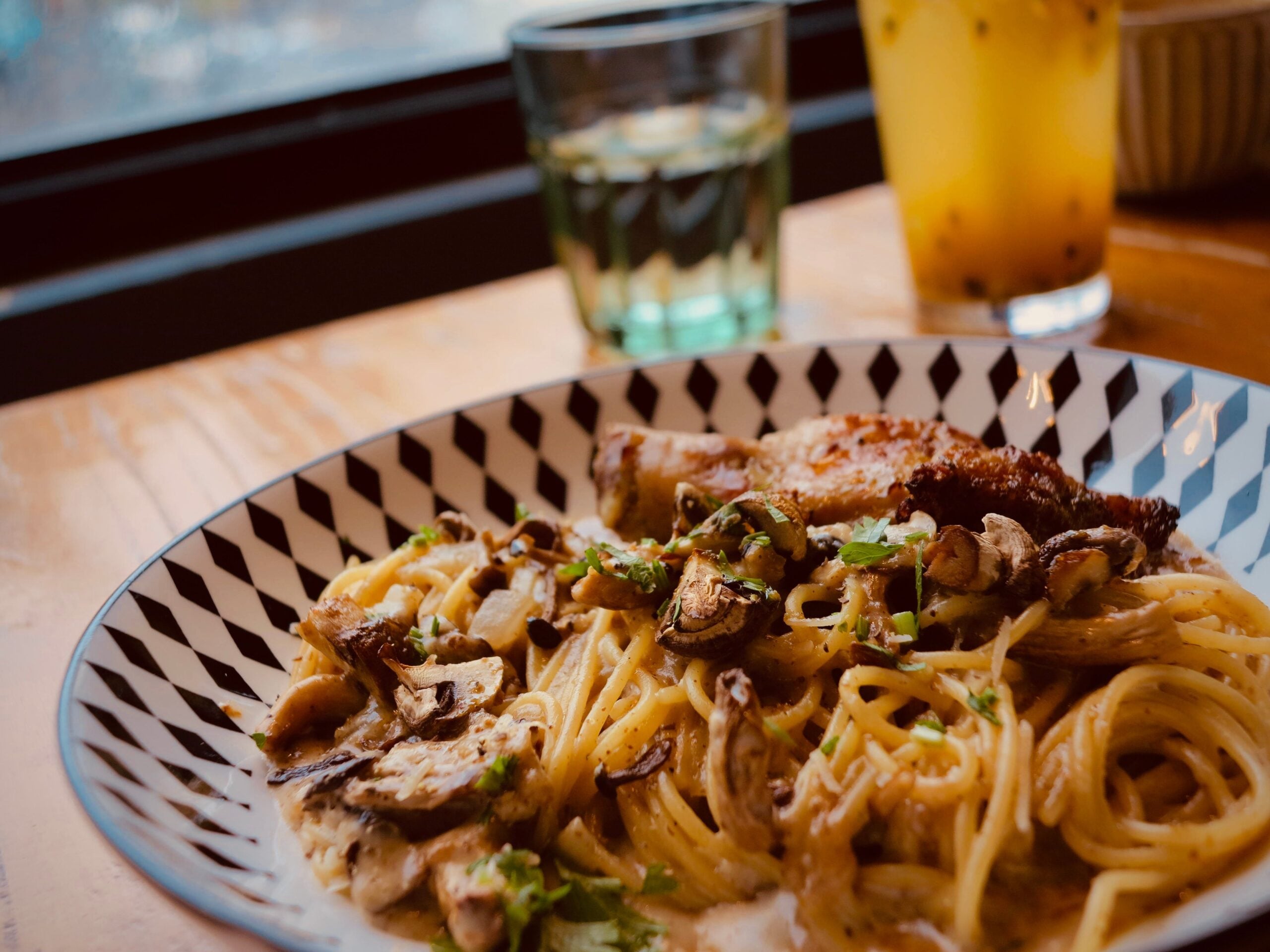
Chicken tetrazzini sits at the intersection of casserole and pasta bake. Usually made with spaghetti or another long pasta, it combines chicken with a creamy sauce and often mushrooms, then finishes under a blanket of cheese or crumbs. The result is richer and more dinner-party ready than many everyday casseroles.
Despite its polished reputation, the method is straightforward. Cooked pasta is tossed with chicken and sauce, then baked just long enough for the top to color and the center to heat through. That restraint matters because overbaking can dry the noodles and cause the sauce to tighten.
Parmesan is a natural fit because it adds salt and nuttiness without overwhelming the dish. Some versions include sherry, which brings a subtle depth often associated with older American restaurant cooking. Tetrazzini stands out for making pantry ingredients feel a little more formal while still delivering the coziness people expect from a casserole.
Chicken divan
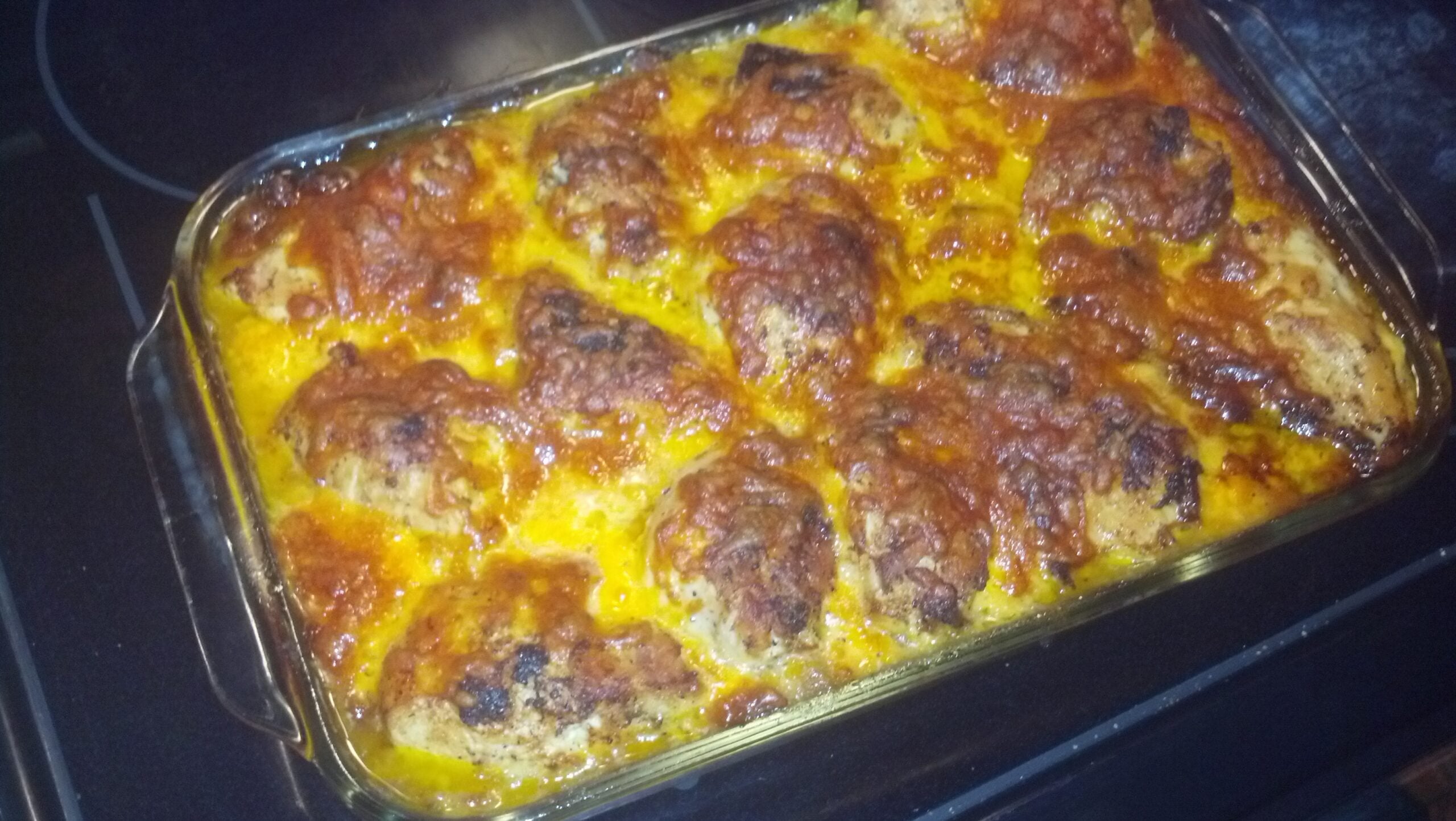
Chicken divan has been around long enough to feel like a link to another era of American home cooking. Traditionally built around chicken and broccoli in a creamy sauce, it is often finished with cheese and breadcrumbs, which give the top a browned, slightly crunchy finish. That mix of softness and crispness is central to its appeal.
The dish is commonly associated with midcentury casseroles, when convenience ingredients helped shape weeknight cooking. Yet its staying power comes from flavor, not nostalgia alone. Broccoli cuts through the richness, and the sauce, often made with stock, cream, or soup, ties the pieces together without hiding them.
This casserole works especially well when the broccoli is cooked just to tender-crisp before baking. That prevents it from turning dull and overly soft in the oven. For many families, chicken divan remains proof that a simple formula can endure when the balance of texture and comfort is handled well.
Poppy seed chicken casserole
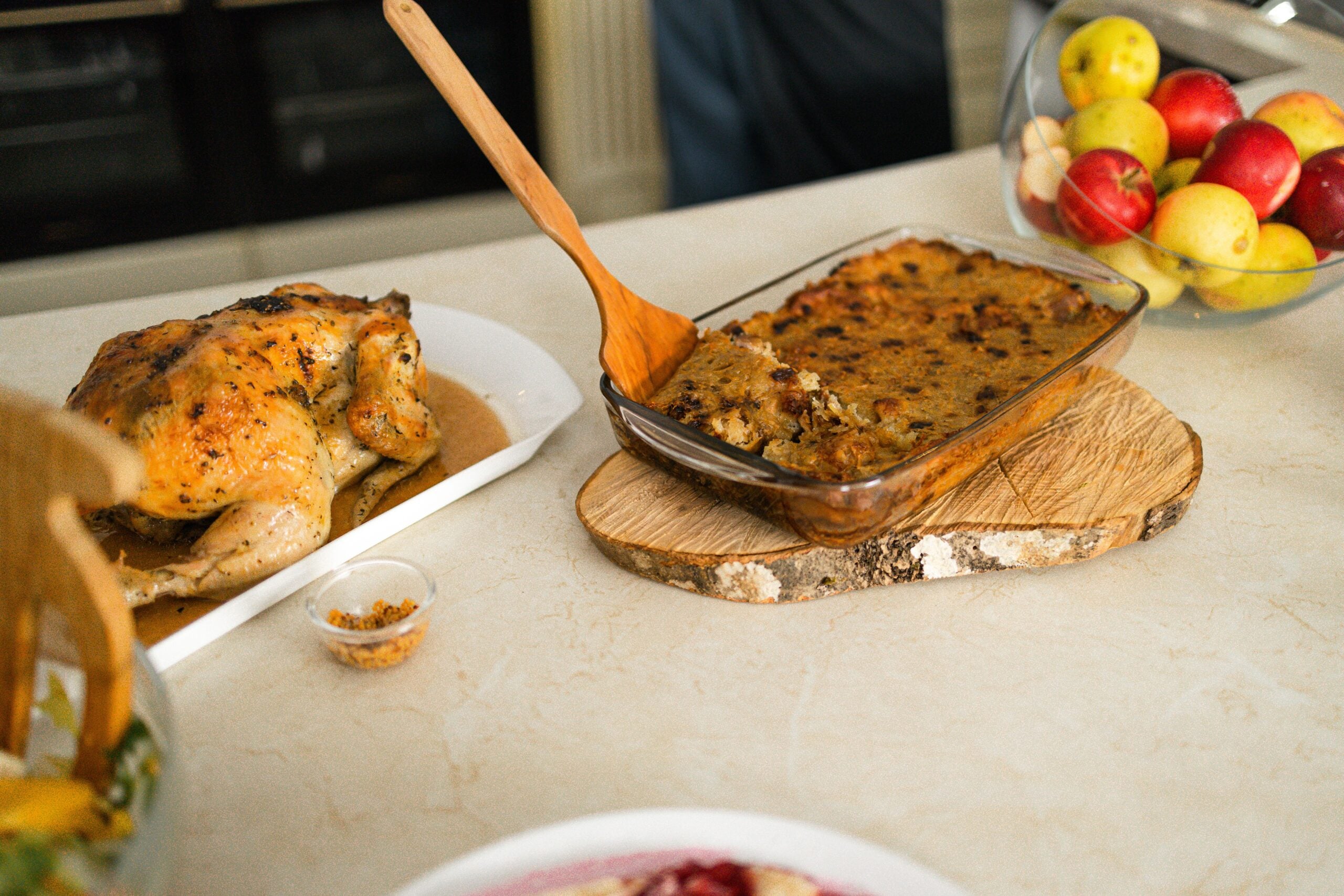
Poppy seed chicken casserole has a distinct place in Southern-style comfort cooking. It is known for a creamy chicken filling and a buttery cracker topping speckled with poppy seeds, which add a mild nuttiness and a recognizable look. The flavor is gentle, but the texture gives it real personality.
The base is usually made with shredded chicken, sour cream, and a condensed soup component. That combination creates a thick, scoopable filling that stays moist during baking. Crushed crackers on top, often mixed with melted butter, brown quickly and provide the contrast the casserole needs.
Because the ingredient list is short, each part has to do its job. Bland chicken or a weak topping can leave the whole dish feeling flat. When seasoned properly, though, this casserole shows how a modest recipe can become memorable through texture, salt, and the familiar appeal of a rich, creamy center.
Chicken biscuit casserole
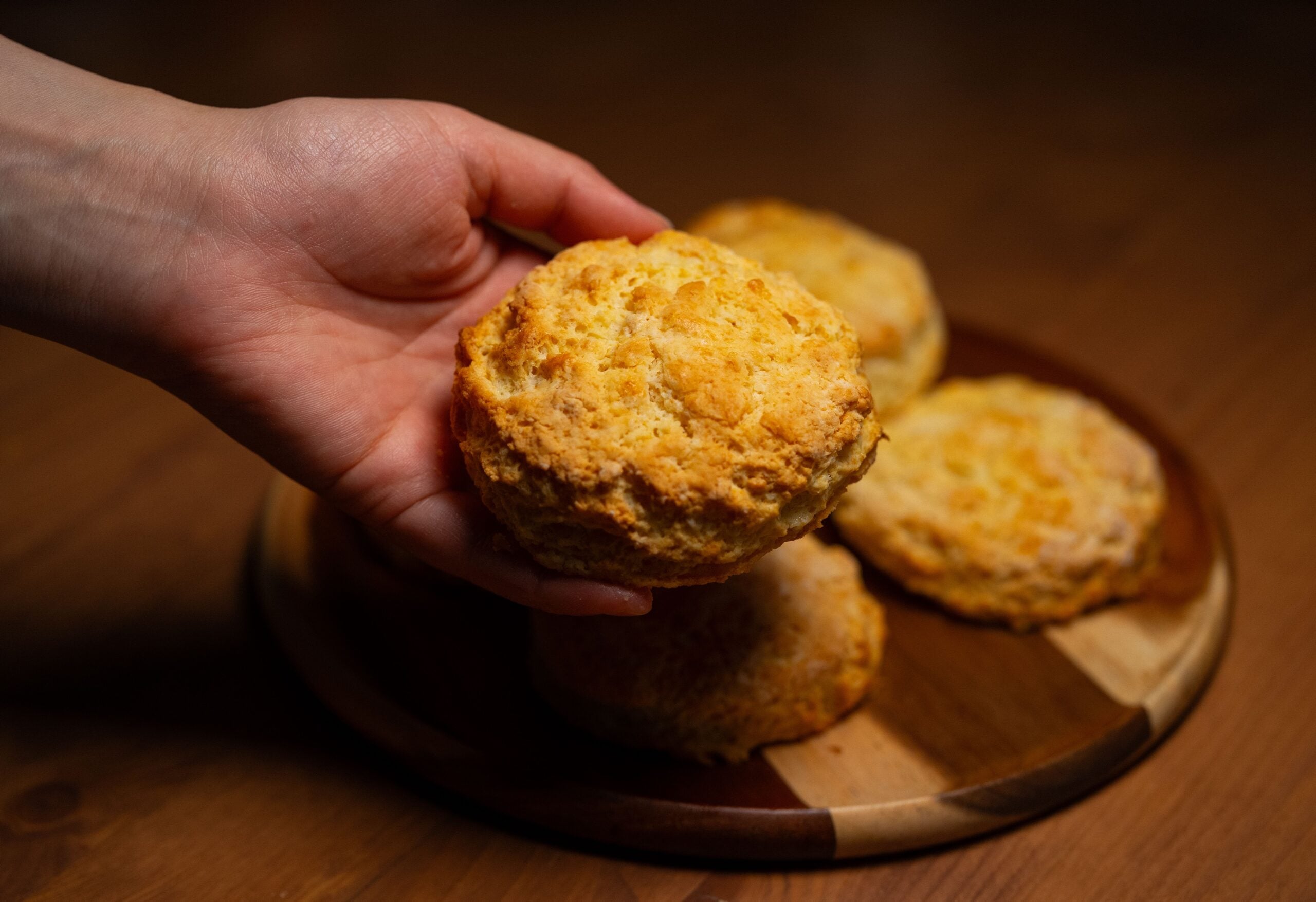
This dish takes the logic of chicken and dumplings and channels it into the oven. A savory chicken filling sits under or around biscuits, which bake up golden while soaking in just enough sauce to stay tender underneath. That contrast makes the casserole feel especially homey on a cold evening.
The filling often includes chicken, onion, peas, carrots, and a thick gravy-like sauce. Refrigerated biscuit dough is a common shortcut, but homemade biscuits bring a more textured top with crisper edges. Either way, spacing matters, because overcrowded biscuits can steam instead of brown.
What makes this casserole satisfying is the shift in texture from top to bottom. The biscuits offer lift and structure, while the filling stays creamy and substantial. It is an easy way to get the comfort of a stew and the pleasure of fresh bread in the same baking dish.
Crack chicken casserole
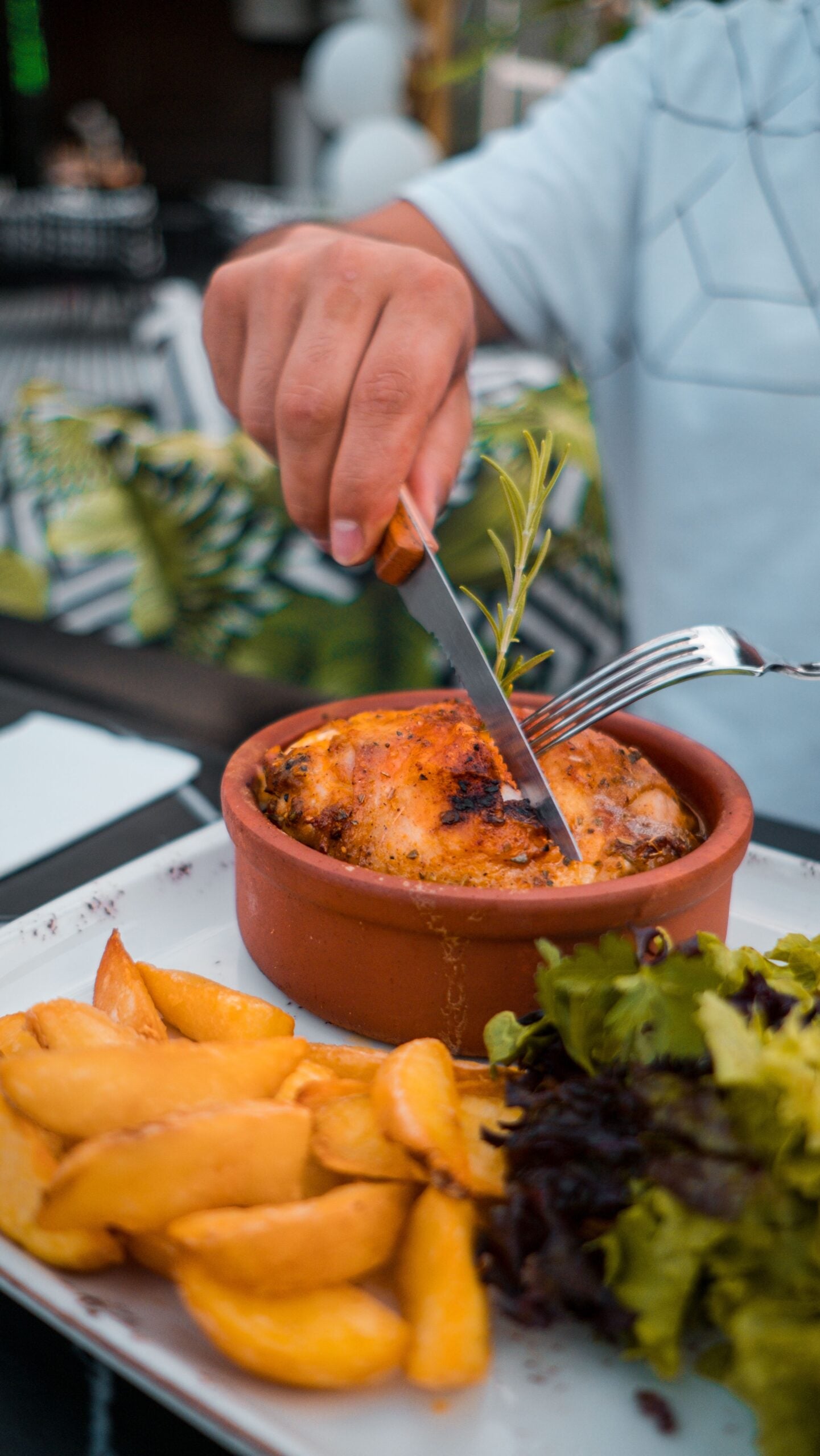
The name is familiar from slow cooker and dip recipes, and in casserole form it usually refers to a rich mix of chicken, bacon, cheddar, and ranch-style seasoning. The appeal is obvious: salty, creamy, and built from flavors that many households already know well. It is less traditional than older casseroles, but just as crowd-friendly.
Pasta is a common base because it stretches the filling and catches the sauce in its ridges and curves. Cream cheese or a similar dairy element gives the casserole body, while bacon adds smoke and crunch. Green onions can help cut through the heaviness and make the finished dish taste more balanced.
This is not the casserole to choose when you want restraint. It is designed to be bold and comforting, with plenty of richness in every serving. For gatherings where familiar flavors matter more than formality, it often disappears quickly and leaves very little behind.
King Ranch chicken casserole
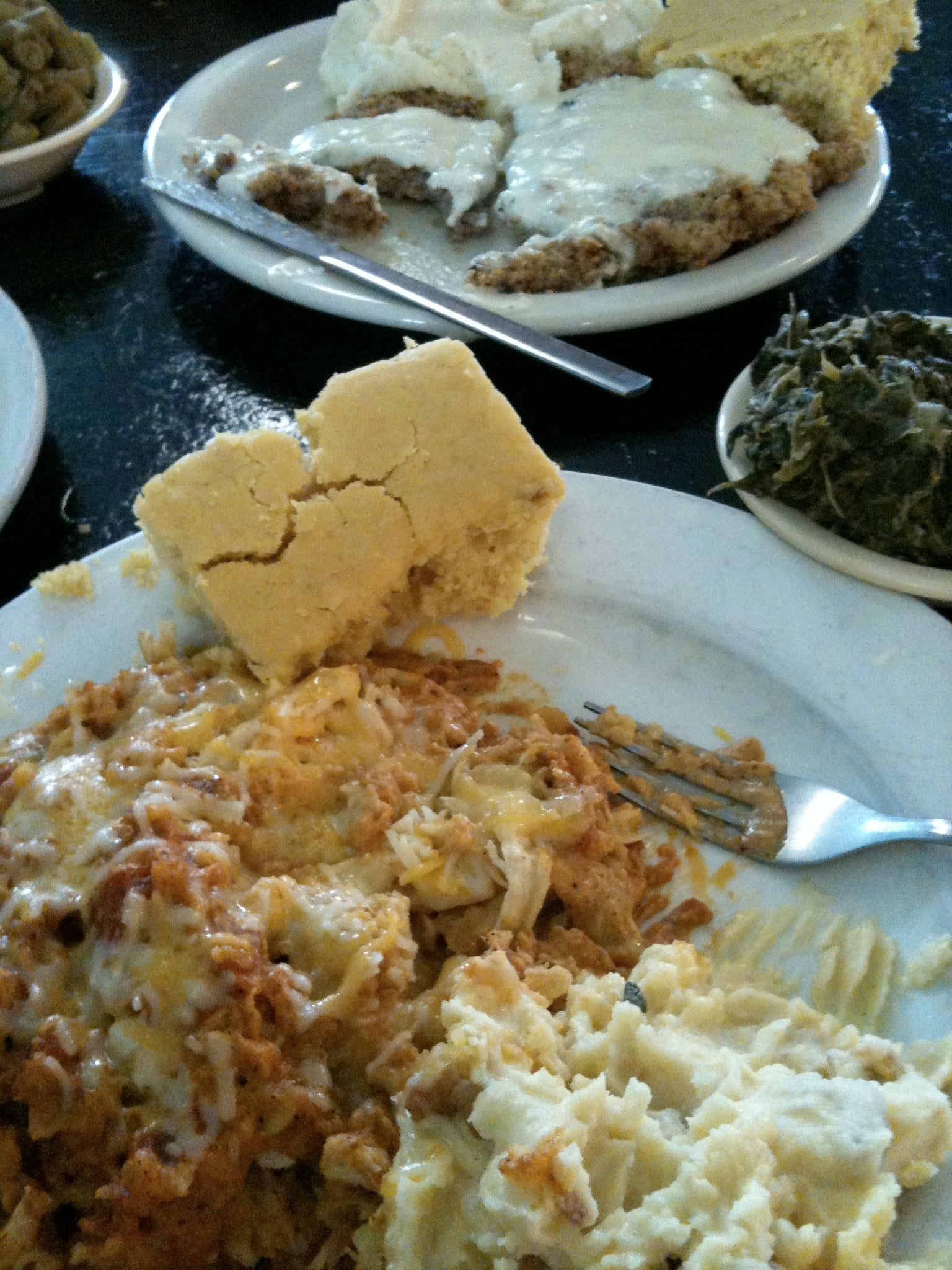
King Ranch chicken casserole closes the list because it delivers big flavor and a strong sense of place. Associated with Texas cooking, it typically layers chicken, tortillas, cheese, and a creamy tomato-chile sauce into a bake that is hearty, savory, and a little smoky. The structure feels similar to an enchilada casserole, but the flavor profile is its own.
Many versions use canned tomatoes with green chiles, condensed soup, onion, and bell pepper to build the sauce. Corn tortillas soften as they bake, helping the layers meld into clean slices. Cheese on top browns into a slightly chewy cap, which adds another texture to the finished dish.
This casserole has endured because it feeds a table generously and tastes even better after the flavors settle. It offers spice without becoming fiery and comfort without becoming bland. As a final slide, it sums up what chicken casseroles do best: turn practical ingredients into a meal that feels welcoming and complete.


Leave a Reply