
For years, Canadian fast food fans watched American commercials, road-trip vlogs, and social posts showing menu items they could not easily get at home. When some of those long-hyped products finally crossed the border, the excitement was real, but the payoff often was not. These are the fast food imports that arrived with big expectations and landed with a shrug.
Krispy Kreme Original Glazed Doughnuts
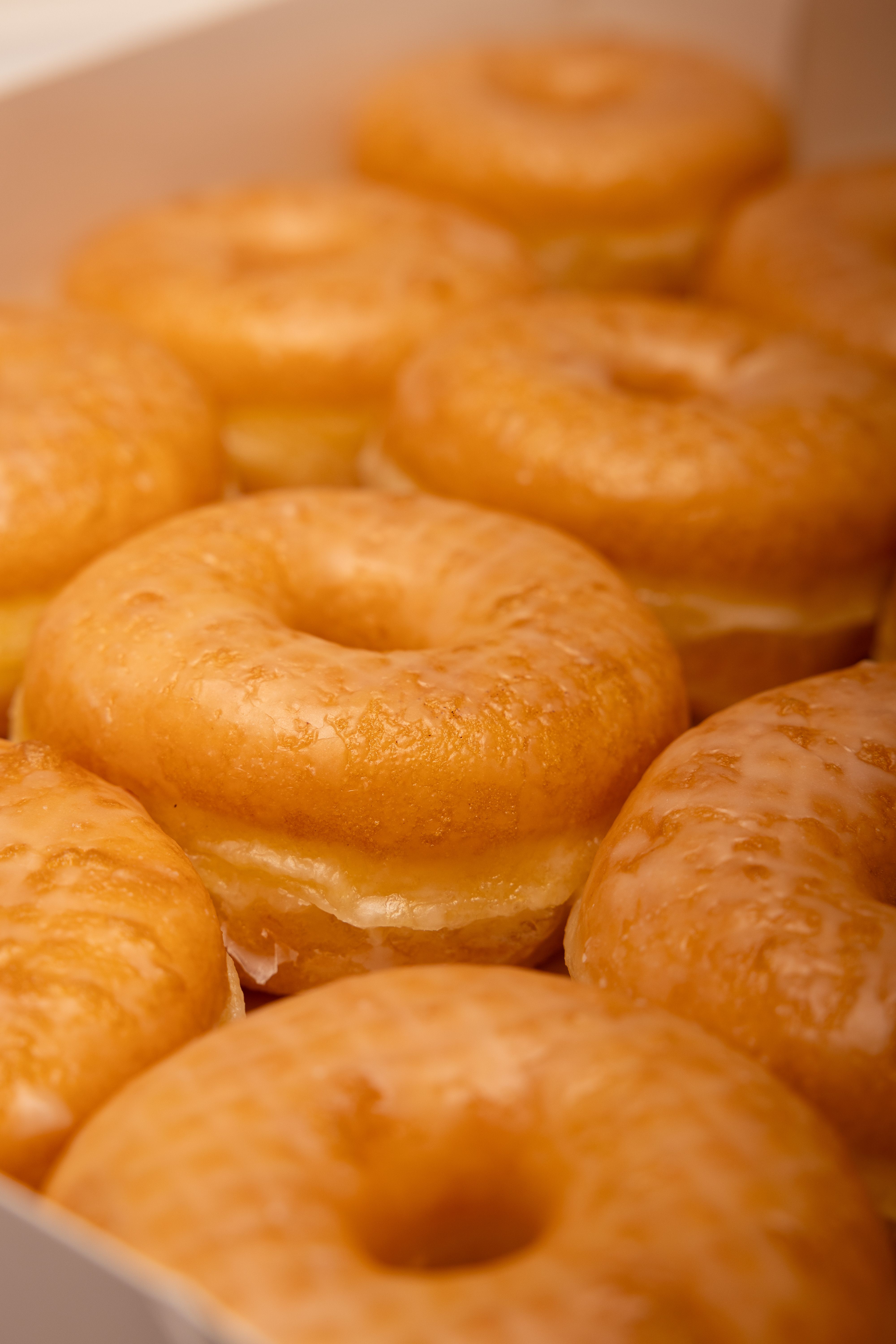
For years, Krispy Kreme had near-mythic status in Canada. Travelers brought boxes home like souvenirs, and the chain's hot fresh doughnuts were treated as a benchmark few competitors could touch. That kind of hype sets a very high bar before the first bite even happens.
When wider access finally came, many people found the experience less magical than expected. The doughnut is undeniably soft and sweet, but also so light and sugary that one often feels like enough. In a country already full of strong local bakeries, coffee chains, and grocery bakery counters, the novelty wore off fast.
The problem was never that it tasted bad. It was that years of anticipation promised a revelation, and what arrived was simply a pleasant glazed doughnut.
Taco Bell Breakfast
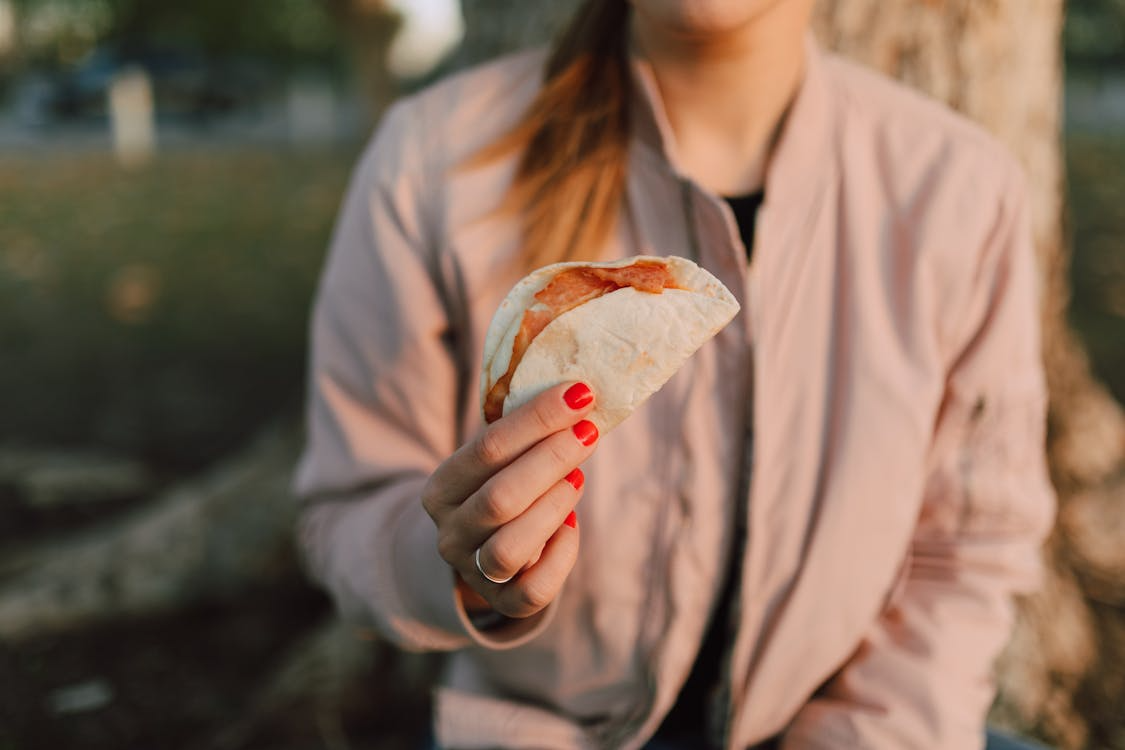
Breakfast at Taco Bell sounded like the kind of idea that could either become a cult favorite or a quick regret. In the United States, it built a following around portable wraps, hash browns, eggs, and plenty of sauce. Canadians heard the buzz and expected something bold enough to disrupt the usual morning routine.
What showed up felt more gimmicky than game-changing. The breakfast crunchwrap format was clever, but the flavors were often too flat to justify choosing it over established options at Tim Hortons, McDonald's, or A&W. Convenience alone could not carry a menu that many diners found greasy and oddly forgettable.
The real issue was timing. Canada already had a deeply ingrained breakfast fast food culture, and Taco Bell's take arrived without offering a clear reason to switch.
Popeyes Chicken Sandwich

The Popeyes chicken sandwich arrived with the kind of buzz most chains can only dream about. In the U.S., it sparked lines, shortages, and endless comparisons with Chick-fil-A. By the time it became easier to get in Canada, many people were primed for a sandwich that would redefine the category.
Instead, a lot of diners got a decent sandwich trapped under impossible expectations. The chicken is crunchy, the bun is soft, and the pickles do their job, but none of that felt revolutionary in a market where fried chicken competition had already improved. Local spots and rival chains had narrowed the gap while the hype kept growing.
It remains a solid order, just not the cross-border legend many had imagined while waiting for the craze to reach them.
Dunkin' Iced Coffee and Doughnuts

Dunkin' had history in Canada, but its American identity kept its menu in the public imagination long after many locations were gone. People who knew the brand from U.S. travel often talked about it as a coffee-and-doughnut institution, one that might challenge Canadian habits if it ever returned in a meaningful way.
The problem is that reputation does not automatically survive market realities. Dunkin's coffee rarely felt special enough to pull customers away from entrenched routines, and the doughnuts faced steep competition from both chains and independent shops. What once seemed like a missing piece of the market now feels like something Canada already solved in its own way.
Sometimes a brand's mystique depends on distance. Once that distance disappears, so does much of the appeal.
Carl's Jr. Thickburgers
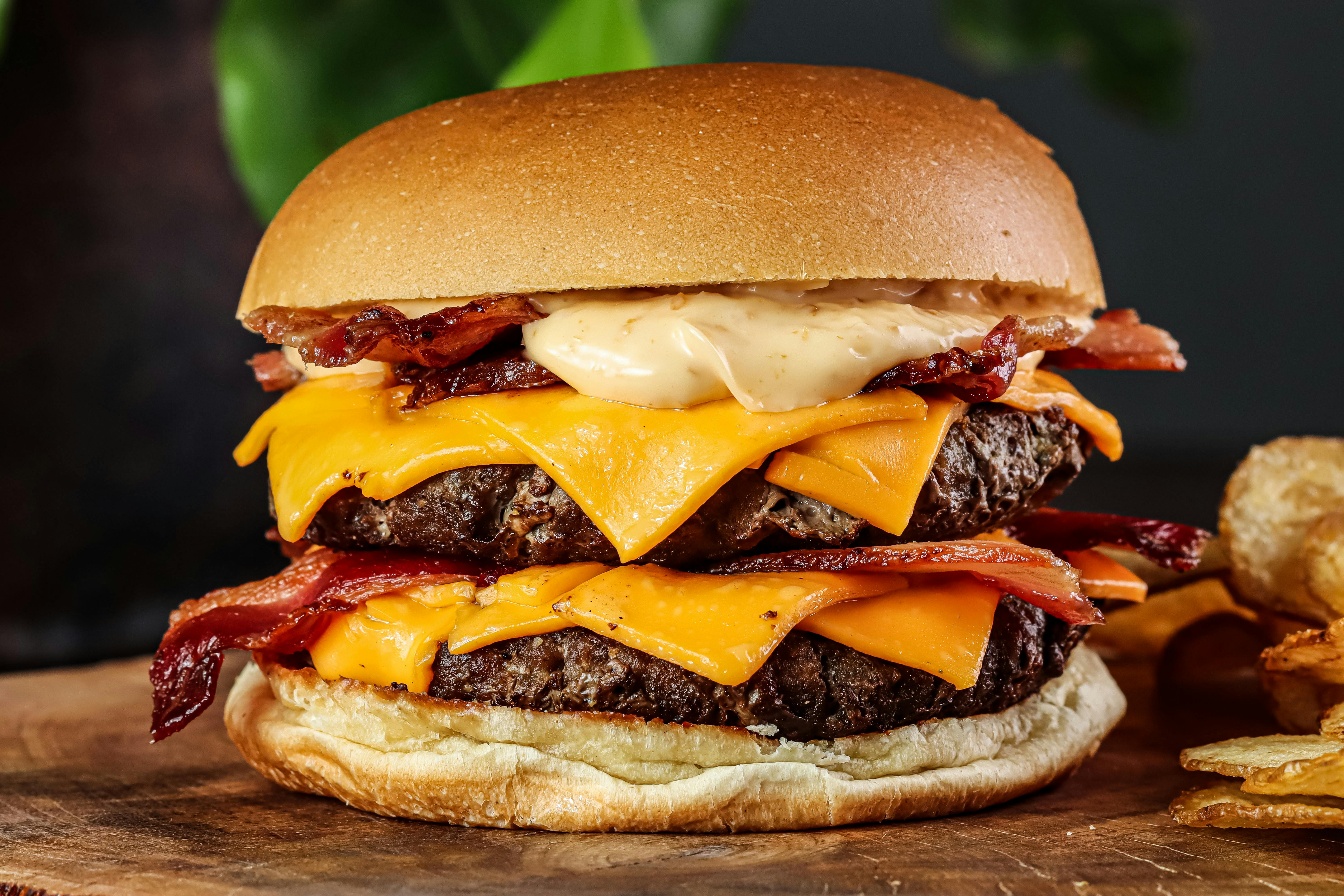
Carl's Jr. built its American image on excess. Big patties, big toppings, glossy ads, and the promise of a burger with more swagger than restraint. For Canadians who had heard about Thickburgers for years, the chain's arrival suggested something richer and more indulgent than the usual fast food lineup.
But a bigger burger is not always a better one. Many customers found the sandwiches heavy in a way that felt engineered rather than satisfying, with salt and sauce doing most of the lifting. At the same time, Canada's burger landscape had already grown crowded with premium fast casual options and better fast food upgrades.
What was supposed to feel decadent often just felt expensive and overbuilt. The wait made it seem iconic. The meal made it seem ordinary.
Sonic Cherry Limeade and Drive-In Snacks
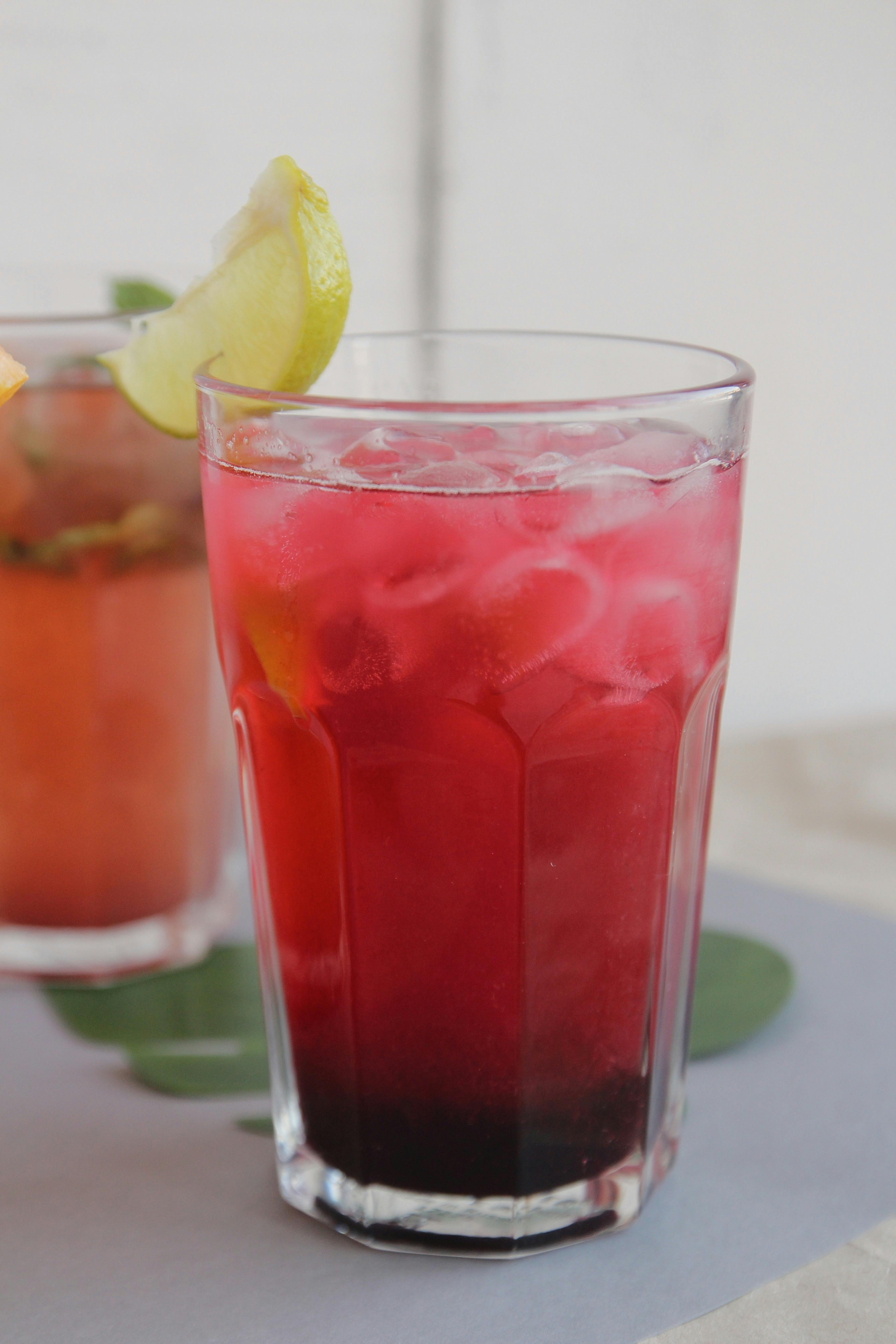
Sonic always sold more than food. It sold a whole Americana mood, complete with drive-in stalls, slushes, tots, and drinks that looked built for summer road trips. That atmosphere gave its menu an outsized reputation among Canadians who mostly knew it through movies, commercials, and online chatter.
Once the novelty is stripped away, many signature items are surprisingly average. The famous drinks can lean syrupy, the hot food often tastes like standard frozen-appetizer fare, and the experience loses a lot when it is no longer tied to the uniquely American drive-in ritual. Style carried a lot of Sonic's appeal.
That does not make the menu bad. It just means the fantasy was better than the actual food, especially for those who waited years to try it.
Wendy's Baconator Fries Variations
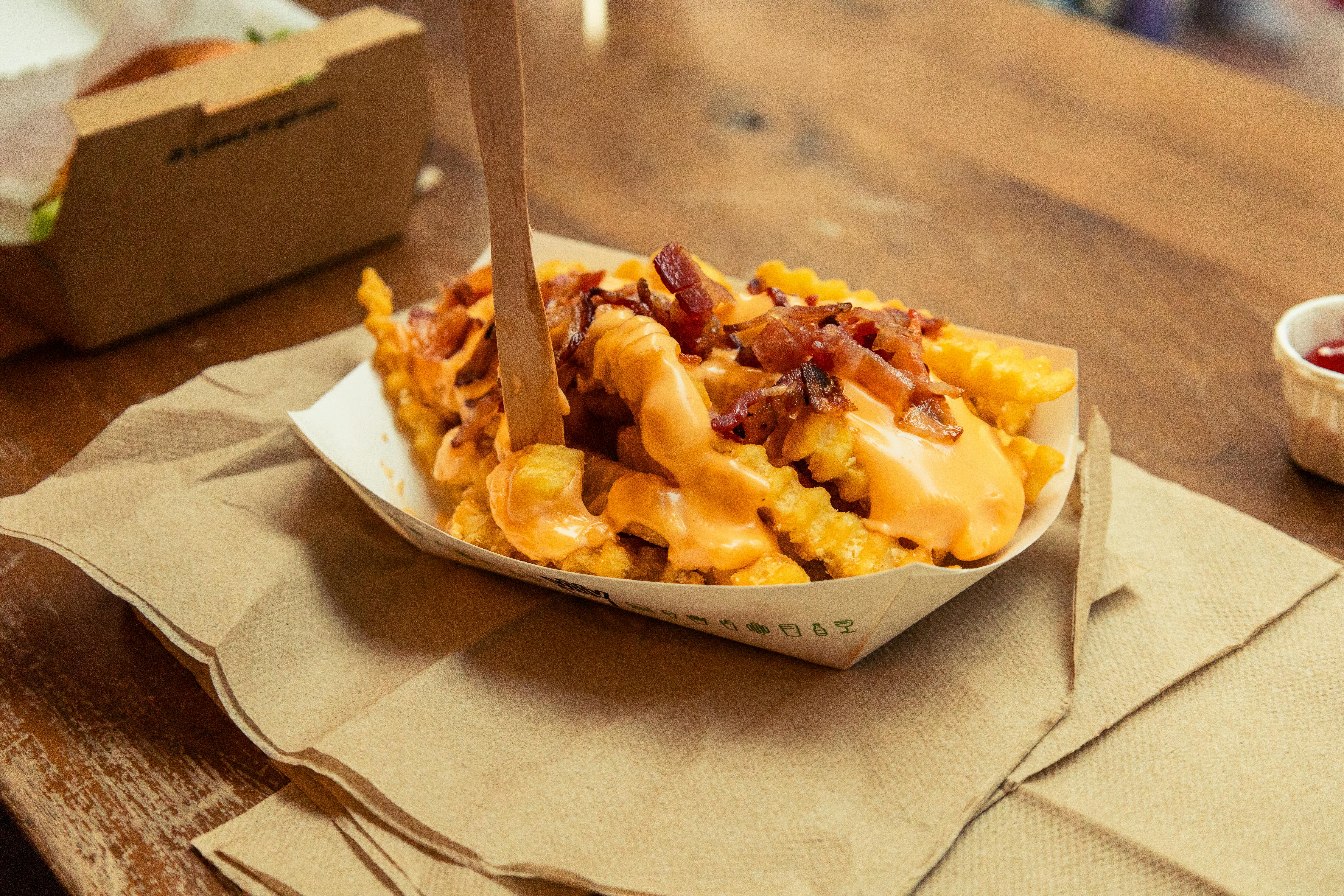
The Baconator name has always been designed to promise excess, and that branding travels well. When loaded fries and spin-off Baconator items gained traction, they felt like exactly the kind of American fast food indulgence Canadians had been told they were missing. Rich, messy, and unapologetically over the top.
In practice, these menu extensions often collapse under their own weight. Fries lose texture quickly under cheese sauce and bacon, and what starts out decadent can turn soggy before the meal is halfway done. The flavor is mostly salt, smoke, and processed richness, with very little contrast to keep things interesting.
It is the classic fast food trap. The item sounds thrilling on paper, photographs well, and then eats like a dare rather than a craving worth repeating.
KFC Famous Bowl
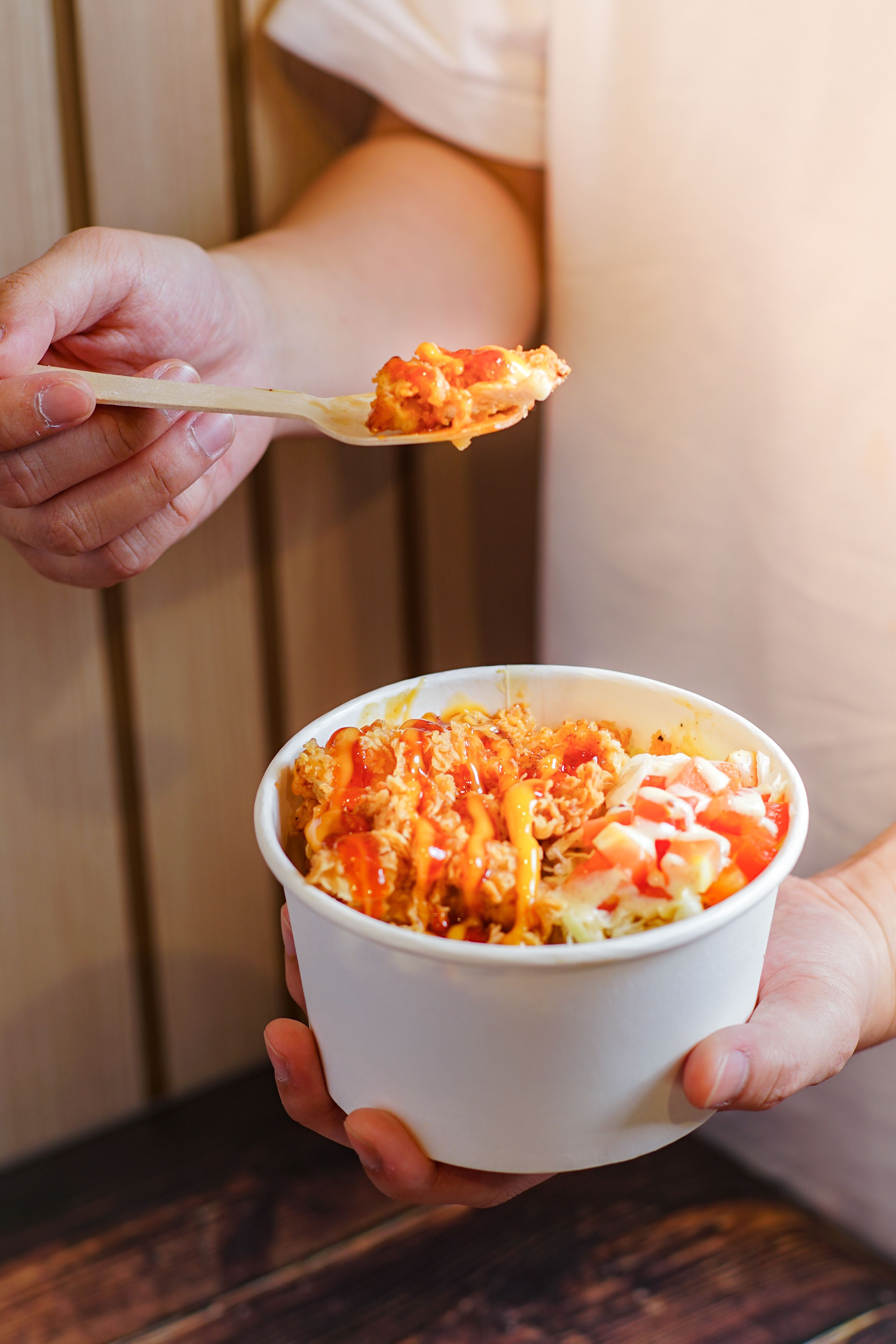
The KFC Famous Bowl has long had a certain internet-era fame. Mashed potatoes, corn, gravy, chicken, and cheese stacked together in one container is the kind of idea that sounds either genius or deeply unsettling. For Canadians curious about U.S. comfort-food maximalism, it looked like a menu item with real cult potential.
The first few bites can be satisfying in a purely salty, soft, fast food way. After that, the texture becomes the problem. Everything blends into one warm, beige monotone, with very little crunch or freshness to break it up. What looked comforting starts to feel heavy and oddly one-note.
It is less a well-composed dish than a mash-up of leftovers designed for convenience. The concept is memorable. The eating experience, not so much.
Burger King Chicken Fries
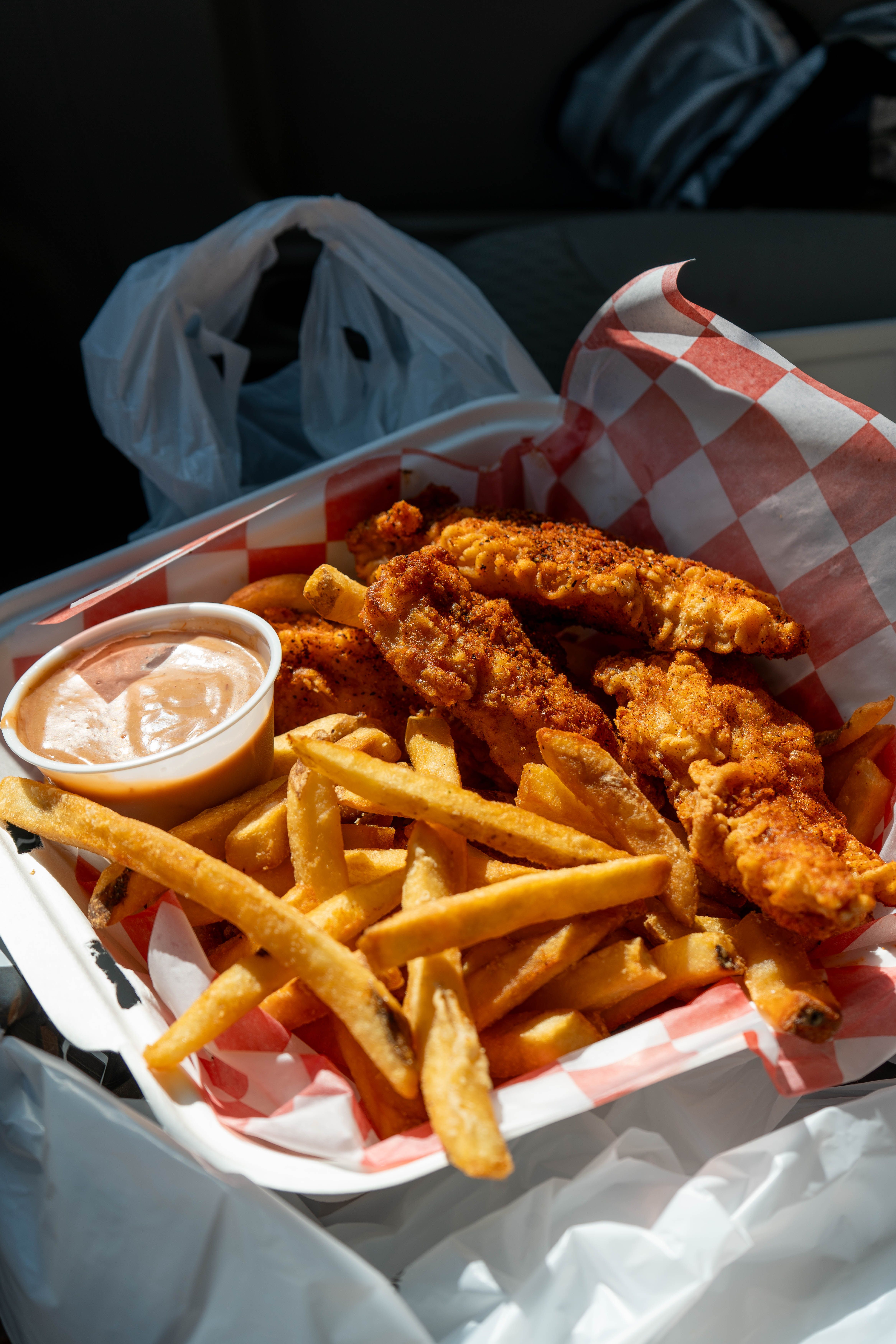
Chicken Fries benefited from a perfect storm of nostalgia, novelty, and smart marketing. They looked fun, sounded snackable, and occupied that sweet spot between chicken nuggets and fries. Canadians who saw them return in the United States often wondered why such a simple item had become a cult favorite.
The answer becomes less mysterious after trying them. They are easy to eat in a car and ideal for dipping, but the taste is more processed than craveable. The breading is usually the star, while the chicken inside can feel thin, dry, and secondary. There is nothing especially premium or memorable about the flavor.
That does not stop them from selling. It just explains why the long wait felt disproportionate to a product that is basically a shaped nugget with better branding.
Subway Mac and Cheese
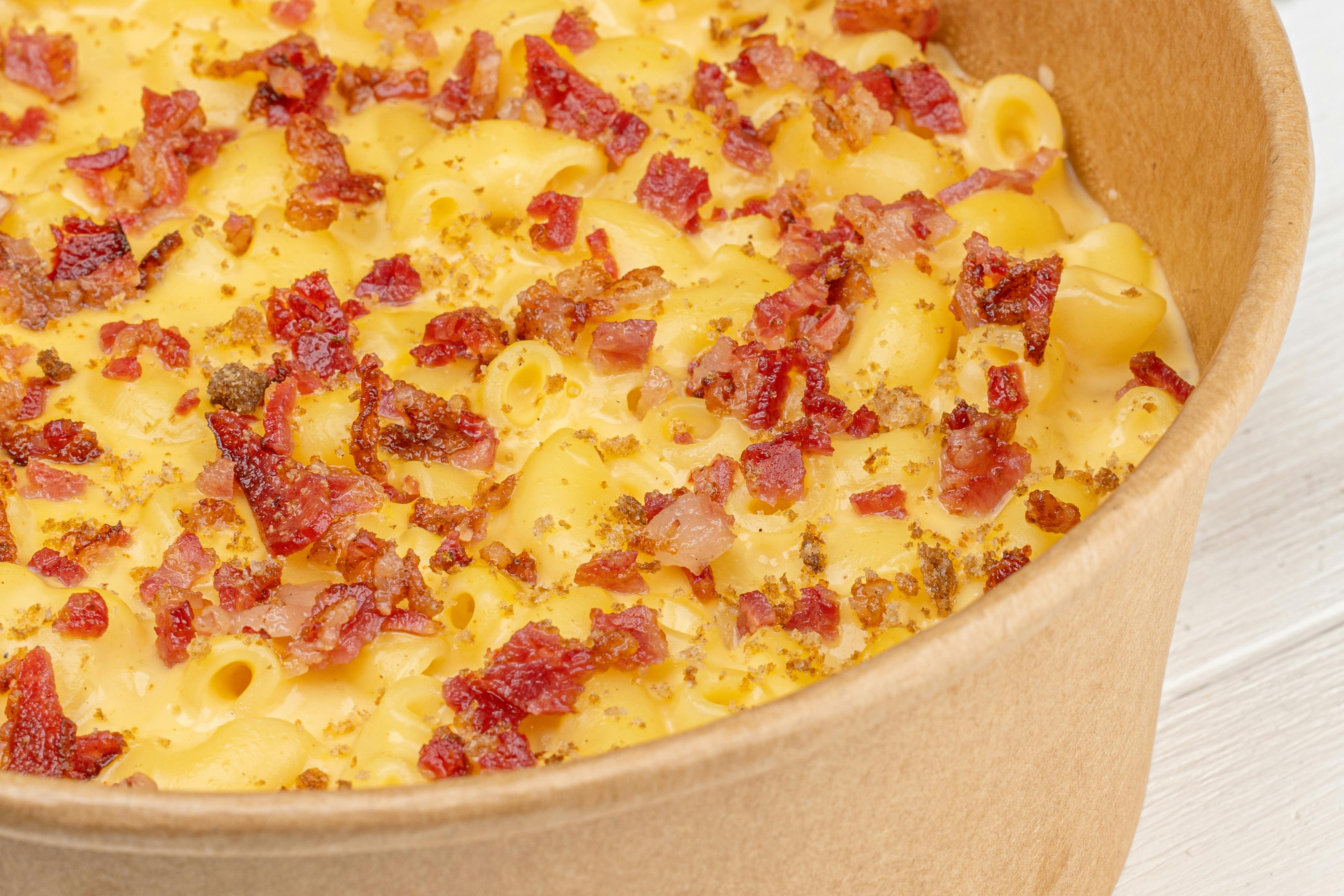
Subway is a chain built around customization, freshness cues, and the idea of a fast meal assembled to order. That is why the arrival of mac and cheese on its menu drew so much curiosity. It felt like a left turn, and for some Canadians, an import that hinted at the kind of comfort-food flexibility seen more often in the U.S.
The problem was obvious almost immediately. Mac and cheese is at its best when it feels freshly made, creamy, and well-seasoned. In a sandwich shop setting, it often lands as thick, reheated, and strangely flat, with a texture that turns pasty rather than indulgent. It also clashes with the brand's core identity.
This was not a hidden gem from across the border. It was a reminder that not every trend belongs on every menu.
Pizza Hut Stuffed Crust Variations
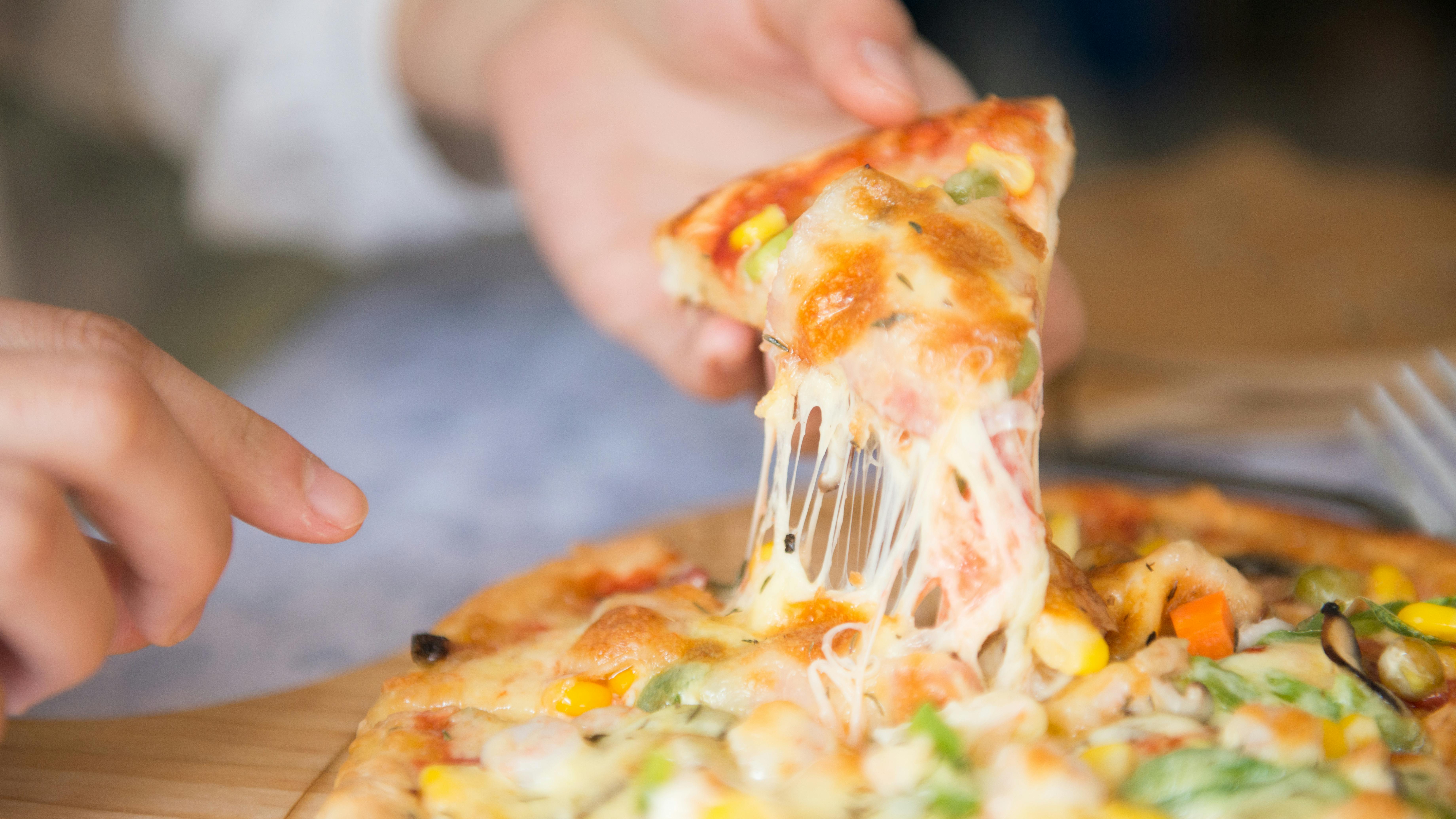
Stuffed crust pizza always had great ad copy. It promised a built-in reward for finishing your slice, turning the crust from leftover edge into a gooey payoff. Canadian diners heard about American variations for years, from extra-cheesy takes to specialty builds, and the concept kept its novelty far longer than it deserved.
Once the excitement fades, the flaws stand out. Stuffed crust often throws off the pizza's balance, adding bulk without necessarily improving flavor. The cheese inside can feel rubbery, and the extra richness makes an already heavy meal even heavier. More filling does not automatically mean more pleasure.
It is a clever idea that photographs beautifully and sells nostalgia well. But after the first slice, many people remember why regular crust was never really a problem in the first place.
White Castle-Style Sliders and Frozen Imports
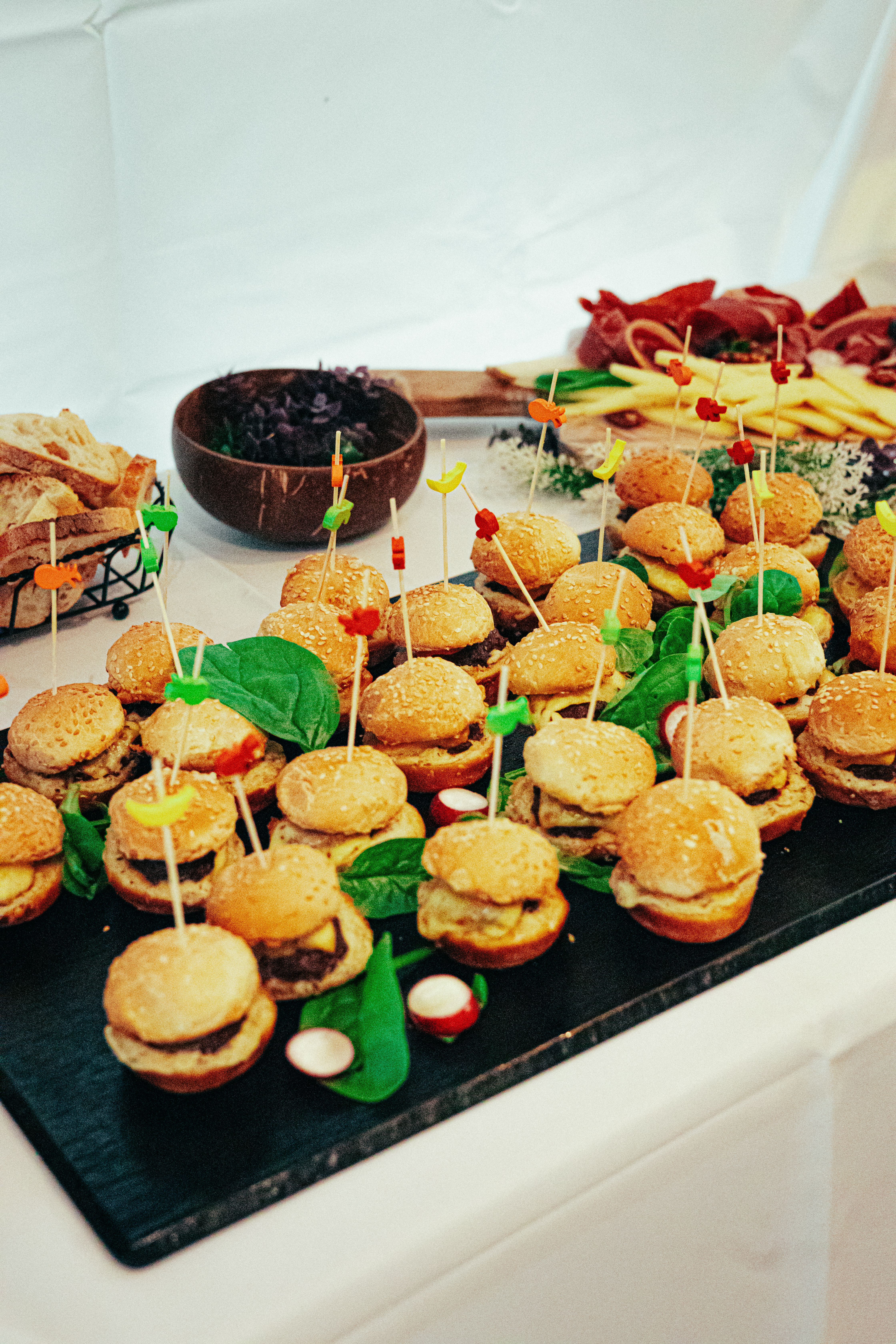
White Castle holds a strange place in fast food culture. Its sliders are famous not because they are luxurious, but because they are tiny, iconic, and tied to a very specific American craving. As White Castle products became more visible to Canadians through frozen aisles and pop-culture references, curiosity did the rest.
Then reality arrives in a steam-softened bun. The onion-heavy sliders have a distinct flavor, but they are often closer to nostalgic novelty than true satisfaction. Small size means the meal can feel repetitive fast, and the texture is rarely as appealing as the legend suggests. Frozen versions only underline that gap.
People waited to taste a cult classic. What they often got was proof that some foods are famous because of history and branding, not because they outperform the competition today.
Leave a Reply