
The 1980s loved convenience, from microwave dinners to lunchbox staples built for speed. Looking back, some of those foods did more than save time, they quietly previewed eating habits that now feel current, from high protein snacking to portable breakfasts and plant based substitutes.
Lean Cuisine frozen dinners
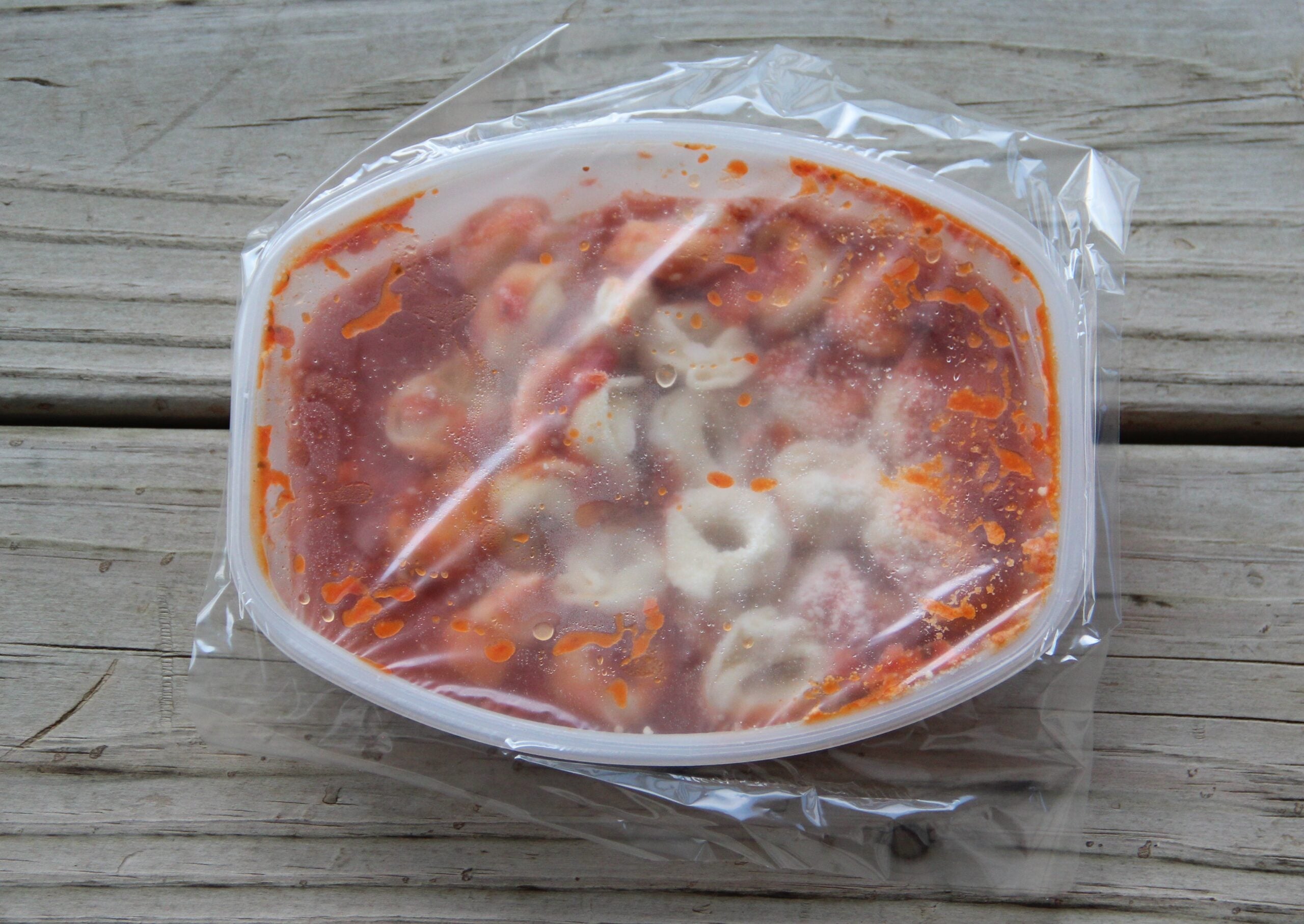
When Lean Cuisine launched in 1981, it tapped into two ideas that still shape grocery shopping: portion control and ready made meals. Stouffer's introduced the line as a lower calorie alternative to its richer frozen entrees, and sales took off quickly enough to strain supply in its early years.
The modern echo is easy to spot. Today's shoppers still buy single serve bowls and freezer meals for predictable portions, clear calorie counts and simple cleanup. Lean Cuisine helped normalize the idea that a complete meal could come from one compact tray, a format that now spans everything from high protein bowls to Mediterranean grain meals.
Hot Pockets
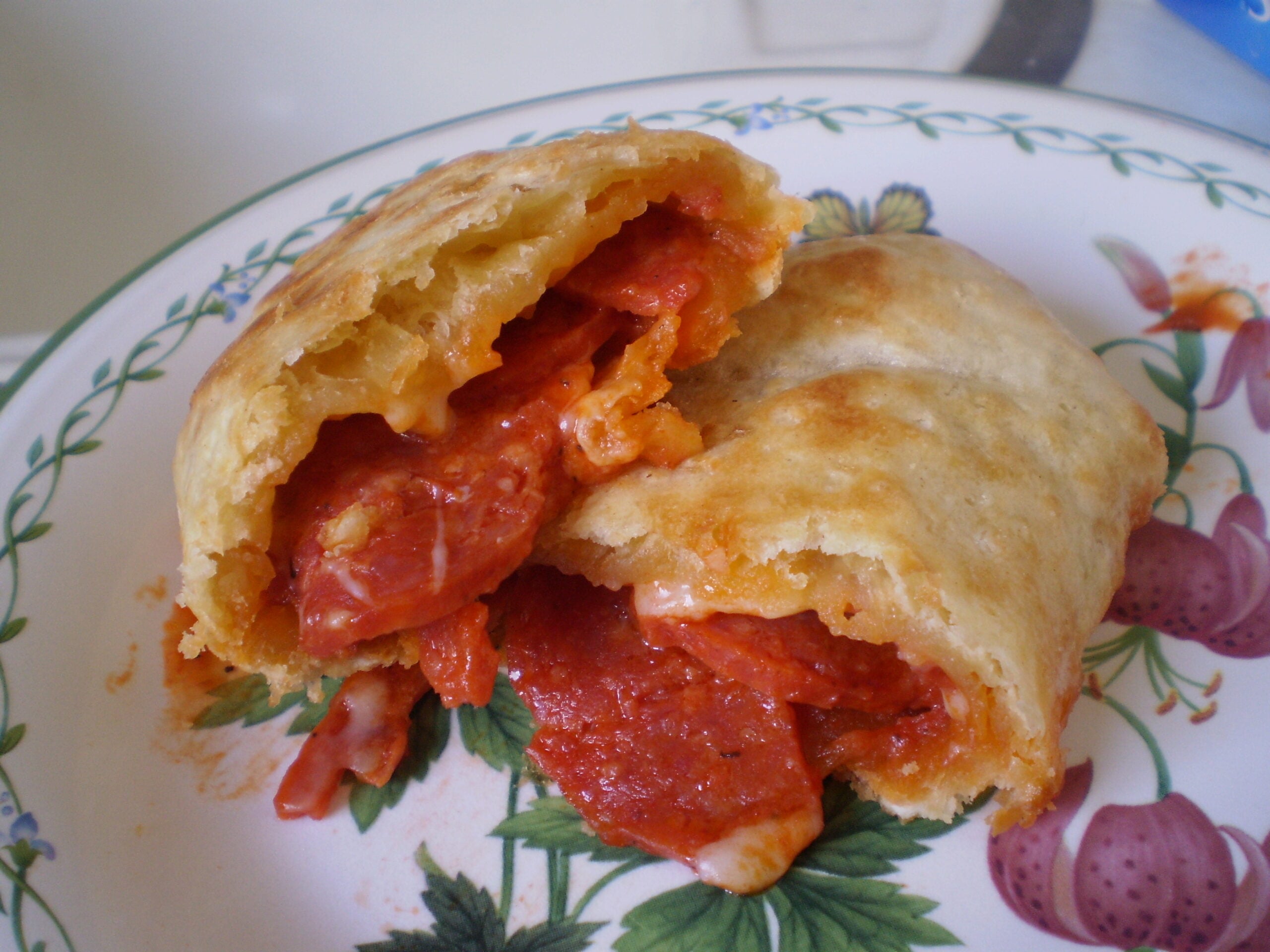
Hot Pockets turned the microwave into a meal solution, not just a reheating tool. Chef America introduced the brand in 1983, wrapping fillings like ham and cheese or pepperoni pizza inside a pocket meant to be eaten by hand. It was fast, portable and designed around busy schedules.
That formula looks a lot like today's hand held convenience culture. Breakfast sandwiches, toaster pastries with protein, frozen wraps and air fryer snacks all follow the same logic: minimal prep, built in portioning and easy mobility. Hot Pockets also anticipated the modern demand for savory snacks that blur the line between a meal and something grabbed on the way out the door.
SnackWell's cookies
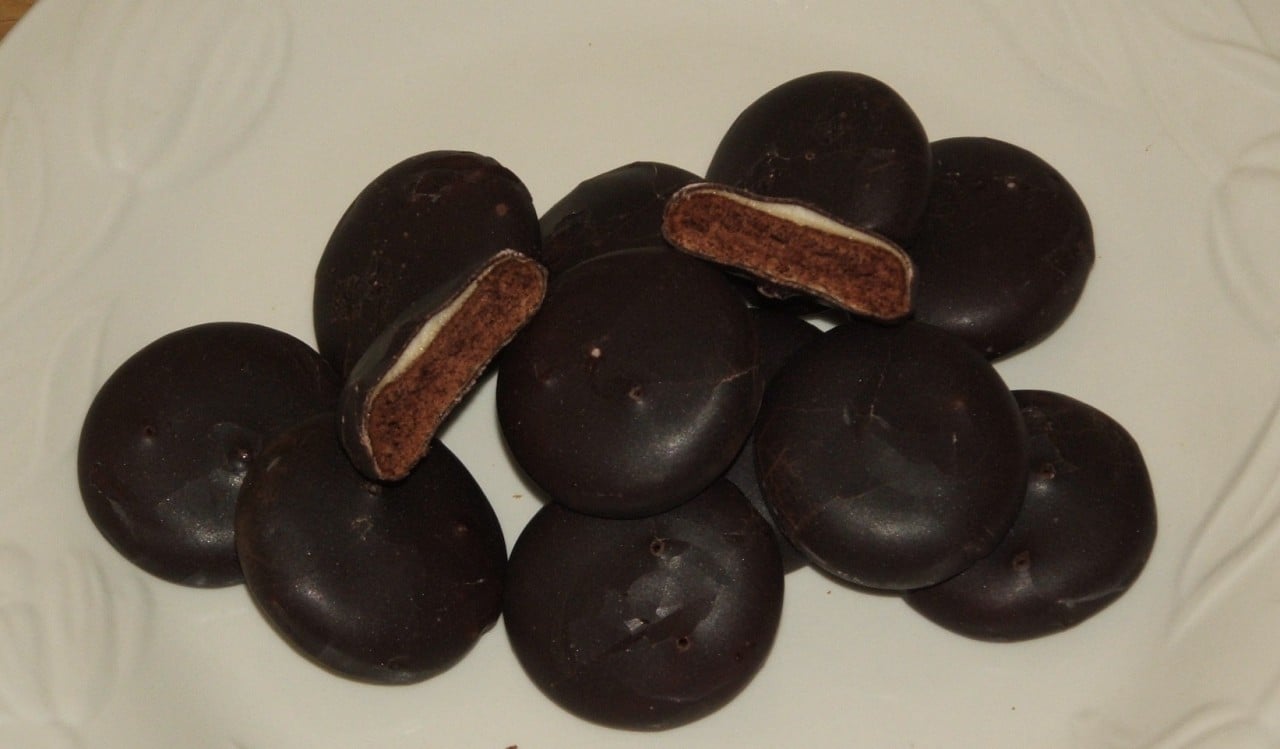
SnackWell's is often remembered as a 1990s phenomenon, but its roots were in the late 1980s shift toward fat conscious packaged foods. That transition matters because it helped teach Americans to scan labels for a specific nutritional target, even when the broader health picture was more complicated.
Today's eating trends are filled with the same label driven behavior. Shoppers now seek high protein, low sugar, keto friendly or gluten free badges with similar focus. The lesson from the SnackWell's era still holds: when consumers latch onto one nutrition claim, manufacturers rush to reformulate around it. The product changed, but the habit of shopping by front of pack promise stayed.
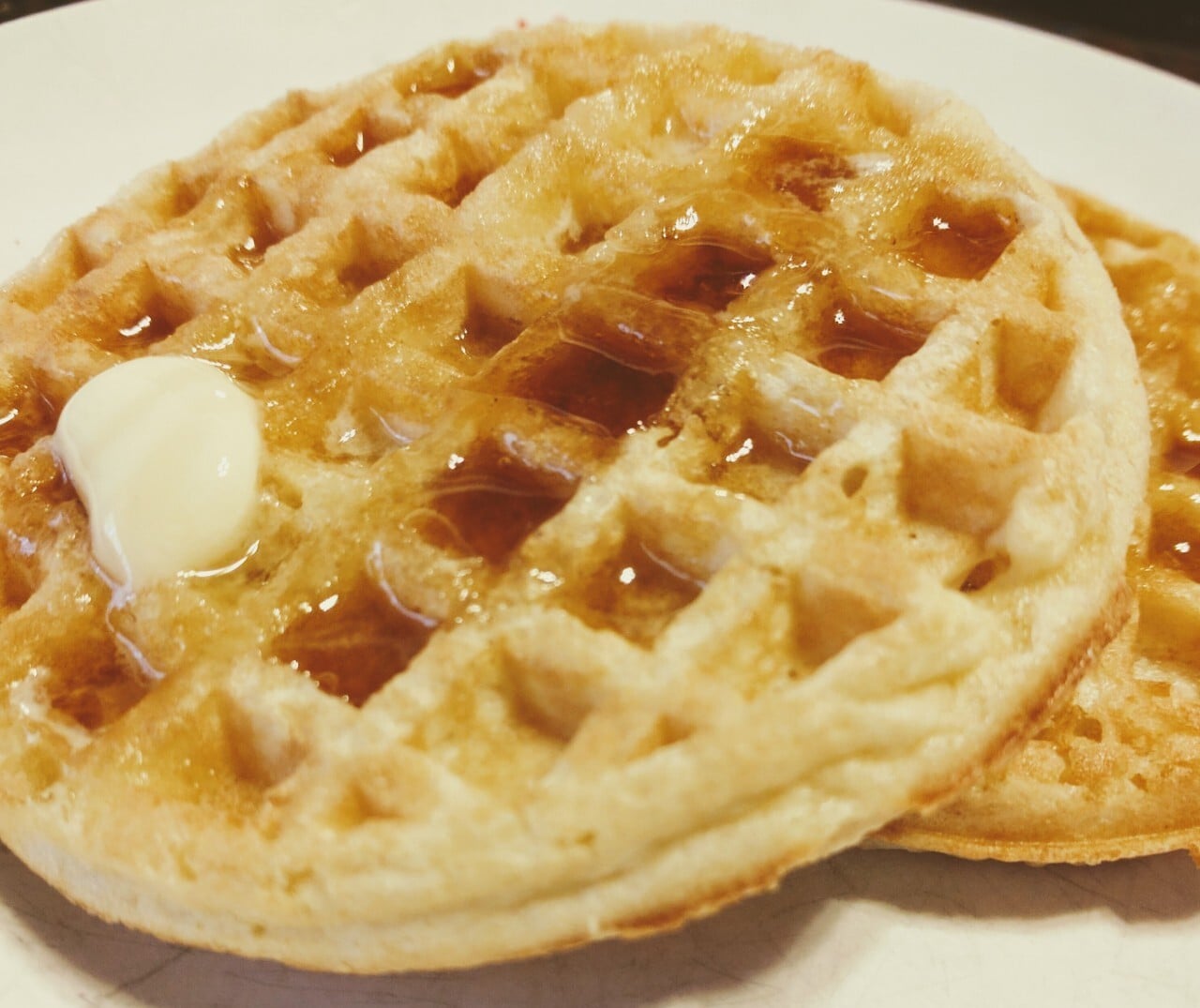
Eggo waffles made breakfast feel modular long before that idea had a trendy name. Kellogg had been selling Eggo frozen waffles for decades, but in the 1980s they became a standard shortcut for households that wanted a warm breakfast without mixing batter or standing at a stove.
That setup resembles the modern build your own breakfast approach. Today people top waffles with Greek yogurt, nut butter, fruit or protein rich ingredients and treat them as a customizable base. The larger trend is not just frozen breakfast, but flexible assembly. Eggo helped make the case that convenience foods could still invite personalization, which is now a core selling point across breakfast aisles.
Lunchables
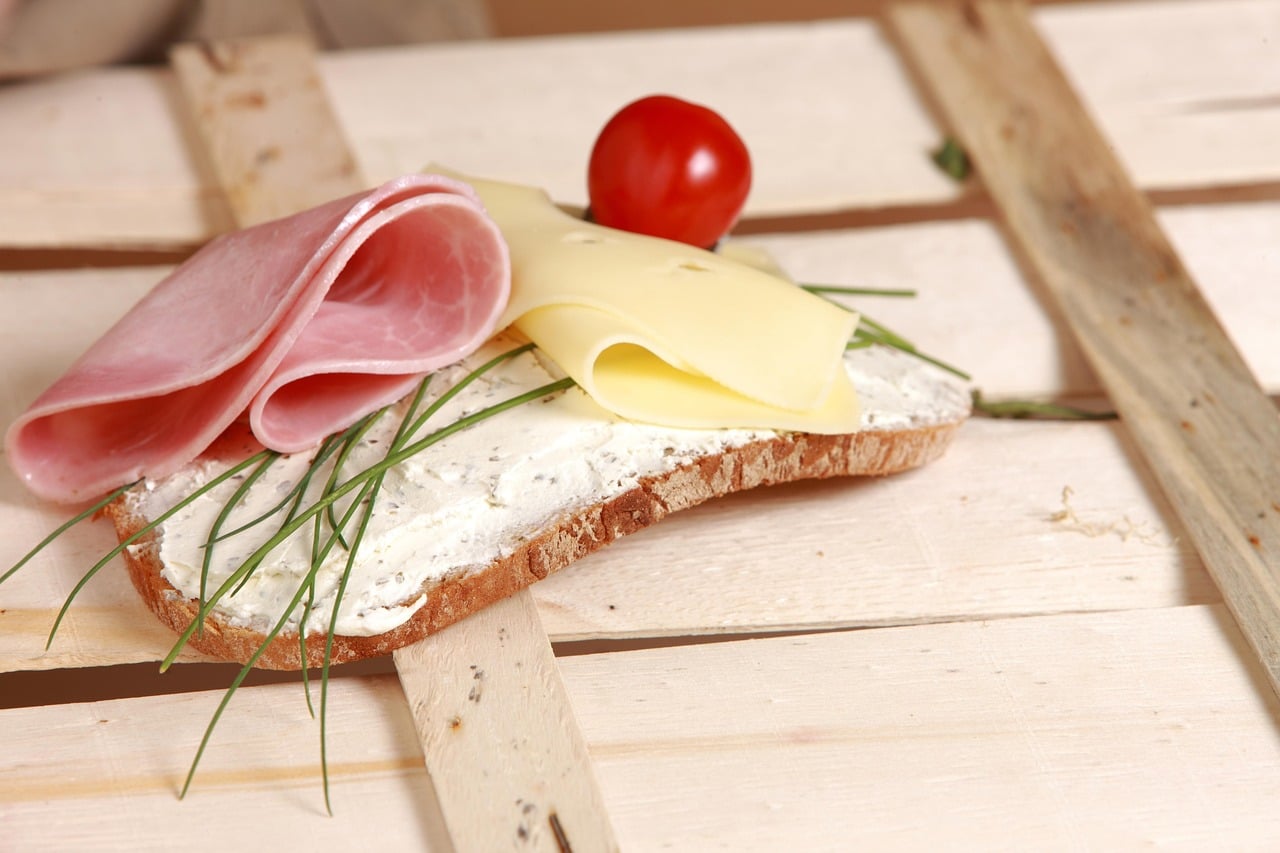
Lunchables arrived in 1988 with a simple but powerful idea: let people assemble their own meal from ready to eat parts. Introduced by Oscar Mayer, the product packaged crackers, meat and cheese in divided compartments, turning lunch into a small act of customization.
That format predicted several modern habits at once. It anticipated adult snack boards, protein packs and the rise of what marketers now call snackable meals. It also foreshadowed the popularity of bento style lunch packing, where variety, portioning and visual separation matter almost as much as the food itself. Lunchables made convenience feel interactive, and that has proved remarkably durable.
Lean Pockets and reduced guilt branding
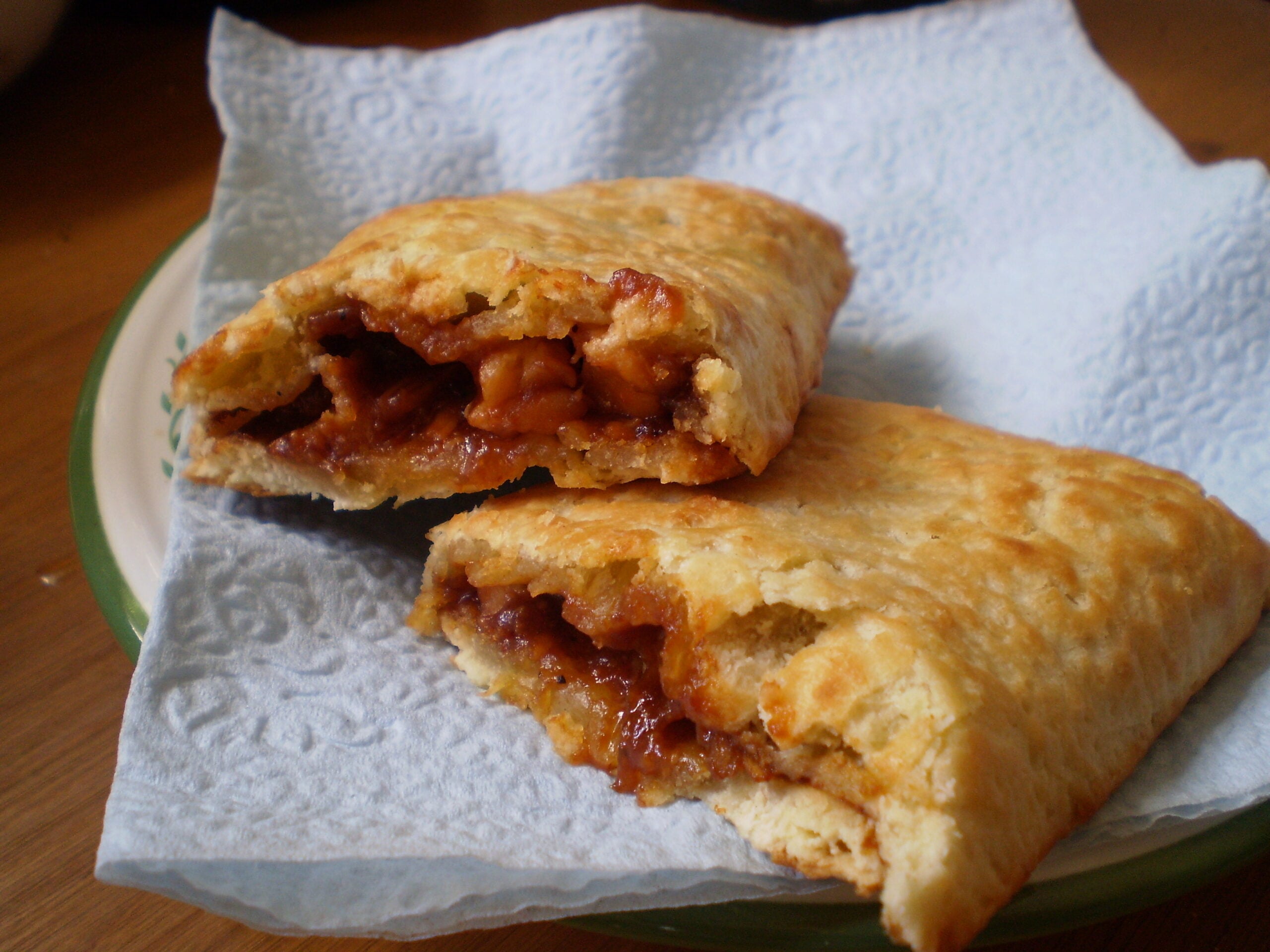
The 1980s did not just sell convenience, they sold a lighter version of it. As lower calorie and lower fat claims gained ground, brands learned that indulgent categories could be repackaged with a health leaning message and still keep their core appeal.
That strategy is now everywhere. Frozen pizzas come with cauliflower crusts, ice cream has high protein versions and chips arrive with extra fiber or seed based ingredients. The exact products have changed, but the branding playbook is familiar. The consumer gets the comfort of a familiar food, paired with the reassurance that it better fits current wellness goals. That balancing act was already taking shape in the 1980s freezer case.
Gardein's predecessors in veggie convenience
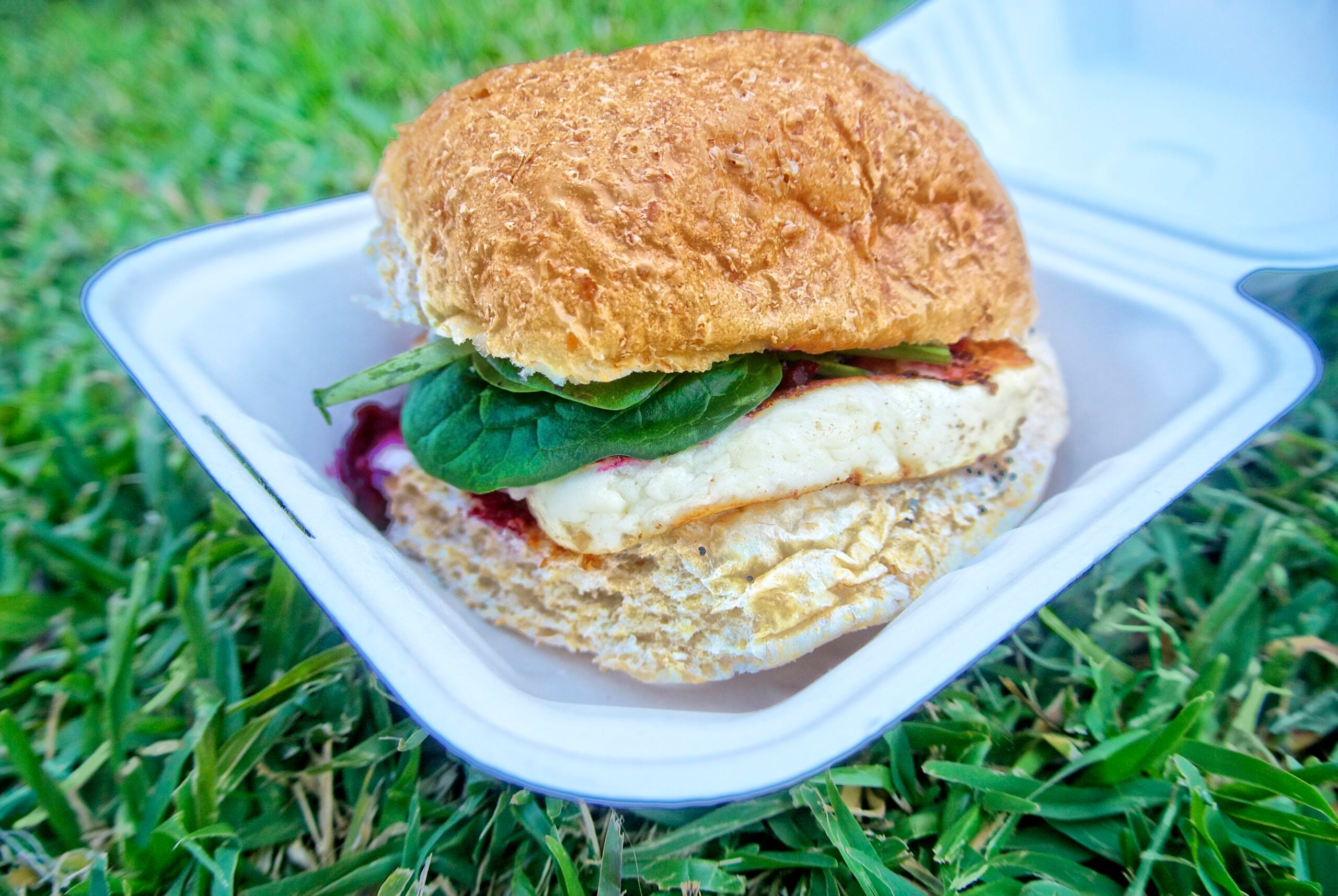
Modern plant based eating feels new, but convenient meatless stand ins have deeper roots. Brands such as Gardenburger, founded in 1985, brought veggie patties into the mainstream freezer conversation years before the latest wave of meat alternatives.
The big shift was not simply vegetarian cooking. It was the idea that a plant based option could be bought ready made, stored in the freezer and cooked quickly on a weeknight. That sounds very current because it is the same promise behind many of today's burgers, nuggets and meatless bowls. The 1980s helped move vegetarian convenience from a niche health food store idea toward mass market practicality.
String cheese and portable protein
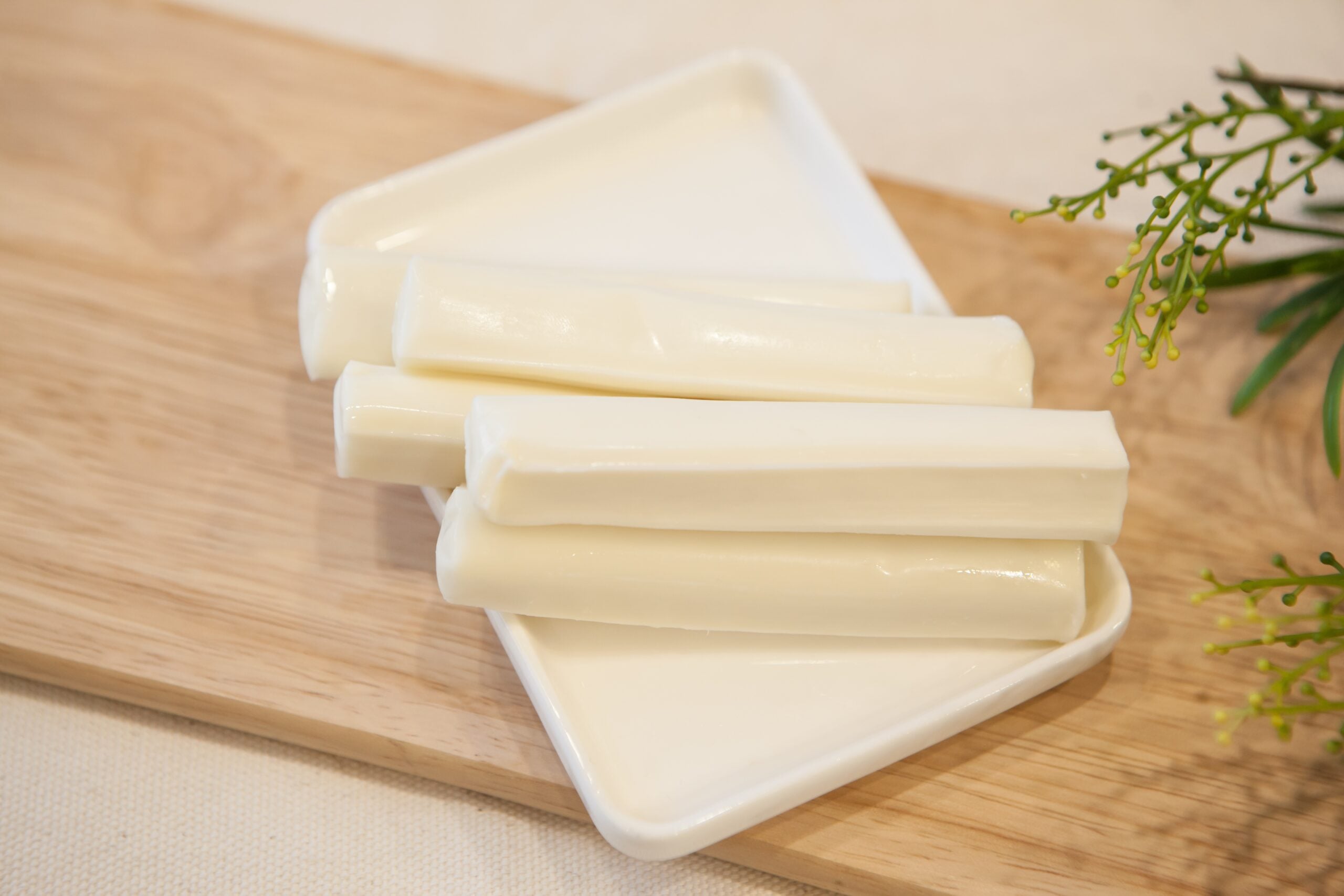
String cheese felt playful, but it also helped turn dairy into a grab and go snack. Individually wrapped cheese portions fit lunchboxes, car rides and quick after school eating, all while offering a protein rich option that needed little preparation.
That same pattern now drives a huge part of the snack market. Protein bars, yogurt drinks, roasted edamame and single serve cottage cheese cups all compete in the same space: easy, tidy fuel between meals. String cheese showed that portability and nutrition could coexist in a format people actually enjoyed. In that sense, it was an early template for the protein first snacking trend.
Instant ramen cups
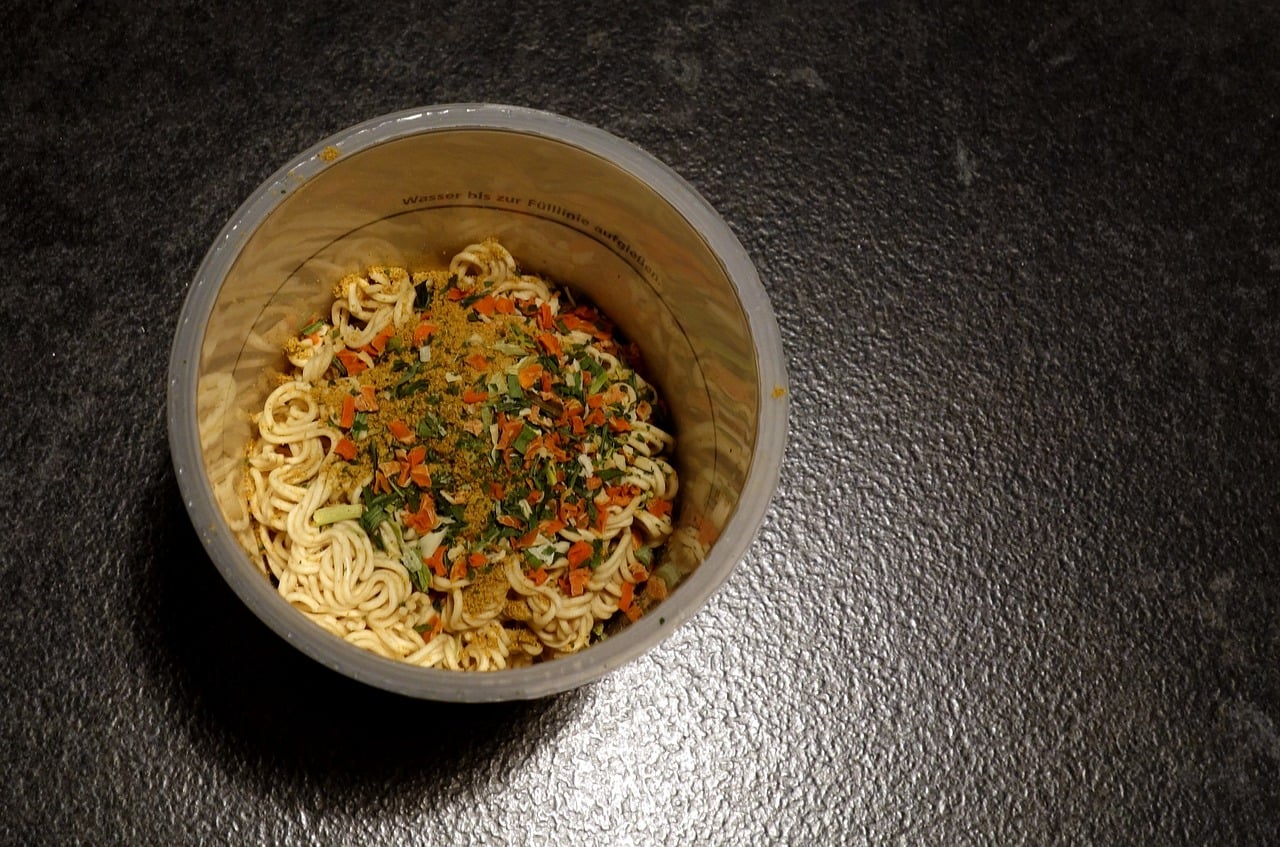
Cup style noodles transformed hot food into something nearly as easy as making coffee. By the 1980s, instant ramen cups had become a familiar pantry item, offering a cheap, fast meal with minimal equipment and almost no cleanup.
Their legacy goes beyond college dorm stereotypes. They anticipated today's demand for ultra convenient pantry meals, from microwave mac and cheese cups to shelf stable rice bowls and soup containers. They also introduced many consumers to globally inspired flavor in a low commitment format. That matters because modern eating trends often begin with accessible versions of international dishes sold as quick comfort food.
Bagel Bites
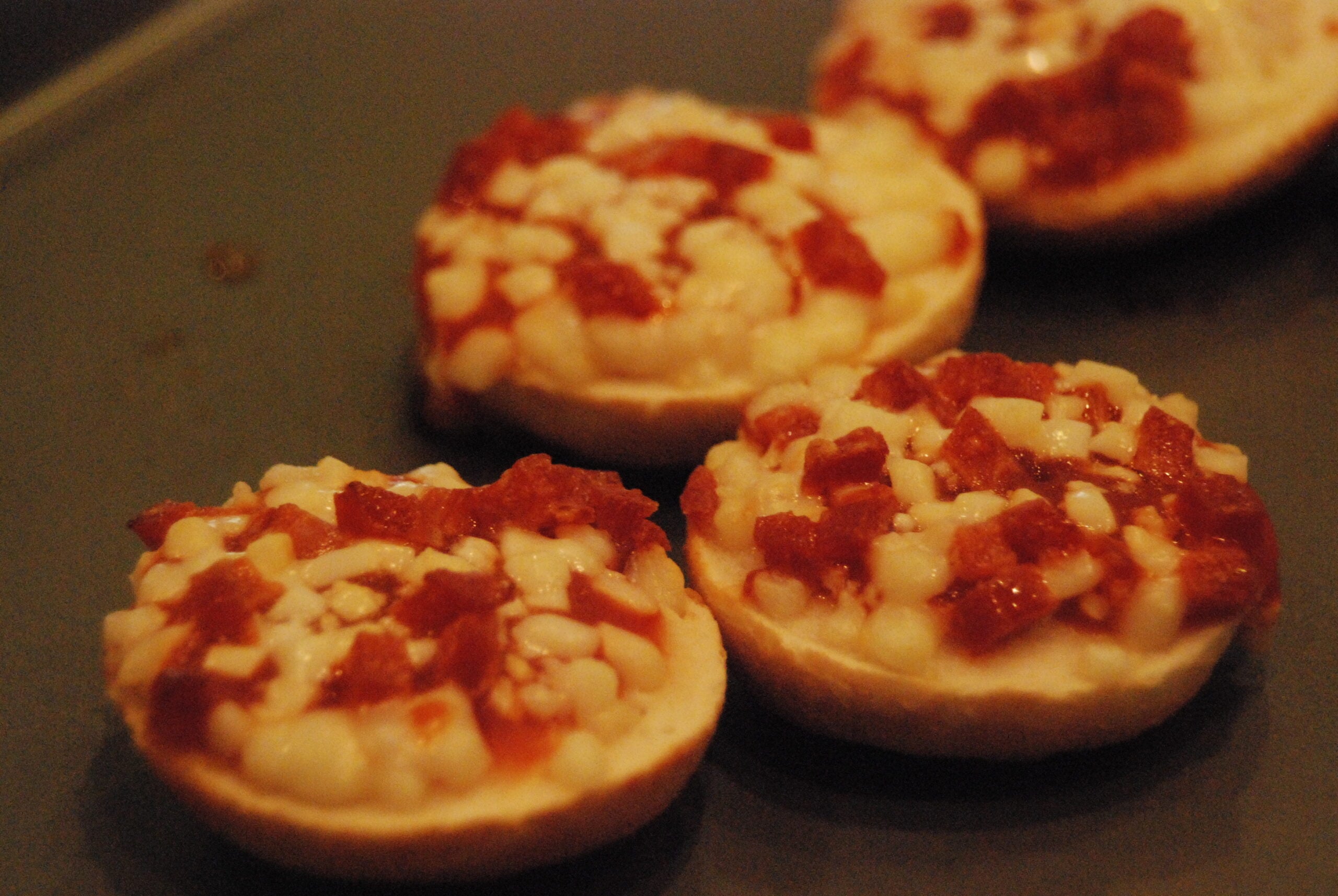
Bagel Bites arrived in 1985 and captured a now familiar hybrid approach: take a recognizable meal and shrink it into a snackable form. Pizza was already popular, but turning it into bite size freezer food made it more flexible, more shareable and easier to fit into irregular eating routines.
That idea is central to today's grazing culture. Mini tacos, slider kits, egg bites and snack size flatbreads all serve people who do not always sit down for traditional meals. Bagel Bites also showed how nostalgia and novelty can work together in one product. It tasted familiar, but the format felt new, a combination that still drives successful convenience launches.
Carnation Breakfast Bars and breakfast on the go

The 1980s helped redefine breakfast as something that could happen in transit. Products like Carnation Breakfast Bars spoke directly to people who were busy, rushed and willing to trade a sit down meal for something portable.
That mindset is now mainstream. Breakfast bars, bottled shakes, overnight oats and sandwich wraps all assume that morning eating must fit around commutes, school drop offs or office starts. The larger trend is not just portability, but meal replacement lite: products designed to stand in for breakfast without requiring a plate or a fork. The 1980s helped make that compromise feel normal.
Frozen yogurt products
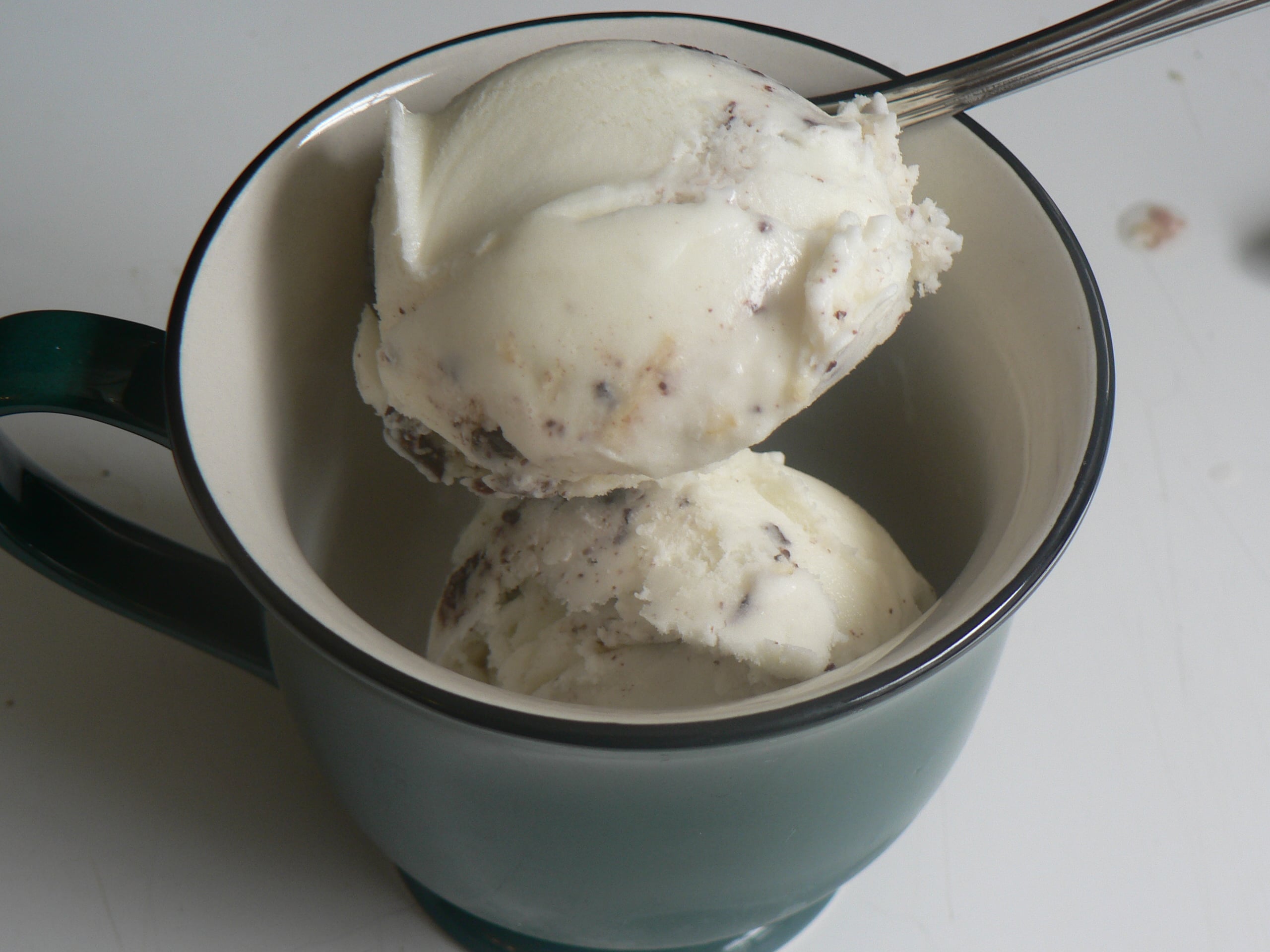
Frozen yogurt boomed in the 1980s as consumers looked for desserts that sounded lighter than ice cream. The appeal was not only taste, but the suggestion of a more balanced indulgence, something sweet framed as a smarter choice.
That logic remains powerful in current food culture. Today it shows up in better for you desserts, from lower sugar ice cream to high protein frozen bars and yogurt based treats with functional claims. Frozen yogurt helped establish a lasting category: foods sold as treats, but marketed with enough wellness language to reduce guilt. It was an early sign that dessert and health messaging would increasingly overlap.
Leave a Reply