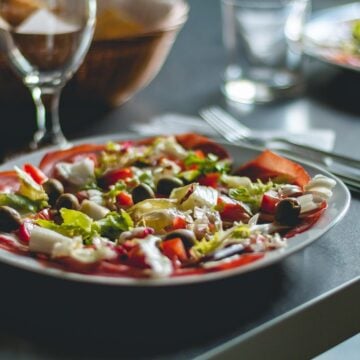
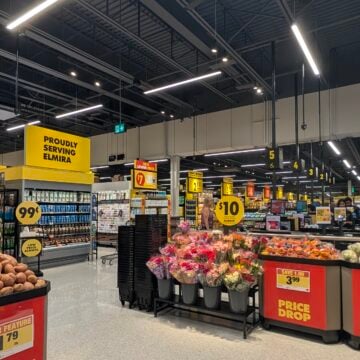
Dinner used to begin with a recipe. Now, for many shoppers, it begins with the weekly ad.
That shift may sound small, but it reflects a much bigger change in how households think about money, waste, convenience, and everyday eating.
Inflation Turned the Weekly Sale Into a Meal Planning Tool

The most obvious reason dinners are starting with sale items is simple: food costs remain high enough that shoppers feel every trip. Even when inflation cools on paper, many staples still cost far more than they did a few years ago. Eggs, beef, snacks, and prepared foods have all seen periods of sharp price pressure, and families notice it in the total at checkout. As a result, the sale circular is no longer background noise. It has become a planning document.
This behavior is especially common among middle-income shoppers, not only households already living on a tight budget. Industry tracking has shown that consumers across income levels are trading down, buying store brands, and switching proteins based on price. According to the U.S. Department of Agriculture, food-at-home prices rose substantially over the past several years, and while the pace has varied, the higher baseline remains. That means even shoppers who once built menus around preference now often build them around price.
Retailers have adapted quickly because they know consumers are watching. Promotions on chicken thighs, ground turkey, pasta, canned tomatoes, frozen vegetables, and rice often shape what people cook all week. A discounted rotisserie chicken can become tacos one night, soup the next, and sandwiches after that. A buy-one-get-one pasta deal can anchor several meals when paired with low-cost pantry ingredients. In that way, a sale item is not just a bargain. It is the foundation of a practical dinner strategy.
There is also a psychological element. Starting with what is discounted gives shoppers a sense of control in an economy that often feels unpredictable. Instead of arriving at the register hoping their total stays reasonable, they walk in with a framework. They know where the savings are, and they build dinner from there. For many households, that feels less like compromise and more like smart planning.
Digital Shopping Changed How People Discover Dinner Ideas
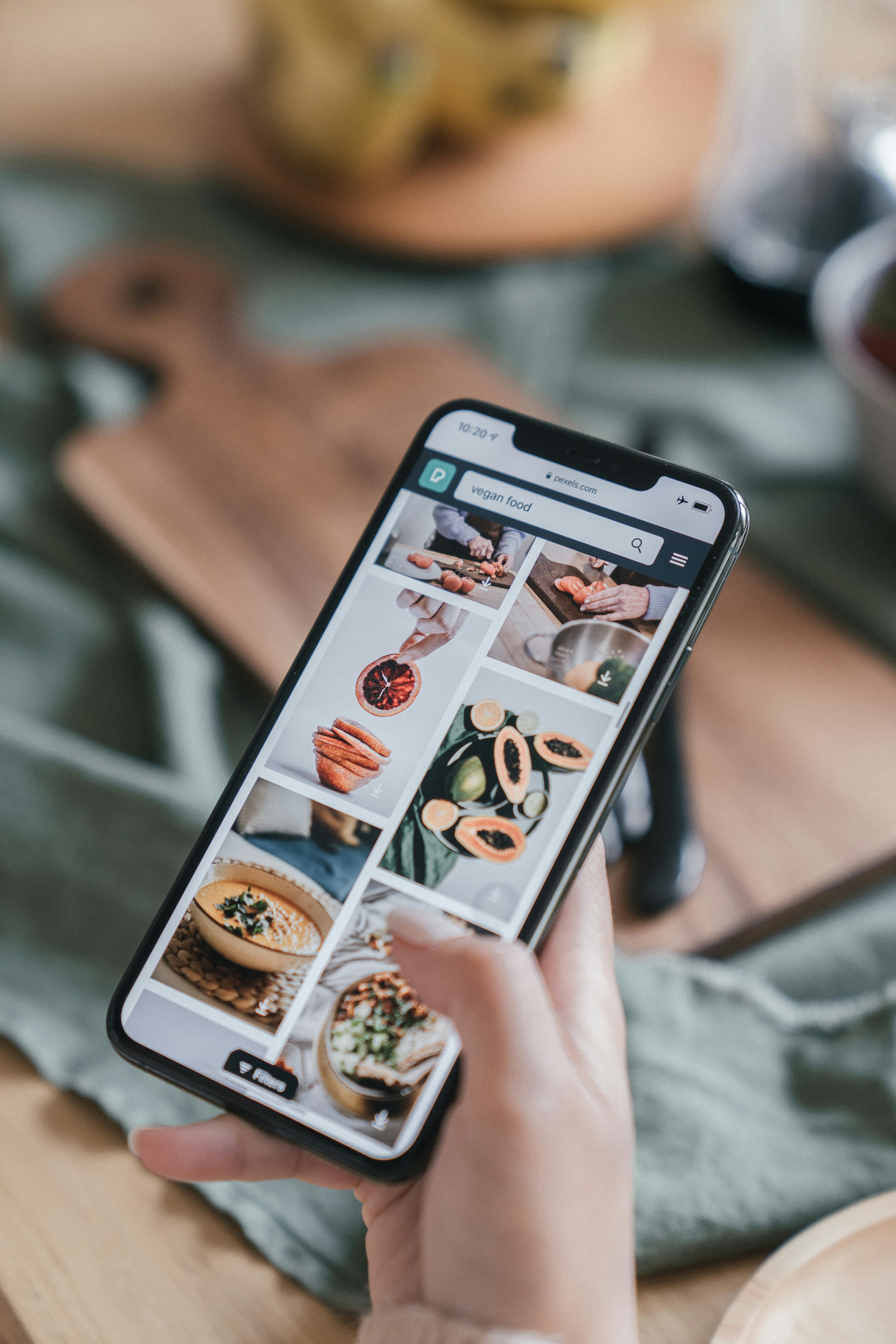
A decade ago, shoppers often found deals while already standing in the aisle. Today, the decision begins much earlier and often on a phone screen. Grocery apps, digital coupons, loyalty programs, and personalized promotions now put sale items in front of shoppers before they ever make a list. That changes dinner planning because people are no longer asking only, "What do I want to cook?" They are also asking, "What is worth buying this week?"
This is one reason meal inspiration has become more fluid. If an app highlights salmon at a temporary markdown, dinner may shift from chicken to fish. If peppers, onions, and tortillas are all on promotion, fajitas suddenly make sense. The digital layer turns shopping into a kind of guided decision-making system. Retailers benefit because promotions move inventory, while consumers benefit by finding combinations that feel affordable and timely.
Social media has reinforced the trend. Short videos and grocery haul content often show viewers how to build a week of meals from what is discounted at Aldi, Costco, Walmart, Kroger, or local chains. The appeal is not just thrift. It is practicality. People want examples of real meals they can make from sale chicken, marked-down produce, or pantry staples bought in bulk. In many homes, dinner ideas now come from a blend of digital ads, creator advice, and store loyalty deals.
The result is a more responsive style of cooking. Instead of shopping for one exact recipe and paying whatever it costs, people increasingly swap ingredients based on what is promoted. Broccoli replaces asparagus if it is cheaper. Pork loin replaces steak if the markdown is strong enough. This flexibility used to be associated with older generations who cooked from experience and instinct. Now it is becoming a mainstream habit again, helped by technology that makes every week's deals easy to scan.
Cooking Around Sales Often Leads to Smarter, Less Wasteful Kitchens
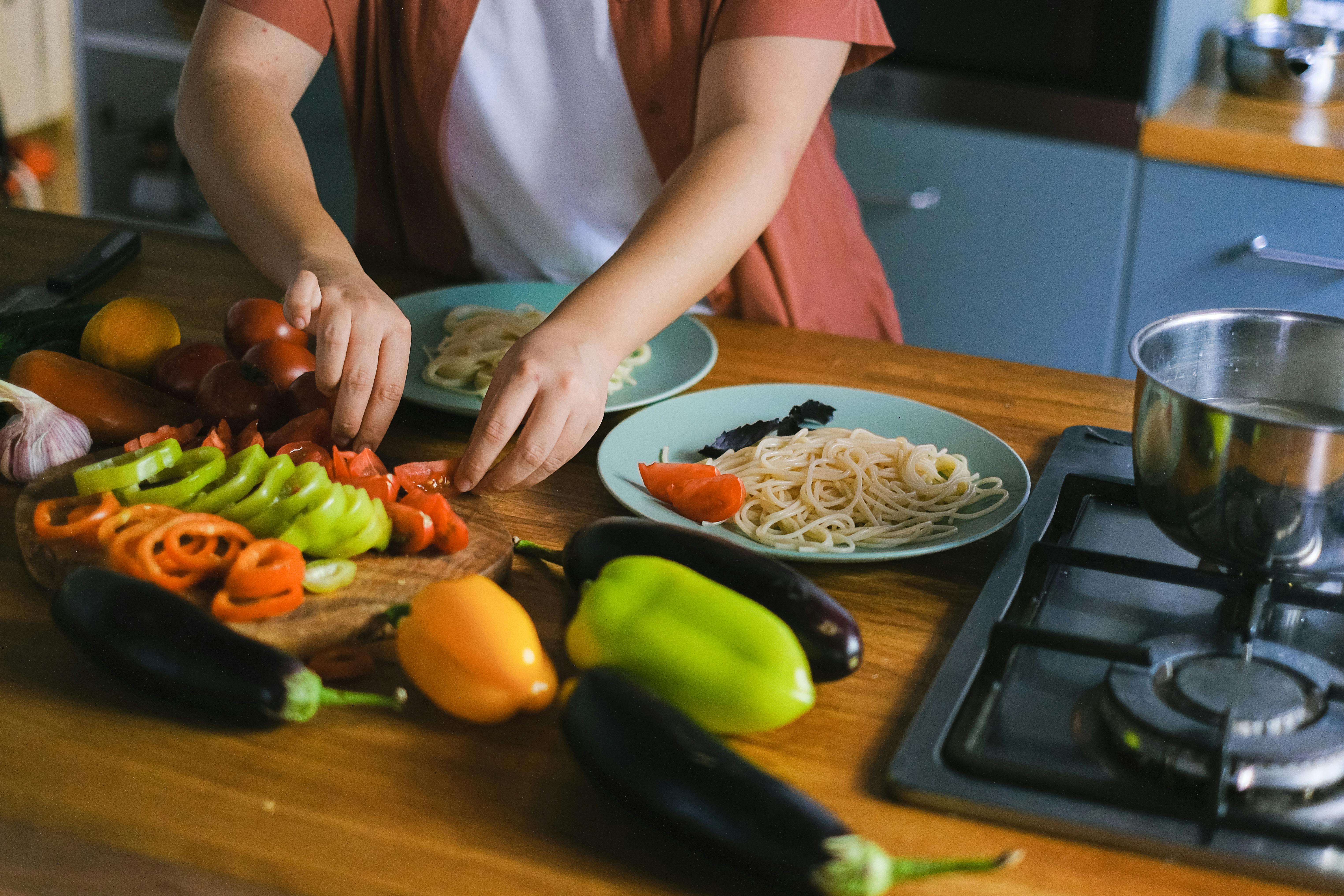
There is another reason this habit is growing: it can reduce waste. When shoppers start with what is on sale, they often build meals that use overlapping ingredients across several days. That tends to create a more efficient kitchen. Instead of buying one expensive ingredient for one recipe and forgetting the leftovers in the crisper drawer, people choose foods they can stretch and repurpose.
Consider a common example. A sale on bone-in chicken can lead to roasted chicken with potatoes on Monday, shredded chicken bowls on Tuesday, and broth from the bones for soup later in the week. Discounted spinach might appear in omelets, pasta, and a side salad before it spoils. A large tub of plain yogurt bought on promotion can become breakfast, marinade, and sauce. The sale does not just save money up front. It encourages a chain of practical uses.
Food waste matters more than many people realize. The U.S. Environmental Protection Agency has long identified food as one of the most common materials sent to landfills, and much of that waste starts in home kitchens. Shoppers often overbuy when they shop aspirationally, choosing ingredients for meals they hope to cook rather than meals they realistically will cook. Sale-first planning can work better because it pushes people toward ingredients with immediate value and multiple uses.
This approach also makes leftovers more intentional. Instead of treating extra food as an afterthought, shoppers often choose sale items because they know they can transform them. Roast vegetables become grain bowls. Extra rice becomes fried rice. Discounted bread becomes garlic toast, sandwiches, or croutons. In that sense, sale-based meal planning is not only about saving at checkout. It is about getting full value from every ingredient that enters the house.
Proteins, Produce, and Pantry Staples Now Compete for the Lead Role
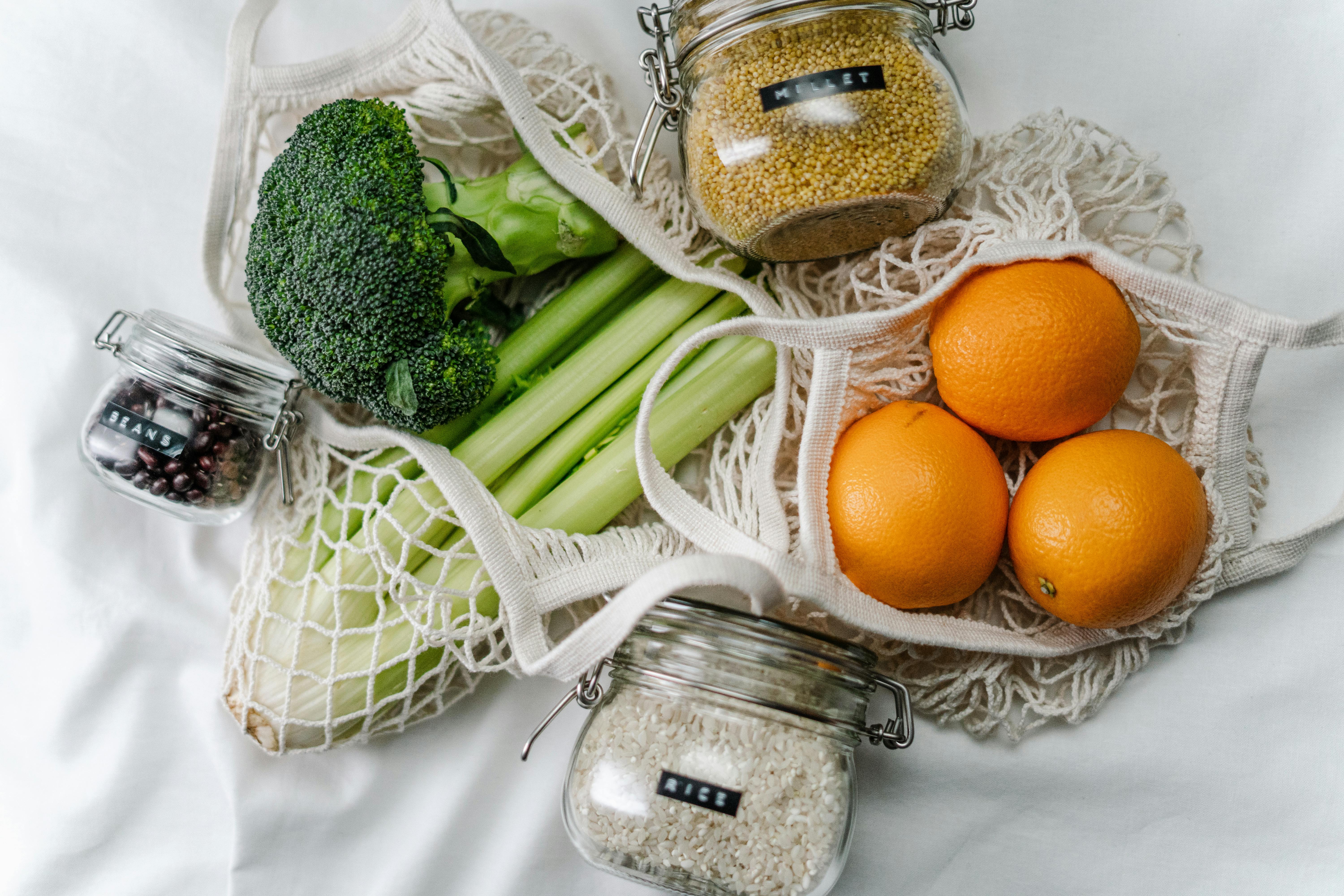
The center of the plate used to determine the whole meal. If a family planned steak, roast chicken, or pork chops, the side dishes followed. Today, the starting point can be almost anything that offers strong value. A great price on cauliflower, beans, pasta sauce, or frozen dumplings can shape the entire dinner just as much as a sale on meat. That broadens what families consider a meal anchor.
Protein still matters most because it usually takes the largest share of the grocery budget. When beef prices rise, shoppers often pivot to chicken, eggs, tofu, canned tuna, or beans. Retail data has repeatedly shown consumers switching between proteins rather than giving up home cooking. Ground turkey may replace ground beef in tacos. Pork shoulder may replace more expensive cuts for slow-cooked meals. Lentils may stretch meat in soups, chilis, and pasta sauces without sacrificing satisfaction.
Produce has also taken on a bigger planning role, especially when seasonal abundance brings deep discounts. In summer, tomatoes, zucchini, corn, and berries can push shoppers toward lighter, produce-driven dinners. In colder months, promotions on cabbage, carrots, potatoes, and squash can lead to soups, sheet-pan meals, and braises. Seasonal sale shopping often improves flavor as well as affordability because produce is typically cheaper when supply is strongest.
Pantry staples are the quiet enablers of this entire system. Rice, pasta, canned beans, broth, oats, flour, tortillas, and frozen vegetables allow shoppers to turn one or two discounted items into complete meals. This is why experienced budget cooks rarely talk only about buying cheap. They talk about pairing sales with a stocked base at home. A markdown on shrimp matters more if there is already rice and garlic in the pantry. A sale on mushrooms matters more if pasta is in the cupboard. The sale item may start dinner, but the pantry makes it possible.
Restaurants, Meal Kits, and Home Cooks Are All Responding to Value Pressure

The sale-first mindset is not limited to supermarket shoppers. It is affecting the wider food culture as well. Restaurants are under the same ingredient cost pressures, and many have adjusted menus based on volatile prices for beef, seafood, dairy, and produce. Limited-time specials often reflect what kitchens can source at a better cost, not just what chefs feel like featuring. Diners may not always see the economics, but value pressure shapes menus across the industry.
Meal kit companies and prepared food brands have responded in a similar way. They market convenience, but they also increasingly market cost control. Offers that emphasize lower price per serving, reduced waste, and efficient ingredient use are aimed at shoppers who are comparing every food dollar. A family that once ordered a meal kit for novelty may now justify it as a budgeting tool if it prevents restaurant spending or impulse grocery purchases. The language of value now sits beside the language of taste.
Home cooks, meanwhile, have become more strategic and more skilled. Many are learning to substitute ingredients, batch-cook, freeze portions, and revive older habits that previous generations took for granted. Consumer experts often describe this as a return to flexible cooking, where technique matters more than rigid recipes. If onions are expensive, use leeks on sale. If fresh berries are too costly, use frozen fruit. If steak is out of reach, marinate a cheaper cut or choose another protein entirely.
This shift may ultimately make people better cooks. When dinner starts with what is on sale, the cook has to think in frameworks rather than exact scripts. That encourages confidence and adaptability. It also creates a stronger connection between shopping and cooking, which had weakened in the age of one-click meal inspiration. In many homes, value pressure is forcing creativity, and creativity is turning out to be a useful kitchen skill.
This Is Not Just a Money Story. It Is a New Way of Thinking About Food
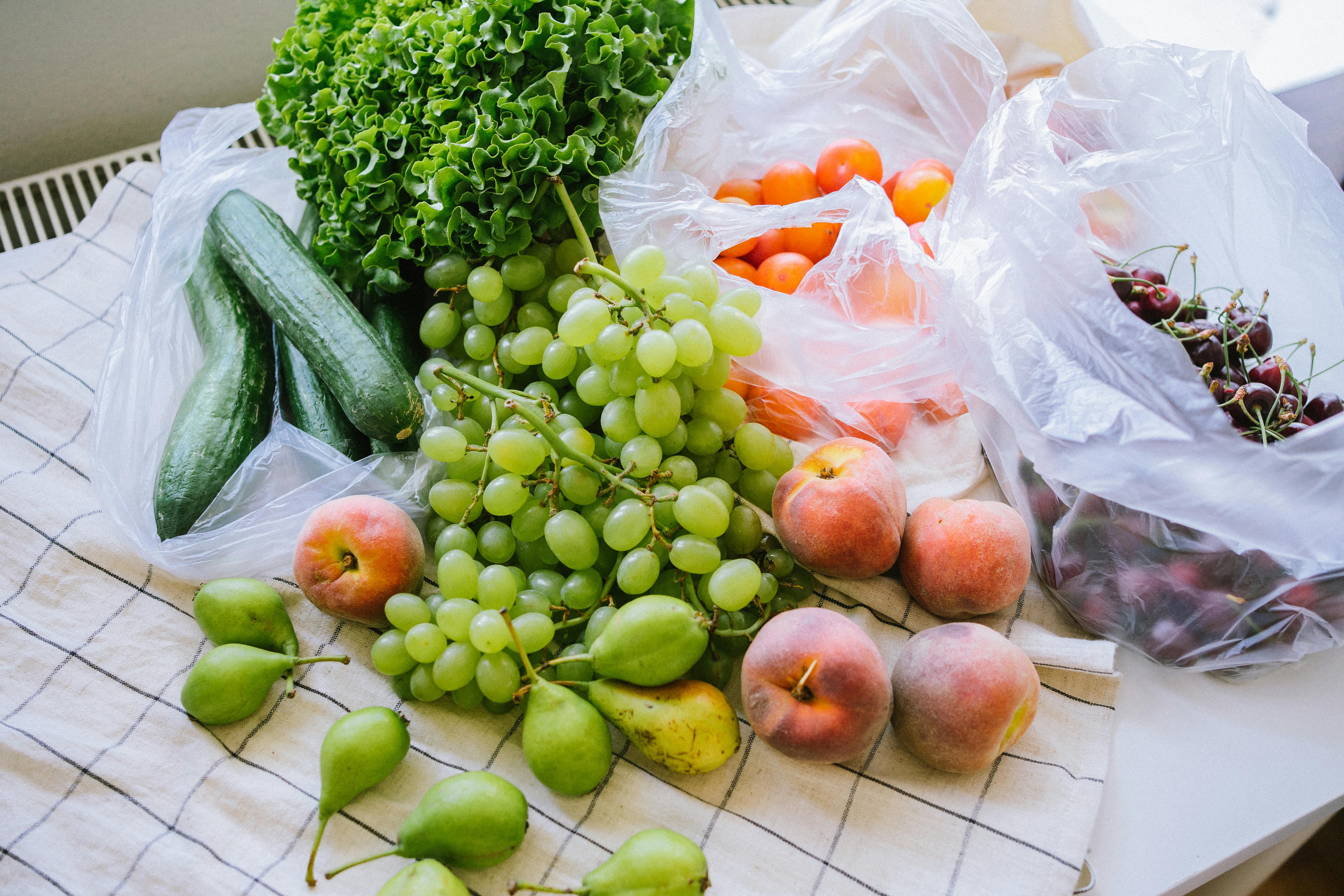
It would be easy to frame this trend only as a response to inflation, but that misses the larger point. Starting dinner with what is on sale is also a mindset shift toward flexibility, seasonality, and practicality. It reflects a willingness to adapt rather than insist on the same meal regardless of price or availability. For many households, that is becoming a normal part of modern eating.
There is a cultural dimension here too. For years, food media often focused on aspiration: special ingredients, exact recipes, and curated shopping lists. Today, many readers and viewers want something different. They want meals that fit real budgets, real schedules, and real grocery stores. They want to know what to make when chicken thighs are cheap, when cauliflower is abundant, or when the freezer aisle offers the best value. That is less glamorous than fantasy cooking, but it is more useful.
The sale-first approach also rewards attentiveness. Shoppers begin noticing seasonality, price cycles, unit cost, store patterns, and how long ingredients actually last at home. Over time, they become sharper decision-makers. They learn when to stock up, when to freeze, when to substitute, and when a sale is not really a bargain. That kind of food literacy can improve both budgets and meals, and it tends to grow with practice.
So why are more dinners starting with what is on sale? Because households are trying to stretch money, reduce waste, and cook more intelligently in an expensive world. But also because this method works. It produces meals that are affordable, adaptable, and grounded in what is actually available right now. In a time of constant cost pressure, that may be the most realistic recipe of all.