Food rarely disappears all at once. It gets delayed, thinned out, made more expensive, or shifted into fewer choices long before most shoppers notice a true shortage.
The food system is efficient, but that efficiency can also make it fragile

Modern food supply chains were built for speed, scale, and low cost. Farmers, processors, wholesalers, trucking firms, ports, cold-storage operators, and supermarkets all work in a tightly timed sequence that leaves little room for error. That structure keeps store shelves full in ordinary times, but it also means a disruption in one part of the chain can ripple quickly across many others. According to analysts at major agricultural banks and food logistics firms, resilience has often taken a back seat to efficiency over the past two decades.
One reason experts are paying closer attention now is consolidation. In several major categories, including meat processing, grain trading, fertilizer production, and grocery distribution, a relatively small number of companies handle a large share of volume. When one large plant shuts down because of equipment failure, labor issues, cyberattacks, or contamination concerns, there are not always enough backup facilities nearby to absorb the loss. The result may not be empty stores everywhere, but it can mean reduced output, delayed deliveries, and price spikes in specific regions.
The pandemic offered a vivid lesson in this kind of fragility. In 2020, meatpacking slowdowns created bottlenecks that left farmers with animals they could not move while retailers imposed purchase limits on some cuts. Similar problems appeared in dairy and produce, where products designed for restaurants could not easily be redirected into grocery packaging. Experts still point to that period as evidence that food systems can look abundant at the national level while failing badly at the point of processing, packaging, or transport.
Another weak point is the just-in-time model used across food retail and warehousing. Many stores no longer keep deep backroom inventories because restocking frequently is cheaper than carrying extra product. That works when trucks arrive on schedule and warehouses operate smoothly. But if severe weather closes highways, refrigeration equipment fails, or a labor strike slows a port, those slim inventories can vanish faster than consumers expect. Experts are watching this because the number of stress points has risen at the same time that spare capacity in the system remains limited.
Climate pressure is hitting farms and fisheries in more ways than many people realize
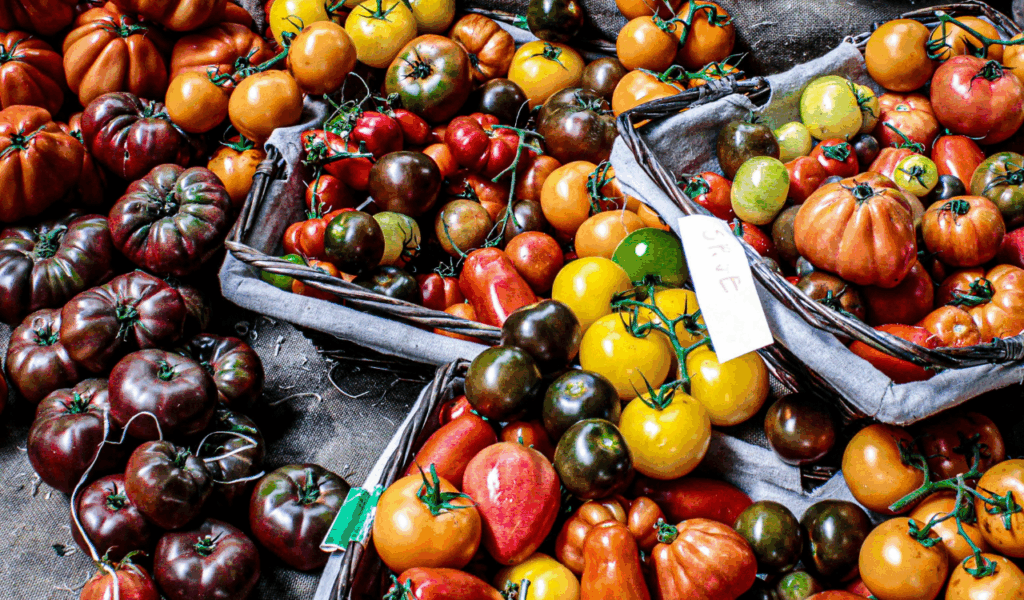
The biggest visible threat to food supply is still weather, but experts no longer talk about weather as a seasonal inconvenience. They increasingly frame it as a structural risk that affects crop yields, animal health, water access, transport routes, and insurance costs at the same time. Drought in one region, flooding in another, and extreme heat during pollination windows can all hit production in a single growing season. That makes it harder for one good region to compensate for another bad one.
Heat has become especially important because many staple crops are sensitive during narrow stages of development. Corn, wheat, rice, soybeans, and fruit crops can all suffer if temperatures spike at the wrong moment, even when total seasonal rainfall looks normal. Researchers from agricultural universities and international food agencies have repeatedly found that climate volatility matters as much as average temperature. It is the swing between extremes, not just the trend line, that raises the odds of lower yields and lower quality.
Water stress is another reason experts are uneasy. Key agricultural regions in the United States, Europe, Asia, and parts of Latin America depend on rivers, reservoirs, and groundwater systems that are under pressure. In places like California, southern Spain, and sections of India, repeated drought has forced hard choices about which crops to plant and how much acreage to leave idle. When irrigation becomes less reliable, supplies of vegetables, nuts, fruit, and feed crops can tighten, which then affects livestock producers as well.
Fisheries and seafood supply are also vulnerable in ways consumers often overlook. Marine heat waves, changing migration patterns, harmful algae blooms, and storm damage can reduce catches or shift them far from traditional fleets and processing hubs. Aquaculture faces its own threats, including disease outbreaks, warming waters, and feed cost inflation. Experts watching food disruption are not only studying farms on land. They are also watching oceans, rivers, and hatcheries because seafood plays a major role in global protein supply, especially in coastal and import-dependent markets.
Disease, pests, and input costs can squeeze supply before shoppers see any warning signs
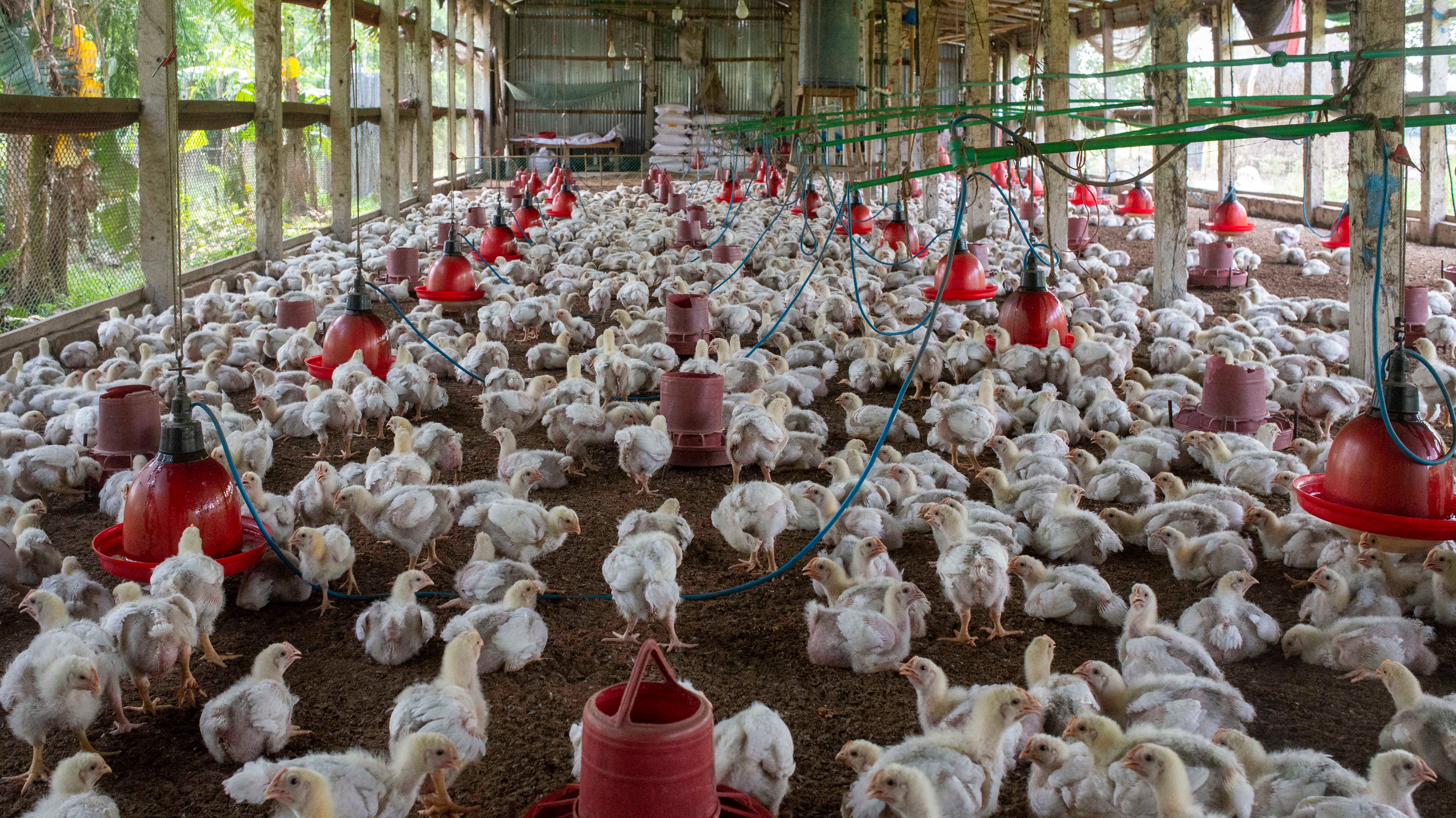
Some of the most serious food disruptions begin far from public view. A fungal outbreak in a crop, a livestock disease in one region, or a sharp rise in fertilizer and feed costs can quietly reduce supply months before the consequences show up in stores. That is why experts pay close attention to agricultural health bulletins, veterinary reports, and commodity input markets. By the time consumers notice a problem at retail, the underlying issue may have been building for an entire season.
Animal disease remains one of the clearest risks. Avian influenza has repeatedly hit poultry flocks in multiple countries, affecting egg and turkey supplies and pushing prices higher. African swine fever has reshaped pork markets in parts of Europe and Asia, while cattle diseases and feed stress can lower herd sizes over time. Even when outbreaks are geographically limited, trade restrictions and culling measures can tighten supply well beyond the immediate area. Experts monitor these events closely because disease control often requires rapid destruction of inventory rather than slow adjustment.
Crop pests and plant diseases create similar pressure. Citrus greening has damaged orange production in major growing areas, while fungal diseases in bananas, coffee, wheat, and other crops have raised alarms among agronomists for years. The concern is not only the direct loss of volume. It is also the reduced flexibility farmers face when treatment options become more expensive, less effective, or more tightly regulated. A disease-resistant strain or pesticide shortage can change planting decisions across wide areas.
Then there is the cost side of production. Fertilizer prices, diesel, electricity, animal feed, packaging materials, and farm equipment financing all influence what gets planted, harvested, processed, and shipped. The 2022 surge in fertilizer prices, intensified by war-related disruptions and energy volatility, showed how quickly farm economics can change. If growers decide a crop is too expensive or too risky to produce at prior levels, supply can tighten even without a dramatic weather disaster. Experts watch these inputs because food disruption is often driven by economics as much as biology.
Transportation, labor, and geopolitics can turn a local problem into a wider shortage
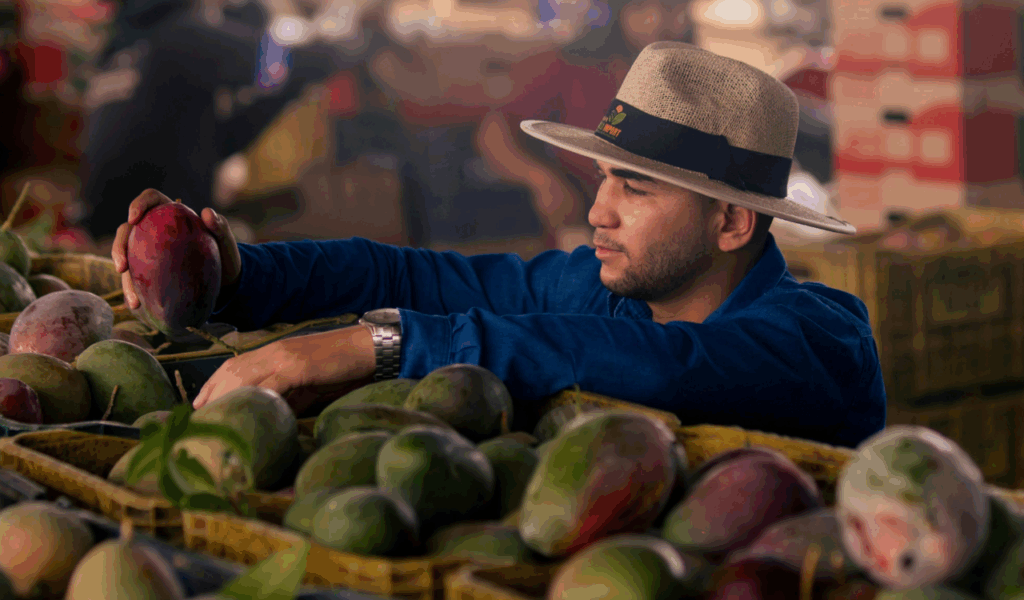
A field can produce a healthy crop and a processor can package it correctly, yet food can still fail to arrive where it is needed. That is because transport is the connective tissue of the food system. Trucks move produce from farms to packing houses, rail moves grain across long distances, ships carry imported staples and ingredients, and refrigerated networks preserve perishables every step of the way. When one part of that system stalls, the effects spread quickly.
Labor is a major part of this picture. Farms in many countries depend on seasonal workers for planting, harvesting, and packing, while warehouses and trucking fleets need enough trained staff to keep freight moving on time. Shortages of drivers, mechanics, dockworkers, meat cutters, and food plant employees can slow output even when demand remains strong. Experts have also noted that labor disruptions tend to cluster with other risks. A heat wave can reduce farmworker productivity, while illness outbreaks or immigration policy changes can further tighten the available workforce.
Geopolitics adds another layer of uncertainty. The war in Ukraine disrupted exports of wheat, corn, sunflower oil, and fertilizer from one of the world's most important agricultural regions, sending shock waves through importing countries. Conflict in the Red Sea region forced some shipping to reroute, increasing transit times and freight costs for food and agricultural inputs. Export restrictions by producing countries can have a similar effect. When governments move to protect domestic supply by limiting rice, wheat, sugar, or cooking oil exports, global buyers often rush to secure alternatives, which can amplify scarcity and raise prices.
Cyber risk now belongs in this discussion too. Food companies and logistics operators rely heavily on software for routing, inventory control, cold-chain monitoring, payroll, and processing plant operations. Past attacks on fuel infrastructure and food businesses have shown how digital failures can become physical bottlenecks. Experts are watching these vulnerabilities because modern food supply depends not just on soil and rain, but on servers, scheduling systems, and communications networks that must work continuously.
What disruption would actually look like for consumers, and how experts think the system can adapt
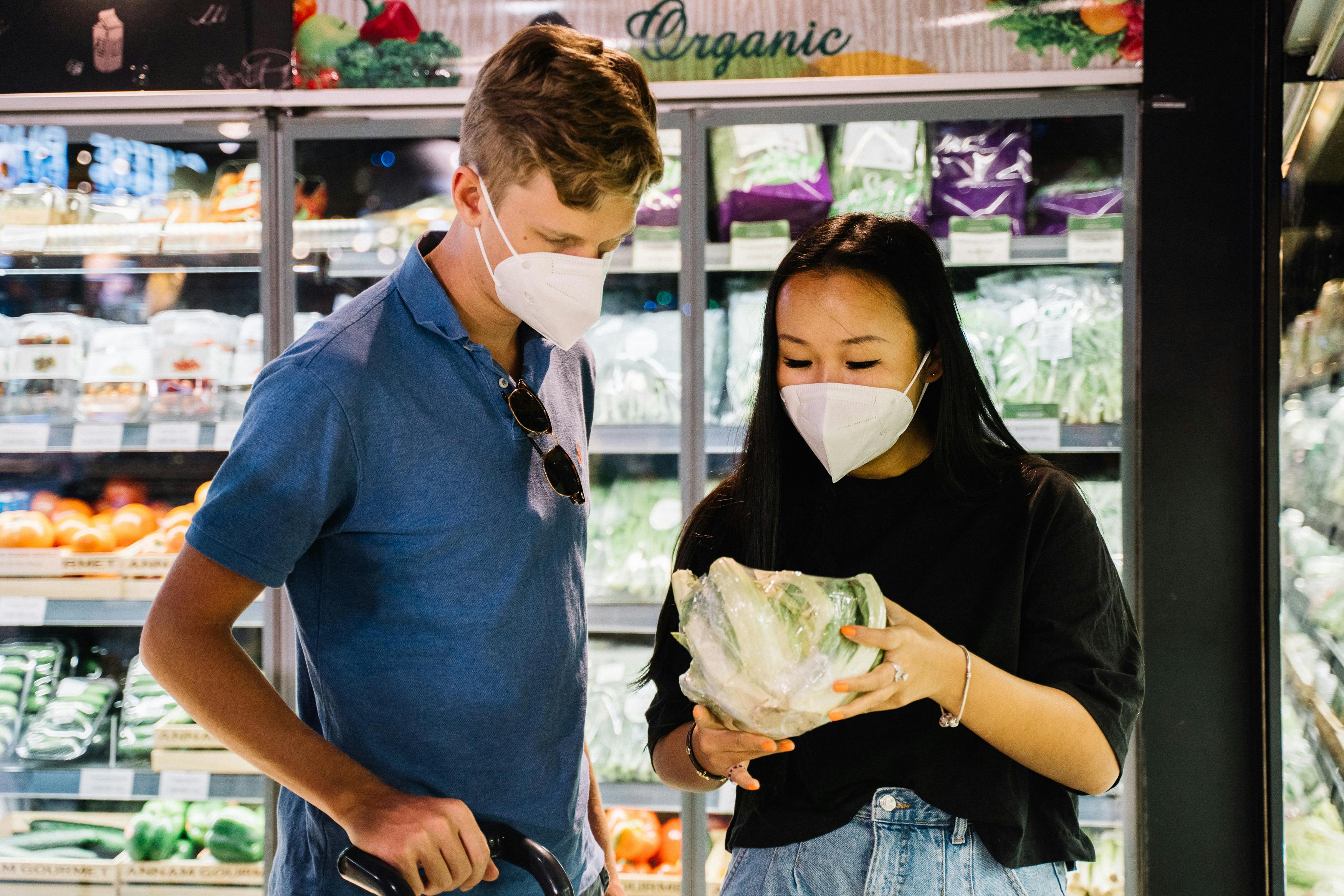
A serious food supply disruption does not always mean bare shelves across an entire country. More often, it appears as higher prices, fewer brand choices, smaller package sizes, intermittent gaps in certain categories, and sudden swings in quality. Fresh produce may become more seasonal and less uniform. Meat, eggs, cooking oils, seafood, coffee, cocoa, or grains may experience temporary shortages tied to specific shocks. Experts stress that disruption is often uneven, affecting some regions and income groups much more than others.
Lower-income households usually feel the pressure first because they spend a larger share of their income on food. Restaurants, school meal programs, hospitals, and food banks can also be hit hard when staple items become expensive or hard to source. In import-dependent countries, currency weakness can make global food stress even worse. This is one reason international agencies track food affordability as closely as physical supply. A nation can technically have food available, yet still face a serious access problem if prices move too far beyond what households can pay.
There are ways to reduce the risk. Experts often point to investment in regional processing capacity, stronger cold storage, diversified sourcing, better water management, crop insurance reform, disease surveillance, and more secure transportation networks. Farmers can improve resilience through soil health practices, drought-tolerant seed varieties, precision irrigation, and diversified crop rotations. Retailers and manufacturers can carry smarter buffer inventories in critical categories instead of relying so heavily on lean systems. None of these steps removes risk, but they can make shocks less damaging and recovery faster.
For consumers, the practical lesson is not panic buying. It is understanding that food security depends on many hidden systems working together, from farm labor and fertilizer to freight scheduling and refrigeration. Experts are watching possible disruption now because several risks are converging rather than appearing one at a time. The system is still functioning, and in many places it remains remarkably productive. But when climate stress, disease, transport strain, and geopolitical uncertainty overlap, even a powerful food system can come under real pressure.