
For many Canadians, Tim Hortons was never just a coffee stop. It was part of the daily routine, a small national symbol wrapped in double-doubles, Timbits, and familiar comfort. But in recent years, the brand's reputation has shifted, and many longtime customers feel the chain no longer reflects what made it special in the first place.
The food and coffee no longer feel special
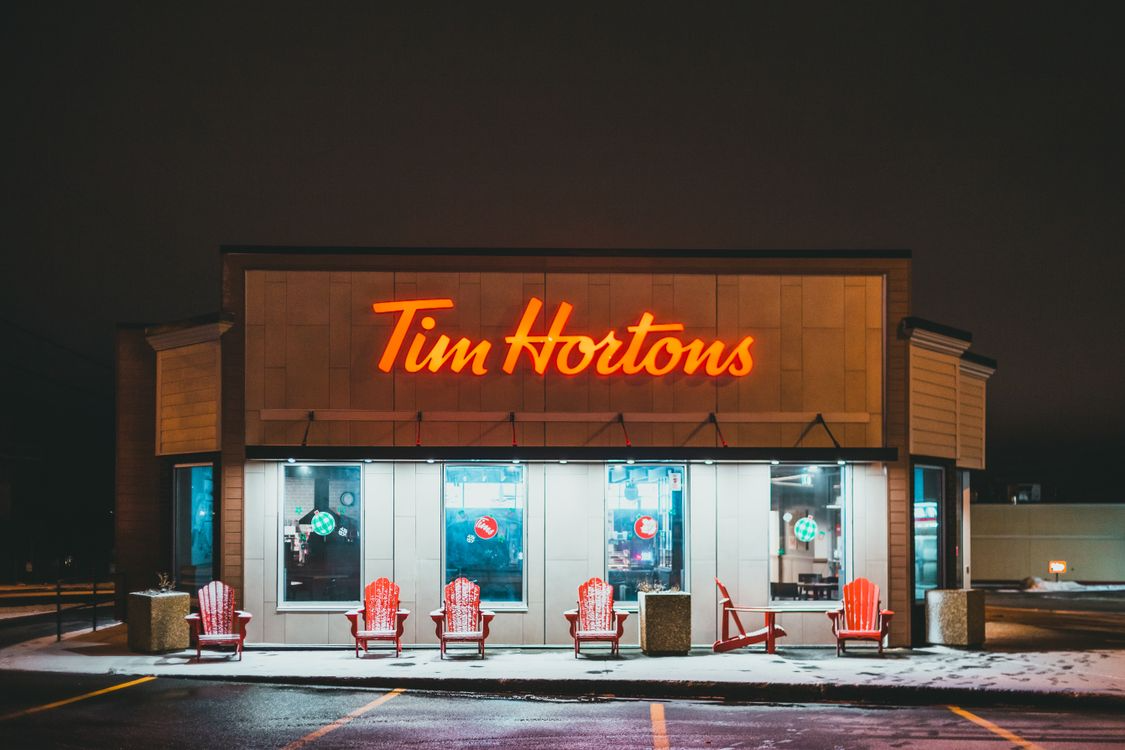
What once felt dependable now often feels forgettable. For years, Tim Hortons built its name on simple, satisfying coffee and fresh baked goods that people genuinely craved. Today, one of the most common complaints is that the taste and quality no longer stand out, especially in a market packed with stronger coffee programs, better pastries, and fresher breakfast options.
A big turning point came when the company changed parts of its coffee supply years ago, a move many loyal customers insist altered the flavor they loved. At the same time, baking became more centralized, replacing much of the old in-store freshness with a system that feels more industrial than homemade.
The menu got bigger but not better

There was a time when Tim Hortons succeeded by doing a few things well. Coffee, donuts, bagels, and a handful of lunch items gave it a clear identity. Over time, the chain expanded into wraps, bowls, specialty drinks, loaded breakfast items, and limited-time experiments, and that broader menu has often felt more confusing than exciting.
When a brand tries to be everything at once, consistency usually suffers. Customers have noticed slower service, uneven preparation, and products that can feel assembled rather than thoughtfully made. Instead of sharpening the core menu that built customer loyalty, the chain often appears to be chasing trends without fully mastering them.
Customer service became hit or miss
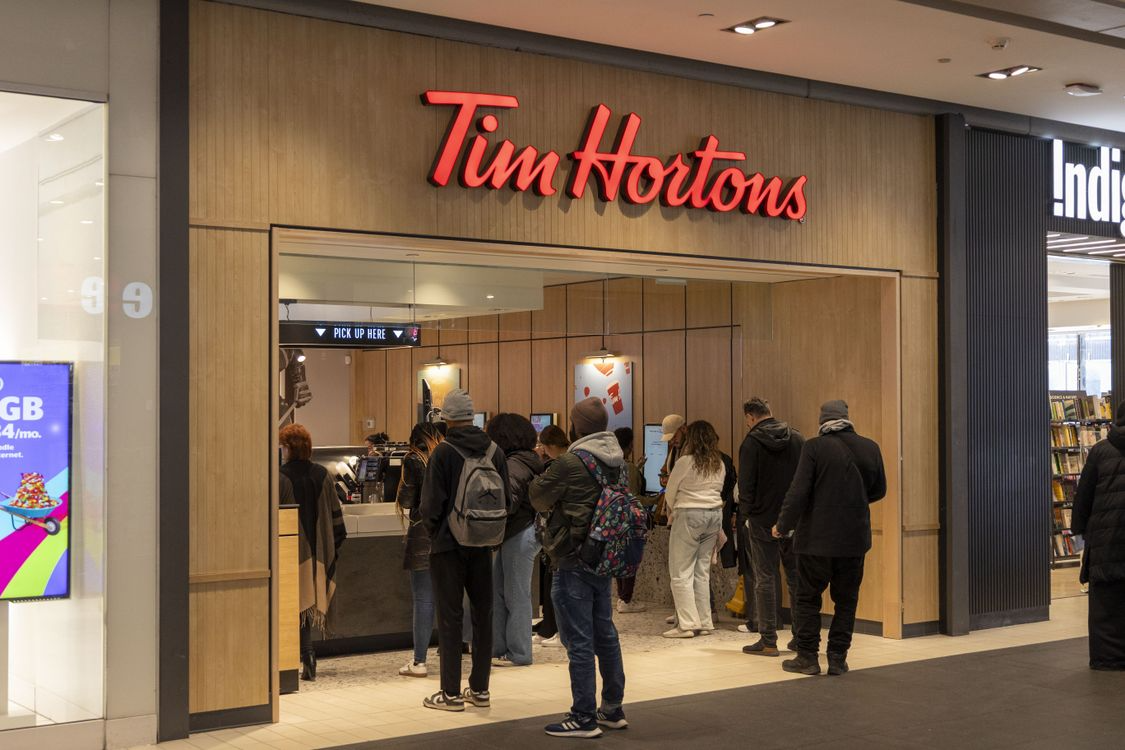
A familiar neighborhood stop depends on more than food. Tim Hortons once benefited from a sense of routine and warmth, where regulars felt recognized and service felt quick, friendly, and easy. These days, many locations are described as inconsistent, with experiences varying widely depending on staffing levels, training, and how busy the store is.
Part of that comes down to the pressure placed on front-line workers. A larger menu, drive-thru speed targets, delivery orders, and high turnover can create rushed interactions and mistakes. The result is not always bad service, but it is less reliably welcoming, and that matters for a brand built on everyday comfort and familiarity.
The brand feels more corporate than Canadian

Tim Hortons still trades heavily on Canadian identity, but for many people, the emotional connection is weaker than it used to be. Since major corporate changes and ownership shifts, critics have argued that the brand feels more like a global fast-food machine than a uniquely Canadian institution shaped by local habits and community roots.
That perception deepened as business decisions drew scrutiny, from franchise tensions to labor-related criticism and cost-cutting concerns. None of that fits neatly with the warm, small-town image the company continues to market. When the branding says hometown pride but the operations feel impersonal, customers notice the gap very quickly.
Competition caught up and sometimes passed it
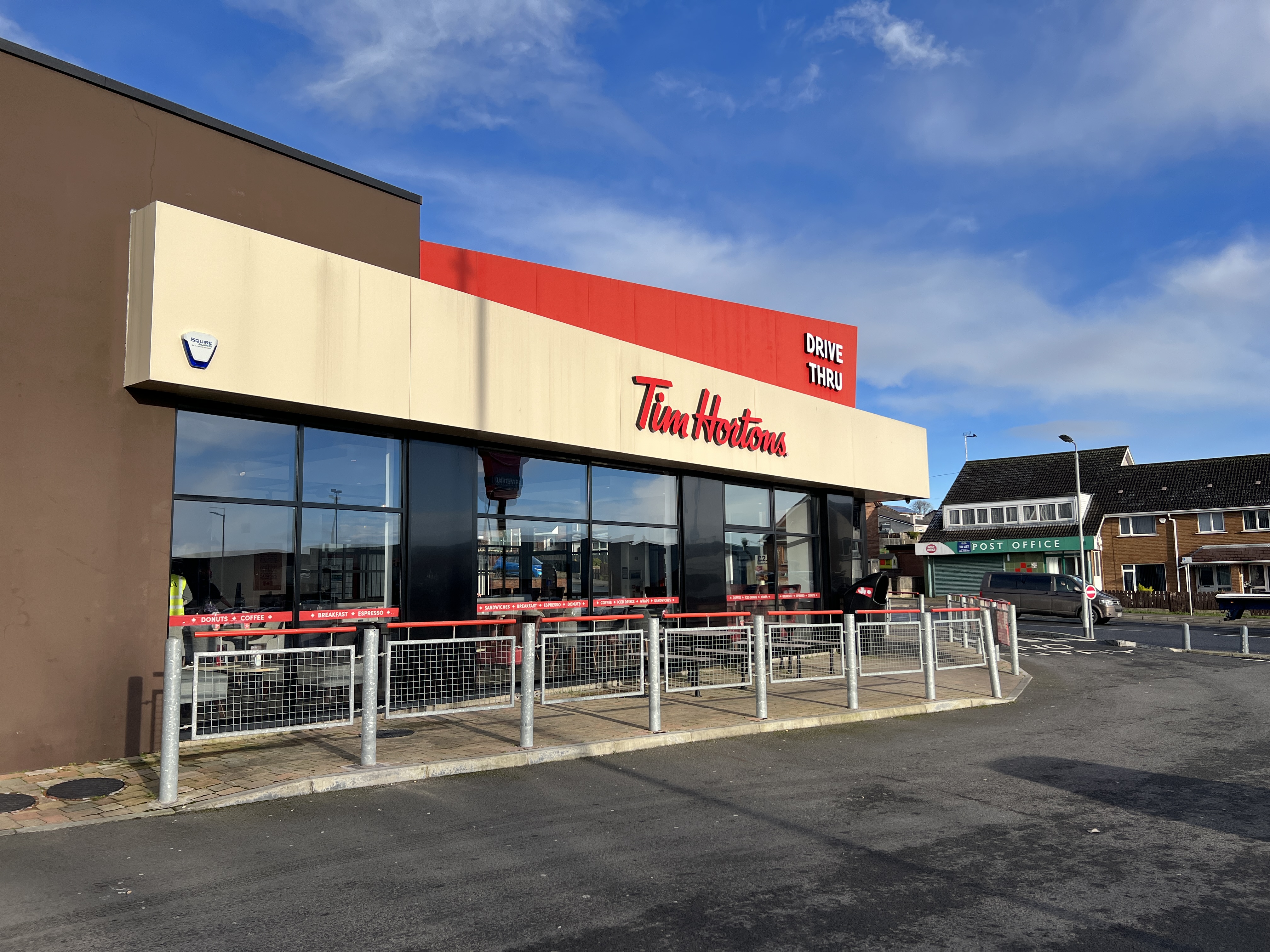
Tim Hortons once had the advantage of being the default stop for coffee across much of Canada. That edge is weaker now. McDonald's strengthened its coffee business, independent cafes raised expectations around quality, and convenience stores and specialty chains improved their own drink and food programs, giving customers far more reasons to go elsewhere.
The real issue is not just that competitors got better. It is that Tim Hortons no longer feels clearly ahead in any one category for many consumers. If the coffee is no longer the favorite, the food is average, and the experience is inconsistent, loyalty becomes habit rather than passion, and habits are much easier to break.



Leave a Reply