
Something subtle is happening in Canadian kitchens: meals are getting simpler, not showier. As grocery prices stay high and schedules stay packed, more home cooks are leaning into fewer ingredients, less waste, and recipes that actually fit real life. It is not about giving up flavor. It is about cooking in a way that feels practical, satisfying, and smart right now.
Why simpler cooking is catching on
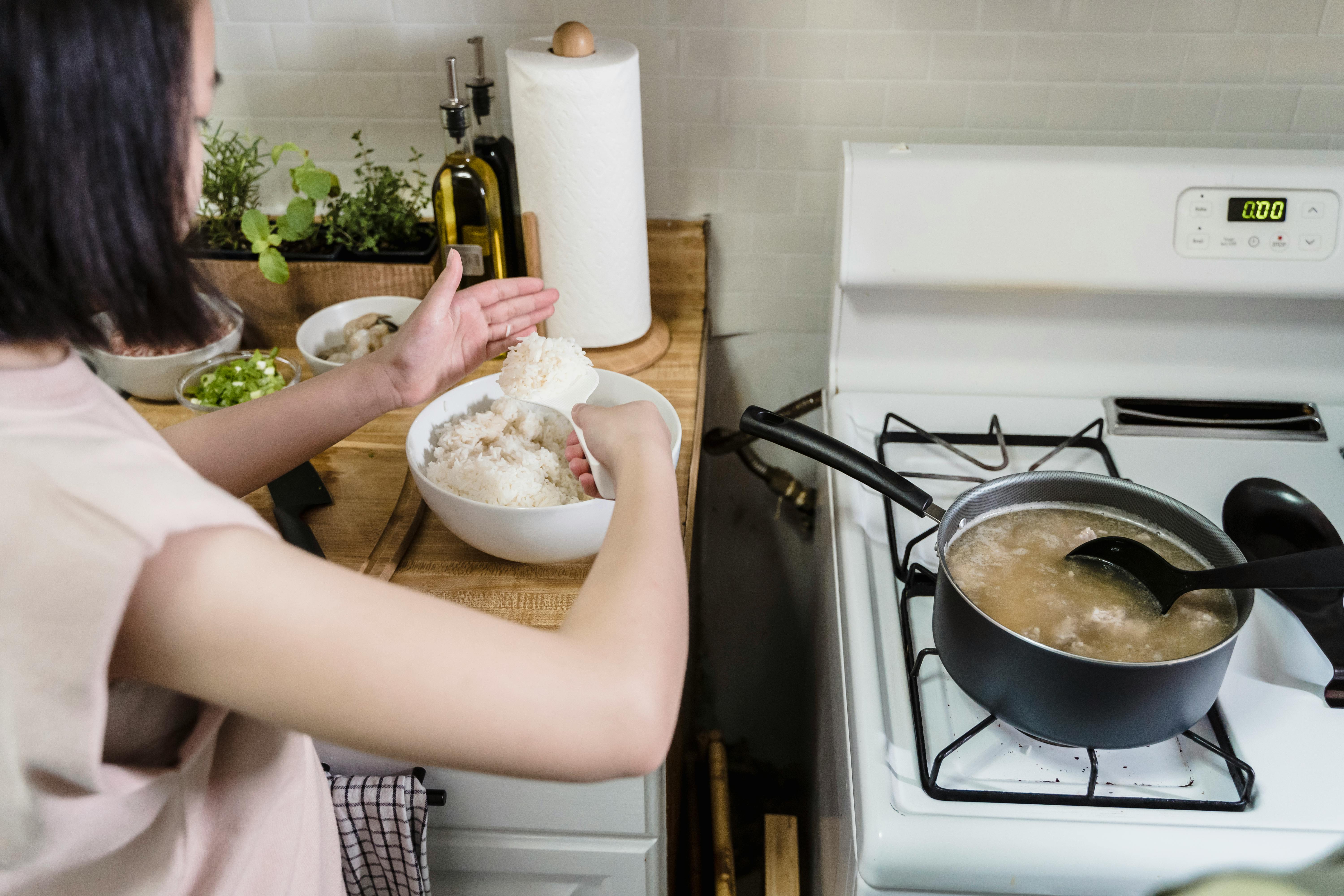
The shift toward simpler cooking in Canada is not driven by hype. It is a response to daily life. Food prices have remained a major concern for households, and many people are rethinking meals through the lens of affordability, convenience, and waste.
At the same time, home cooks are tiring of complicated recipes with long ingredient lists that get used once and forgotten. A roast tray, a soup pot, or a skillet meal feels more useful than a weekend project.
What makes this trend stick is that it solves more than one problem at once. Simpler cooking saves time, keeps costs in check, and still leaves room for comfort, flavor, and a sense of routine.
Grocery prices changed the way people plan meals

Sticker shock has quietly become one of the biggest forces shaping Canadian cooking. When basics cost more, shoppers naturally start building meals around what stretches well, stores easily, and can be used in more than one dish.
That means beans, lentils, eggs, potatoes, cabbage, rice, pasta, and frozen vegetables are earning new respect. These are not glamorous ingredients, but they are dependable, flexible, and often deeply satisfying when cooked well.
Instead of shopping for a single recipe, many Canadians are shopping for overlap. One bunch of herbs might season soup, top eggs, and brighten a grain bowl. That kind of planning makes simpler cooking feel less like a compromise and more like common sense.
Fewer ingredients can lead to better flavor

One of the biggest myths in home cooking is that more ingredients automatically create better food. In practice, simple meals often taste clearer and more balanced because each element has room to stand out.
A good tomato soup, roasted carrots, pan-seared salmon, or garlic pasta does not need a crowded pantry to succeed. It needs solid produce, proper seasoning, and a little attention to timing and texture.
Chefs have long understood this idea, and home cooks are embracing it more openly now. When a dish is built around 5 or 6 ingredients instead of 15, it becomes easier to notice what really matters. That usually means fresher flavor and less kitchen stress.
Seasonal produce makes simple meals easier

A simple meal gets a major advantage when the ingredients are already doing most of the work. In Canada, seasonal produce has become a practical shortcut to flavor, especially when home cooks want meals that feel fresh without a lot of effort.
In summer, tomatoes, cucumbers, berries, corn, and herbs can carry a plate almost on their own. In colder months, squash, root vegetables, apples, onions, and hardy greens bring sweetness and depth with very little fuss.
Shopping seasonally can also help with cost and quality. When produce is abundant, it is often easier to find at better prices and in better shape. That makes a simple roast, salad, or soup feel both economical and genuinely delicious.
Comfort food is being simplified, not abandoned
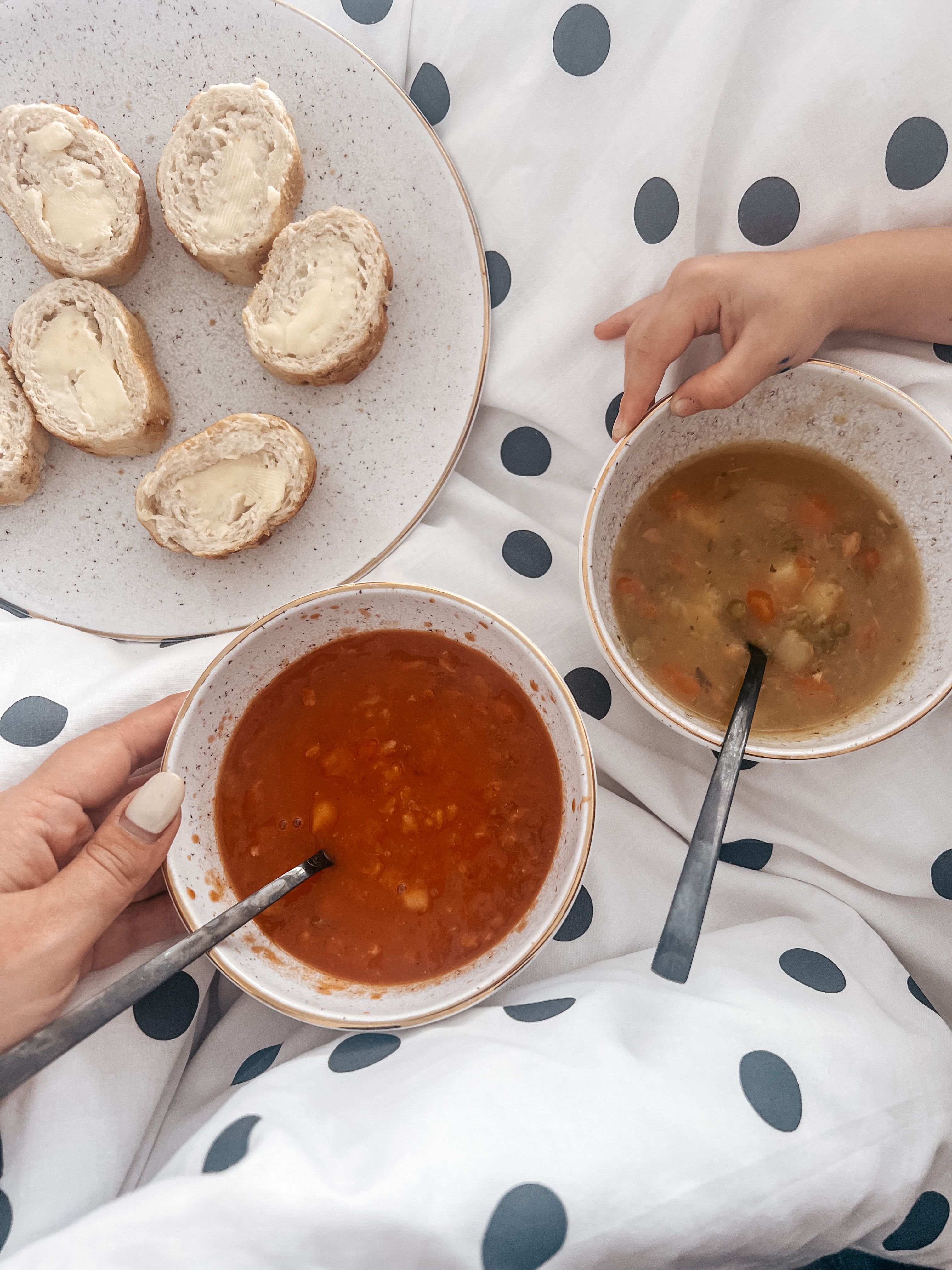
Canadians are not walking away from comfort food. They are just trimming the process. Instead of elaborate versions of classics, many are making weeknight-friendly takes on soups, stews, casseroles, baked pasta, and roast chicken dinners.
This matters because comfort food has emotional value, especially during stressful or expensive periods. Familiar meals offer steadiness, and simpler methods make it easier to keep those dishes in regular rotation.
A shortcut does not necessarily mean lower quality. Store-bought broth, frozen pie crust, bagged greens, or rotisserie chicken can support a meal that still feels homemade. The new goal is not culinary performance. It is warmth, ease, and a dinner people are actually happy to make again.
One-pot and sheet-pan meals fit real schedules
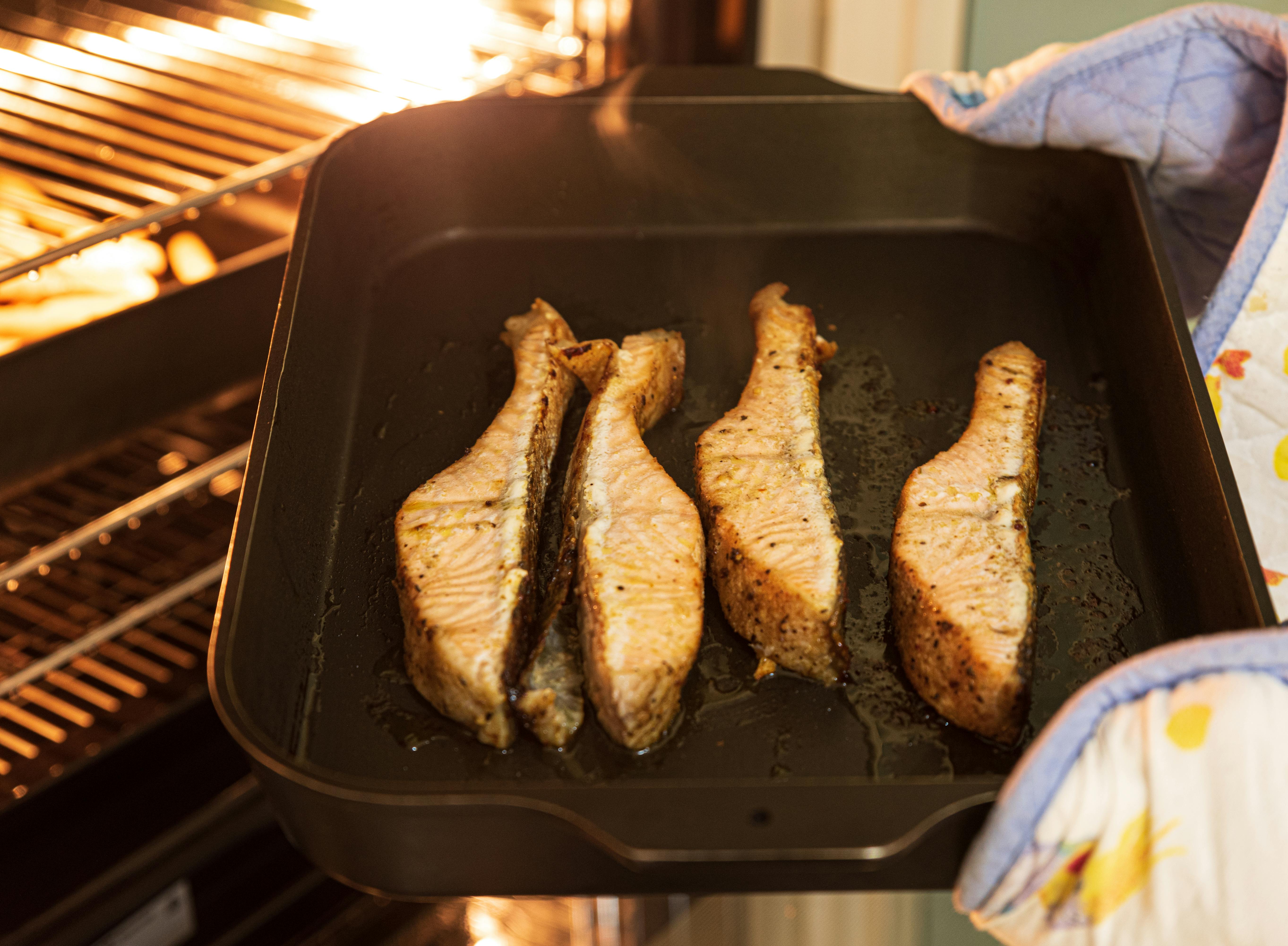
Simple cooking works especially well because it matches how people live now. Long workdays, commuting, childcare, and screen-heavy routines leave less energy for recipes that involve multiple pans, specialty steps, and a sink full of dishes.
One-pot meals, rice bowls, tray bakes, and sheet-pan dinners answer that reality directly. They reduce cleanup, simplify timing, and make it easier to get food on the table without feeling pulled in five directions.
There is also a mental benefit. A straightforward cooking method lowers decision fatigue, which many people feel before dinner even begins. When the process is clear and manageable, cooking feels less like another task and more like a useful pause in the day.
Waste reduction is part of the appeal
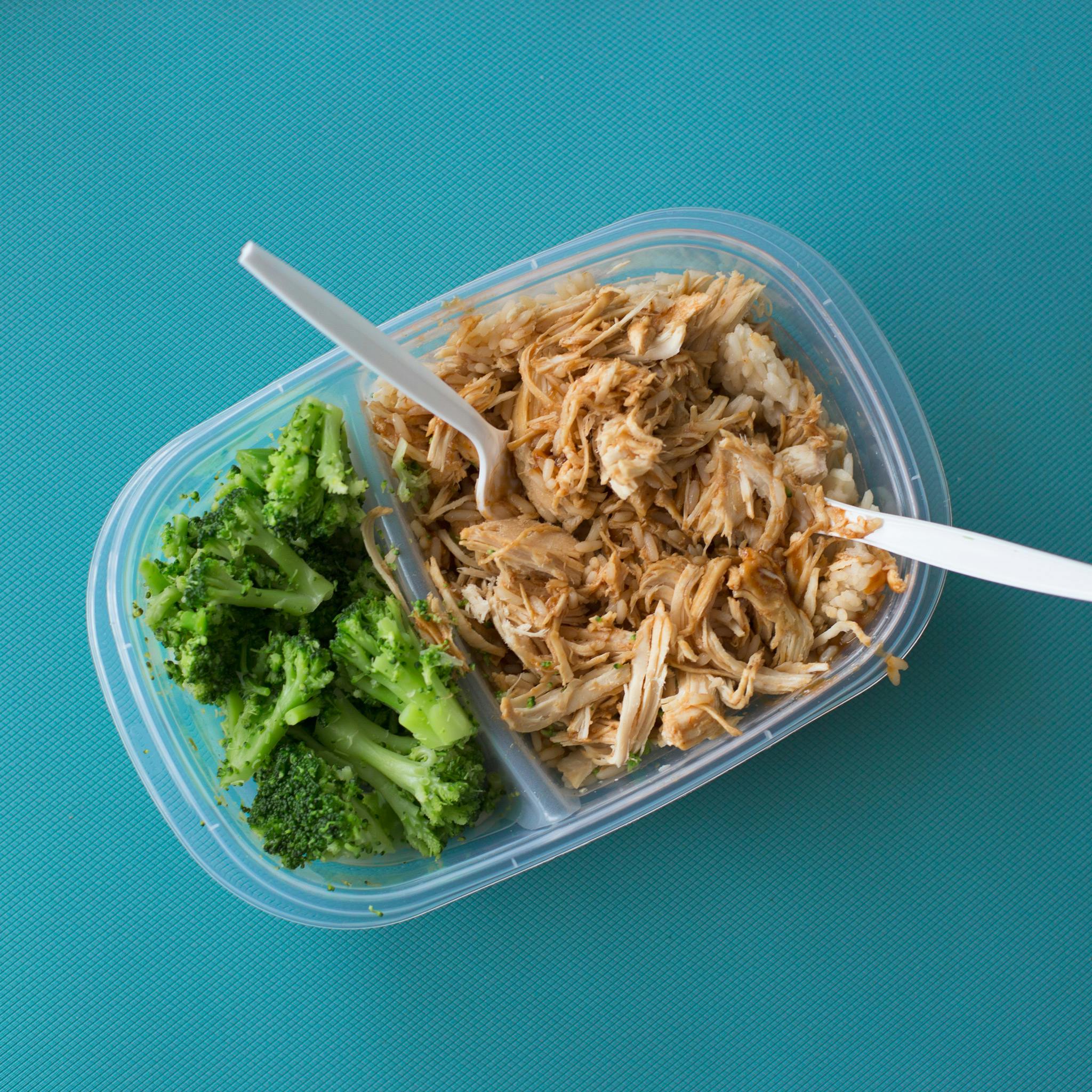
Simpler cooking has a quiet environmental and financial advantage: it can cut food waste. Meals built from a shorter ingredient list are easier to shop for, easier to finish, and less likely to leave random leftovers wilting in the fridge.
This is especially important as Canadians pay closer attention to what gets thrown away. A carrot can become soup, a grain bowl, or a side dish. Leftover roast vegetables can fold into eggs, pasta, or sandwiches the next day.
The habit changes are small but meaningful. Buying only what can be used, cooking flexible components, and repurposing extras all support a kitchen that feels calmer and more efficient. Less waste is not just responsible. It is also easier on the wallet.
Traditional cooking styles already knew this
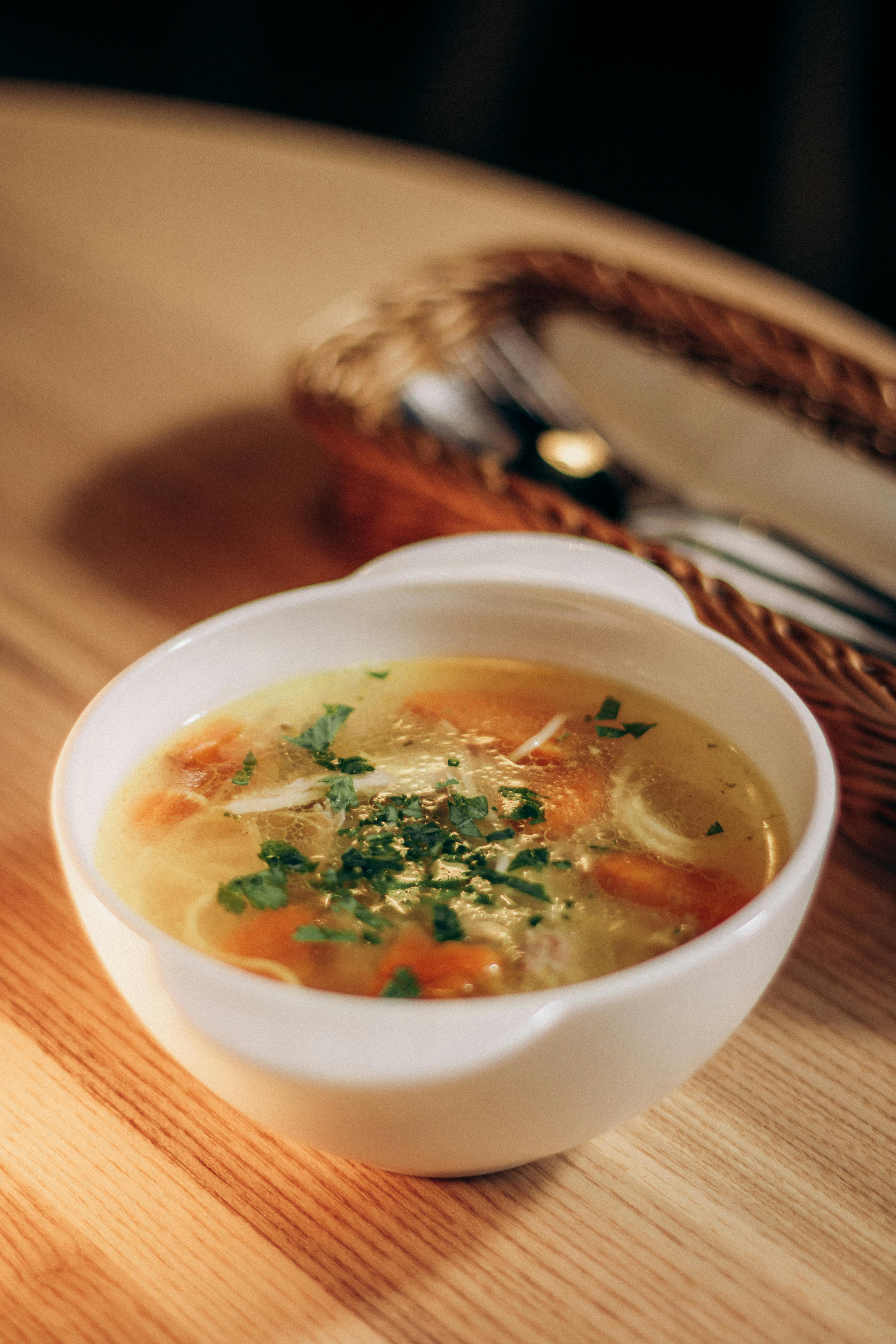
For many Canadians, simpler cooking is not new at all. It echoes how earlier generations cooked, and how many cultures still do, with practical methods, modest ingredient lists, and a strong sense of making the most of what is available.
Across the country, family recipes often rely on pantry staples, seasonal produce, and slow, steady techniques rather than flashy presentation. Think split pea soup, baked fish, bannock, boiled dinners, lentil dishes, or vegetable stews made to stretch across several meals.
That connection matters because it gives the trend depth. What looks modern on social media is often just a return to durable kitchen wisdom. Simpler cooking feels current, but its roots are familiar, resourceful, and deeply human.
Social media is quietly rewarding realism

Food culture online used to favor highly styled recipes, dramatic cheese pulls, and ingredient lists that felt more aspirational than useful. That has not disappeared, but there is a noticeable appetite now for realistic cooking that people can actually make on a Tuesday.
Creators who show simple noodles, roasted vegetables, easy lunches, and budget dinners often get strong engagement because the food looks attainable. Viewers want meals that fit ordinary kitchens, ordinary budgets, and ordinary levels of energy.
That shift matters because trends spread through visibility. When simple cooking is presented as appealing rather than basic, it gains cultural momentum. People feel less pressure to perform in the kitchen and more permission to cook in a way that serves their real lives.
The trend may last because it solves real problems
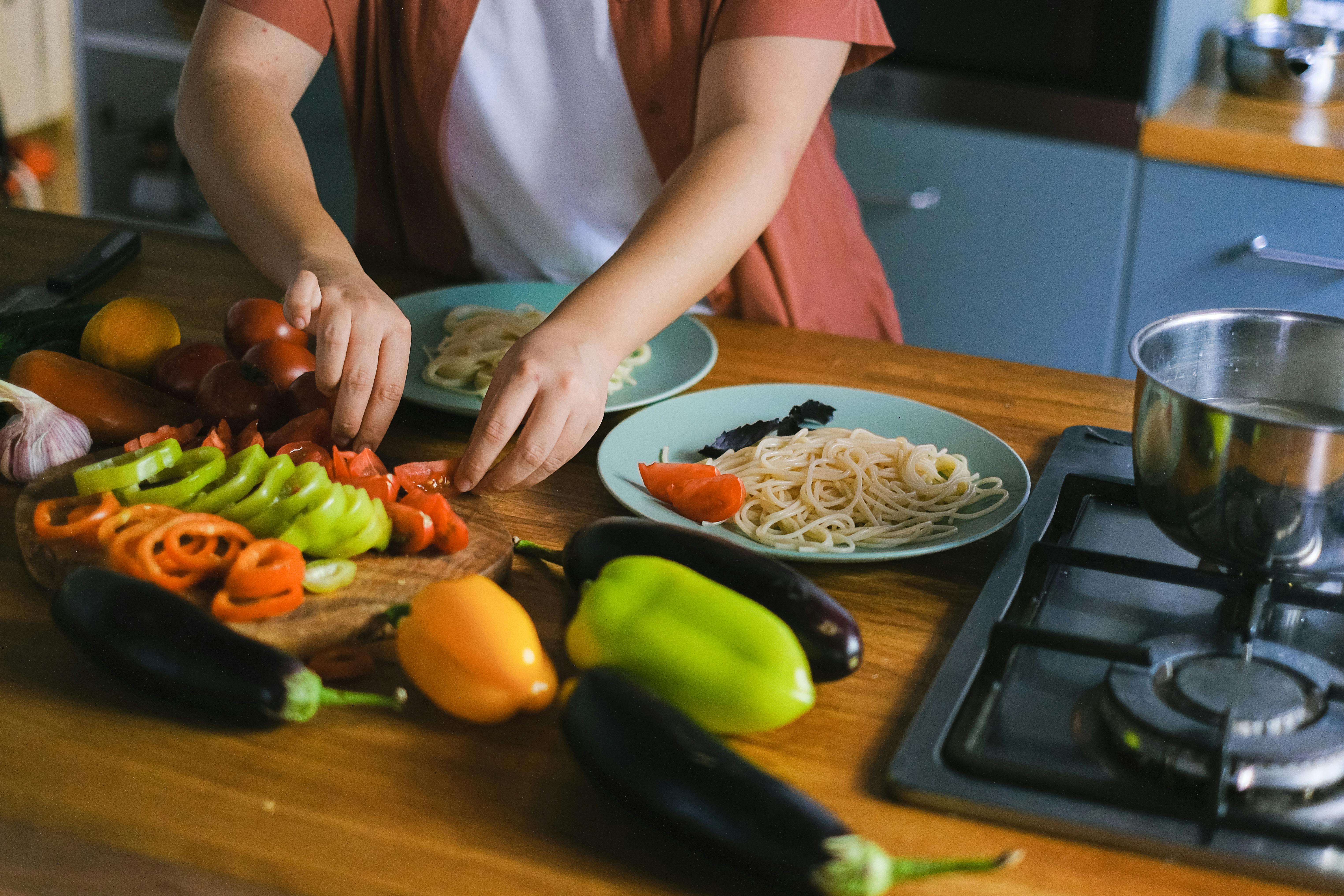
Some food trends fade because they are built on novelty. Simpler cooking feels different because it addresses lasting concerns: affordability, time pressure, waste, nutrition, and the need for meals that are satisfying without being exhausting to prepare.
It also scales well. A beginner can make a vegetable soup or roast chicken with confidence, while an experienced cook can use the same approach to refine technique and ingredient quality. The style is flexible enough to suit both.
That is why this quiet shift has staying power. It is not asking people to chase perfection or buy into a lifestyle fantasy. It is asking them to cook a little smarter, a little calmer, and with more trust in the basics. For now, that seems exactly right.



