
A small kitchen does not have to feel crowded or chaotic. With the right storage moves, even the tightest layout can work harder, look better, and feel easier to cook in every day. These smart ideas focus on overlooked spaces and simple upgrades that bring order without sacrificing style.
Shelves Around the Kitchen Entrance
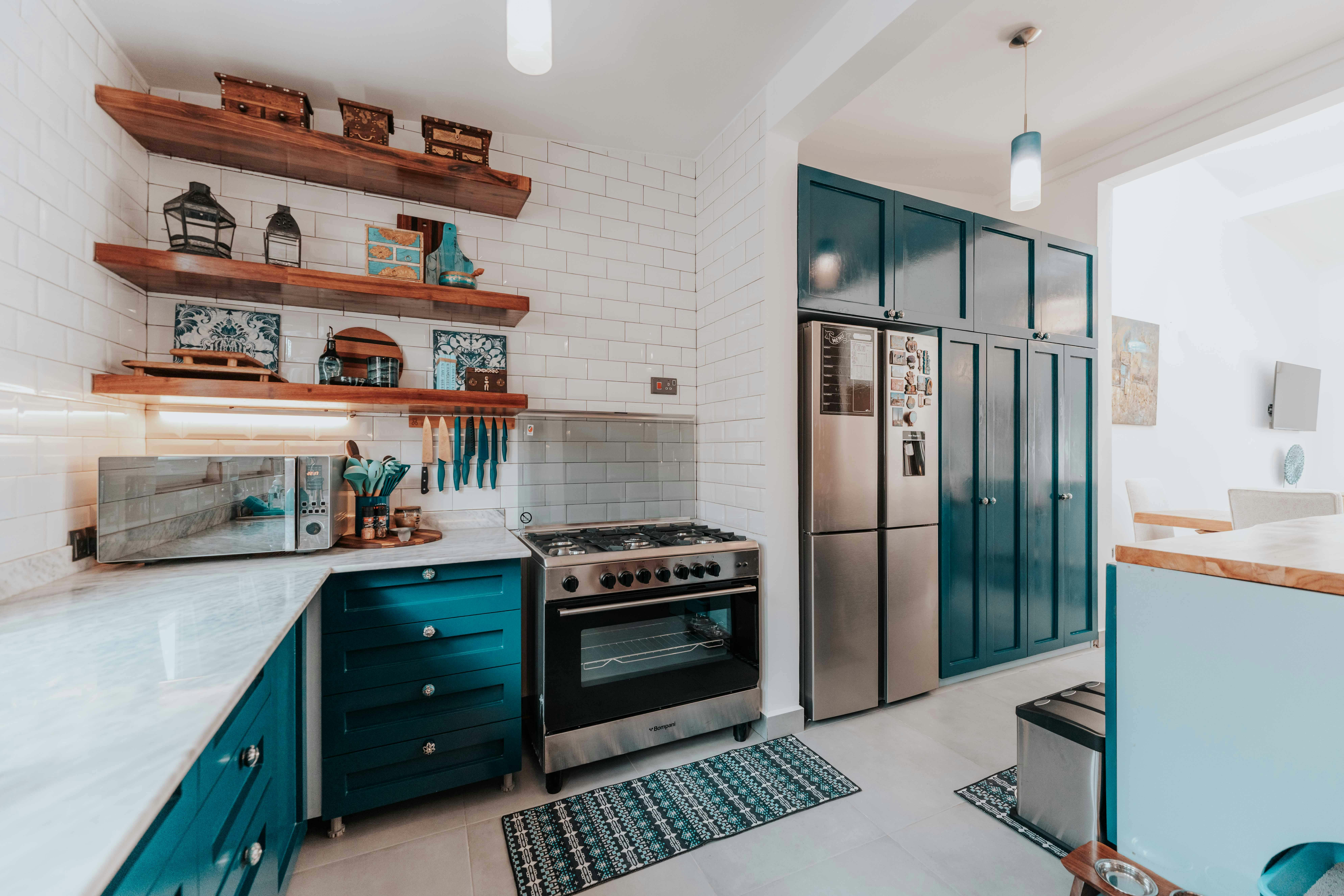
The area around a kitchen doorway is often treated like dead space, but it can become a surprisingly useful storage zone. Slim built-in shelves or narrow ledges around the entrance give you a place for cookbooks, serving pieces, jars, or decorative items that do not need prime counter space.
This idea works especially well in compact homes where every wall matters. Keeping shelves shallow helps the passage stay open and prevents the space from feeling crowded.
It is also a smart visual trick. When storage is integrated around the doorway, the kitchen can look more custom and intentional instead of simply overfilled.
Turn the Window Area Into Storage

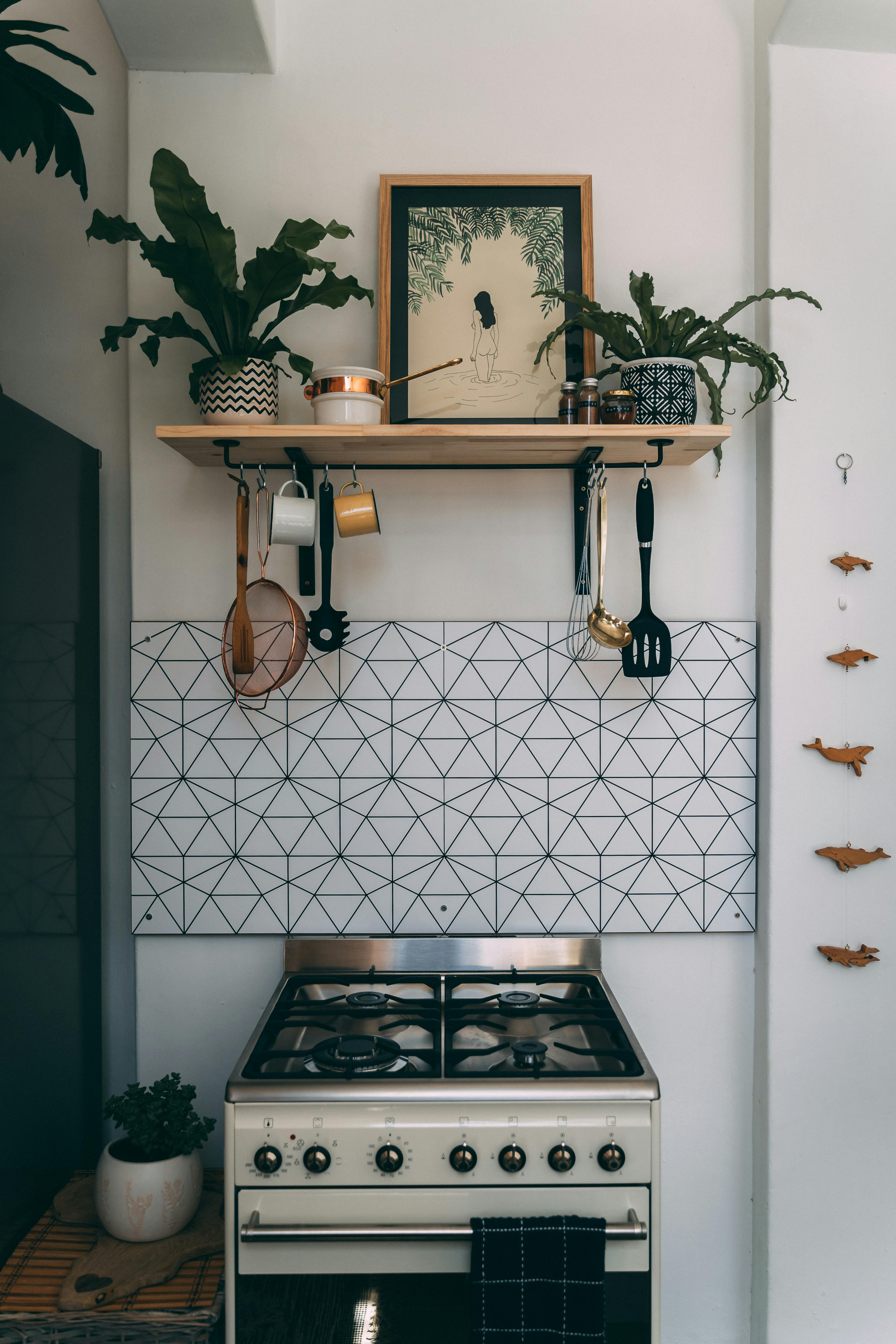
Windows are usually thought of as places for light, not storage, but a small kitchen benefits from both. A rail, shelf, or hanging bar near the window can hold everyday pots, utensils, or lightweight pans without taking over your cabinets.
The key is balance. You want to preserve natural light and avoid blocking the view, so choose airy storage that feels open rather than bulky.
This setup can also make cooking more efficient. Items used often stay within easy reach, and the window zone becomes part of the working kitchen instead of an untouchable edge.
Add a Freestanding Shelf in a Tight Nook
Sometimes the best storage fix is the simplest one. A freestanding shelf can slide into an awkward nook and instantly create room for pantry goods, cookware, dishes, or small appliances that are crowding your counters.
Metal shelving is especially practical because it feels light, holds plenty, and suits both modern and industrial-style kitchens. Wood versions can soften the look if you want something warmer.
This is a great renter-friendly move because it does not always require renovation. It turns forgotten floor space into usable storage and gives you a flexible setup that can change as your needs do.
Install Toe-Kick Drawers

The strip of space beneath lower cabinets may not look like much, but it can hide one of the smartest storage upgrades in a small kitchen. Toe-kick drawers use that recessed area for flat items like baking sheets, placemats, trays, and linens.
Because these drawers are low and discreet, they keep clutter out of sight while freeing more accessible cabinets for everyday essentials. They are especially useful in kitchens where there is simply no room to expand outward.
This idea usually works best during a remodel or cabinet replacement, but the payoff is impressive. It captures space that most kitchens leave completely unused.
Use the Underside of Cabinets

When cabinets are full, look underneath them. The underside of upper cabinets can support hooks for mugs, rails for utensils, or magnetic strips that keep metal spice tins and tools neatly organized and off the counter.
This small tweak creates storage right where you use it. Coffee cups near the coffee station or spices near the stove can make the kitchen feel more efficient without adding visual bulk.
It also helps clear work surfaces, which matters in a tight layout. A few well-placed additions can make the room feel tidier and more functional almost immediately.
Take Cabinets All the Way to the Ceiling

In a small kitchen, vertical space is often the biggest missed opportunity. Cabinets that extend to the ceiling give you an extra row of storage for holiday platters, specialty appliances, and bulk pantry items you do not need every day.
This approach also helps the room look cleaner. Instead of a dusty gap above the cabinets, you get a more finished wall of storage that draws the eye upward and makes the kitchen feel taller.
The trick is organizing by frequency of use. Everyday dishes should stay within easy reach, while the highest shelves can hold the pieces that only come out once in a while.
Choose an Island With Built-In Storage
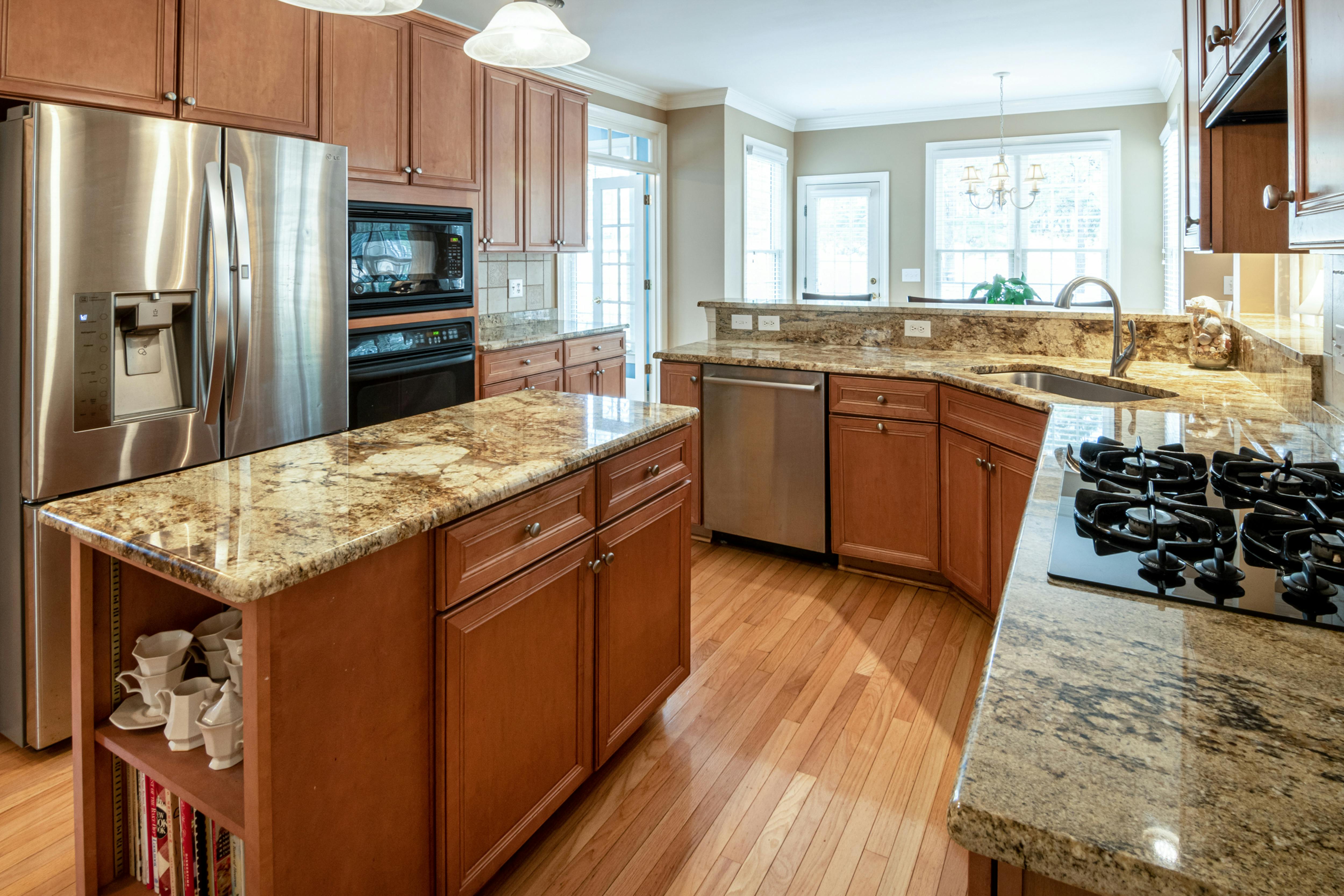
If your kitchen has room for an island, make sure it earns its footprint. An island with shelves, drawers, or cabinets can hold cookbooks, mixing bowls, serving ware, or even pantry staples while still giving you valuable prep space.
Storage islands are especially useful in open-plan homes where the kitchen has to multitask. They can work as a cooking station, casual dining spot, and hidden organizer all at once.
Even a small island or cart can make a difference if it is designed thoughtfully. The best versions add function on both sides, so no square inch is wasted.
Use the Gap Beside the Refrigerator

That narrow gap between the refrigerator and the wall can be frustrating to look at, but it is ideal for slim storage. A pull-out pantry or rolling shelf can hold spices, canned goods, oils, and other pantry basics in a space that would otherwise go unused.
Because it slides away, this storage stays hidden and keeps the kitchen looking streamlined. It is one of the best solutions for homes where cabinet space is limited but floor plan quirks leave tiny pockets behind.
The beauty of this idea is how efficient it feels. A few inches may not sound like much, yet it can hold a surprising amount when organized vertically.
Put Kitchen Corners to Work

Corners are notorious for collecting awkward, hard-to-reach storage, especially in small kitchens. But with corner shelves, rotating inserts, or compact corner cabinets, these tricky spots can become useful homes for bowls, dry goods, or cooking tools.
Open corner shelving can lighten the room and display frequently used pieces without making the kitchen feel boxed in. Closed corner systems are better if you want a cleaner look and more concealed storage.
The main goal is access. A corner should not become a black hole where items disappear. When planned well, it becomes one of the hardest-working parts of the room.



