Some menu wording is descriptive, and some of it is strategic. Restaurants often use certain phrases to make dishes sound special, curated, or more refined, even when the plate holds less food or costs more than expected. Knowing these common terms can help you read a menu more critically and order with fewer surprises.
Petite
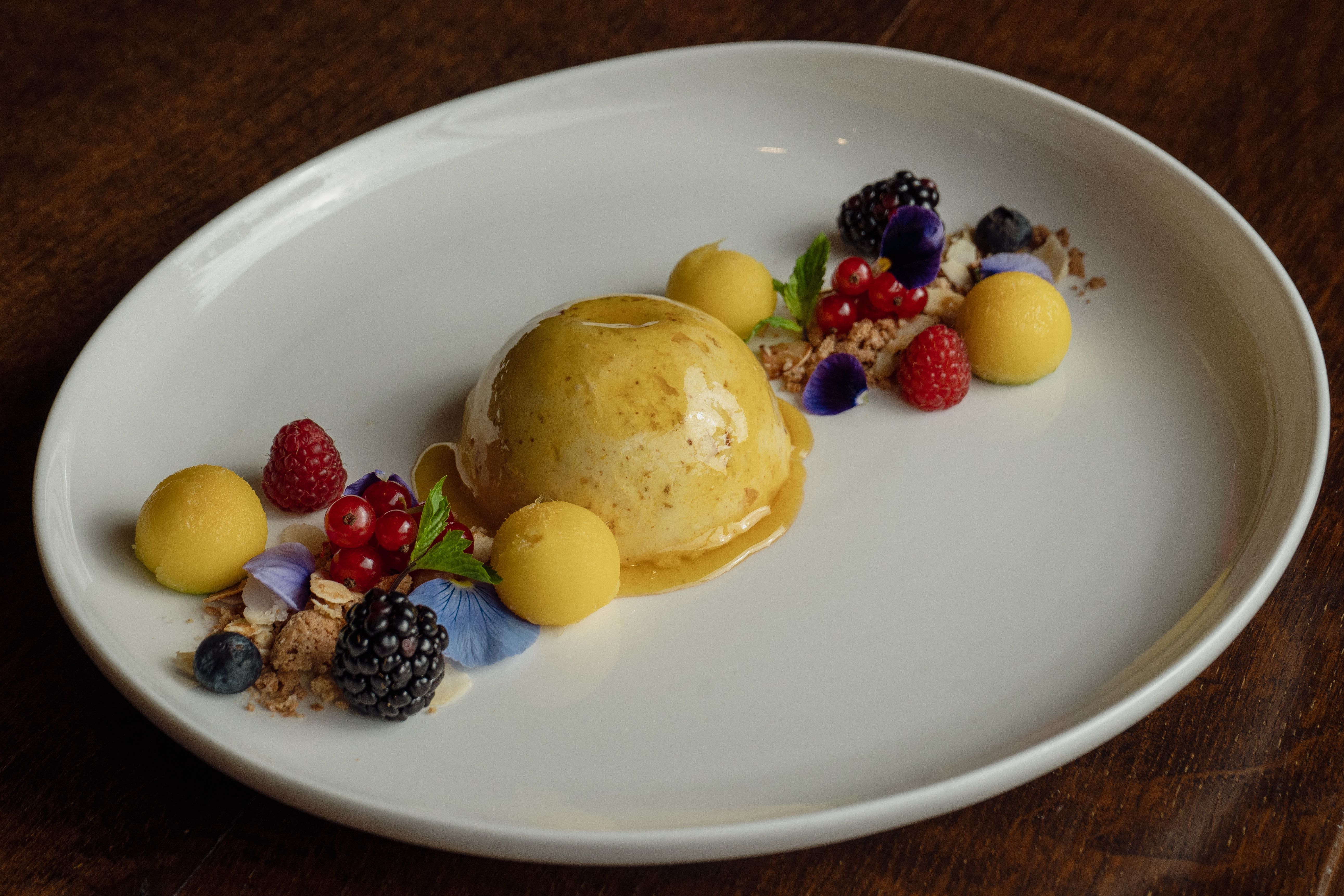
"Petite" sounds polished and intentional, which is exactly why it works so well on menus. The word suggests delicacy and refinement, but in plain terms, it usually signals a smaller portion that may still carry a near full-size price.
Restaurants often pair "petite" with richer ingredients or upscale presentation to make the smaller serving feel premium. That can be fair in some cases, especially with desserts or steak cuts, but it can also be a soft warning that value is not the main selling point.
If you are truly hungry, this is one of those words worth pausing over before ordering.
Tapas

Tapas began as a sharing tradition, not a promise of a full individual meal. On many modern menus, though, the term has drifted into a catchall for small plates with stylish presentation and prices that add up quickly.
The trick is not that tapas are inherently bad value. It is that diners sometimes forget how many they need to feel satisfied. One or two plates can sound reasonable, but by the time the table orders enough variety, the total often rivals or exceeds the cost of larger entrees.
When you see tapas, think social dining first and hunger second. It is a format that rewards grazing, not necessarily thrift.
Tasting
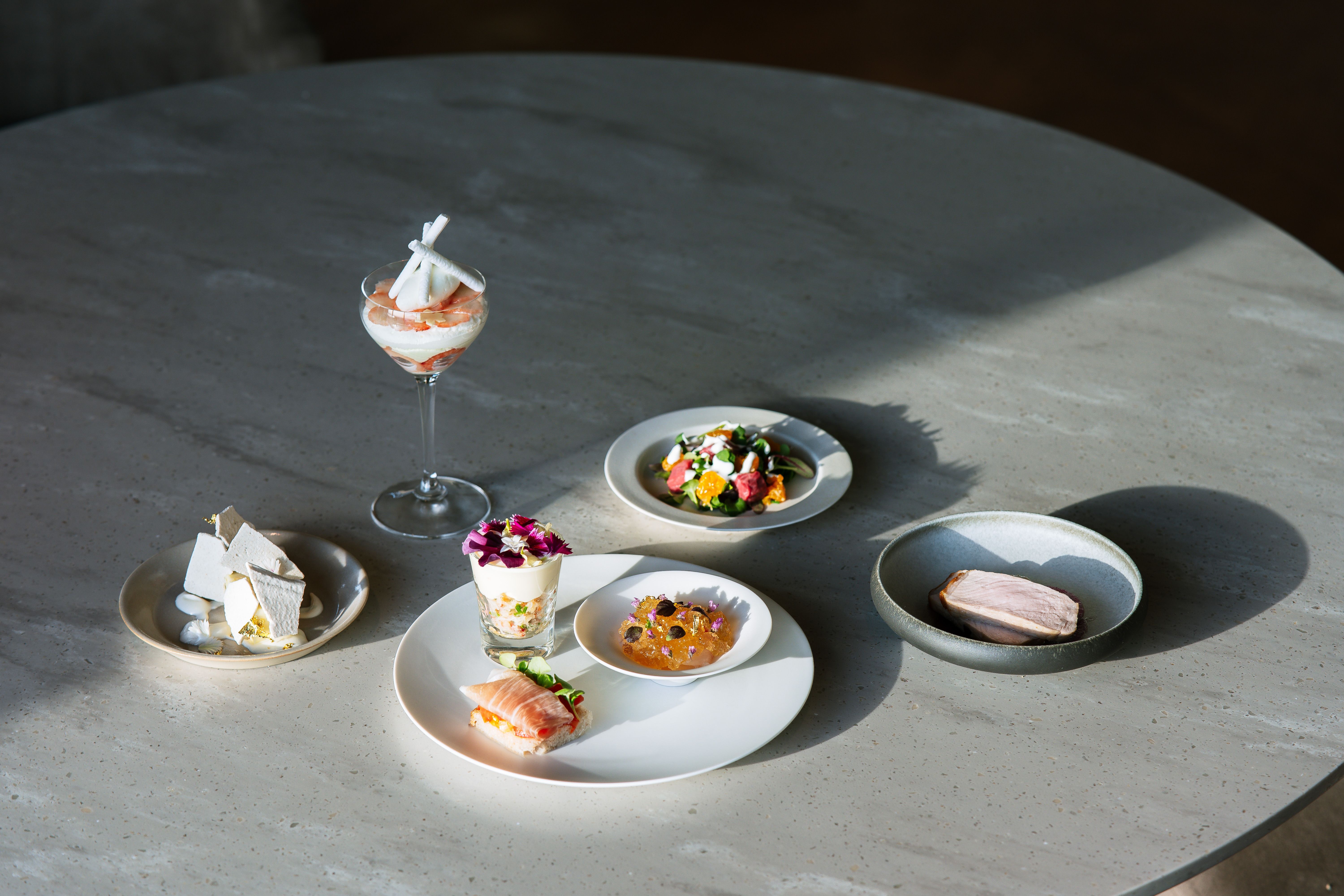
A dish labeled "tasting" is practically announcing that portion size is not the point. The focus is on technique, flavor progression, and presentation, which can be wonderful, but it also means the serving may be just a few carefully arranged bites.
Chefs often use tasting portions to showcase ingredients without overwhelming the palate. That makes sense in a multicourse setting, yet the pricing can feel ambitious when each plate arrives looking more like an idea than a meal.
If you order a tasting item expecting satisfaction instead of sampling, disappointment is easy. This is menu language that prioritizes experience over quantity almost every time.
Sliders
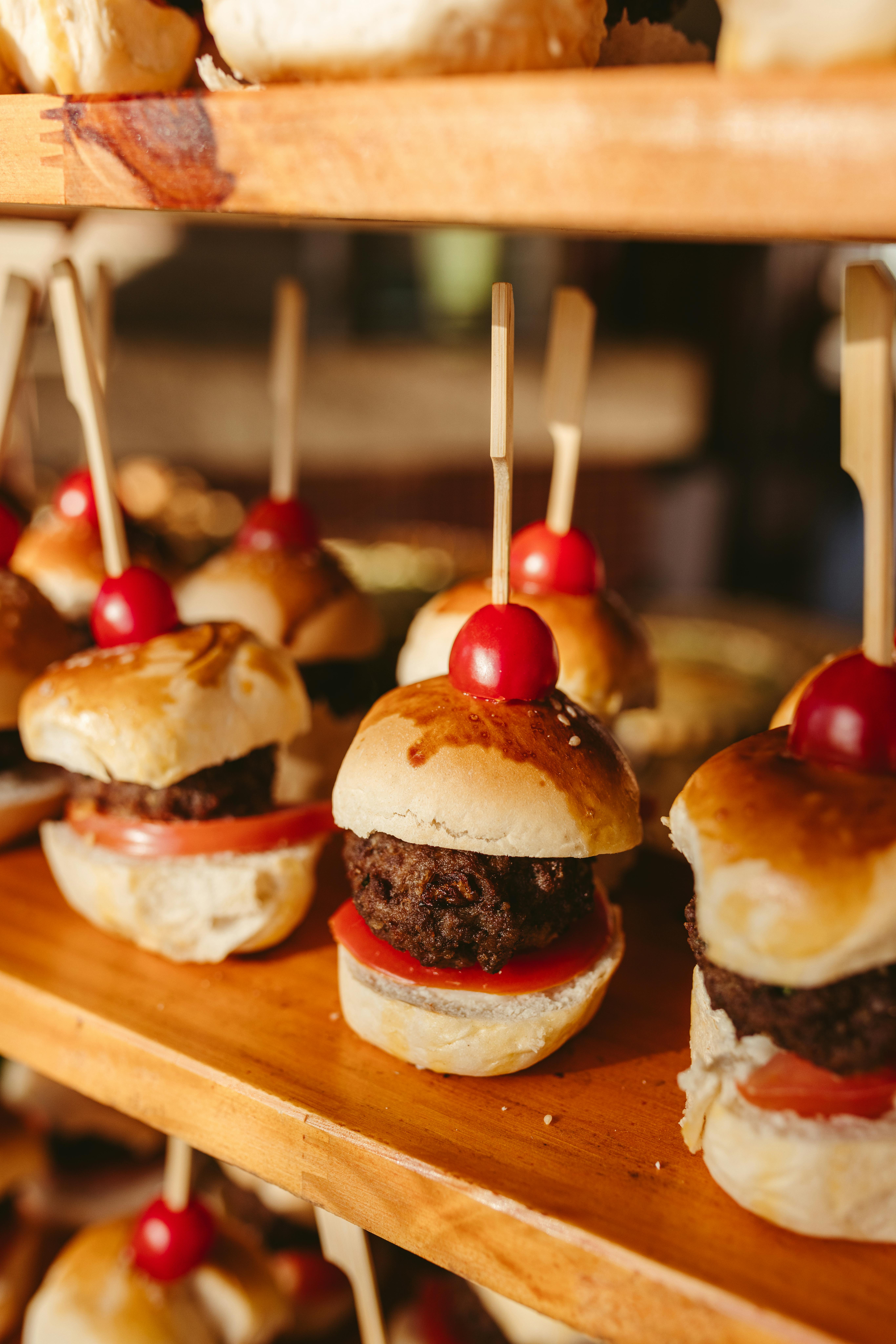
Sliders have a playful reputation, and that charm is part of their appeal. They look fun, photograph well, and suggest variety, but they also tend to cost more per bite than a standard burger or sandwich.
Because they are served as miniatures, diners often accept smaller amounts of meat, fewer sides, and more decorative assembly. Three sliders may sound substantial on paper, yet the total portion can still fall short of one proper entrée.
They are not always a poor choice, especially when sharing. Still, if value matters, it is worth comparing the price of sliders to a full-size burger before being won over by the novelty.
Appetizer
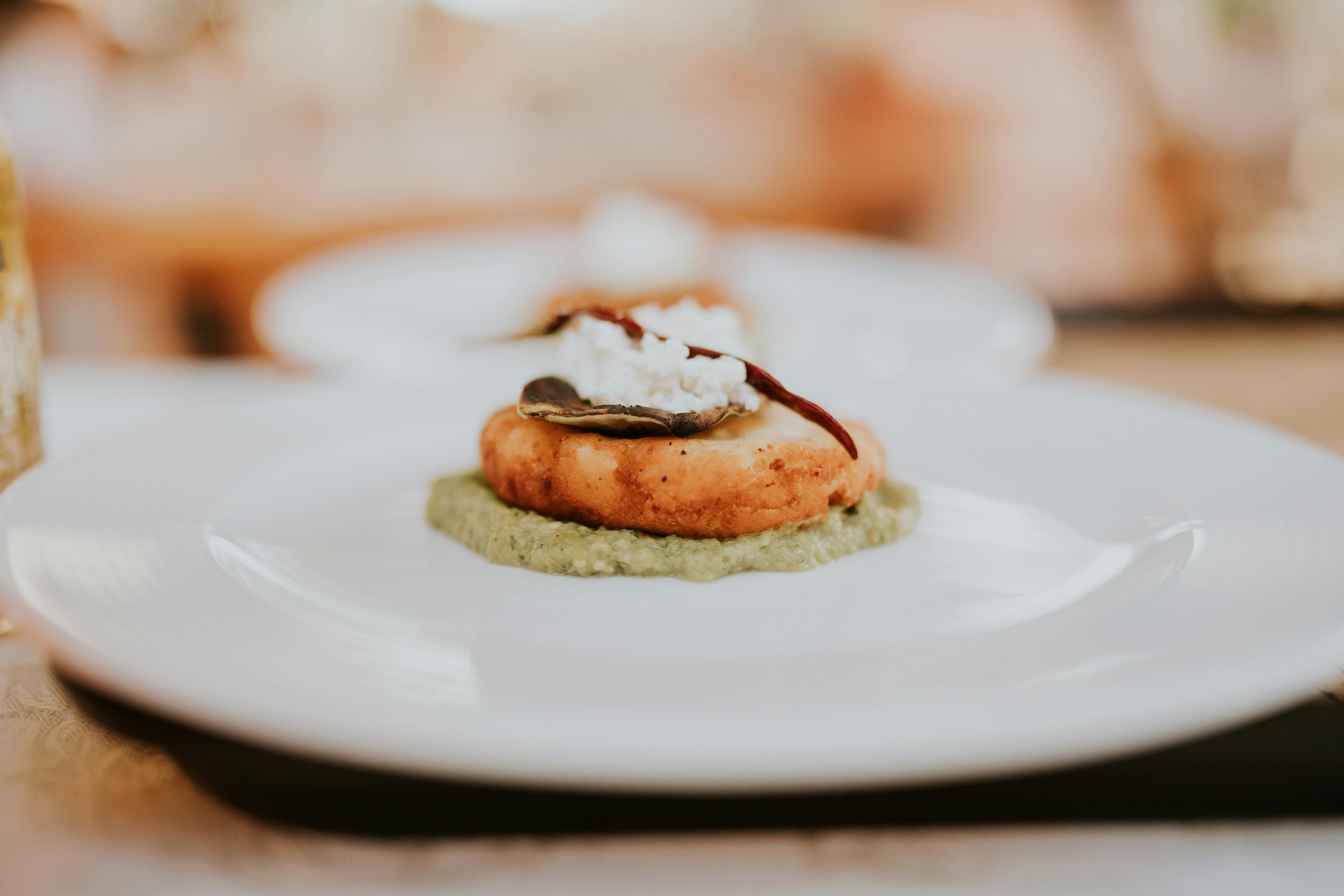
An appetizer is meant to open the meal, not complete it, but many menus price starters close to mains while serving much less food. That gap between expectation and reality is where the sticker shock often begins.
Restaurants know diners are most impressionable when they first sit down hungry. A polished starter can seem irresistible, especially when described with vivid language or presented as a house specialty. The problem is that the portion may be tiny and gone in minutes.
This does not mean skipping appetizers altogether. It just means recognizing that you are often paying for anticipation and presentation, not volume.
Mini
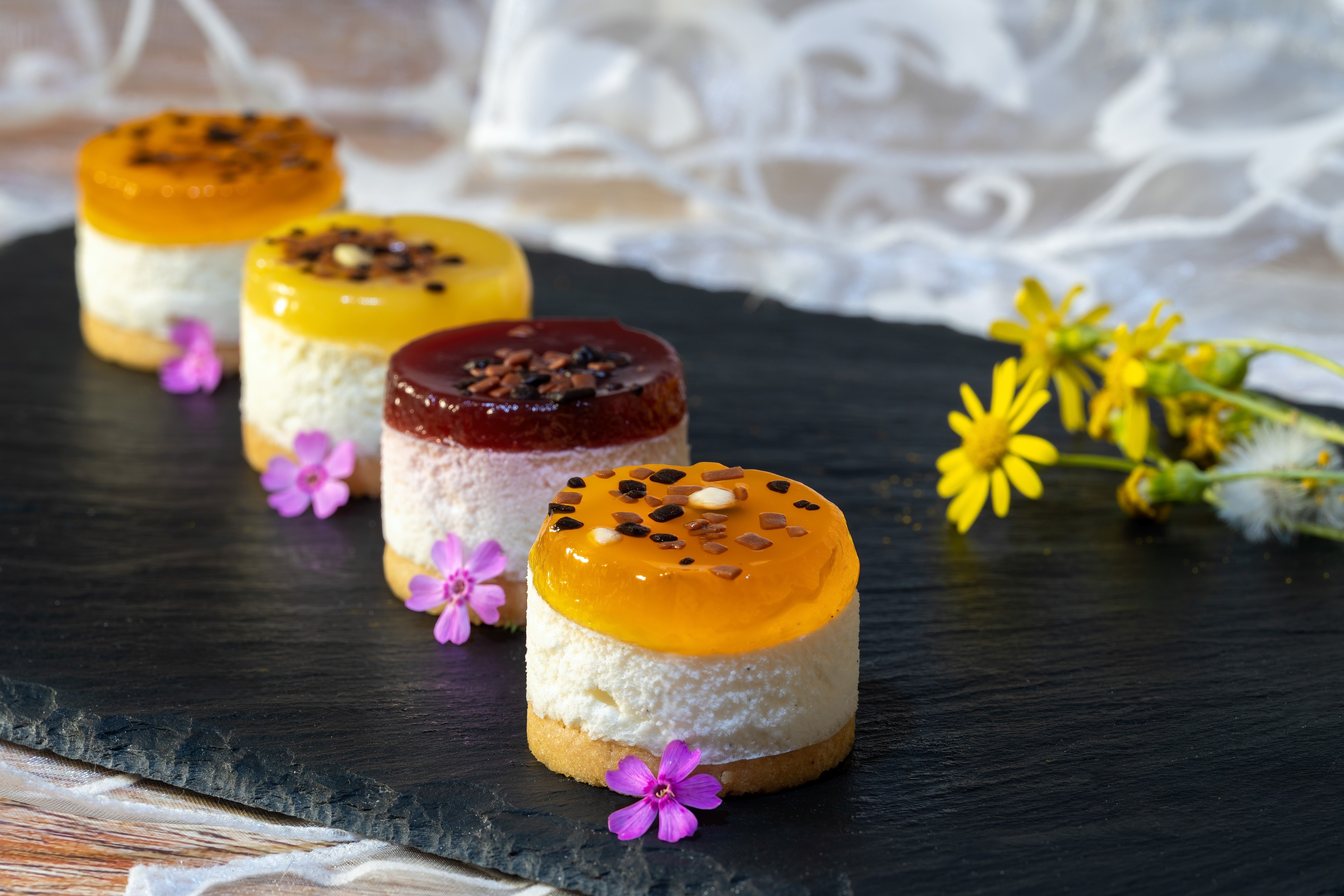
"Mini" is one of the friendliest words on a menu, and also one of the most revealing. It signals smaller size openly, but the pricing does not always shrink in proportion, especially with desserts, breakfast items, and fast-casual add-ons.
Part of the appeal is psychological. A mini treat feels less indulgent, easier to justify, and somehow more clever than a full-size order. That can distract from the fact that you may be paying more than expected for something that disappears in two or three bites.
Sometimes mini portions are useful for kids or light eaters. But from a value standpoint, they often reward restraint more than your wallet.
Sampler
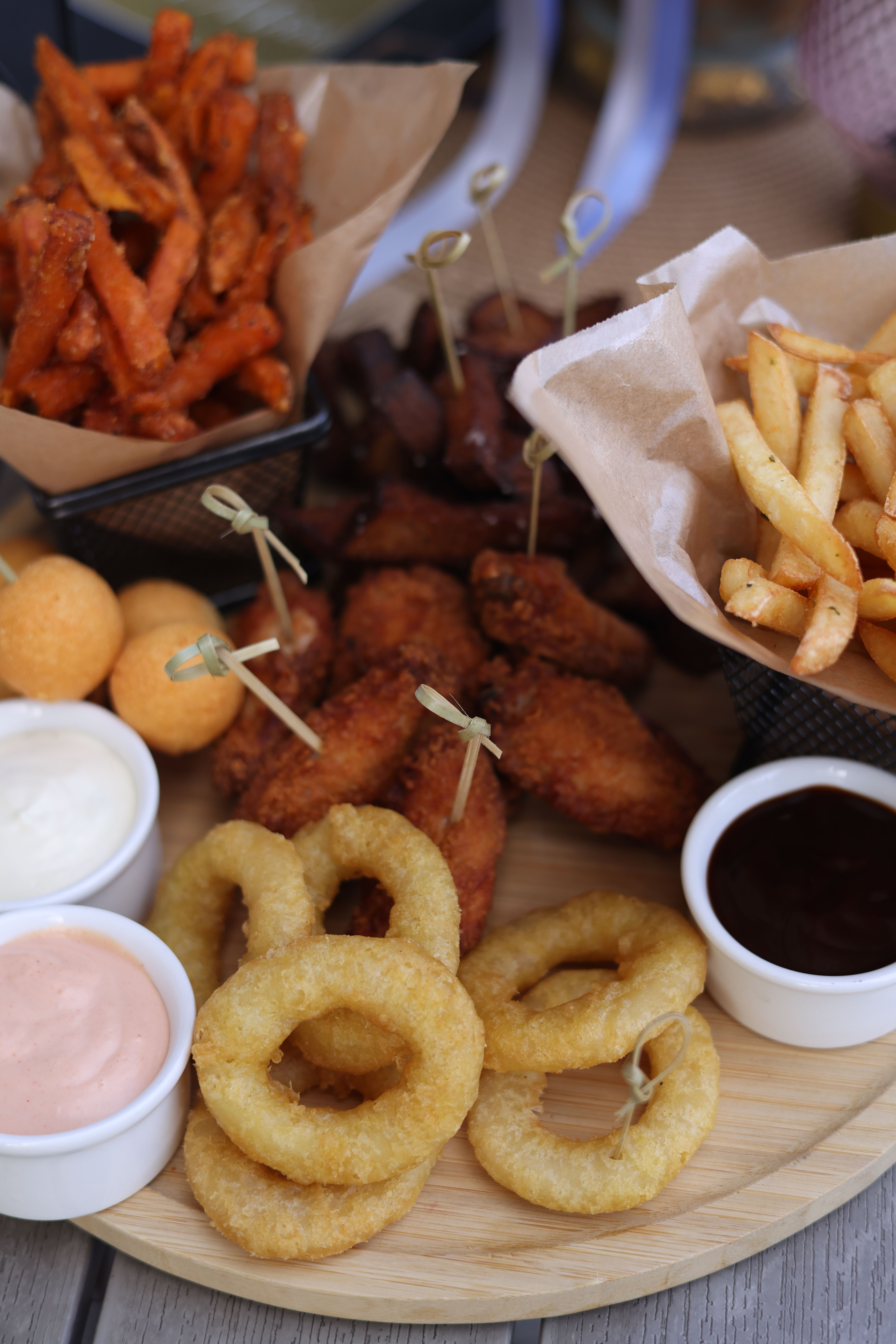
A sampler promises abundance through variety, which is why it can feel like a smart order. In reality, the excitement comes from seeing many items at once, not necessarily from getting enough of any one of them.
This format shows up everywhere, from appetizer platters to beer flights to dessert boards. The visual spread creates an impression of generosity, but each component is often intentionally limited to a few bites or sips. You leave with a broad impression and a narrow portion.
Samplers are great for indecisive diners and groups that want to share. They are less reliable when your main goal is fullness or straightforward value for money.
Bite-Sized
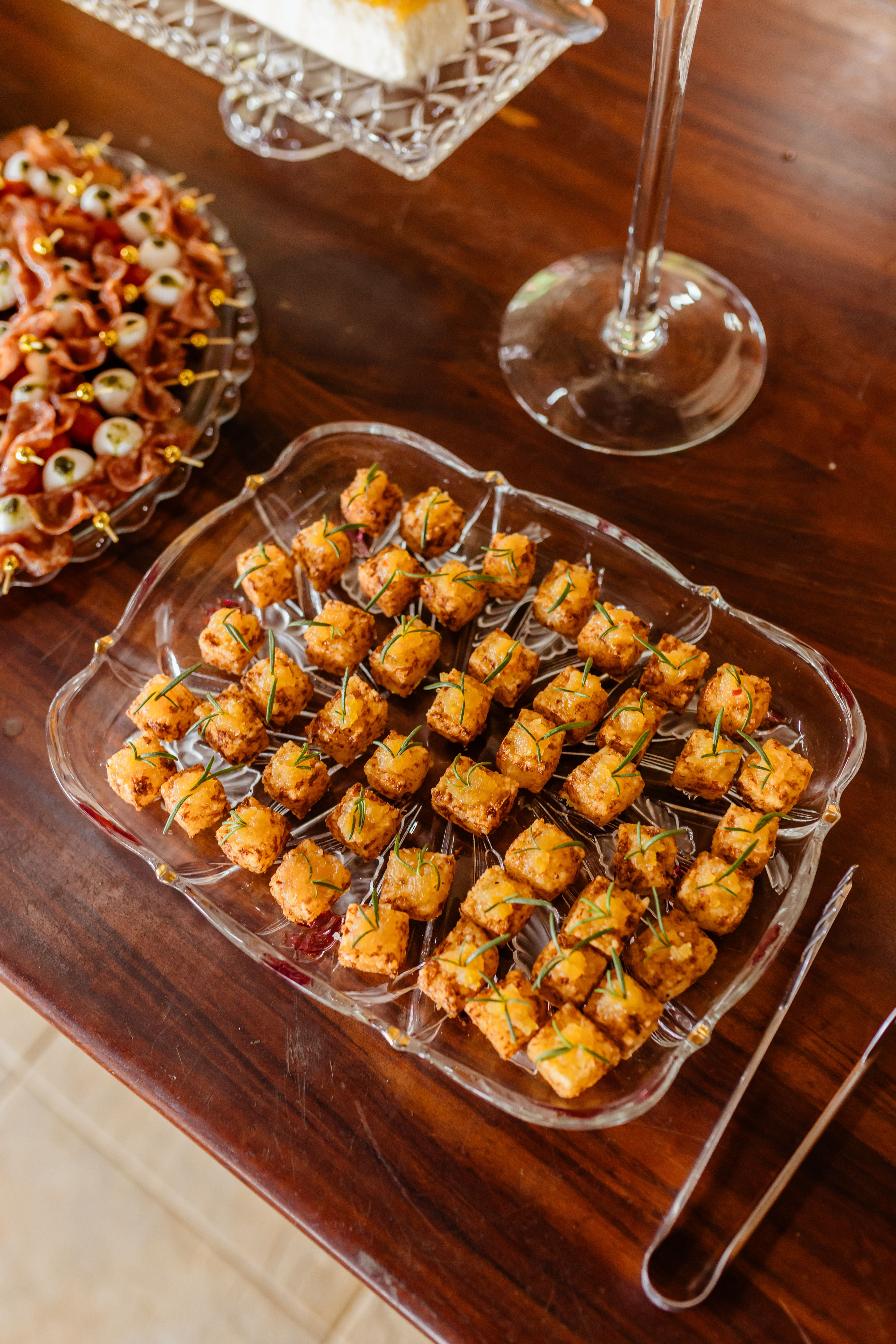
When a menu says "bite-sized," it is usually being very honest about one thing. You are getting food designed to vanish almost immediately. The surprise is how often those tiny pieces are priced like something far more substantial.
This wording appears often with canapés, bar snacks, upscale hors d'oeuvres, and chef-driven small plates. The defense is usually craftsmanship, and in fairness, intricate preparation can justify some premium. Still, that does not change the math when several bites cost more than a full plate elsewhere.
It is best to read "bite-sized" as a cue about purpose. These dishes are for nibbling, mingling, or tasting, not for replacing dinner.
Shareable

"Shareable" sounds generous and communal, but it does not guarantee an actually generous portion. On many menus, it is a flexible label applied to dishes that are large enough to divide technically, though not always comfortably.
The term also helps justify higher prices by making a plate feel bigger in concept than it is in practice. A flatbread, dip trio, or loaded fries might work for two light snackers, yet leave a hungry table ordering more than expected.
This phrase is especially worth decoding in trendy restaurants where presentation matters as much as quantity. Shareable often describes how the dish is served, not how far it will really go.