Running out of a key baking ingredient does not have to end dessert plans. With a few dependable swaps, you can still get cookies, cakes, muffins, and quick breads out of the oven with great texture and flavor. These substitutions are practical, easy to find, and worth keeping in your back pocket for the next pantry emergency.
Applesauce for Eggs

When eggs are missing, unsweetened applesauce is one of the easiest ways to keep a batter together. A common swap is ¼ cup applesauce for 1 egg, and it works especially well in muffins, brownies, snack cakes, and quick breads where a little extra moisture is welcome.
This substitute brings a softer, slightly denser crumb, so it is better for tender bakes than for recipes that rely on lots of lift, like chiffon cake. If you want a lighter texture, adding an extra ½ teaspoon of baking powder can help. Keep the applesauce unsweetened so the final dessert does not turn unexpectedly sugary.
Mashed Banana for Eggs or Oil

A ripe banana can rescue more than one baking problem at once. About ½ a mashed banana can replace 1 egg, and banana can also stand in for butter or oil in a 1:1 swap when you want a soft, cakey texture in loaf cakes, brownies, or muffins.
The trade-off is flavor. Banana is not a neutral ingredient, so you will notice it, especially in vanilla-forward recipes. That said, it shines in chocolate bakes, spice cakes, and breakfast treats where its natural sweetness feels right at home. The riper the banana, the better the binding power and sweetness.
Flax or Chia Egg
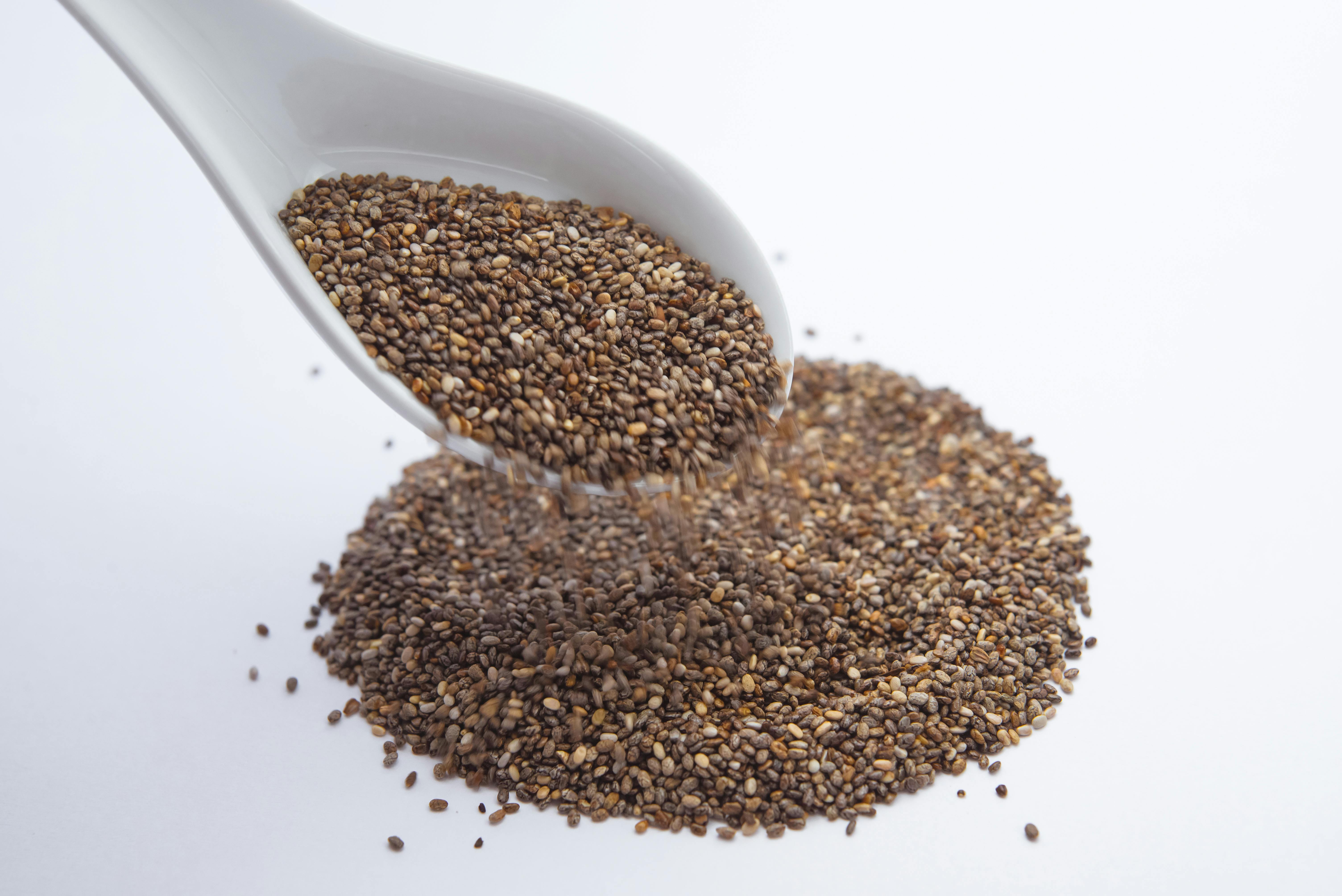
If you need a plant-based stand-in for eggs, ground flaxseed or chia seeds are famously dependable. Mix 1 tablespoon of ground seeds with 3 tablespoons of water, then let it sit for a few minutes until it turns gel-like. That mixture replaces 1 egg in many home baking recipes.
This swap works best in dense, hearty batters such as pancakes, cookies, brownies, and oatmeal muffins. It is less ideal for recipes that need strong structure or lots of rise, but it earns points for simplicity and pantry convenience. It also adds a little fiber and nuttiness, which can be a bonus in rustic bakes.
Greek Yogurt for Milk or Butter

Greek yogurt is one of those refrigerator staples that quietly solves several baking problems. Thinned with a little water, it can replace milk in a 1:1 ratio, and it can also replace butter or oil in many recipes at the same ratio. The result is usually rich, moist, and pleasantly tender.
Because yogurt adds body and tang, it performs especially well in cakes, muffins, and quick breads. It can make a batter feel thicker, so you may need a splash more liquid to loosen things up. Choose plain yogurt, not flavored, and remember that a subtle tang is part of the charm rather than a flaw.
Honey or Maple Syrup for Sugar
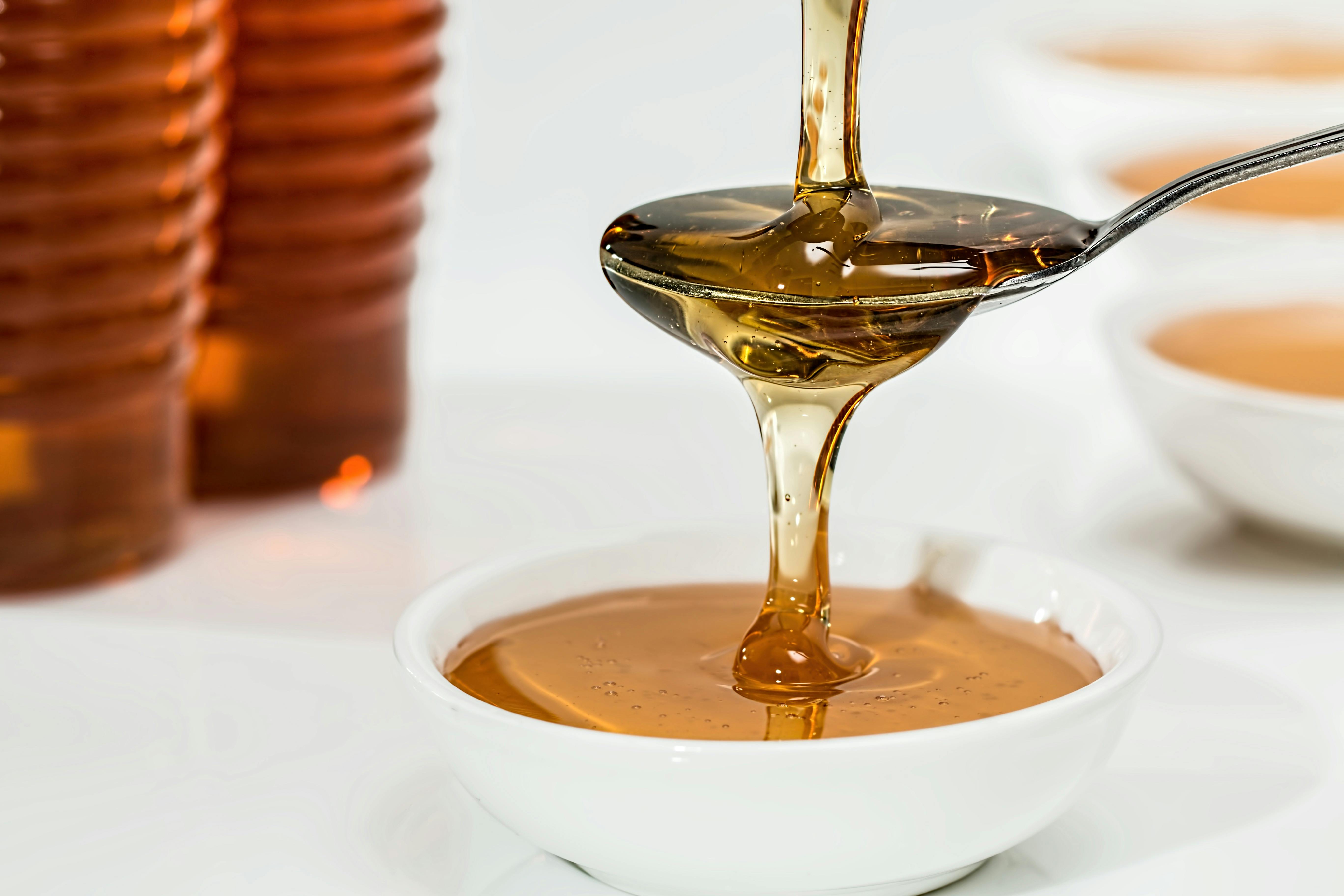
Granulated sugar is not your only path to sweetness. Honey and maple syrup both work as smart stand-ins, with a common conversion of ¾ cup honey or ¾ cup maple syrup for 1 cup of sugar. Because both are liquid sweeteners, you should reduce other liquids slightly to keep the batter balanced.
These swaps do more than sweeten. Honey brings floral depth, while maple syrup adds a warm, almost caramel note that feels especially good in cookies, cakes, and fall baking. They also encourage browning, so keep an eye on oven time. The final texture is often softer and moister than with plain white sugar.
Applesauce or Banana for Sugar

Fruit can pull double duty in baking by adding sweetness and moisture at the same time. Unsweetened applesauce can replace sugar cup for cup, while mashed ripe banana can replace 1 cup of sugar with about ½ cup mashed fruit. Both options work best in recipes where a soft texture is already part of the goal.
Because these are wet ingredients, you will usually need to cut back some of the other liquid in the recipe. They also bring their own flavor, which is lovely in muffins, oatmeal cookies, and snack cakes but less ideal in crisp, delicate bakes. Think of this as a texture-first swap with a pleasantly wholesome edge.
Whole Wheat or Almond Flour for White Flour
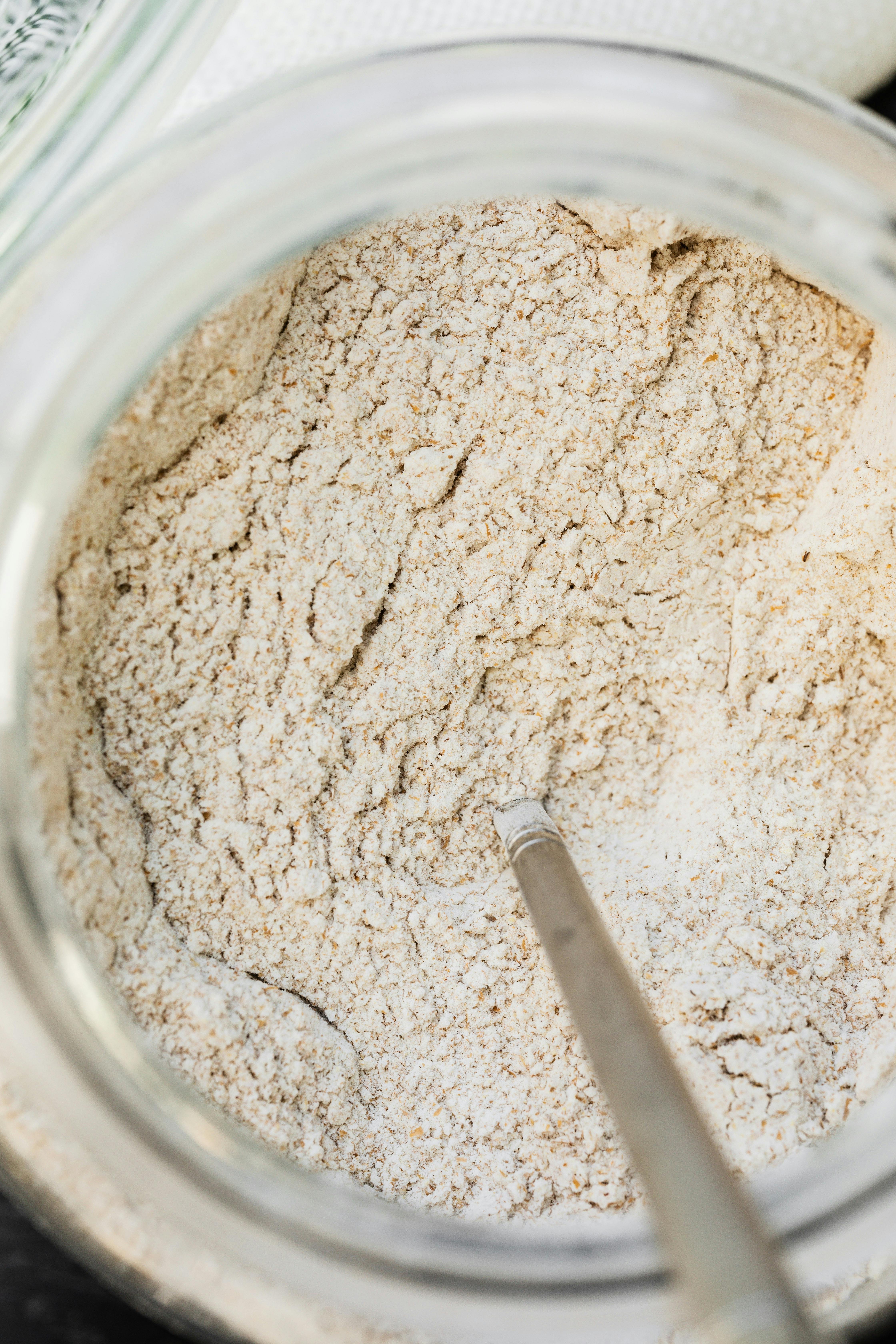
Running low on all-purpose flour does not always mean a trip to the store. Whole wheat flour can replace white flour gradually, and many bakers start by swapping in a portion first because it creates a denser crumb. It also tends to need a little extra liquid, about 2 teaspoons per 1 cup used, according to baking guidance.
Almond flour is another useful option, though it behaves differently. A typical swap is ¾ cup almond flour for 1 cup white flour, and adding a bit of leavening can help with lift. Expect a more tender, moist result with a slightly nutty flavor, especially in cakes, cookies, and brownies.
Non-Dairy Milk for Regular Milk
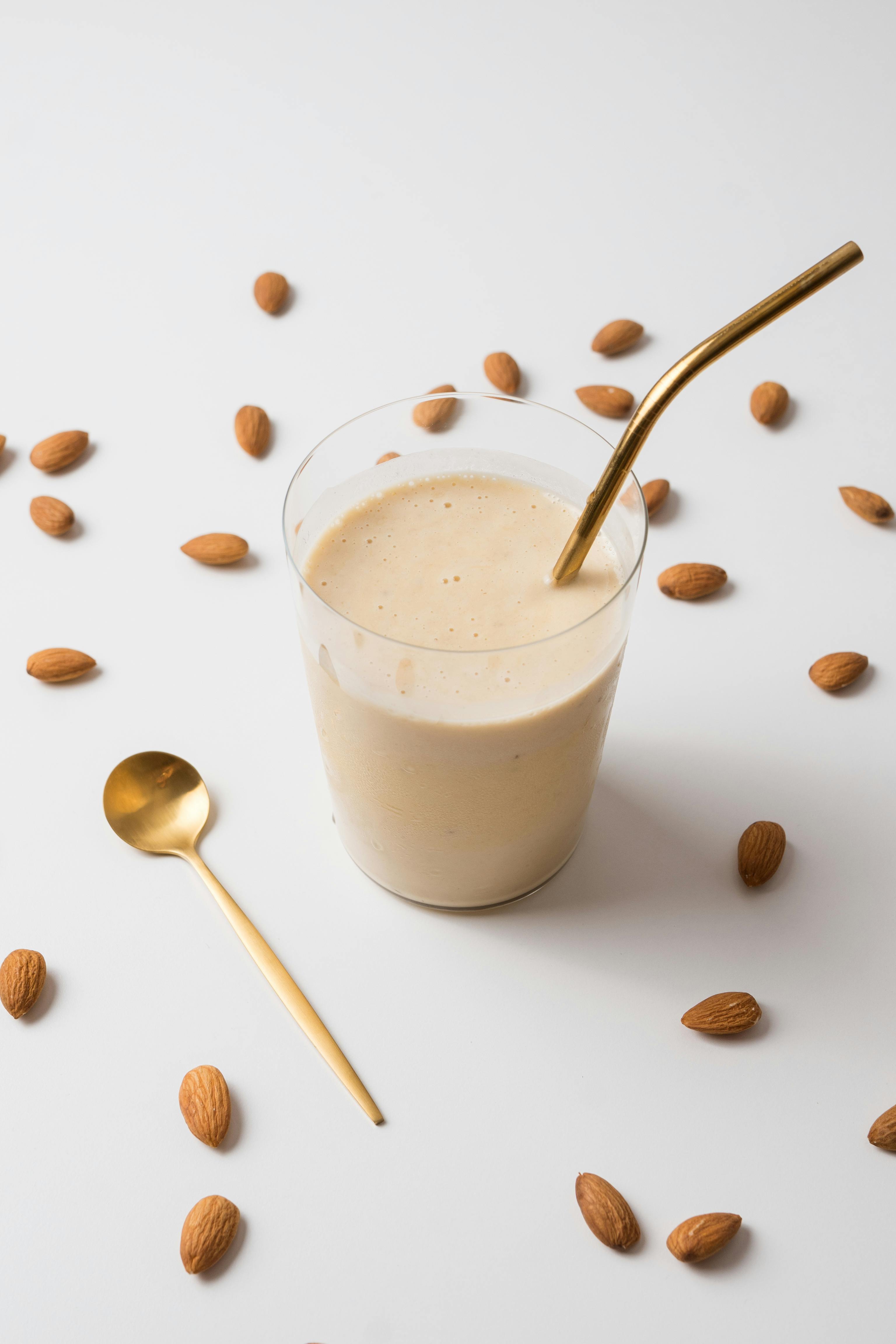
If the carton is empty, non-dairy milk is often the simplest fix. Oat, soy, and almond milk can usually replace dairy milk in a straight 1:1 swap, making them ideal for cakes, pancakes, muffins, and quick breads. The batter comes together much the same, so this is one of the least stressful substitutions.
The main difference is flavor and richness. Oat milk tends to be the most neutral and creamy, soy milk offers body and protein, and almond milk is lighter with a subtle nutty note. For the most predictable results, use unsweetened and unflavored versions so vanilla or added sugar does not throw off the recipe.