Food shortages are often remembered as moments of inconvenience, but in the United States they have repeatedly done much more than empty shelves. They have changed what people ate, how families cooked, and how government and industry responded to crisis. From wartime ration books to storm-shattered supply lines, these seven shortages reveal how scarcity helped shape the nation's history.
Civil War Blockades and Southern Hunger
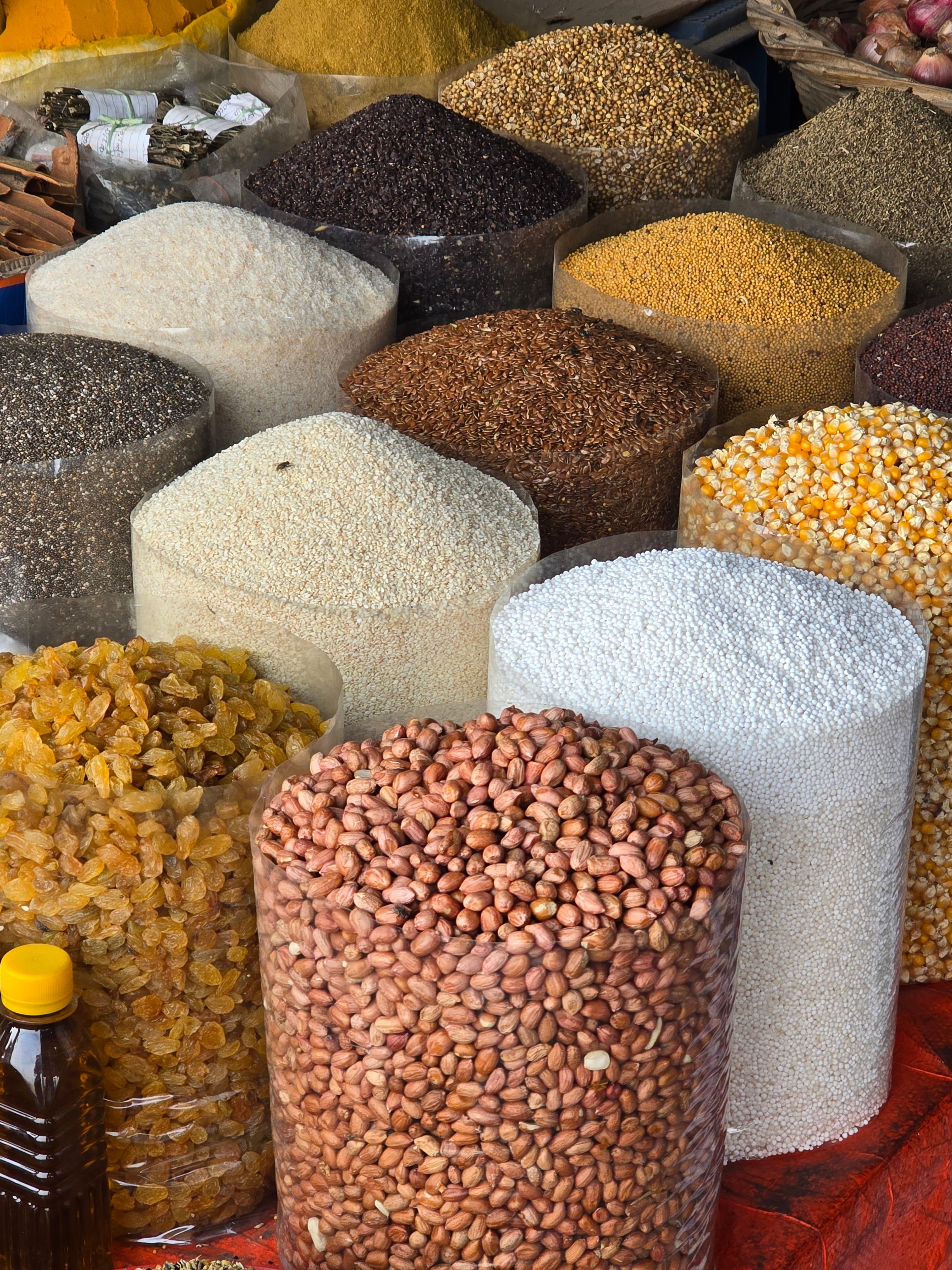
War does not just drain armies. It also empties pantries, and during the Civil War that became painfully clear across the South. Union naval blockades choked off imports while damaged rail lines and military requisitioning made it harder to move grain, meat, and salt where people needed them.
Salt was especially critical because it preserved food, and without enough of it, families struggled to keep meat edible. Inflation made basic staples even less affordable, turning shortage into a daily civilian crisis.
Households planted gardens, dried produce, and improvised meals from whatever was available. The scarcity weakened morale, stirred unrest, and showed how deeply food supply could influence the outcome and memory of war.
The Great Depression and the Dust Bowl
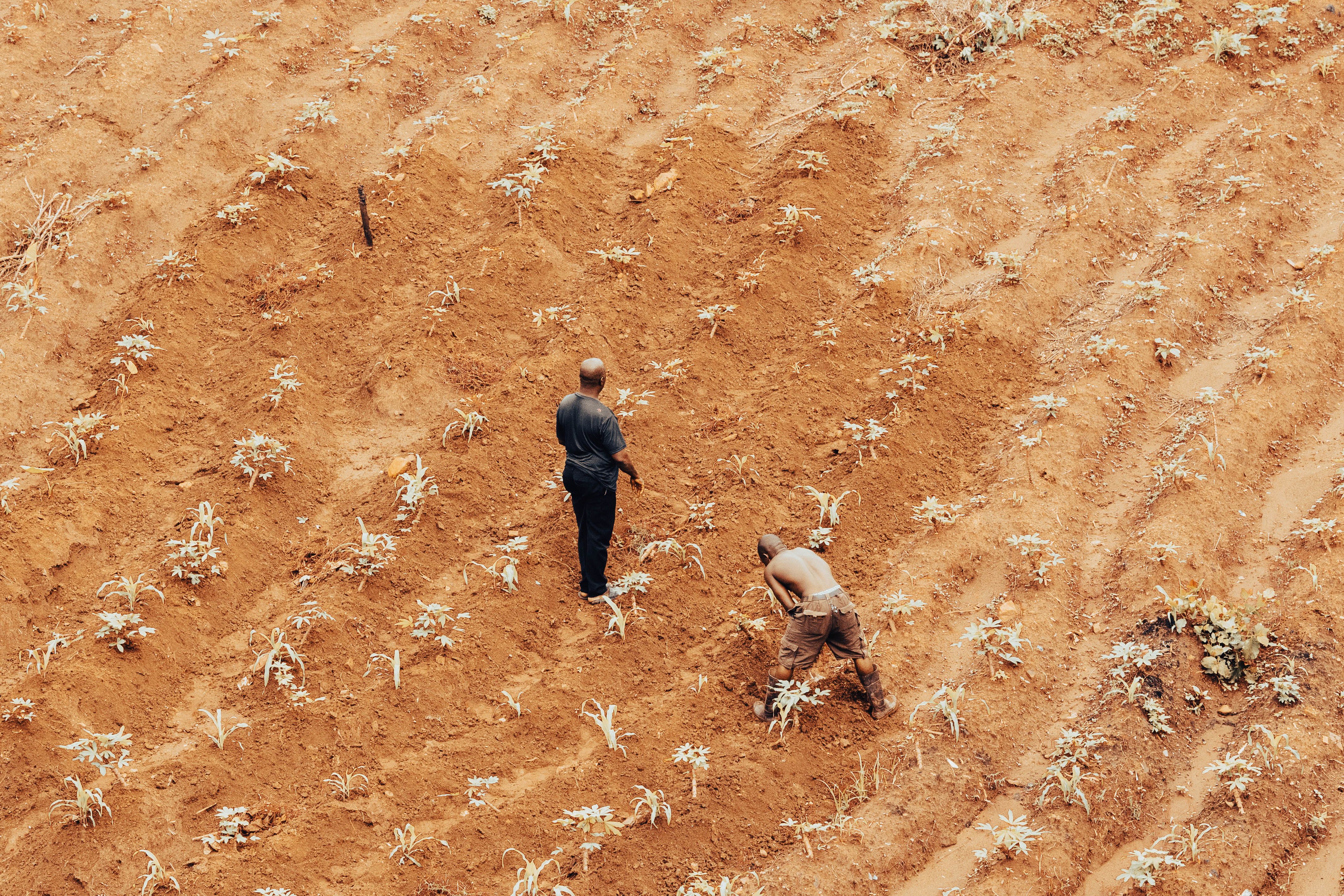
Scarcity hit the United States on two fronts in the 1930s. The Great Depression destroyed jobs and purchasing power, while the Dust Bowl wrecked farms across the Plains with drought, wind erosion, and repeated crop failure.
For many families, the problem was not simply that food existed somewhere else. It was that they could not grow it, afford it, or reliably get it. Farm foreclosures, migration, and collapsing local economies left hunger as a persistent part of everyday life.
Soup kitchens and federal relief became lifelines, and New Deal programs pushed the government into a larger role in food security. The era also helped inspire soil conservation efforts, crop insurance, and a broader understanding that agriculture and public welfare were tightly connected.
World War II Rationing at Home
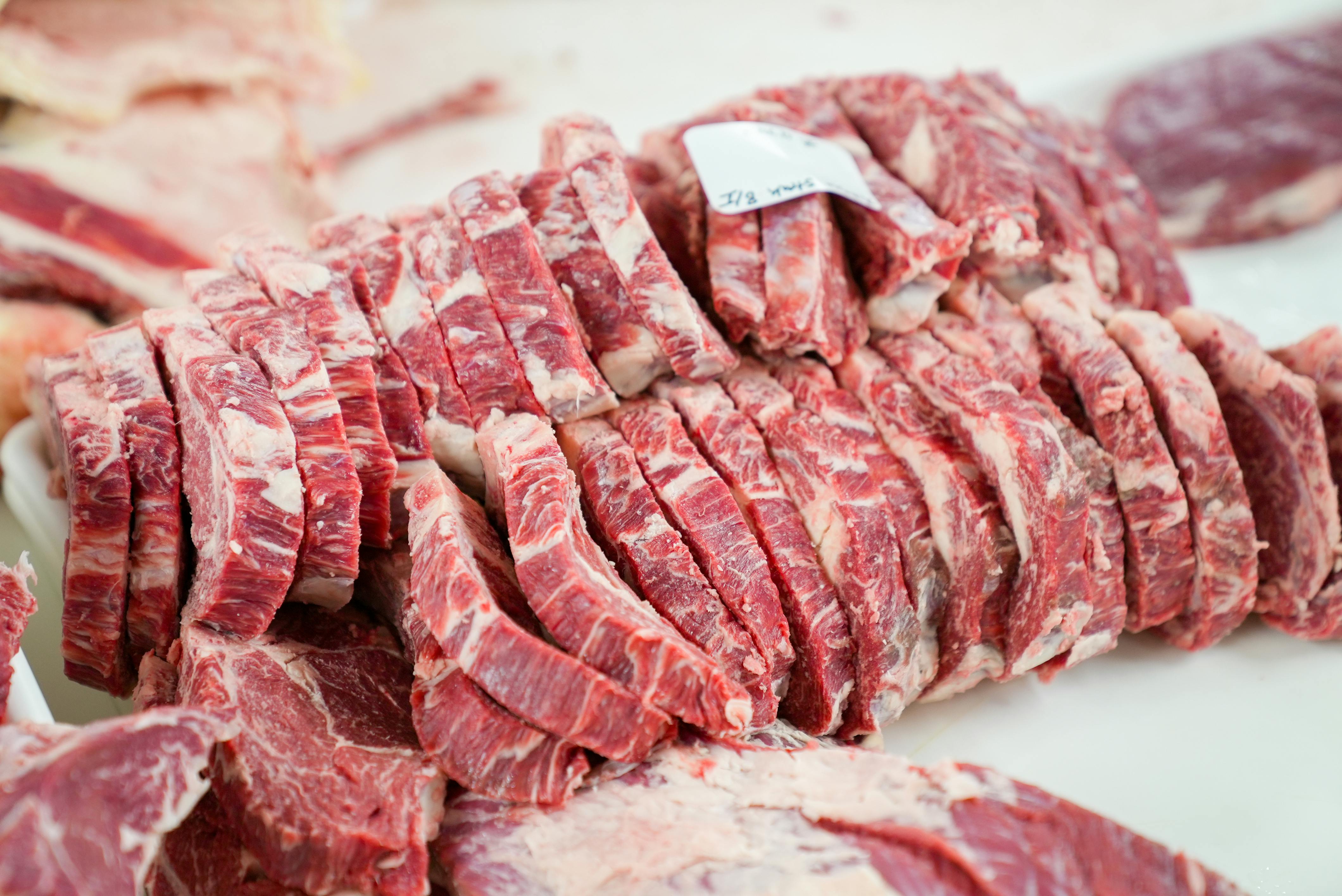
On the American home front, shortage came with rules, stamps, and careful planning. During World War II, the federal government rationed sugar, meat, butter, canned goods, and other essentials so supplies could support troops and allies.
Families learned to stretch ingredients in ways that now feel almost like a lost domestic art. Home cooks swapped ingredients, saved drippings, reused scraps, and turned to community advice columns for ways to make meals feel normal.
Victory gardens helped fill the gap, growing vegetables in backyards, schoolyards, and city lots. Rationing linked private kitchens to the global war effort and left a lasting mark on food preservation, frozen foods, and the American habit of treating thrift as a civic virtue in hard times.
Salt and Sugar Shortages in the Early 1900s
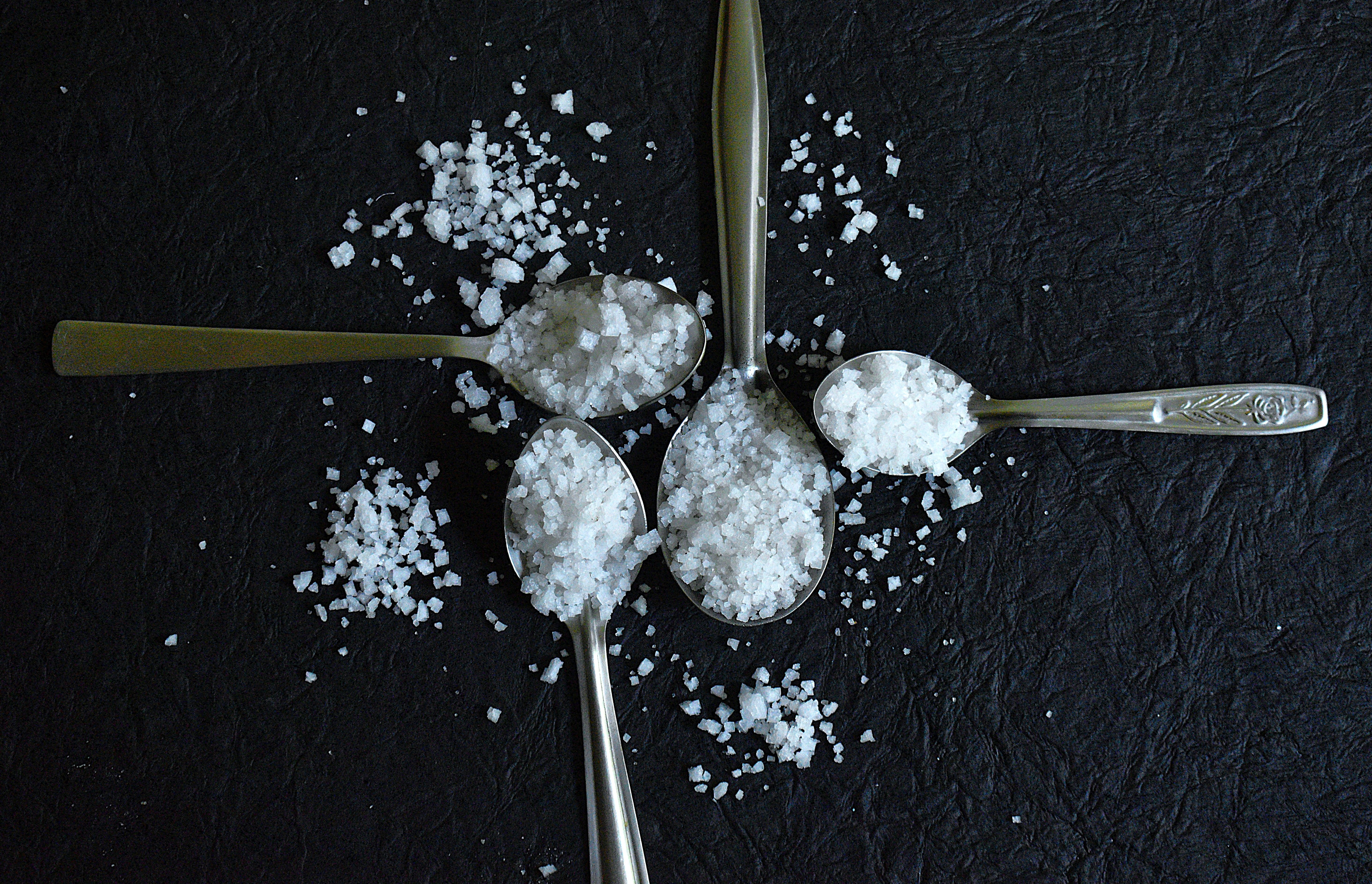
Some shortages revolve around foods people notice immediately. Others involve humble ingredients that quietly hold an entire kitchen together. In the early 20th century, periodic shortages of salt and sugar disrupted baking, preserving, and everyday meal preparation in ways that reached well beyond dessert.
Trade interruptions, wartime demand, and transportation trouble all played a part. When these staples became scarce, households had to rethink canning schedules, cut back on recipes, and use substitutes that did not always work the same way.
The ripple effect was surprisingly large because salt and sugar were both pantry basics and preservation tools. These shortages revealed how dependent American kitchens had become on distant supply chains and how vulnerable daily routines were to disruptions far from home.
Potato Blight and Urban Immigrant Diets

A failed potato crop could send stress far beyond the farm. In immigrant neighborhoods and working-class communities, potatoes were affordable, filling, and central to daily meals, so blight or disease could quickly upset both budgets and nutrition.
When harvests dropped or shipments tightened, city markets often saw sharp price increases. That meant families already living close to the edge had to stretch meals further or replace a trusted staple with foods that cost more or felt less familiar.
Communities responded with practicality and solidarity. Mutual aid groups, neighborhood kitchens, and small ethnic grocers helped people adapt while preserving food traditions as best they could. The shortages showed how one crop's vulnerability could land hardest on the people with the fewest financial cushions.
The 1970s Food Price Shock

Not every shortage looks like empty shelves. In the 1970s, many Americans experienced scarcity through prices that rose so quickly they changed shopping habits almost overnight. Drought, energy shocks, and volatile commodity markets pushed up the cost of grains, meat, and dairy.
Because food production depends heavily on fuel and transport, the oil crisis reached deep into the grocery aisle. Households felt squeezed as staples took a larger share of the family budget, and low-income Americans were hit especially hard.
The decade sharpened debates about subsidies, inflation, and food assistance programs. It also made one point impossible to ignore: food affordability is tied not just to harvests, but to energy policy, weather patterns, and a larger economic system that can turn pressure into hardship very quickly.
Corn Shortages and Their Ripple Effects
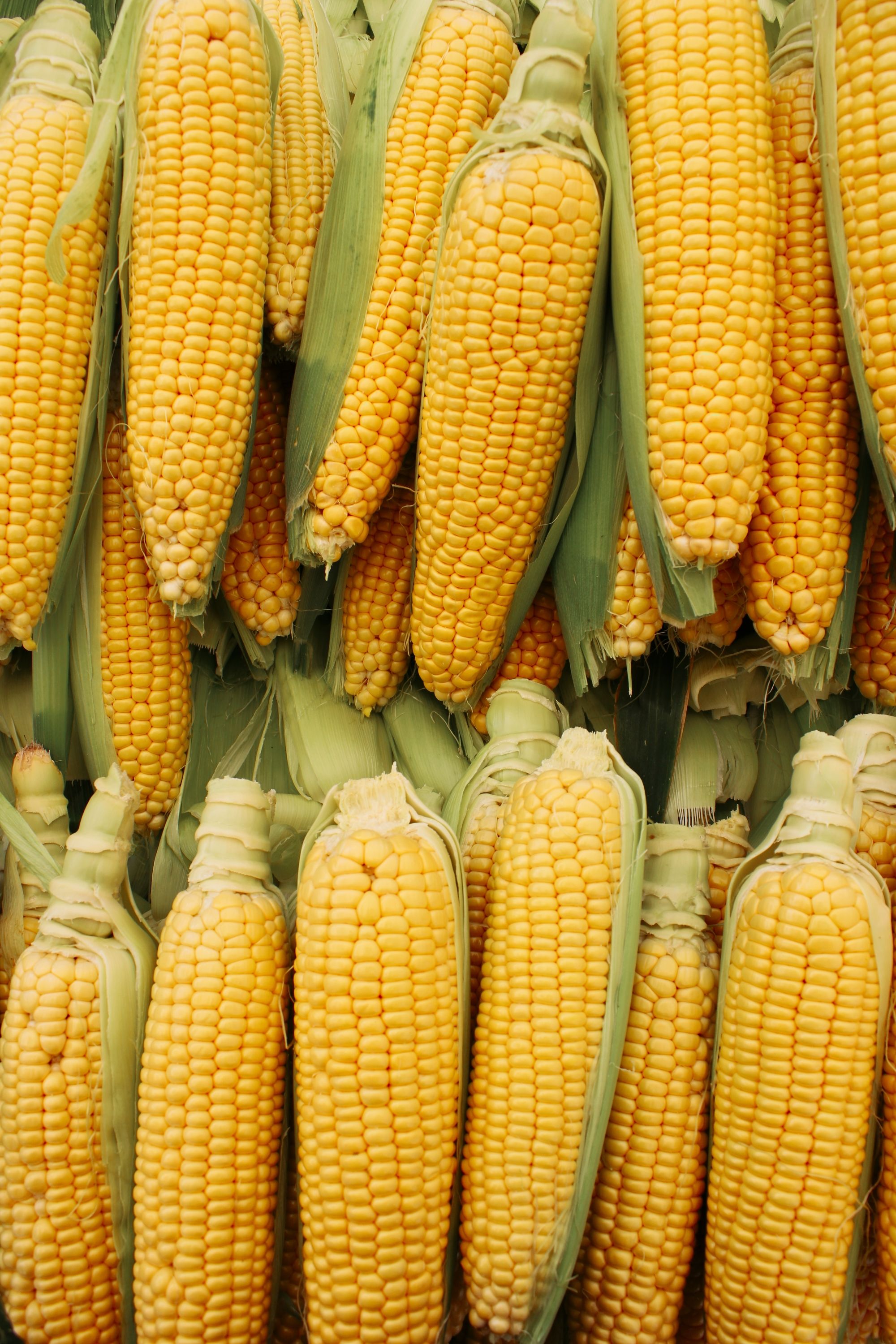
Corn is so woven into the American food system that a shortage rarely stays in one lane. When drought, pests, or market swings reduce corn supplies, the impact spreads quickly through animal feed, sweeteners, processed foods, and industrial agriculture.
That means higher corn prices can drive up the cost of beef, pork, poultry, eggs, and dairy at the same time. Food manufacturers also feel the squeeze, sometimes reformulating products or slowing operations when a core ingredient becomes harder to source.
These episodes exposed the risks of relying too heavily on one crop in a highly centralized system. They also encouraged greater attention to storage, crop diversification, and alternatives that could soften the blow when a problem in the corn belt turned into a national food story.