Eggs are one of the easiest breakfasts to lean on, which is exactly why they can start to feel predictable. The good news is that small changes in technique, seasoning, texture, and presentation can make the same carton of eggs taste completely different. These approachable ideas bring more variety to the table without asking for complicated recipes or hard-to-find ingredients.
Change the Cooking Style

Sometimes the fastest way to make eggs feel new is to stop cooking them the same way. If scrambled and fried are your defaults, try poached, soft-boiled, baked, or shirred eggs for a completely different texture and mood at breakfast.
A poached egg feels delicate and light, especially over toast or greens. A soft-boiled egg brings that jammy center people love for dipping, while baked eggs feel a little more special and cozy.
The beauty is that the ingredient stays the same, but the eating experience changes. That one simple shift can make breakfast feel less like routine and more like a choice.
Build Flavor with Aromatics and Spices

Eggs have a mild flavor, which makes them an excellent canvas for ingredients that wake up the pan. A little onion, garlic, shallot, or scallion cooked first can create a savory base that instantly gives the dish more character.
Spices matter just as much. Smoked paprika, cumin, black pepper, chili flakes, or even a tiny pinch of turmeric can make familiar eggs taste warmer, smokier, or more vibrant without much effort.
The trick is to add these ingredients early enough for their flavor to bloom. Instead of tasting like plain eggs with seasoning on top, the whole dish feels layered and better thought out.
Add Mix-Ins for Texture

A breakfast gets more interesting when every bite is a little different. Fold vegetables, cheese, beans, smoked salmon, or chopped ham into eggs, and suddenly the dish has contrast instead of a single soft texture throughout.
Mushrooms add depth, spinach softens into the eggs beautifully, and bell peppers bring sweetness and bite. Crumbled feta or goat cheese can make the whole plate feel sharper and more lively, while cheddar adds familiar comfort.
The key is balance. Cook off excess moisture from vegetables first so the eggs stay tender rather than watery. When the texture is varied, eggs stop feeling repetitive almost immediately.
Finish with Fresh Herbs or Greens

A finishing touch can do more than make a plate look pretty. Fresh herbs and tender greens add brightness, color, and a clean flavor that cuts through the richness eggs naturally have.
Chives, parsley, dill, and cilantro all change the personality of a dish in different ways. A handful of baby arugula, spinach, or watercress on top can make breakfast feel fresher and more complete without adding much work.
This step is especially useful if your eggs are cooked simply. Even basic scrambled eggs feel more alive with something green scattered over the top, and that little bit of freshness keeps the meal from feeling flat.
Experiment with Heat and Fat

Eggs respond dramatically to how you cook them, and that means small adjustments can deliver big variety. Low heat gives scrambled eggs a softer, creamier texture, while a slightly hotter pan can create crisp golden edges on fried eggs.
Fat changes the flavor too. Butter adds richness and a gentle nuttiness, while olive oil can make eggs feel lighter and a little more savory. Even finishing with a small pat of butter or a drizzle of flavored oil can change the final bite.
When breakfast feels repetitive, technique is often the missing ingredient. You may not need a new recipe at all, just a different pan temperature and a new choice of fat.
Borrow Global Flavors

Eggs travel well across cuisines, which makes them one of the easiest foods to reinvent. If your usual breakfast tastes bland, bring in bolder flavors like harissa, salsa verde, curry spices, kimchi, or a tomato-pepper base inspired by shakshouka.
These additions can shift eggs from familiar comfort food into something with heat, tang, and depth. A spoonful of chili crisp or a side of pickled vegetables can be enough to give the meal a completely different identity.
This approach works because eggs are naturally neutral. They absorb surrounding flavor beautifully, so even one global ingredient can make breakfast feel exciting without turning it into a complicated cooking project.
Bake Egg Muffins or Egg Cups
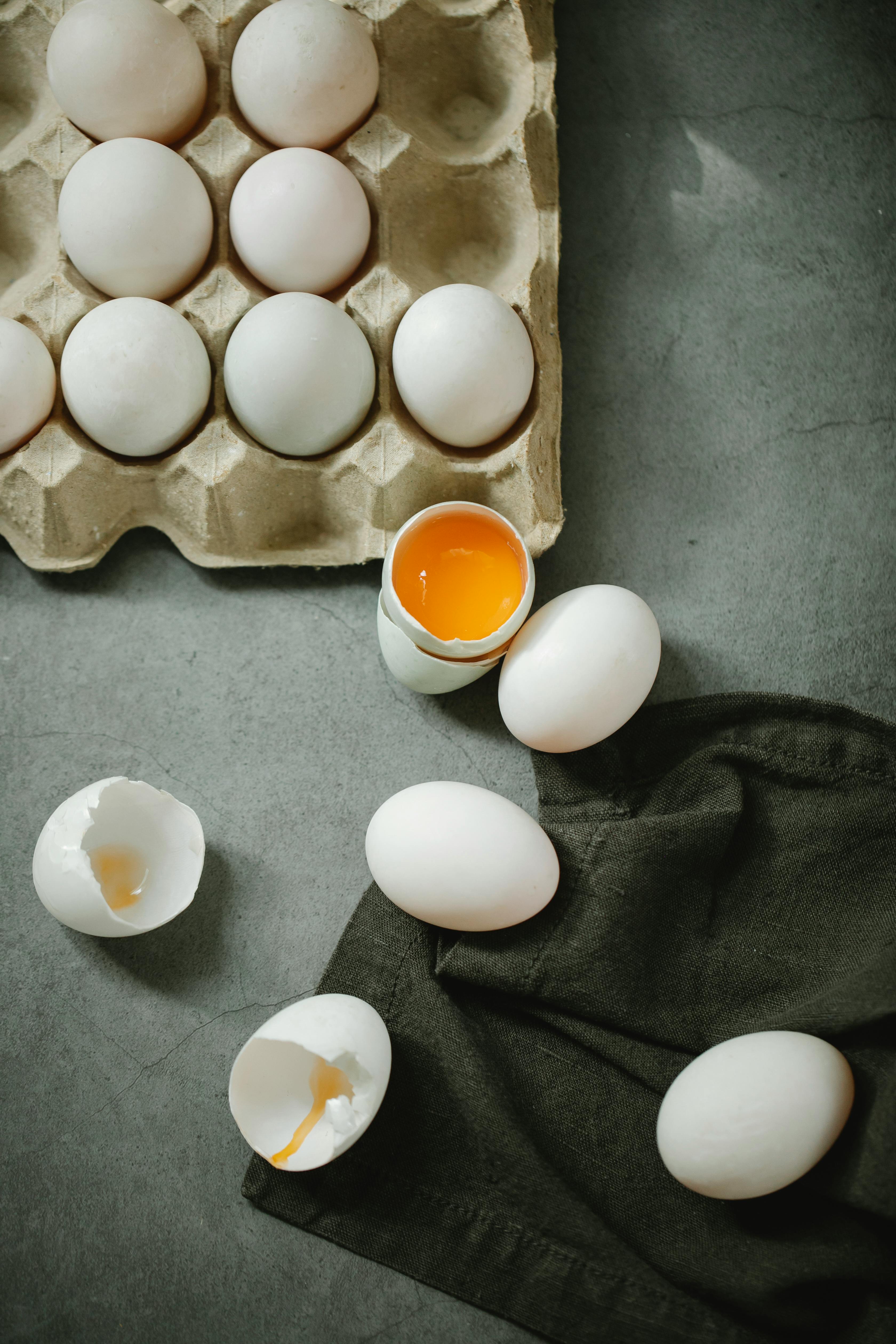
When the format changes, breakfast can feel fresh before you even take a bite. Egg muffins and egg cups turn ordinary eggs into something portable, tidy, and easy to customize with vegetables, cheese, or bits of cooked meat.
They are especially helpful if busy mornings are what push you into the same routine. Make a batch ahead, store them in the fridge, and reheat as needed so breakfast still feels varied when time is tight.
They also invite creativity in a way a quick skillet scramble often does not. One batch can include different flavors, which keeps you from eating the exact same breakfast several days in a row.
Pair Eggs with Sweet-Savory Elements
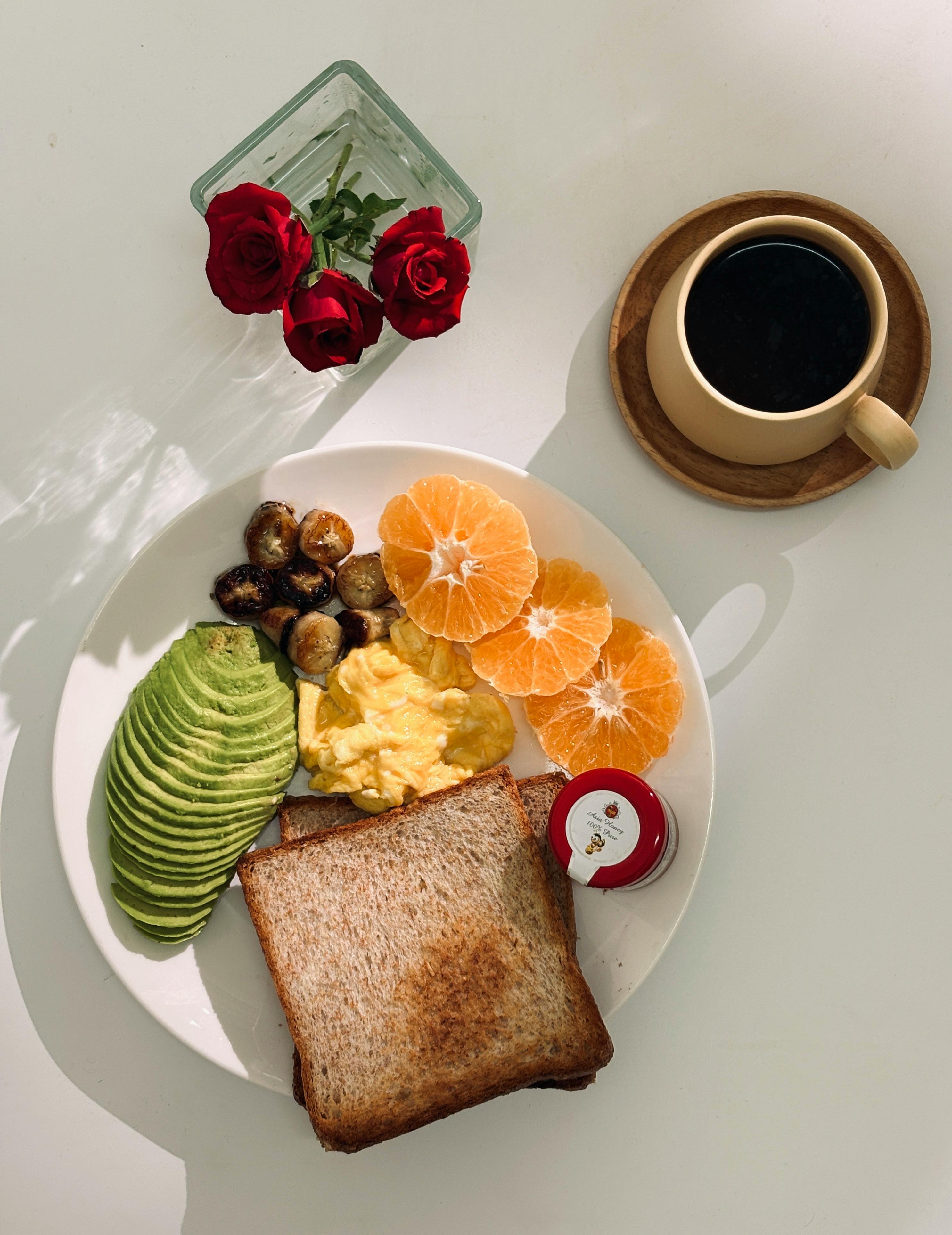
Eggs do not have to live only in salty territory. A little sweetness can make them taste more rounded and memorable, especially when it comes from ingredients with depth like caramelized onions, roasted sweet potatoes, apples, pears, or even a light drizzle of maple syrup.
This works because sweet notes balance richness and salt instead of competing with them. Think of bacon with maple, or soft scrambled eggs next to fruit that has been sautéed until slightly golden.
The goal is subtle contrast, not dessert for breakfast. Used carefully, sweet-savory combinations make eggs feel more layered and less predictable, which is often all a weekday breakfast really needs.
Use Sauces and Creamy Toppings

A sauce can rescue even the plainest eggs from feeling repetitive. Hot sauce, salsa, chimichurri, pesto, chili oil, or a spoonful of yogurt can add tang, heat, richness, or freshness in seconds.
Creamy elements work especially well because they play against the egg's own texture. Ricotta, sour cream, feta, or Greek yogurt can make a simple breakfast feel softer, brighter, and a little more indulgent without becoming heavy.
This is one of the easiest upgrades because it happens at the end. If you are short on time, changing the topping from one morning to the next may be the simplest way to make eggs feel different.
Serve Eggs on a Better Base

Eggs often feel repetitive because they are eaten alone. Put them over toast, roasted potatoes, rice, tortillas, or a sweet potato hash, and they instantly become part of a fuller dish with more texture and flavor.
A runny yolk soaking into crisp toast or warm rice creates the kind of contrast that makes a simple breakfast memorable. Potatoes add heartiness, while tortillas or pita shift the whole meal in a new direction without much extra effort.
This strategy also makes eggs more satisfying, which matters on busy mornings. Changing what sits under or beside them can be just as powerful as changing the eggs themselves.